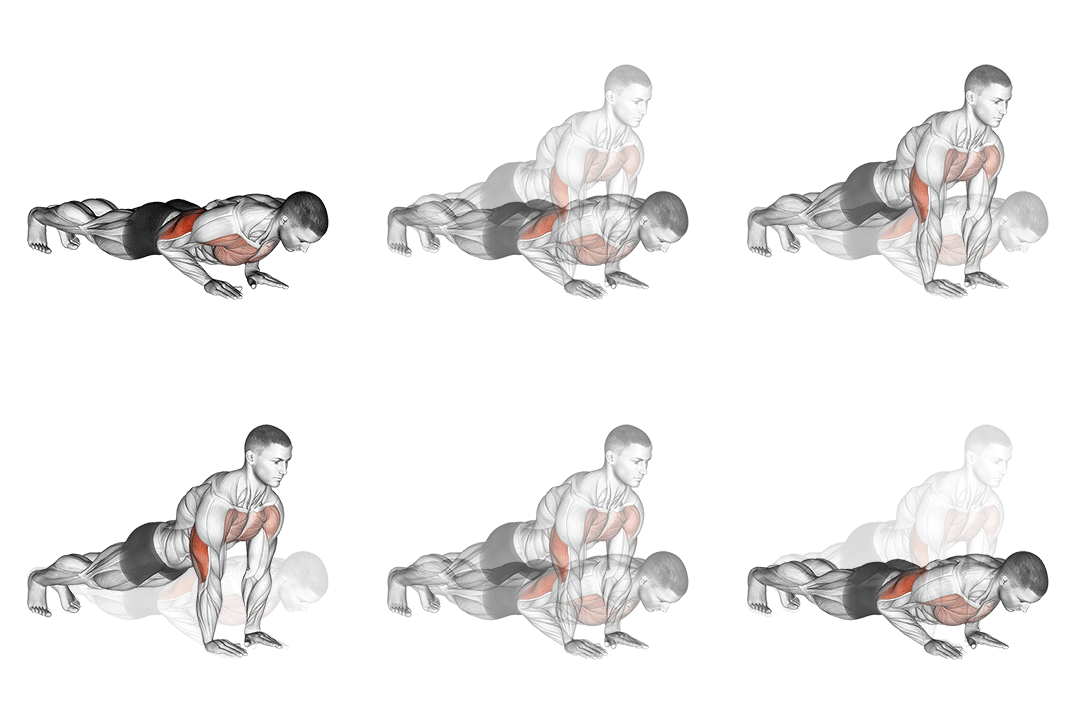
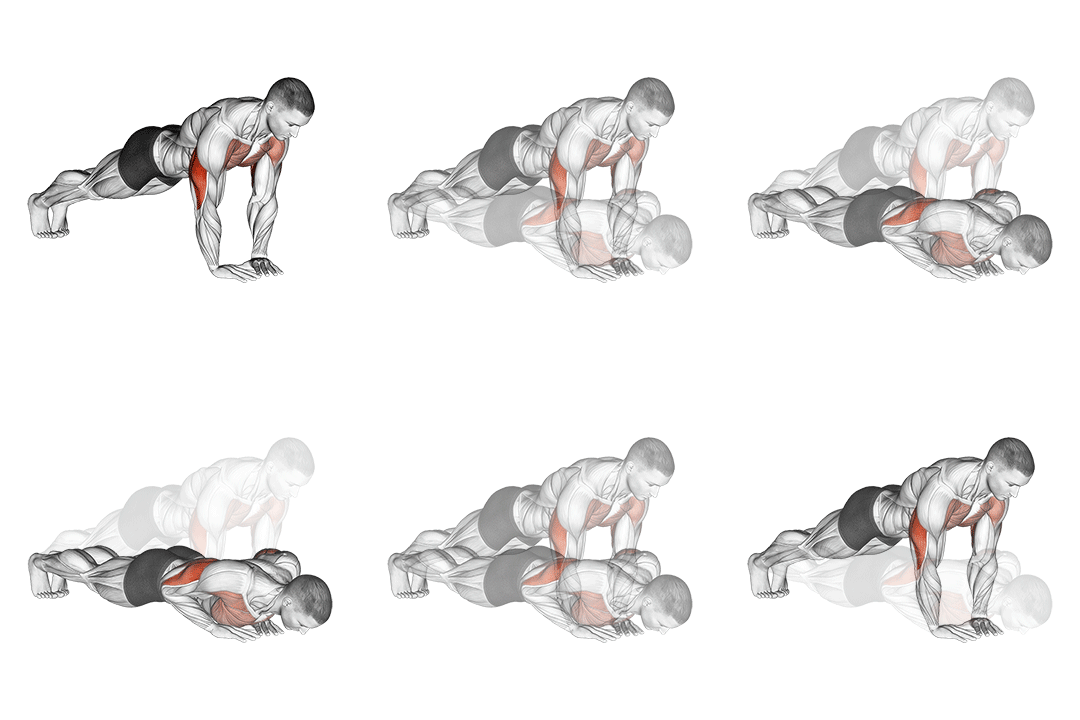
Triceps Dip (between Benches)
intermediate strength exercise · body weight · targets triceps
- Body part
- upper arms
- Primary target
- triceps
- Equipment
- body weight
- Difficulty
- intermediate
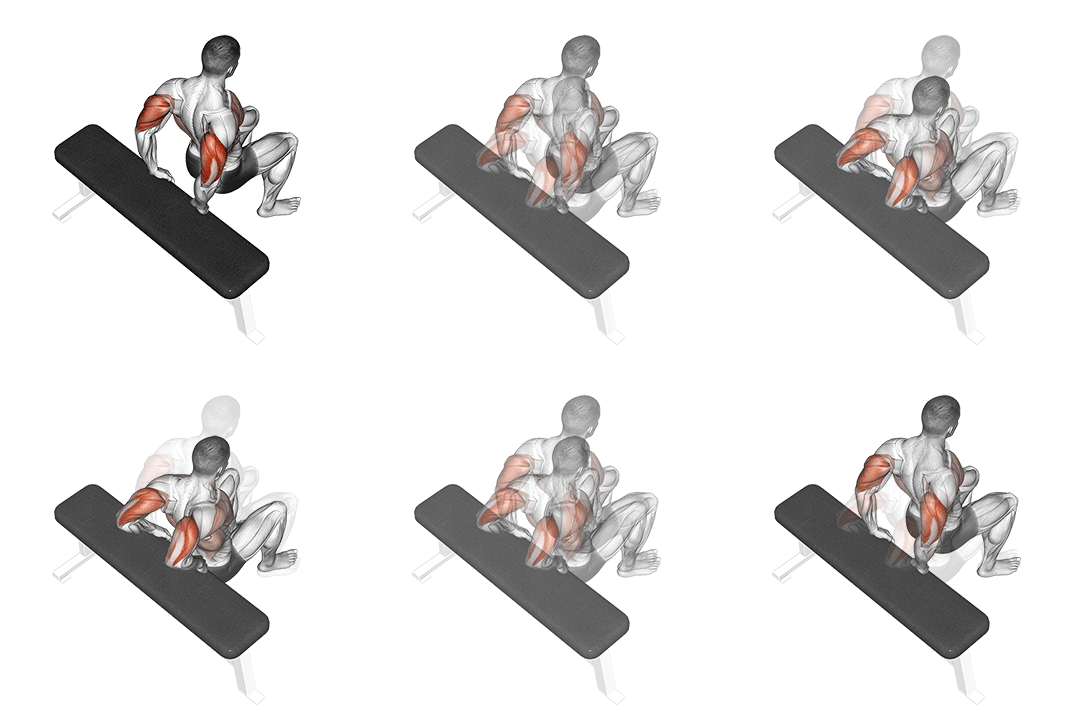
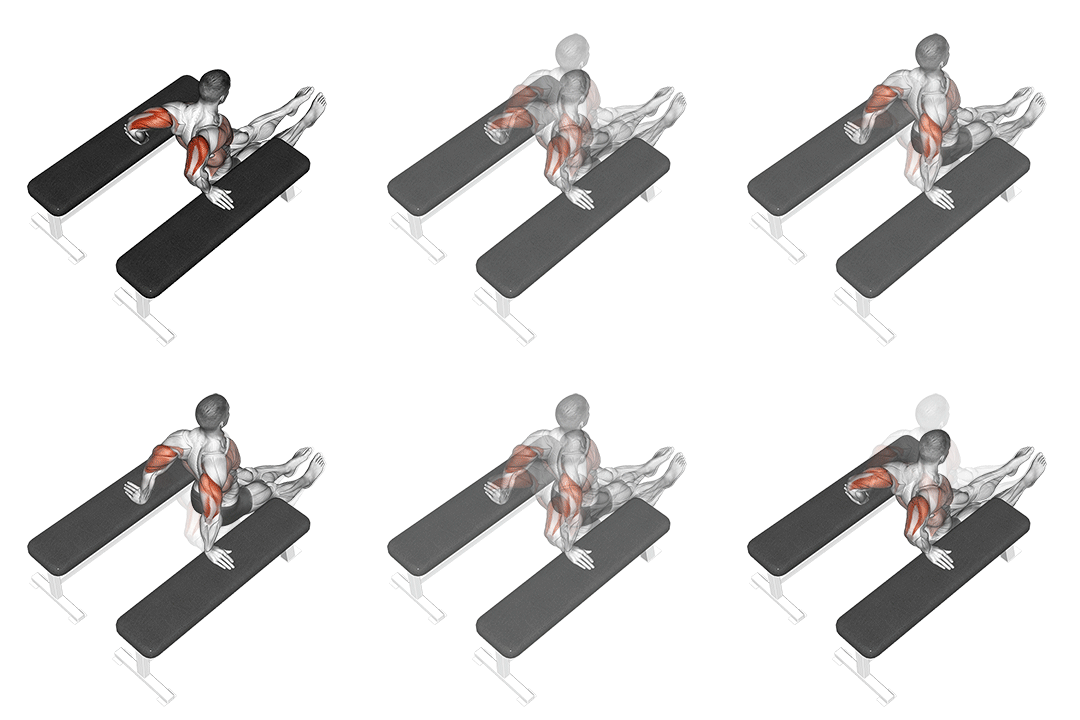
The triceps dip between benches is a more demanding bench dip variation performed with hands on one bench behind you and feet elevated on a second bench in front, putting the body almost completely horizontal between the two surfaces. The elevated feet shift significantly more body weight onto the arms — typically 30-50% more than standard bench dips with feet on the floor — making this a major step up in difficulty. It's the natural progression for trainees who have outgrown standard bench dips. Once you can do 3 sets of 15 strict bench dips with feet on the floor, the between-benches variation gives you another 4-8 weeks of meaningful progression before you need to find a harder version. The mechanics stay the same (elbows tracking back, shoulders packed down), but the load substantially increases. It's also a useful stepping stone toward parallel-bar chest dips. The between-benches variation teaches the body to handle near-full body weight in the dip position with the safety of two stable surfaces. Programmed for 4-6 weeks before attempting parallel-bar dips, it builds both the strength and the joint tolerance the harder variation requires.
Why train the Triceps Dip (between Benches)?
- Adds 30-50% more load than standard bench dips without needing weights.
- Bridges the gap between bench dips and parallel-bar dips.
- Continues triceps development for trainees who have outgrown standard bench dips.
- Requires only two benches, chairs, or stable surfaces.
- Trains shoulder stability under heavier load than basic dips.
- Provides clear progression: foot bench height can be adjusted incrementally.
How to do the Triceps Dip (between Benches): step by step
- 1Sit on a bench with your hands gripping the edge of the bench, fingers pointing forward.
- 2Slide your butt off the bench, supporting your weight with your hands.
- 3Bend your elbows and lower your body towards the ground, keeping your back close to the bench.
- 4Pause for a moment at the bottom, then push yourself back up to the starting position.
- 5Repeat for the desired number of repetitions.
Muscles worked
Primary
triceps
Secondary
chest, shoulders
Common mistakes to avoid
Setting the second bench too high
If the foot bench is taller than the hand bench, the body tilts in a way that stresses the lower back and shoulders. Keep the feet bench at the same height as the hand bench, or slightly lower.
Going too deep too fast
The added load makes excessive depth more dangerous, not less. Stop the descent when the upper arms are roughly parallel to the floor — going deeper concentrates load on the anterior shoulder capsule.
Letting the hips drift forward away from the hand bench
Some people drift forward as they descend, which shifts load to the front delts and out of the triceps. Keep the hips close to the bench throughout the rep — almost grazing it on the way down.
Using unstable benches
If either surface wobbles or slides, the exercise becomes about stability instead of strength. Use solid, heavy benches; if at home, push the chairs against walls so they can't shift.
Bouncing out of the bottom
Using momentum to rebound from the descent puts stress on the elbow ligaments. Pause for half a second at the bottom of every rep — the muscle does its work in that pause.
Easier and harder variations
Easier
Standard bench dips with feet on the floor. Build to 3 sets of 15 standard reps before adding the elevated feet. Or use a lower second surface for partial elevation as an intermediate step.
Harder
Add weight by placing a plate on the lap. Or progress to chest dips on parallel bars — the natural next step once between-benches dips become easy.
Alternative exercises
Reverse dip
Same exercise concept (sometimes used interchangeably with this name). Foot bench elevated, hands on a separate bench.
Chest dip (parallel bars)
The natural progression. Full body weight on the arms in a more demanding position.
Weighted bench dip
Add load (a plate, dumbbell, or weighted vest) to a standard bench dip. Different progression path that doesn't require a second bench.
How to program the Triceps Dip (between Benches) into your training
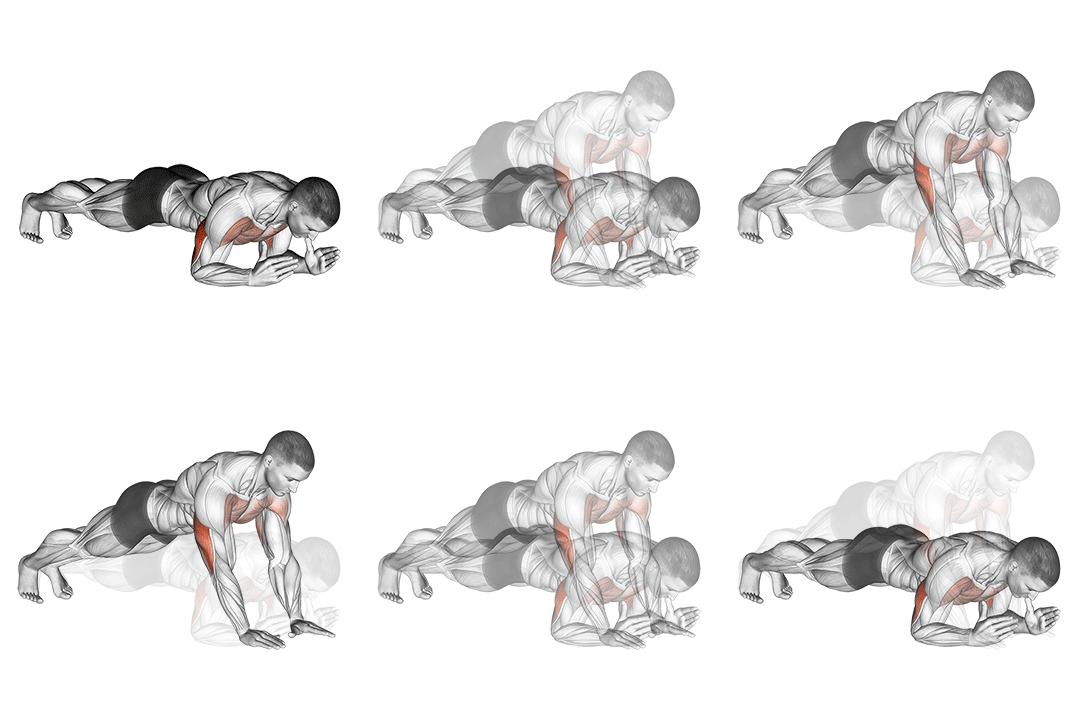
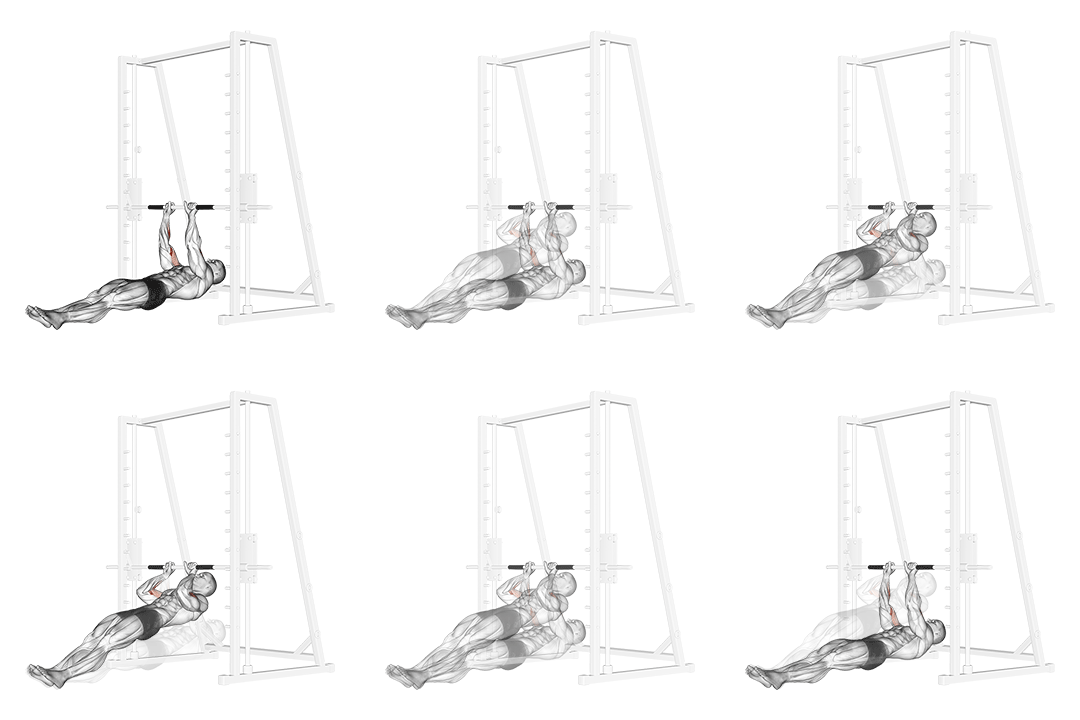
Triceps dips between benches work as the primary tricep movement once you've outgrown standard bench dips. Place them at the start of an upper-body session when fresh, or after primary pressing work as a heavy accessory. Sets and reps: 3-4 sets of 6-12 reps with 90-120 seconds rest. The added load means rep counts will be lower than standard bench dips. Total weekly volume of 30-80 reps drives most strength gains. In an upper-body session: 4 sets of 8 push-ups (main horizontal press), 3 sets of 8 between-benches dips (tricep emphasis), 4 sets of 8 inverted rows (balance), 3 sets of 30-second front planks. Done twice per week. For focused tricep development, run between-benches dips twice per week for 6 weeks, progressing from 3 sets of 6 to 3 sets of 12 reps. Once you can hit 3 sets of 12, either add weight or progress to parallel-bar chest dips. Do not program between-benches dips on the same day as diamond push-ups or other heavy tricep work. The cumulative elbow and front-shoulder load is excessive.
Recovery and frequency
Between-benches dips load the triceps and front delts more than basic dips, so 48-72 hours between sessions is the right cadence. The shoulders are usually the limiting factor for recovery. Elbow tendinopathy can develop if the volume ramp is too aggressive. Build slowly. Foam roll the chest and lats weekly to maintain the thoracic mobility this kind of pressing demands.
Frequently asked questions
How many sets and reps of between-benches dips should I do?
3-4 sets of 6-12 reps with 90-120 seconds rest. The added load means rep counts will be lower than standard bench dips.
How often should I train the between-benches dip?
2 times per week with 48-72 hours between sessions. The shoulders need recovery between heavier dip variations.
Between-benches dips vs parallel-bar dips: which is better?
Parallel-bar dips are the bigger and more demanding variation. Between-benches dips are easier to set up at home and slightly safer for beginners moving past standard bench dips. Both have a place; between-benches dips work toward bar dips.
Why are between-benches dips so much harder than regular bench dips?
Elevating the feet shifts more body weight onto the arms — typically 30-50% more. The mechanics are identical but the load is substantially higher.
Can I do between-benches dips with shoulder issues?
Generally not without medical clearance. The dip position loads the anterior shoulder capsule, and elevated-feet dips load it more than the standard version.
How high should the foot bench be?
Same height as the hand bench, or slightly lower. Higher than the hand bench creates an awkward angle that stresses the lower back and shoulders.
Useful tools for this exercise
Build a workout with the Triceps Dip (between Benches)
Puna gives you guided bodyweight workouts you can do anywhere — no equipment, no gym, just structured progressions that build real strength.