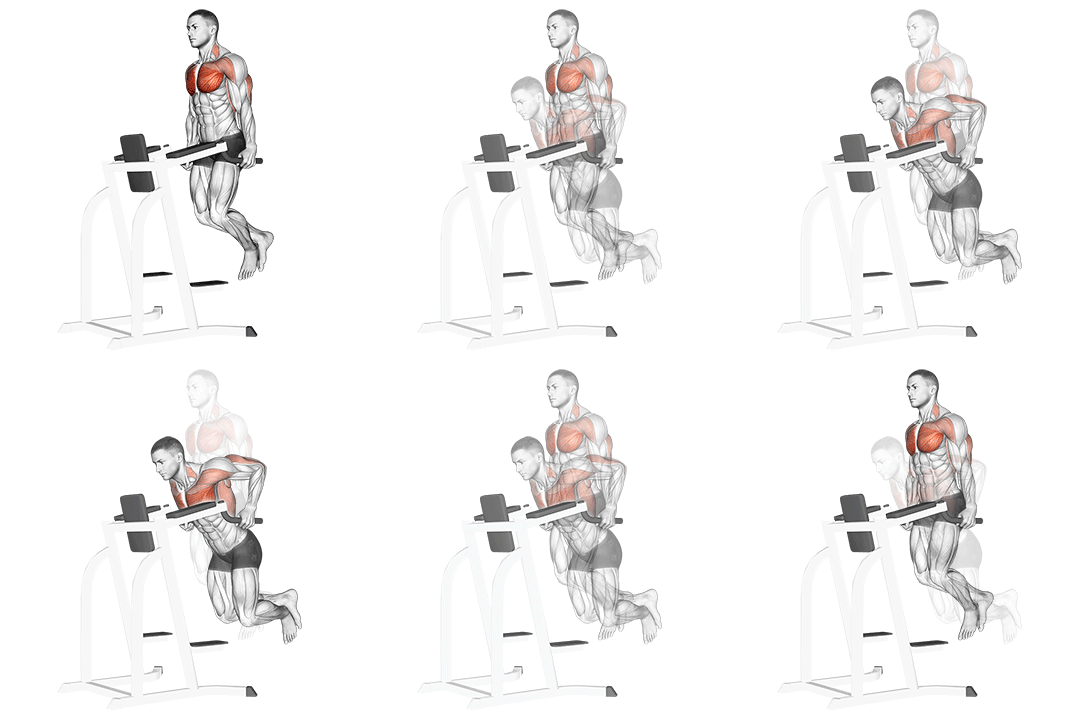
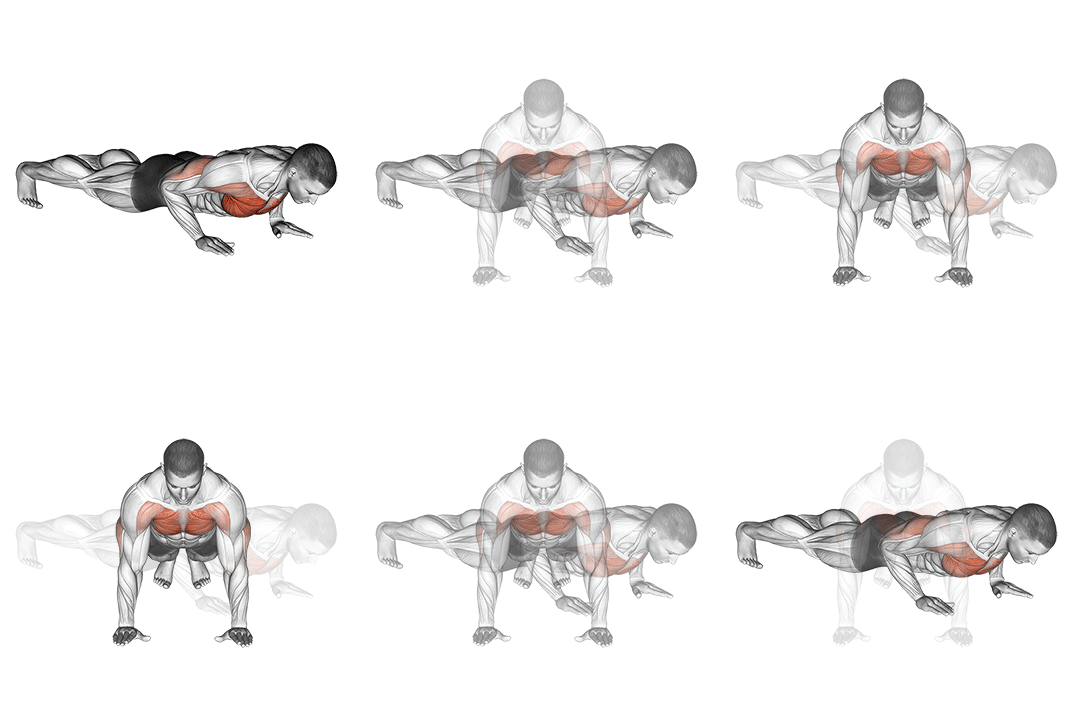
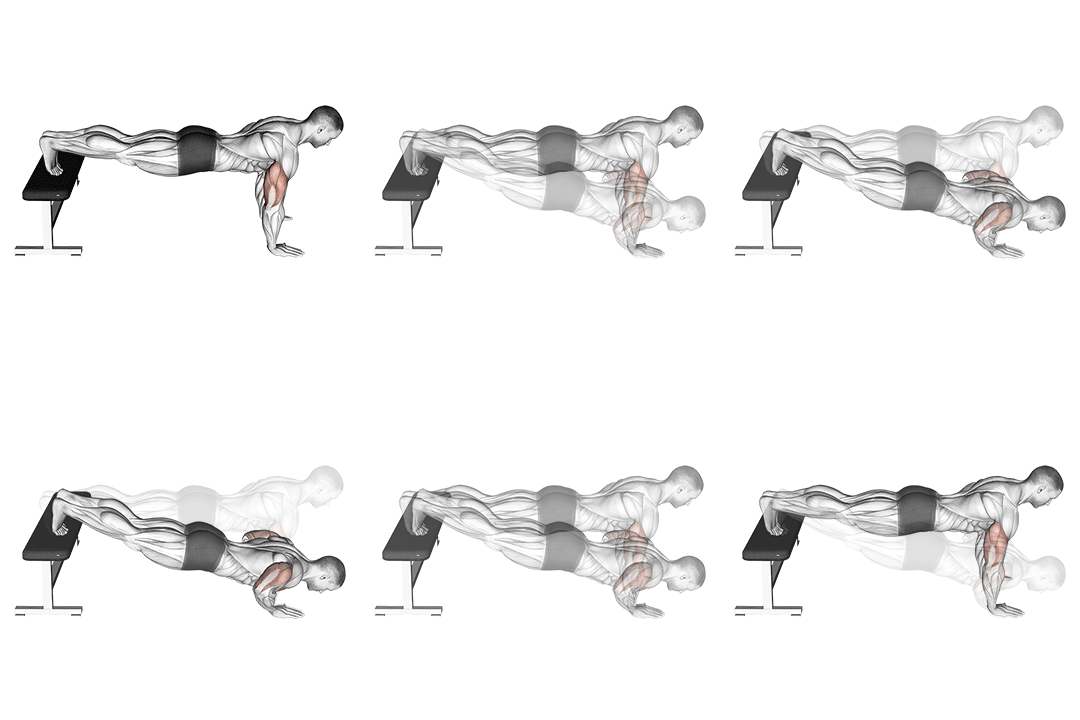
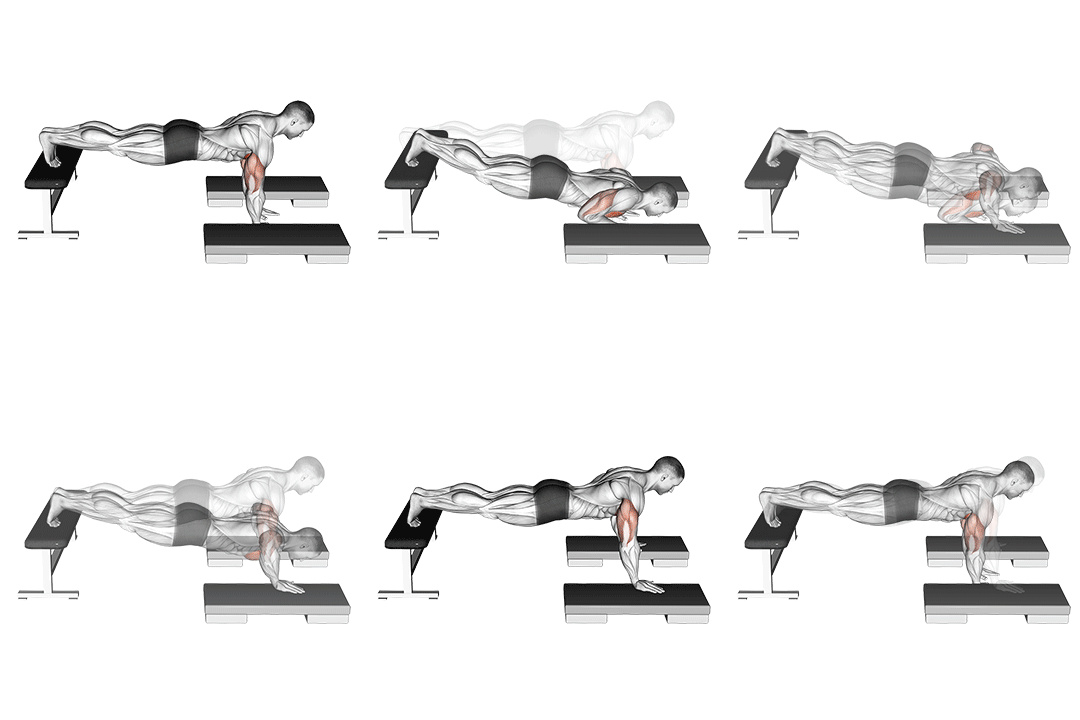
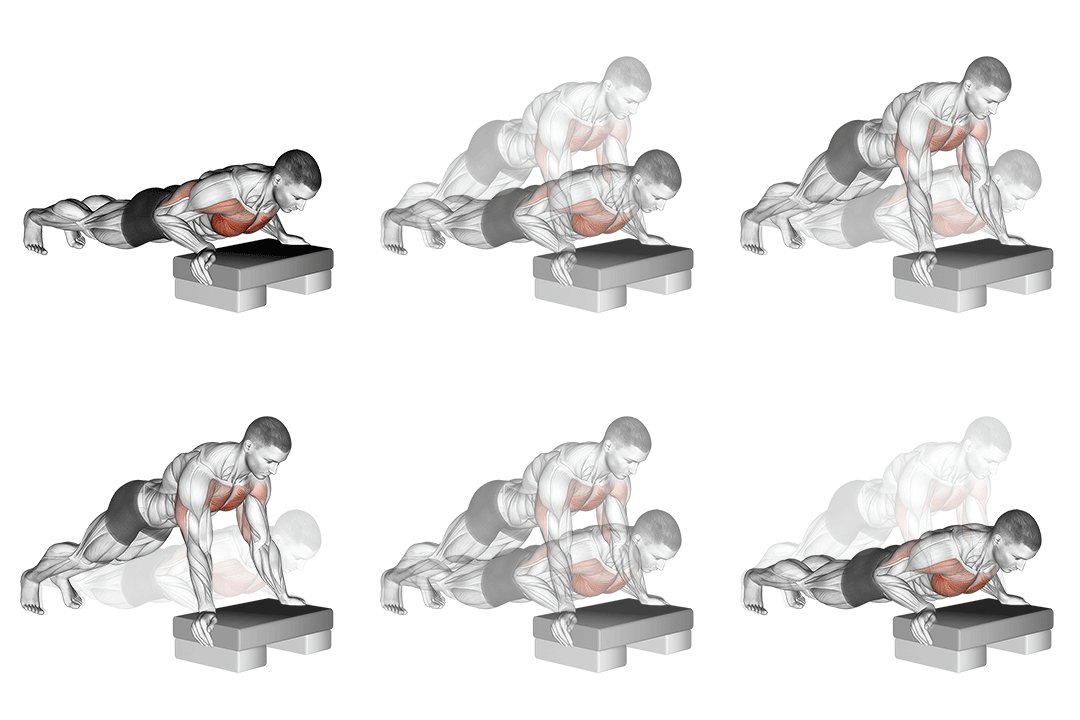
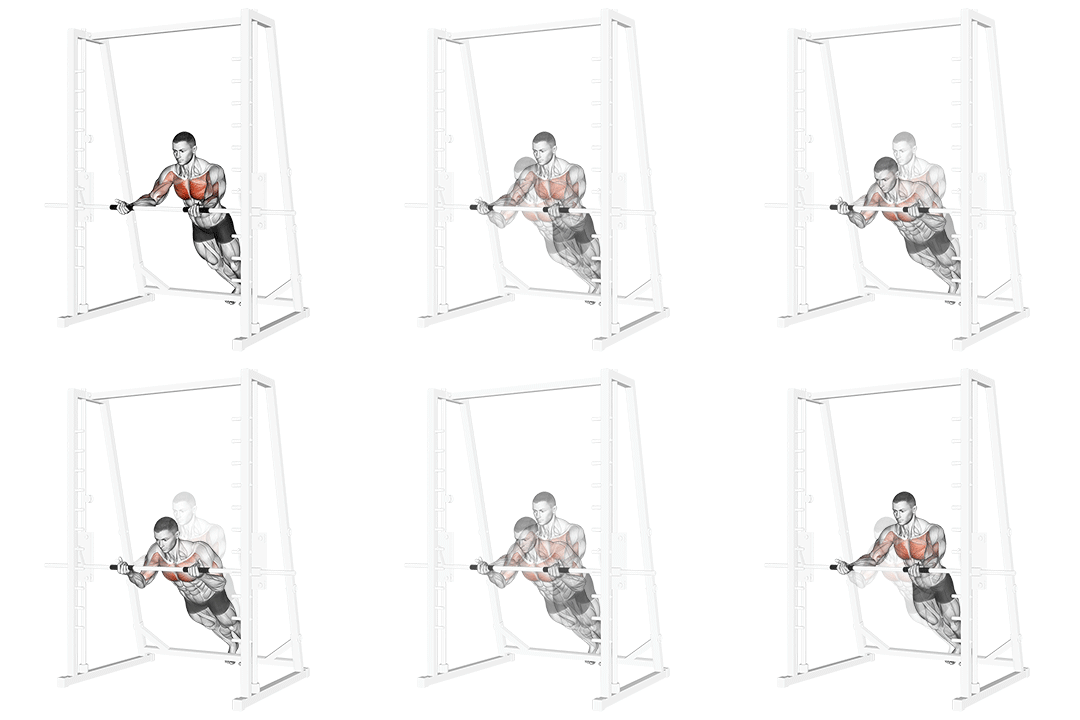
Scapula Push-up
beginner mobility exercise · body weight · targets serratus anterior
- Body part
- chest
- Primary target
- serratus anterior
- Equipment
- body weight
- Difficulty
- beginner
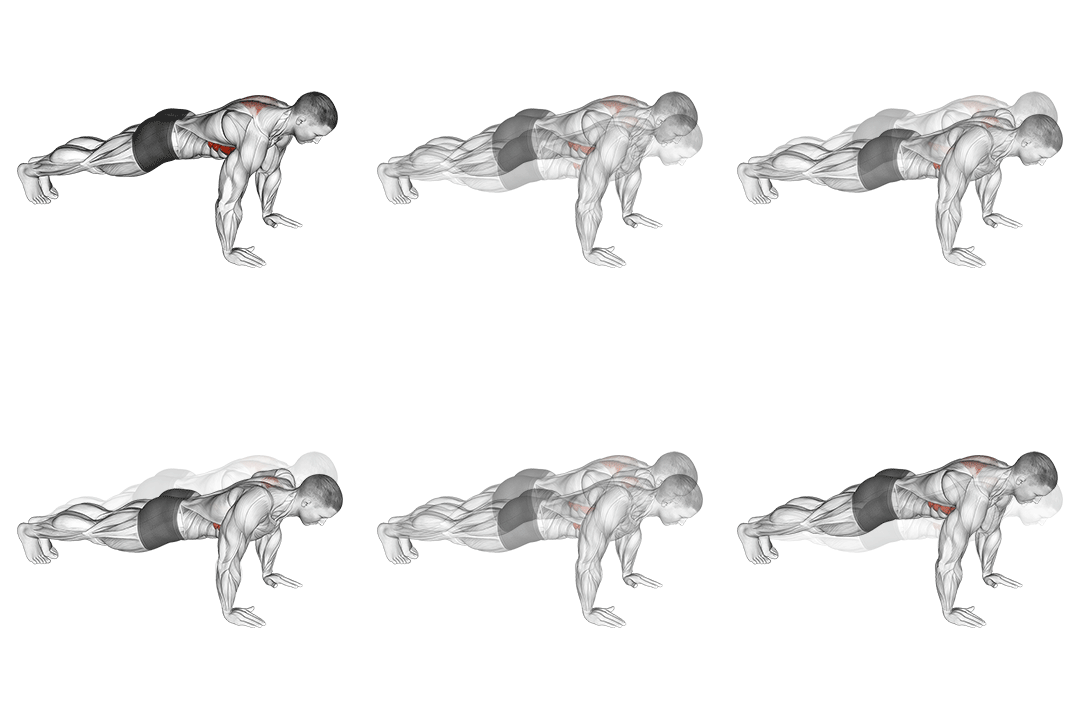
The scapula push-up is to push-ups what the scapular pull-up is to pull-ups — a small-amplitude exercise that targets the serratus anterior and trains proper shoulder blade movement. From a high plank position with arms straight, you let the body sink slightly toward the floor by allowing the shoulder blades to retract (squeeze together), then push the body away by protracting the shoulder blades (driving them apart and forward). The arms stay completely straight throughout — only the shoulder blades move. The small visual range hides what's happening underneath. The serratus anterior — the muscle along the side of the rib cage that wraps around to the shoulder blade — is critical for shoulder health and proper pressing mechanics. When the serratus doesn't activate well (common in desk-bound trainees), the shoulder blade drifts incorrectly during pressing, which causes impingement and limits how strong you can press. The scapular push-up trains the serratus directly with simple body weight. A few weeks of dedicated scapular push-up work often produces immediate benefits: better push-up form, less shoulder fatigue during pressing work, and improved overhead reach. It's also rehab-friendly and accessible to almost anyone who can hold a high plank.
Why train the Scapula Push-up?
- Trains the serratus anterior directly — critical for shoulder health and pressing strength.
- Low impact and accessible — can be performed by almost anyone who can hold a plank.
- Improves shoulder blade mechanics that carry over to all pressing and overhead work.
- Excellent warm-up before chest, shoulder, or push-up training.
- Useful for postural correction in trainees with rounded shoulders.
- Requires no equipment.
How to do the Scapula Push-up: step by step
- 1Start in a high plank position with your hands directly under your shoulders and your body in a straight line.
- 2Lower your chest towards the ground, keeping your elbows close to your body.
- 3As you lower, squeeze your shoulder blades together and push your chest forward.
- 4Pause for a moment at the bottom, then push back up to the starting position.
- 5Repeat for the desired number of repetitions.
Muscles worked
Primary
serratus anterior
Secondary
triceps, shoulders
Common mistakes to avoid
Bending the elbows
If your elbows bend during the rep, you've turned a scapula push-up into a partial push-up. Keep the arms perfectly straight throughout — only the shoulder blades should move.
Going too fast for the muscle to engage
Speed defeats the purpose. Move slowly: 2-3 seconds in each direction with a brief pause at the top of the protraction. The serratus has to deliberately engage to make the movement work.
Letting the hips sag during the rep
The body should stay rigid throughout. Sagging hips engage the lower back instead of letting the serratus do its job. Brace the core throughout.
Skipping the squeeze at the top of protraction
The most valuable part of each rep is the top — when the shoulder blades are protracted (pushed apart) and the body is at its highest. Pause for 1-2 seconds at this top position to maximize serratus engagement.
Doing it without engagement awareness
If you can't feel the muscle along the side of your rib cage working, you're probably going through the motion without actually engaging the serratus. Try lying on your side and pushing one arm against the wall to feel the serratus contraction first, then bring that awareness to the scapula push-up.
Easier and harder variations
Easier
Perform from a kneeling plank position to reduce the load. Or do them against a wall (standing scapular push-ups) for the absolute easiest variation.
Harder
Add weight (a small plate on the upper back). Add holds at the top position (5-10 seconds). Or progress to push-up plus, which combines scapular protraction with full push-up range.
Alternative exercises
Push-up plus
Standard push-up with an added serratus protraction at the top. Combines this exercise with full push-up range.
Scapular pull-up
Hanging version of the same shoulder-blade movement. Useful complement for complete scapular control.
Wall slide
Standing scapular and shoulder mobility drill. Useful pairing for postural correction work.
How to program the Scapula Push-up into your training
Scapula push-ups work as warm-up, postural drill, or accessory work in any pressing-focused session. As warm-up: 1-2 sets of 8-12 reps before chest, shoulder, or push-up work. Activates the serratus before heavier loading. For postural correction: 2-3 sets of 10-15 reps daily as a corrective drill. Combines well with scapular pull-ups, band pull-aparts, and chest stretches. As accessory: 3 sets of 12-20 reps with 30-60 seconds rest. Programmed 2-3 times per week alongside main pressing work. For rehabilitation contexts (under medical guidance): 2 sets of 8-10 reps daily to retrain serratus activation after shoulder issues. Do not skip scapula push-ups in the rush to harder pressing work. The shoulder readiness they build prevents the impingement and stalls that often derail pressing programs.
Recovery and frequency
Scapula push-ups have very low recovery cost given the small range and bodyweight load. Daily training is fine for most people, especially at low volume. The wrists take some load from the plank position. Wrist circles before sessions help. Standard recovery practices cover everything else.
Frequently asked questions
How many sets and reps of scapula push-ups should I do?
3 sets of 12-20 reps with 30-60 seconds rest. As warm-up: 1-2 sets of 8-12 reps.
How often should I train scapula push-ups?
2-3 times per week as accessory work; daily at low volume is fine for postural correction or warm-up.
Will scapula push-ups improve my regular push-ups?
Yes — by improving shoulder blade mechanics, they often immediately produce cleaner push-up form and less shoulder fatigue during pressing work.
Scapula push-up vs push-up plus: what's the difference?
Scapula push-ups have arms straight throughout — only the shoulder blades move. Push-up plus combines scapular protraction with full push-up range. Both train the serratus; combine them for complete development.
Why don't I feel anything during scapula push-ups?
Either you're doing them too fast, bending the elbows, or your serratus muscle hasn't activated yet. Slow down, focus on the shoulder blade movement, and try the wall variation first to feel the muscle engage.
Are scapula push-ups good for shoulder pain?
Often yes — they're frequently used in physical therapy because they activate the serratus (which protects the shoulder) without loading the joint heavily. Confirm with a healthcare provider for specific shoulder conditions.
Useful tools for this exercise
Build a workout with the Scapula Push-up
Puna gives you guided bodyweight workouts you can do anywhere — no equipment, no gym, just structured progressions that build real strength.