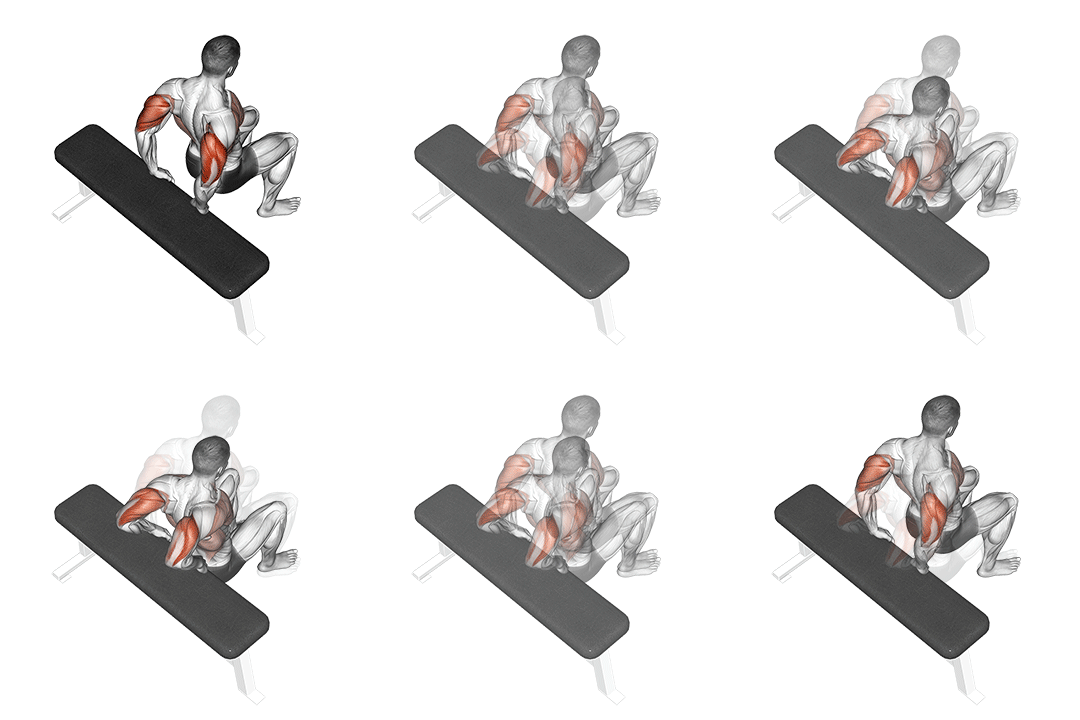
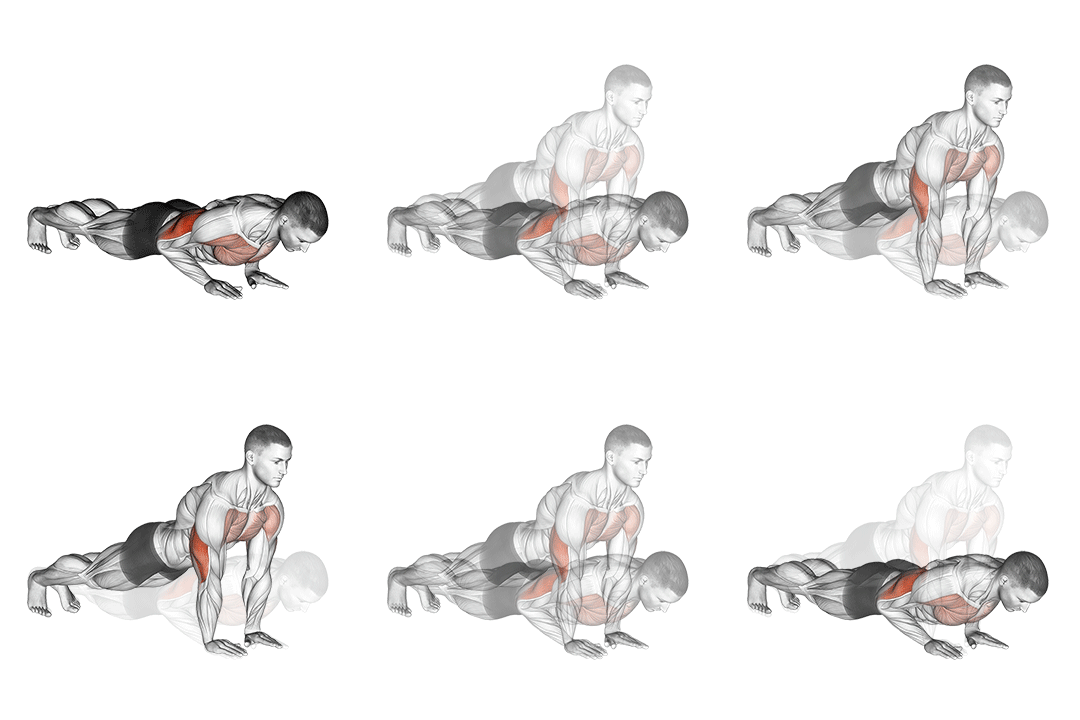
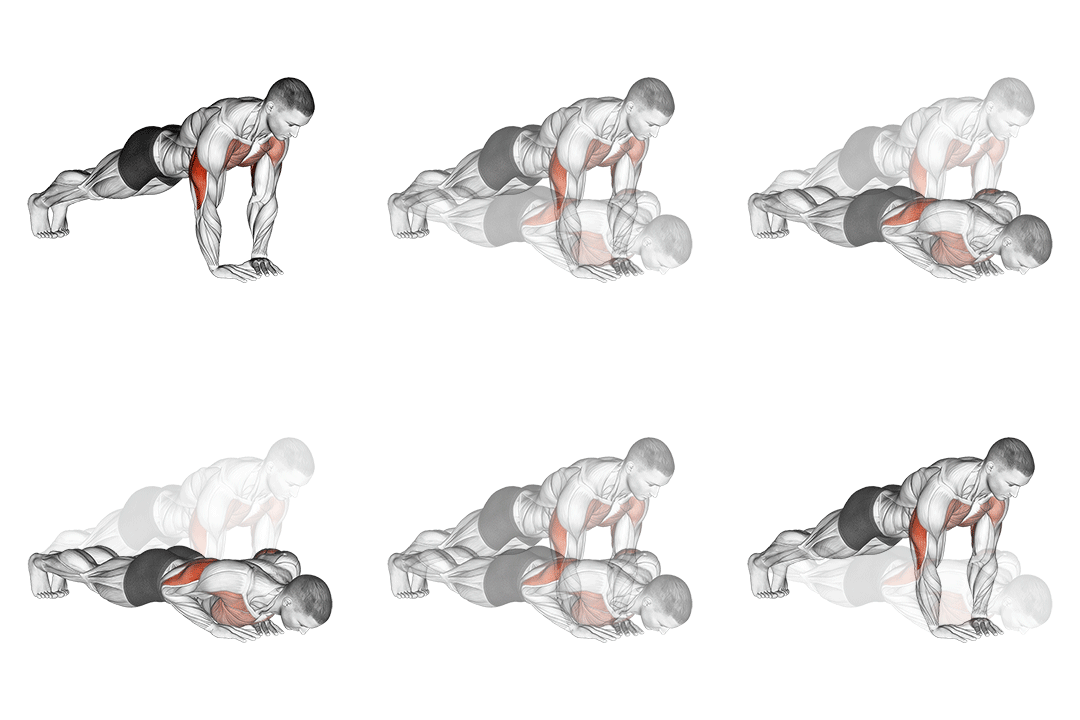
Bodyweight Kneeling Triceps Extension
intermediate strength exercise · body weight · targets triceps
- Body part
- upper arms
- Primary target
- triceps
- Equipment
- body weight
- Difficulty
- intermediate
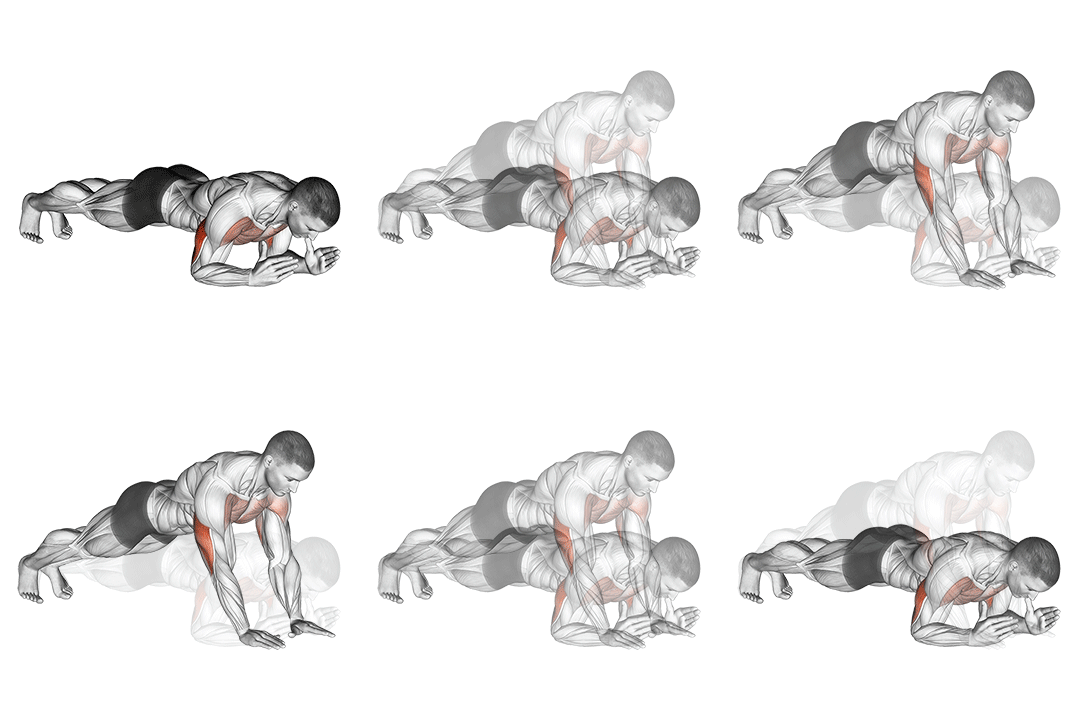
The bodyweight kneeling triceps extension is a misnamed exercise — despite the 'kneeling' label, the description is essentially a regular push-up performed with elbows tucked tight to the sides. The triceps emphasis comes from the elbow tracking: instead of letting the upper arms flare to roughly 45 degrees as in a standard push-up, the elbows stay glued to the ribs through the entire range. This single change shifts a meaningful portion of the load from the chest to the back of the upper arm. This variation is the closest most home trainees will get to a tricep-focused press without specialized equipment. Diamond push-ups are the more common version of the same idea, but the close-grip push-up with elbows tucked offers a more shoulder-friendly position for trainees with wrist issues from the diamond hand placement. It loads the long head of the triceps, builds lockout strength, and feeds directly into improvements in heavier pressing lifts (overhead press, bench press, weighted dips). The trade-off versus a standard push-up is that fewer reps are possible — the triceps fatigue much faster than the chest because they're a smaller muscle absorbing more of the load. Trainees who can rep out 30 standard push-ups often max out at 12-15 of these. That's appropriate; the goal isn't volume parity, it's targeted triceps stimulus. Programmed twice per week as accessory work, this exercise drives meaningful triceps growth and lockout strength even for trainees who otherwise stick to standard push-up volume.
Why train the Bodyweight Kneeling Triceps Extension?
- Loads the triceps through a full pressing range with bodyweight resistance — no equipment required.
- Builds the lockout strength that carries over to bench press, overhead press, and weighted dips.
- Develops the long head of the triceps through the elbow-tucked position.
- Provides a triceps-focused press without the wrist position challenges of a diamond push-up.
- Trains midline stability during the push-up plank, contributing to overall core conditioning.
- Pairs naturally with standard push-ups as a triceps-emphasis follow-up in upper-body sessions.
How to do the Bodyweight Kneeling Triceps Extension: step by step
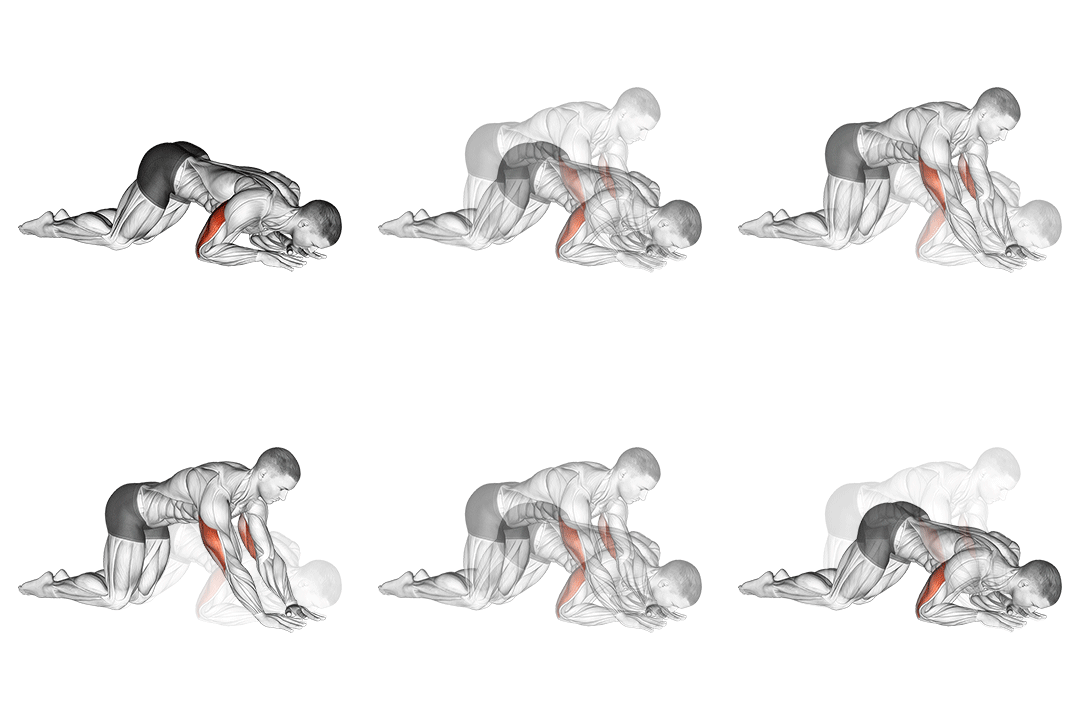
- 1Kneel down on the ground with your knees hip-width apart.
- 2Place your hands on the ground in front of you, shoulder-width apart, fingers pointing forward.
- 3Extend your legs straight behind you, balancing on your toes and hands, forming a straight line from head to heels.
- 4Bend your elbows and lower your upper body towards the ground, keeping your elbows close to your sides.
- 5Pause for a moment at the bottom, then push through your hands to straighten your arms and return to the starting position.
- 6Repeat for the desired number of repetitions.
Muscles worked
Primary
triceps
Secondary
shoulders, chest
Common mistakes to avoid
Letting the elbows flare to the sides
The whole point of the variation is the tucked elbow position. Flared elbows turn it back into a regular push-up, which works the chest more than the triceps. Imagine pinning a small object between each elbow and your ribcage throughout the rep.
Hips sagging during fatigue
As the triceps fatigue, the body wants to break alignment to make the rep easier. The hips drop, the lower back arches, and the pattern collapses. Brace the abs and glutes throughout — the body should travel as a single unit, not in segments.
Cutting the bottom range
Stopping the descent before the chest gets close to the ground reduces triceps work significantly. The bottom portion of the rep is where the triceps work hardest. Lower until the chest is within 2-3 inches of the floor before pressing back up.
Pushing too far forward
When pressing back up, some trainees push the body forward (like they're pushing the ground away rather than themselves up). The path should be vertical — the head and chest should rise, not move forward. A forward path shifts load away from the triceps and can stress the shoulders.
Doing too many reps with bad form
Triceps fatigue arrives quickly. The temptation is to grind through messy reps to hit a target rep count. Stop the set when form breaks down; the last 2-3 reps with bad form train no useful pattern and risk injury.
Easier and harder variations
Easier
Drop to your knees if a full plank position is too demanding. The kneeling version reduces total body weight on the arms by about 30%, making the exercise accessible to absolute beginners. Or perform with the hands elevated on a bench to reduce range and load.
Harder
Add a 2-second pause at the bottom of each rep — the time under tension dramatically increases triceps demand. Or progress to single-arm variants by alternating which arm bears more load. For maximum challenge, perform with feet elevated on a bench (decline position) to shift more bodyweight onto the arms.
Alternative exercises
Diamond push-up
Triceps-focused push-up variant with hands placed in a diamond shape under the chest. Loads the triceps even more aggressively but with a wrist position some trainees find uncomfortable.
Parallel bar dip
More demanding triceps press using parallel bars. Significantly more triceps load when bars are available.
Standard push-up
Less triceps focus but more chest emphasis — pair with the close-grip version for full upper-body pressing balance.
How to program the Bodyweight Kneeling Triceps Extension into your training
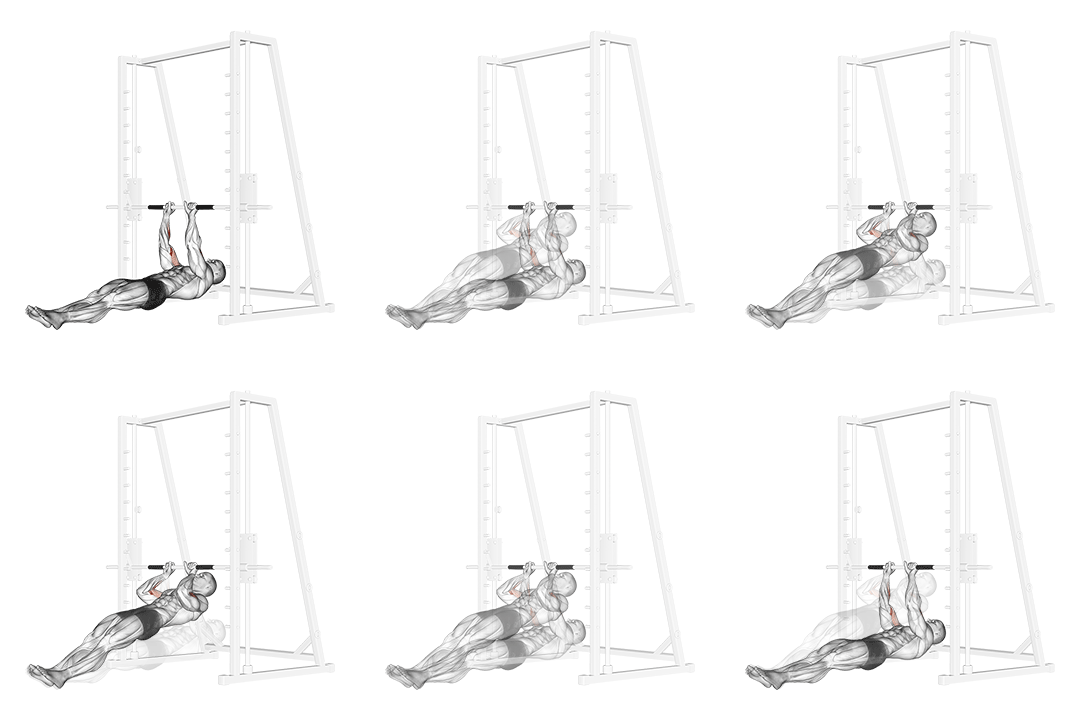
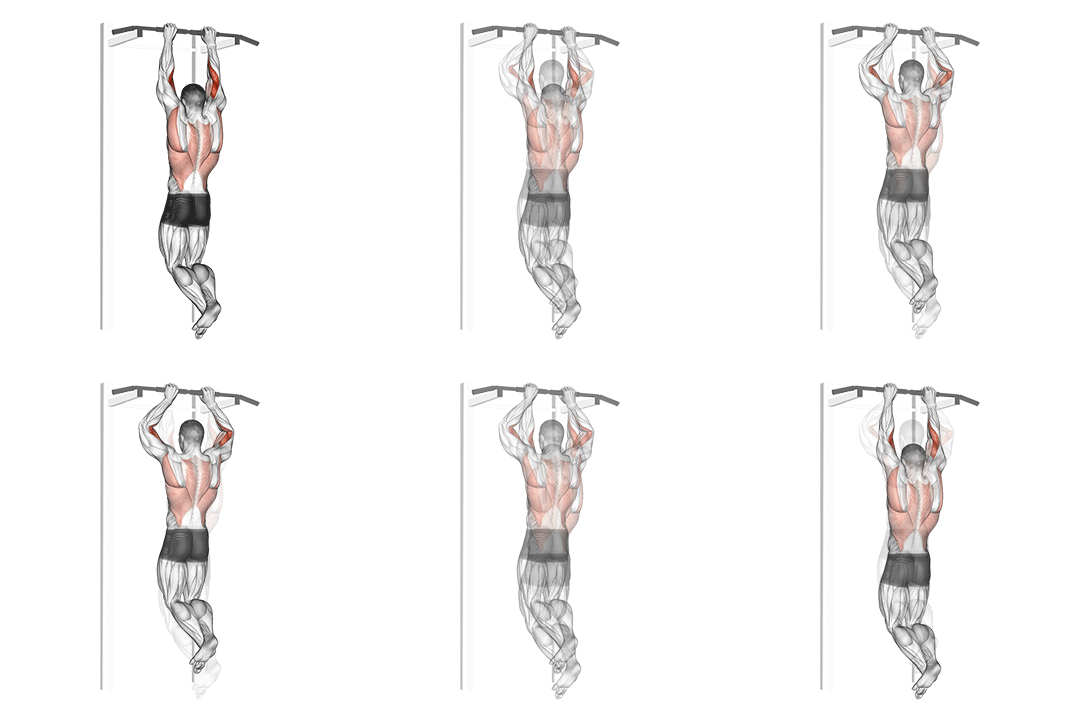
The bodyweight kneeling triceps extension fits as either a primary triceps-focus exercise or as an accessory to standard push-ups. Position depends on the program structure. As primary triceps work: 4 sets of 8-12 reps with 60-90 seconds rest. Quality matters more than count — sloppy reps train no useful pattern. Progress to 4 sets of 12-15 once form is automatic. As accessory after standard push-ups: 3 sets of 8-10 reps with 60 seconds rest, performed after primary push-up volume. The pre-fatigued chest means the triceps work even harder. Frequency: 2-3 times per week is the sweet spot. The triceps recover within 48 hours, so this fits a standard upper-body split well. Typical session: 4 sets of 10 standard push-ups, 3 sets of 8 close-grip push-ups, 4 sets of 6 pull-ups, 3 sets of 10 inverted rows, 3 sets of 30-second hollow holds. Performed twice per week, this provides balanced upper-body stimulus. For those new to the variant: start with 2-3 sets of 5-6 reps with a 1-second pause at the bottom. The pause builds the position-specific strength that lets you handle more volume safely. For lockout strength building: 5 sets of 6 reps with 90-120 seconds rest, performed once per week. This higher-intensity, lower-volume approach builds the lockout strength that carries over to bench press and overhead press. Don't program close-grip push-ups on the same day as heavy bench or overhead pressing — the cumulative triceps load can exceed what the joint tolerates without irritation.
Recovery and frequency
Triceps recovery is fast — 24-48 hours between sessions is the maximum needed. The shoulders and elbows take the bulk of the joint stress, but the position is shoulder-friendly compared to dips, so wear-and-tear concerns are lower. The main warning signs are sharp inner elbow pain (medial epicondylitis), wrist soreness from prolonged plank position, and shoulder popping during reps. Wrist soreness can be addressed with prayer stretches and wrist circles before sets. Inner elbow pain warrants reducing volume and adding eccentric forearm work. Shoulder popping that's pain-free is usually harmless; popping with pain suggests rotator cuff irritation and warrants attention. Standard triceps soreness in the muscle belly fades within 48 hours and indicates appropriate stimulus.
Frequently asked questions
How many sets and reps of close-grip push-ups should I do?
4 sets of 8-12 reps as primary triceps work, or 3 sets of 8-10 as accessory after standard push-ups. Progress to higher reps once form is automatic. The triceps fatigue fast, so don't expect to hit standard push-up rep counts.
How often should I do this exercise?
2-3 times per week works well. The triceps recover in 24-48 hours, so this fits a standard upper-body split or full-body program.
Close-grip push-up vs diamond push-up: which is better?
Diamond push-ups load the triceps slightly more but the wrist position bothers some trainees. Close-grip push-ups (this exercise) offer most of the triceps benefit with a more comfortable wrist position. Either works; choose based on wrist comfort.
How is this different from a regular push-up?
The elbows track tight to the ribs throughout the rep instead of flaring out at 45 degrees. This single change shifts significant load from the chest to the triceps. Same plank position, same range; entirely different loading pattern.
Will this exercise help my bench press?
Often yes. The lockout strength built through close-grip push-ups carries over to the top portion of the bench press, which is where many lifters get stuck. Pair with regular bench work for compound benefit.
Why do my elbows hurt during this exercise?
Inner elbow pain often indicates medial epicondylitis (golfer's elbow) — usually from too much volume too soon. Reduce volume to 2-3 sets of 5-6 reps and rebuild gradually. If pain persists, see a physiotherapist before continuing.
Useful tools for this exercise
Build a workout with the Bodyweight Kneeling Triceps Extension
Puna gives you guided bodyweight workouts you can do anywhere — no equipment, no gym, just structured progressions that build real strength.