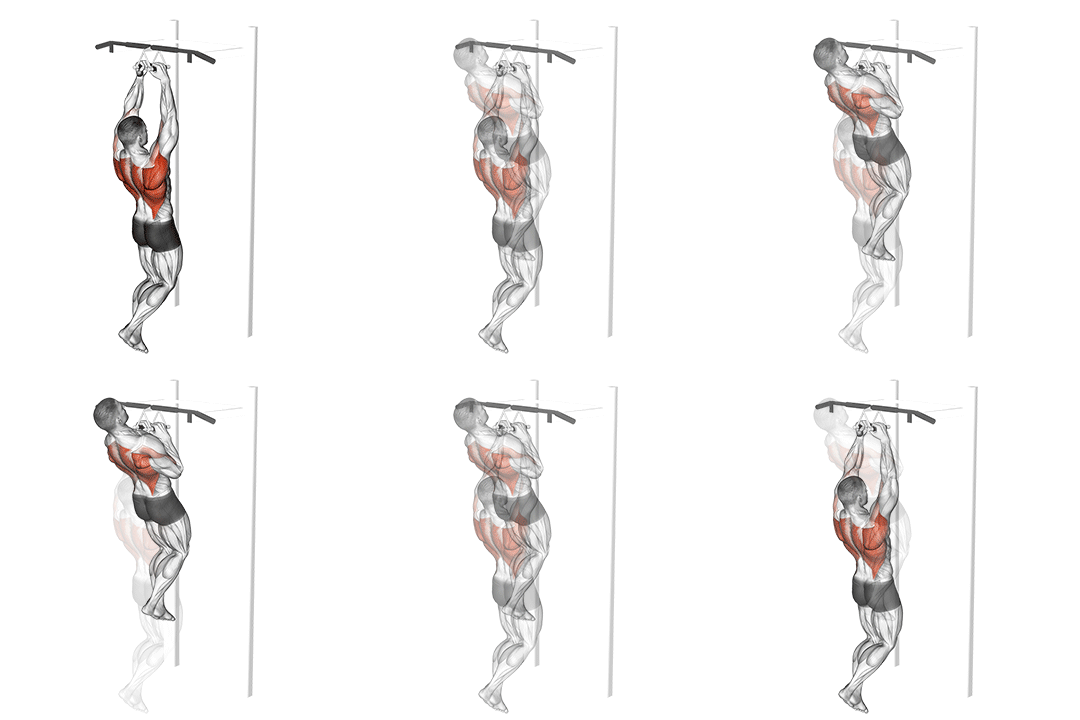
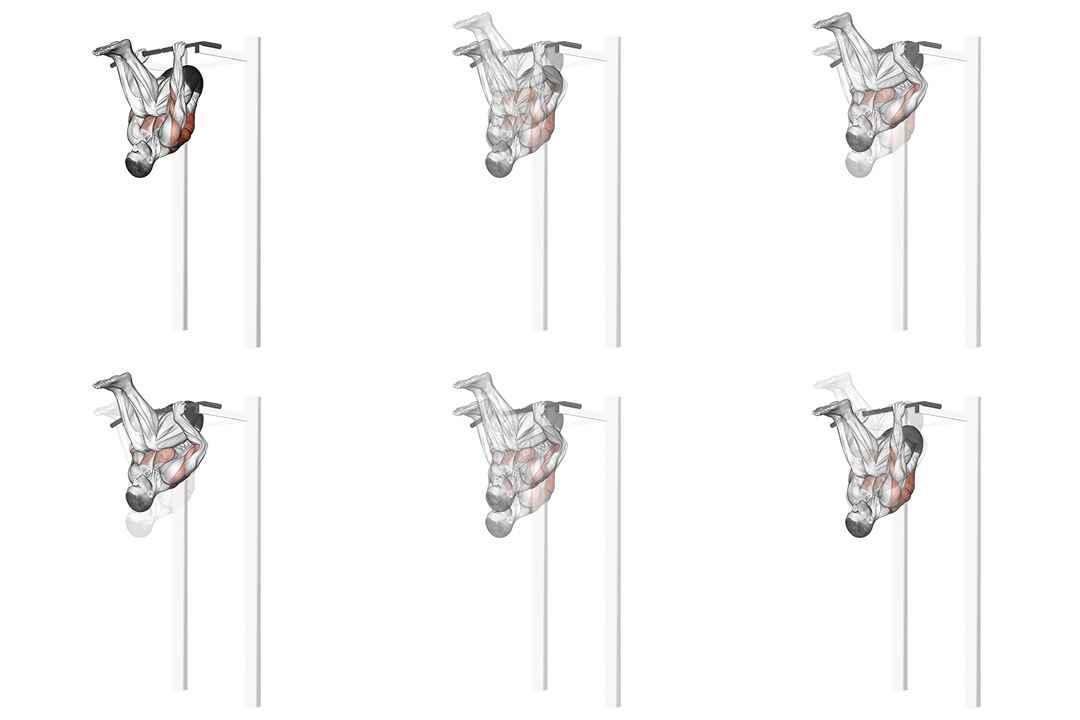
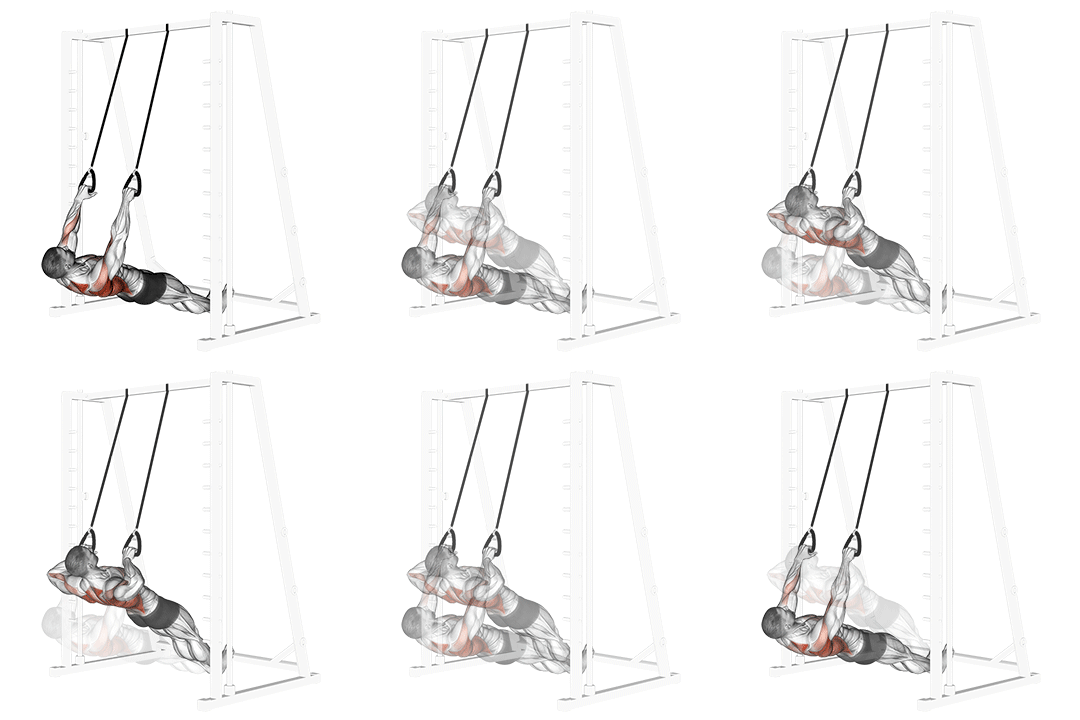
Wide Grip Rear Pull-up
advanced strength exercise · body weight · targets lats
- Body part
- back
- Primary target
- lats
- Equipment
- body weight
- Difficulty
- advanced
The wide grip rear pull-up combines two demanding pull-up variations: the wide-grip position (hands significantly wider than shoulder-width) and the rear pull-up motion (pulling the body up so the bar comes behind the neck rather than to the chin in front). The combination creates one of the most demanding back exercises in calisthenics, requiring both significant strength and exceptional shoulder mobility. This is an advanced specialty exercise that very few trainees should attempt. The wide-grip behind-the-neck position concentrates extreme load on the shoulders in vulnerable external rotation. Without sufficient mobility, it causes impingement and rotator cuff strain. With sufficient mobility, it provides upper-back development that other variations don't match. For most trainees, standard wide-grip pull-ups (front, not behind the neck) provide nearly all the same back development with much lower injury risk. Reserve wide-grip rear pull-ups for advanced calisthenics athletes with demonstrated shoulder mobility and a specific reason to train this position.
Why train the Wide Grip Rear Pull-up?
- Maximum upper back and rear delt emphasis.
- Builds back development that no other pull-up variation matches.
- Provides extreme calisthenics goal.
- Carries over to specific gymnastics positions.
- Trains shoulder external rotation under load.
- Requires only a pull-up bar.
How to do the Wide Grip Rear Pull-up: step by step
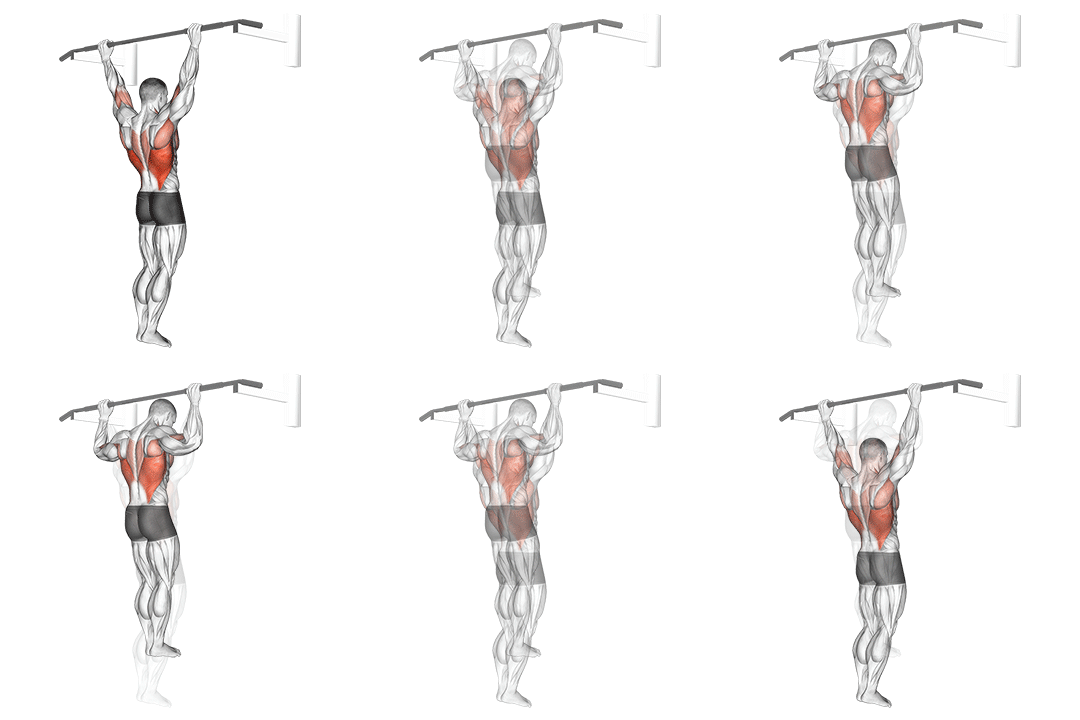
- 1Grab the pull-up bar with a wide overhand grip, hands slightly wider than shoulder-width apart.
- 2Hang from the bar with your arms fully extended and your body straight.
- 3Engage your back muscles and pull your body up towards the bar, leading with your chest.
- 4Continue pulling until your chin is above the bar.
- 5Pause for a moment at the top, then slowly lower your body back down to the starting position.
- 6Repeat for the desired number of repetitions.
Muscles worked
Primary
lats
Secondary
biceps, forearms
Common mistakes to avoid
Performing without sufficient shoulder mobility
The behind-the-neck wide-grip position requires extreme shoulder external rotation. Without it, this exercise causes serious shoulder injury.
Going too deep at the top
Bringing the bar to the back of the neck stresses the cervical spine. Bring it only as low as the upper traps without forcing.
Using too wide a grip
Stick to 1.5-1.75x shoulder-width. Wider doesn't increase back work but does increase shoulder stress.
Skipping prerequisite work
Don't attempt without 15+ strict standard pull-ups, demonstrated shoulder mobility, and standard wide-grip pull-up experience.
Performing them with cold shoulders
Spend 10+ minutes on shoulder mobility before the first set.
Easier and harder variations
Easier
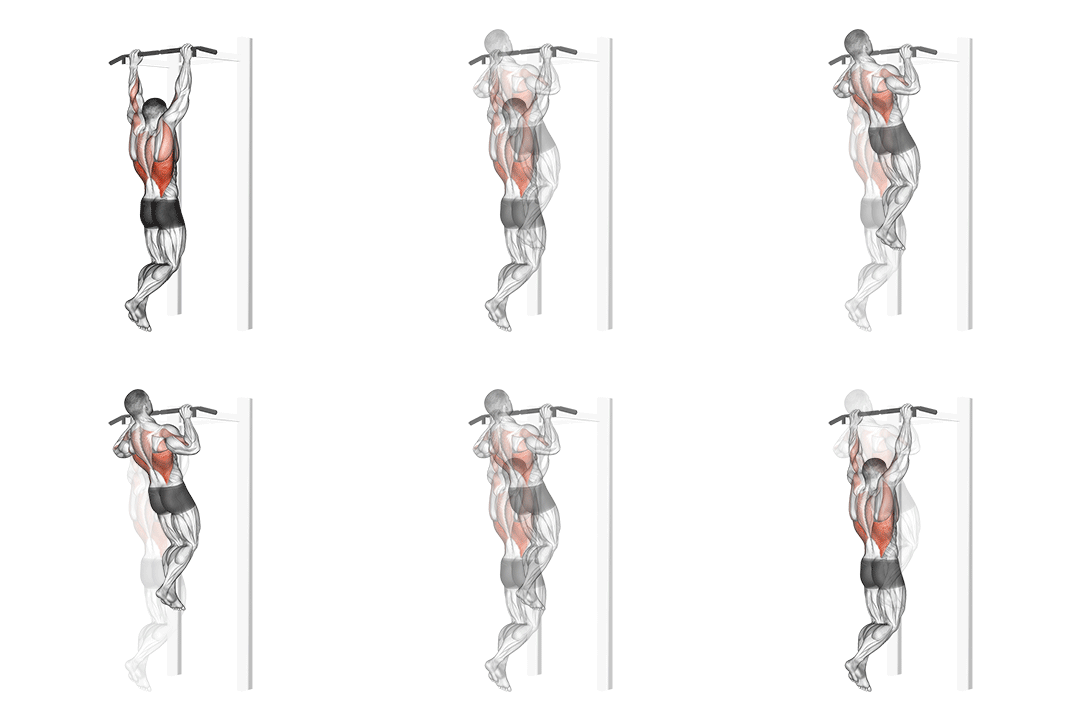
Standard wide-grip pull-ups (front, not behind neck). Standard rear pull-ups with shoulder-width grip. Or partial-range wide grip rear pull-ups.
Harder
Add weight (advanced trainees only). Or progress to behind-the-neck press training.
Alternative exercises
Wide-grip pull-up (front)
Same wide-grip emphasis without the behind-the-neck shoulder demand. Much safer and similarly effective for back width.
Rear pull-up (shoulder-width)
Same behind-the-neck pattern with narrower grip. Less shoulder demand.
Lat pulldown (front, wide grip)
Machine version that allows for heavier loading without the shoulder mobility demand.
How to program the Wide Grip Rear Pull-up into your training
Wide-grip rear pull-ups are extreme specialty work. Most trainees never need them. Sets and reps: 3 sets of 3-6 reps with 90-120 seconds rest. Total weekly volume of 9-18 reps maximum. In a back-focused session: 4 sets of 8 standard pull-ups (main pulling), 3 sets of 4 wide-grip rear pull-ups (specialty), 3 sets of 10 inverted rows, 3 sets of 30-second hollow holds. Do not program more than once per week. Reserve for advanced trainees with specific goals.
Recovery and frequency
Wide-grip rear pull-ups are extremely demanding on the shoulders. 96 hours between sessions is the right cadence. Watch for any shoulder pain — back off immediately if it appears.
Frequently asked questions
How many sets and reps should I do?
3 sets of 3-6 reps with 90-120 seconds rest.
How often should I train this?
1 time per week max with 96 hours of recovery.
Are wide-grip rear pull-ups bad for the shoulders?
For trainees without sufficient mobility, yes — they cause real shoulder injuries. For very advanced trainees with proper preparation and demonstrated mobility, they build extreme upper back development.
Should beginners attempt wide-grip rear pull-ups?
No — they're vastly overkill and dangerous without prerequisites. Standard wide-grip pull-ups provide nearly all the same benefits with much lower risk.
How do I know if I have the mobility?
Can you comfortably hold a barbell behind your neck overhead, with arms in W position, for 30+ seconds? If yes, you have basic mobility. If no, work on shoulder mobility for months before attempting this exercise.
Wide-grip rear vs wide-grip front pull-up: which is better?
Wide-grip front pull-ups are better for almost everyone — similar back development, much lower injury risk. Use the rear variation only if you have a specific reason and adequate preparation.
Useful tools for this exercise
Build a workout with the Wide Grip Rear Pull-up
Puna gives you guided bodyweight workouts you can do anywhere — no equipment, no gym, just structured progressions that build real strength.