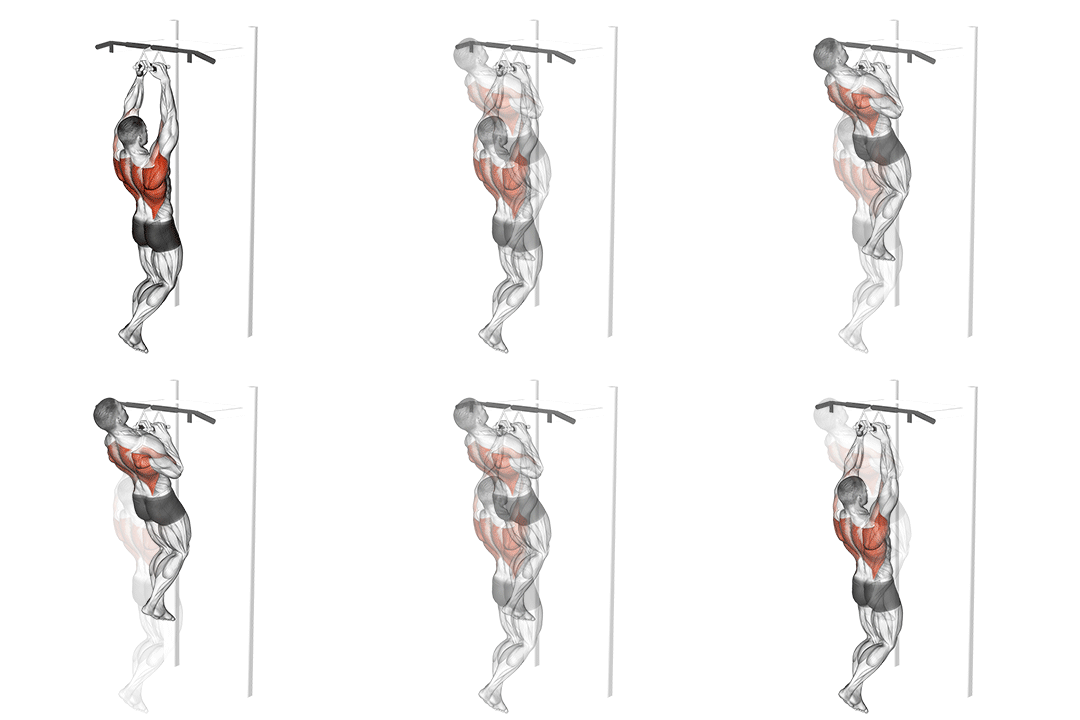
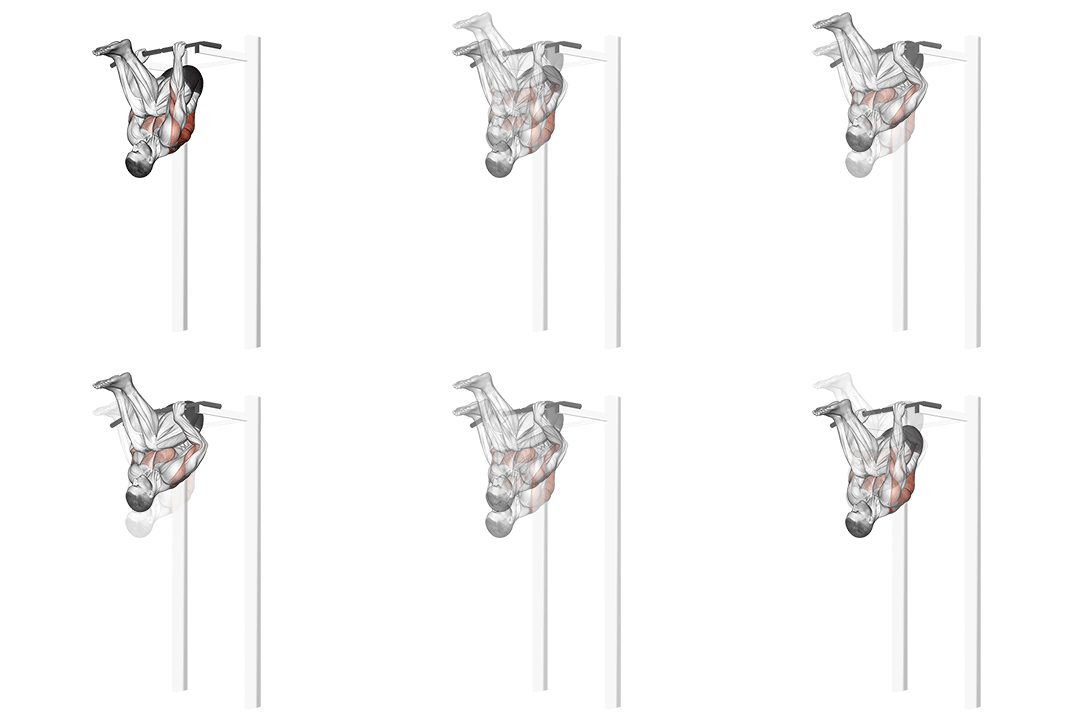
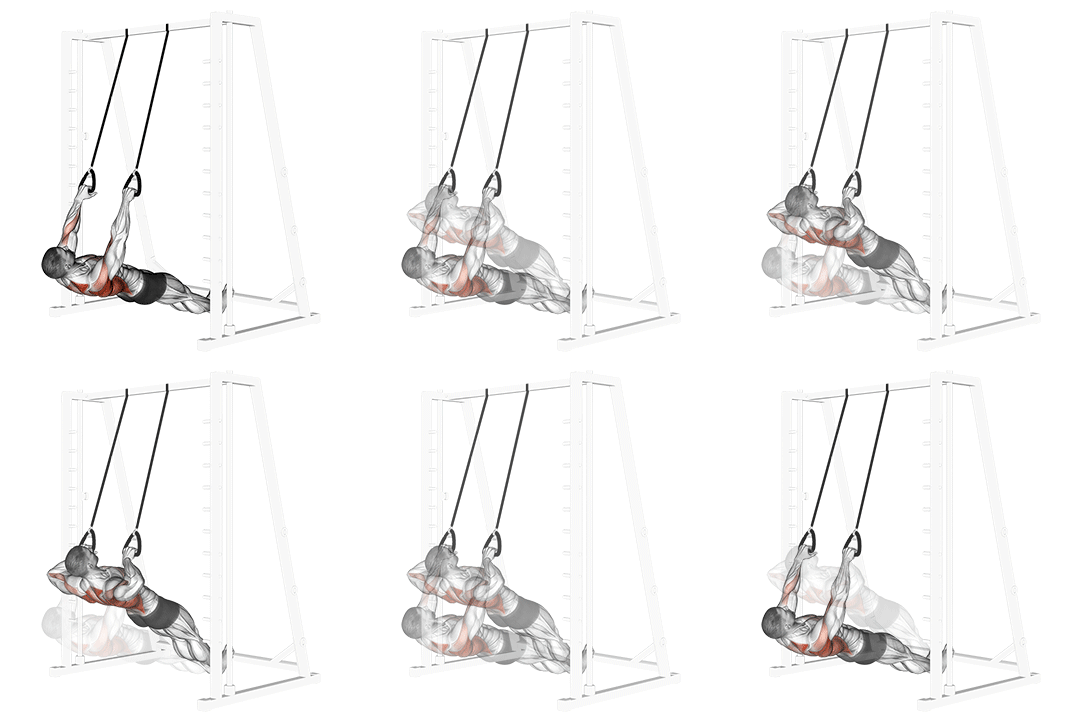
Wide Grip Pull-up
advanced strength exercise · body weight · targets lats
- Body part
- back
- Primary target
- lats
- Equipment
- body weight
- Difficulty
- advanced
The wide-grip pull-up takes the standard pull-up and moves the hands significantly wider than shoulder-width — typically 1.5x shoulder-width or more — with palms facing away. The wider hand position dramatically shifts the loading pattern: more emphasis on the lats (especially the upper portion that creates back width), less emphasis on the biceps and forearms. The result is the most lat-focused pull-up variation available. This is the version bodybuilders and physique athletes use for back width development. The wide grip restricts the bicep contribution and forces the lats to do more of the work, which drives more lat-specific muscle growth over time. Visible 'V-taper' development — wider lats relative to the waist — comes faster from wide-grip pull-ups than from any other pulling variation. The trade-off is the difficulty. Wide-grip pull-ups are typically 15-25% harder than standard pull-ups for the same trainee, because the biceps can't contribute as much. Most people who can do 8-10 standard pull-ups can only do 5-7 wide-grip versions. The exercise also stresses the shoulders more than narrower grips — work the wide grip cautiously and back off if you feel any front-shoulder pain.
Why train the Wide Grip Pull-up?
- Maximum lat emphasis of any pull-up variation — best for back width development.
- Builds the V-taper appearance more efficiently than standard pull-ups.
- Reduces bicep involvement, useful for trainees who want to isolate back work.
- Provides progression for trainees who have outgrown standard pull-ups.
- Carries over to most pulling exercises by strengthening the lats specifically.
- Useful for athletes whose sport requires strong lat engagement (climbing, gymnastics, swimming).
How to do the Wide Grip Pull-up: step by step
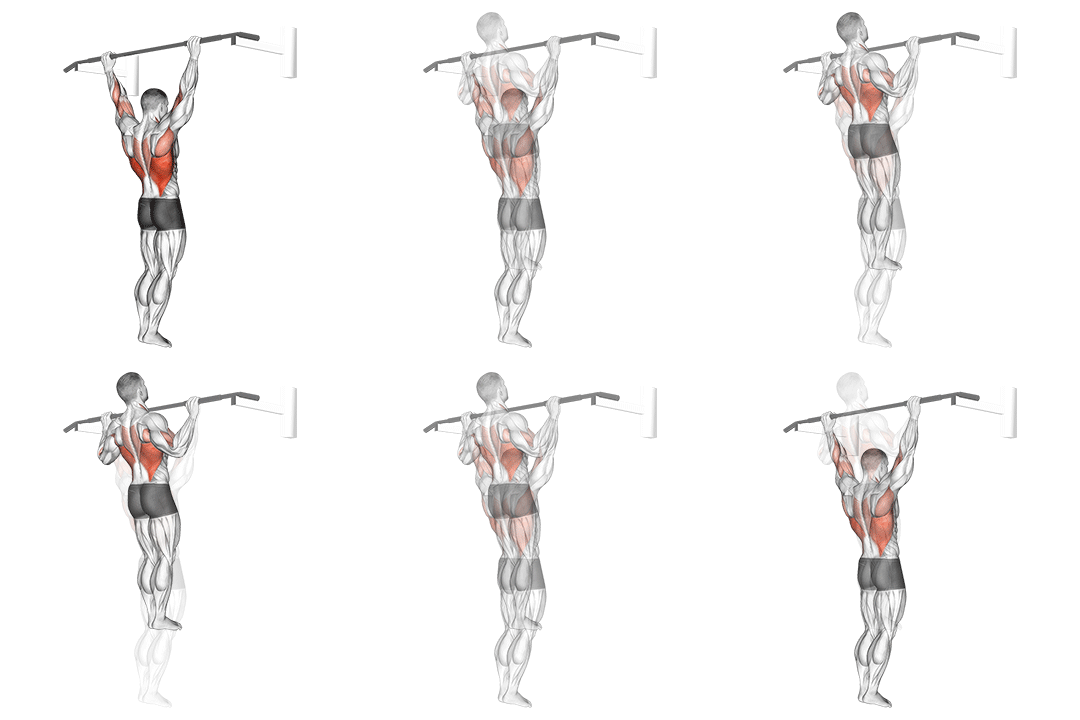
- 1Hang from a pull-up bar with your palms facing away from you and your hands wider than shoulder-width apart.
- 2Engage your core and squeeze your shoulder blades together.
- 3Pull your body up towards the bar until your chin is above the bar.
- 4Lower your body back down to the starting position with control.
- 5Repeat for the desired number of repetitions.
Muscles worked
Primary
lats
Secondary
biceps, forearms
Common mistakes to avoid
Going too wide for your shoulder mobility
Extreme wide grips (more than 2x shoulder-width) stress the shoulder joint more than they help the lats. Stick to 1.5-1.75x shoulder-width for most trainees — wider doesn't necessarily mean better.
Cutting depth at the top
Some people stop the pull when their chin reaches bar height. For lat focus, drive higher — bring the chest toward the bar so the lats fully contract. The extra range matters.
Not engaging the lats first
Before each rep, pack the shoulders down and back (drive them away from the ears) — this activates the lats. Pulling without this cue makes the exercise more bicep-focused even with the wide grip.
Kipping or swinging
Strict form is even more important with wide grips because the shoulder is in a more vulnerable position. Don't use momentum — if you can't pull strictly, regress to negatives or assisted variations.
Skipping the prerequisite work
Trying wide-grip pull-ups when you can't yet do 5+ standard pull-ups usually leads to shoulder strain. Build standard pull-up strength first; add the wide grip as a progression.
Easier and harder variations
Easier
Standard pull-ups (shoulder-width grip) for the easier variation. Or wide-grip negatives (jump or step to the top, lower slowly for 5-10 seconds). Or bench-assisted wide-grip pull-ups.
Harder
Add weight (a vest or weight belt with a plate). Slow the tempo (3 seconds down, 1-second pause, 1 second up). Or progress to wide-grip behind-the-neck pull-ups (advanced and shoulder-mobility-dependent).
Alternative exercises
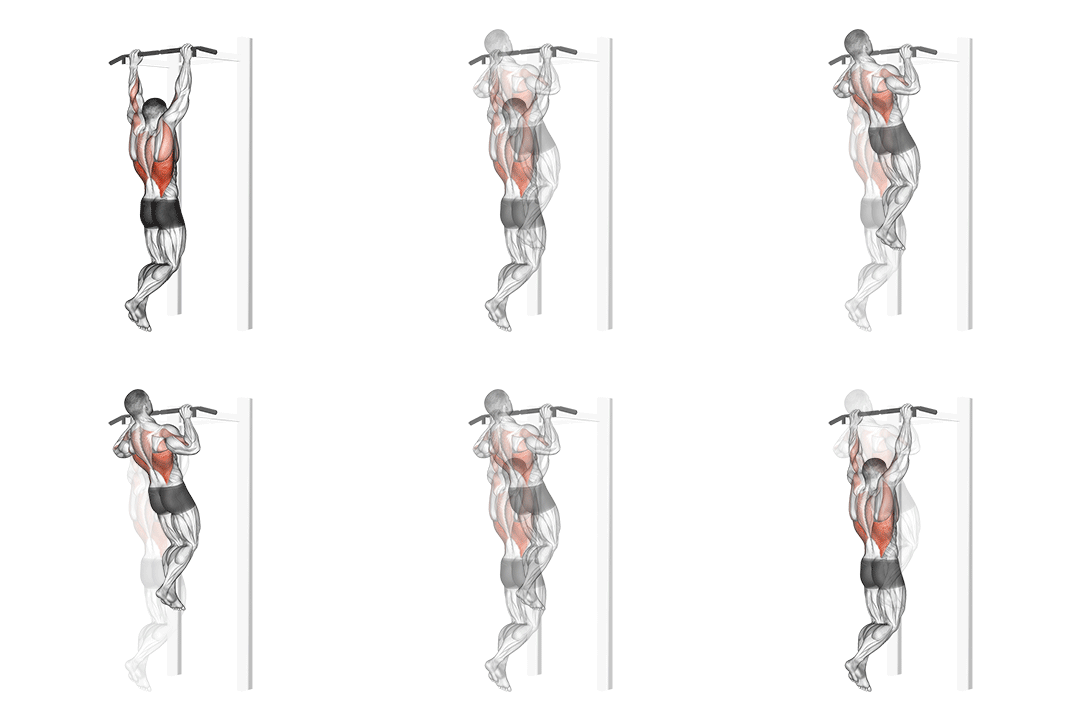
Standard pull-up
Shoulder-width grip with similar lat focus but less aggressive shoulder demand. The default vertical pulling exercise.
Lat pulldown
Machine version of the same movement. Allows for heavier and more progressive loading on the lats.
Inverted row (wide grip)
Horizontal pulling with wide hand placement. Trains similar muscles at lower load — useful for complementary work.
How to program the Wide Grip Pull-up into your training
Wide-grip pull-ups work as either the primary vertical pulling exercise or as a complement to standard pull-ups in a complete back program. For strength: 4 sets of 4-8 reps with 90-120 seconds rest, 2-3 times per week. Total weekly volume of 30-50 reps drives most adaptations. In a back-focused session: 4 sets of 6 wide-grip pull-ups (lat emphasis), 4 sets of 8 standard pull-ups or chin-ups (balanced pulling), 3 sets of 10 inverted rows (horizontal pulling), 3 sets of 30-second hollow holds (core). For V-taper development specifically, run a 6-8 week block with wide-grip pull-ups twice per week as the primary movement. Progress from 3 sets of 6 to 4 sets of 8 over the block. For advanced trainees: alternate weeks between wide-grip and standard pull-ups to provide variety while continuing both. Programming variety prevents stagnation and keeps the shoulders happy. Do not program wide-grip pull-ups on consecutive days — the shoulder demand requires recovery.
Recovery and frequency
Wide-grip pull-ups load the lats, posterior delts, and shoulders. 48-72 hours between sessions is the right cadence. The shoulders are usually the limiting recovery factor — if the front of the shoulder feels achy after wide-grip sessions, reduce frequency or volume. Elbow tendinopathy can develop if volume ramps too aggressively. Build slowly. Foam roll the lats weekly to maintain the thoracic mobility this kind of pulling demands. Sleep and standard recovery practices cover the rest.
Frequently asked questions
How many sets and reps of wide-grip pull-ups should I do?
4 sets of 4-8 reps with 90-120 seconds rest, 2-3 times per week. Total weekly volume of 30-50 reps.
How often should I train the wide-grip pull-up?
2 times per week max with 48-72 hours between sessions. The shoulders need recovery between sessions.
Wide-grip vs standard pull-ups: which is better?
Different tools. Wide-grip is more lat-specific and better for back width. Standard pull-ups are more balanced and easier on the shoulders. For complete development, alternate between them.
Will wide-grip pull-ups make my back wider?
Yes — they're one of the most direct ways to build lat width. Visible changes typically appear within 2-4 months of consistent training combined with adequate calorie intake.
Why do my shoulders hurt during wide-grip pull-ups?
Usually because the grip is too wide for your shoulder mobility, you're cutting depth (not engaging the lats fully), or you have pre-existing shoulder issues that this exercise reveals. Reduce grip width and check form. If pain persists, consult a physical therapist.
How wide should the grip be?
1.5-1.75x shoulder-width works for most trainees. Going wider doesn't necessarily increase lat work but does increase shoulder stress. Find the width where you feel the lats clearly working without shoulder discomfort.
Useful tools for this exercise
Build a workout with the Wide Grip Pull-up
Puna gives you guided bodyweight workouts you can do anywhere — no equipment, no gym, just structured progressions that build real strength.