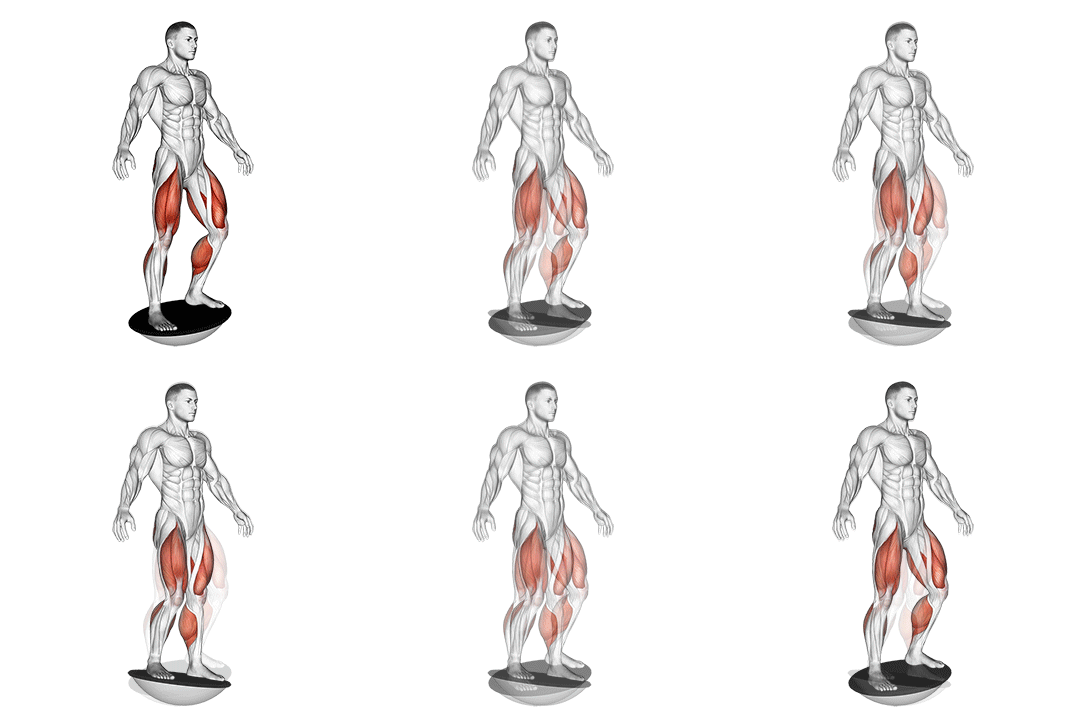
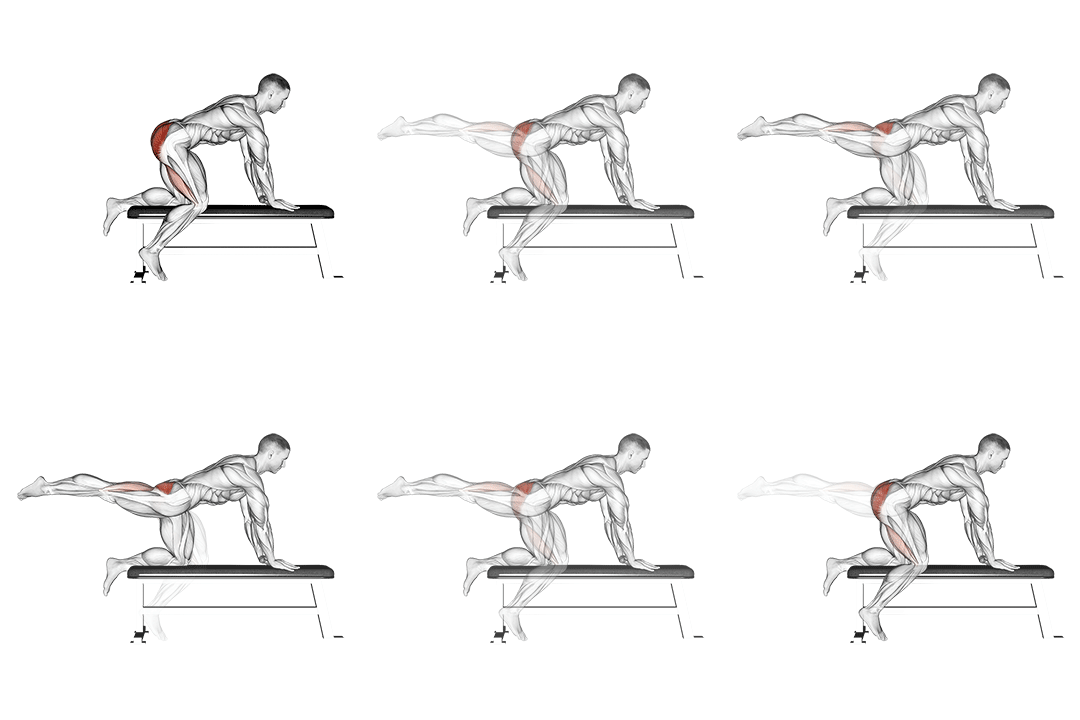
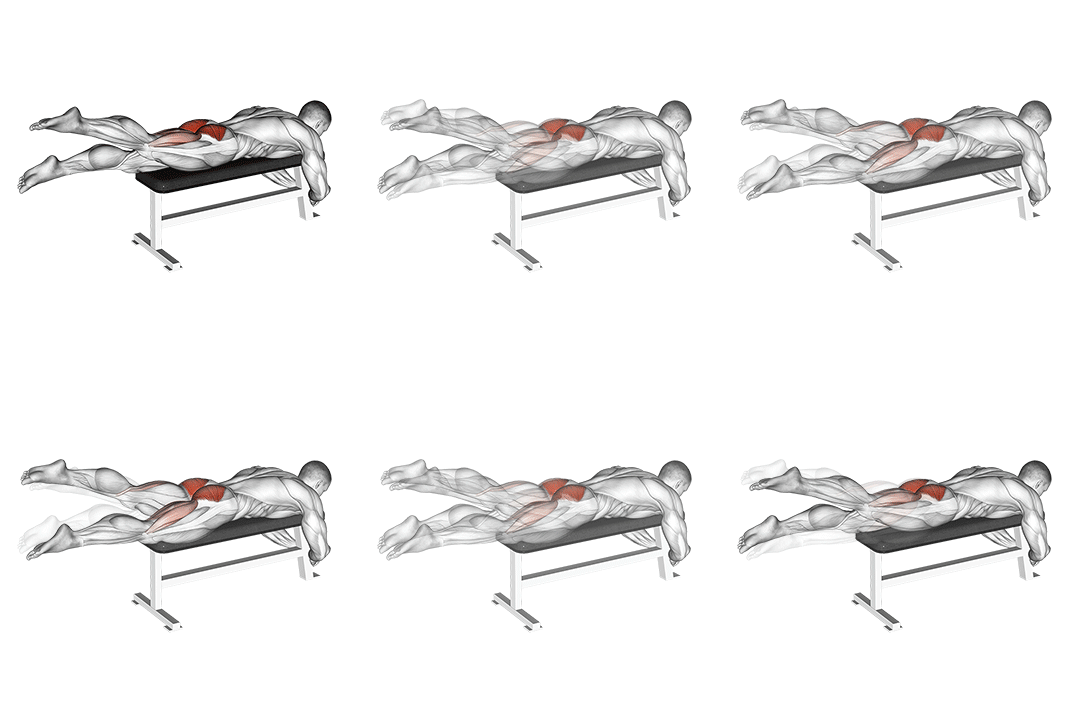
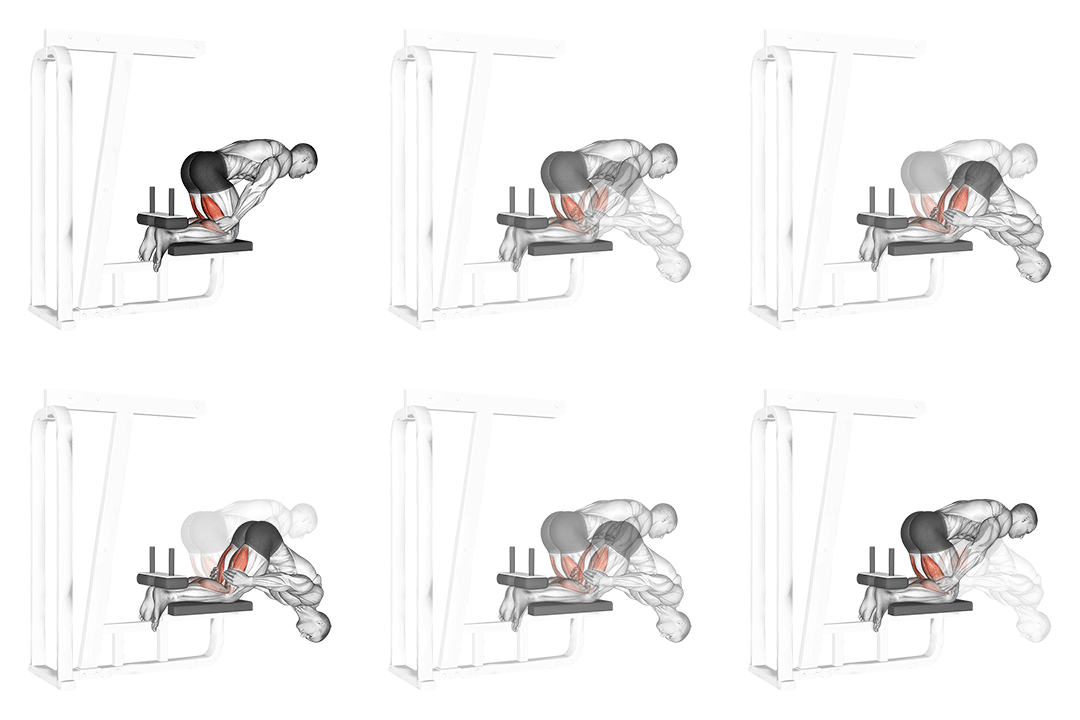
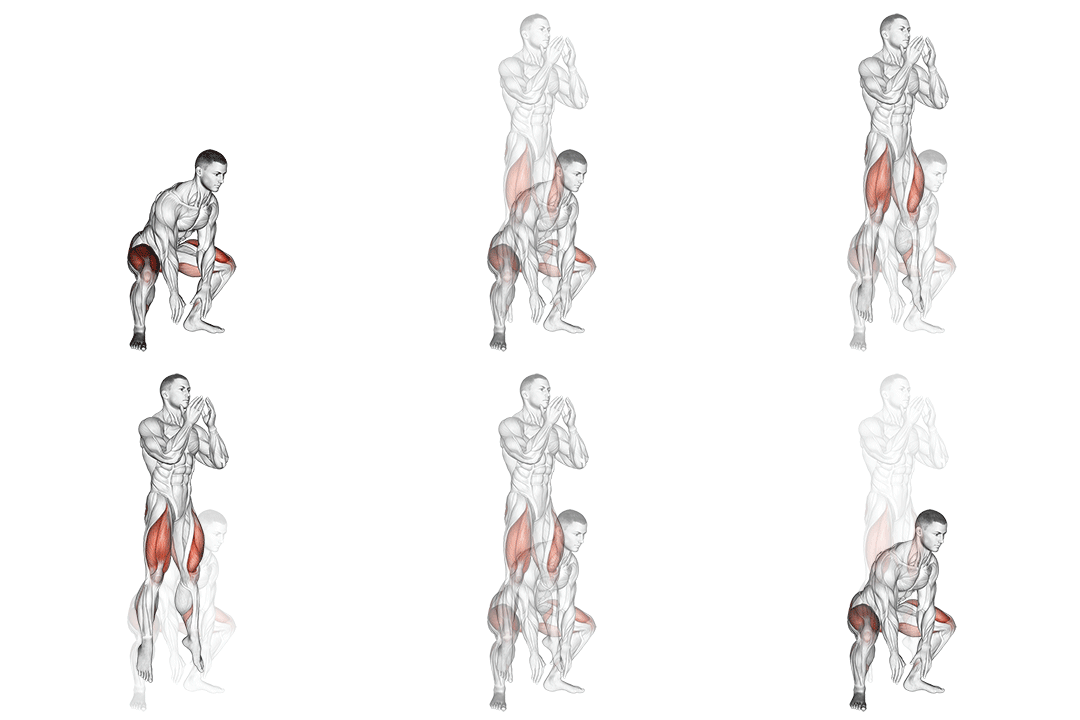
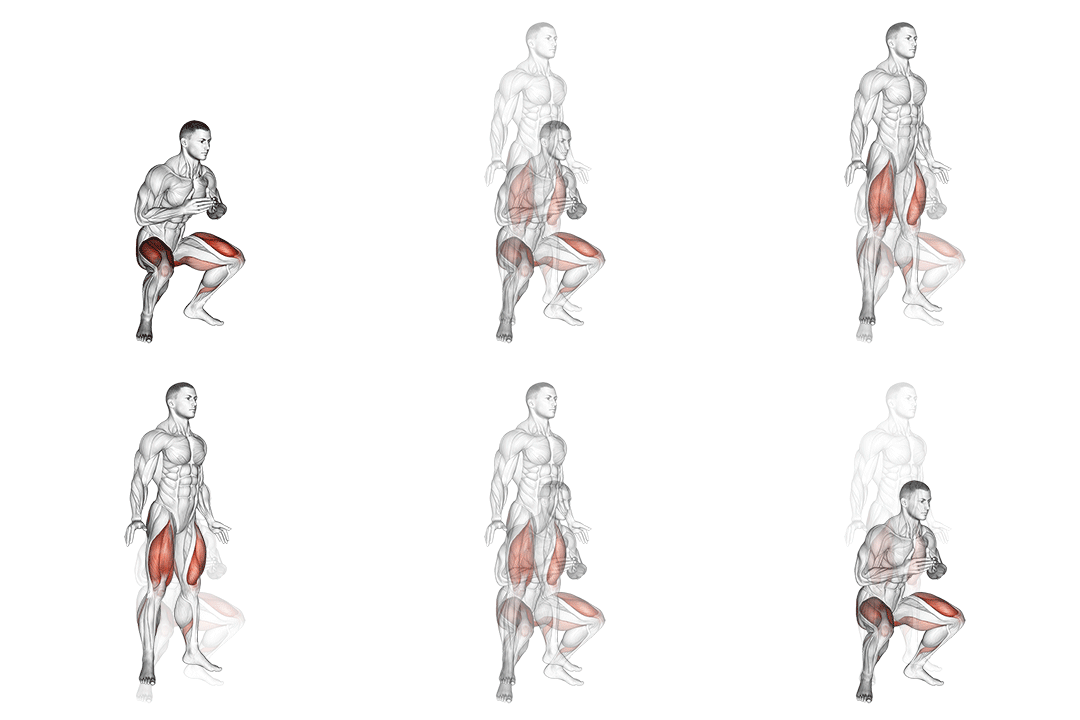
Twist Hip Lift
intermediate strength exercise · body weight · targets glutes
- Body part
- upper legs
- Primary target
- glutes
- Equipment
- body weight
- Difficulty
- intermediate
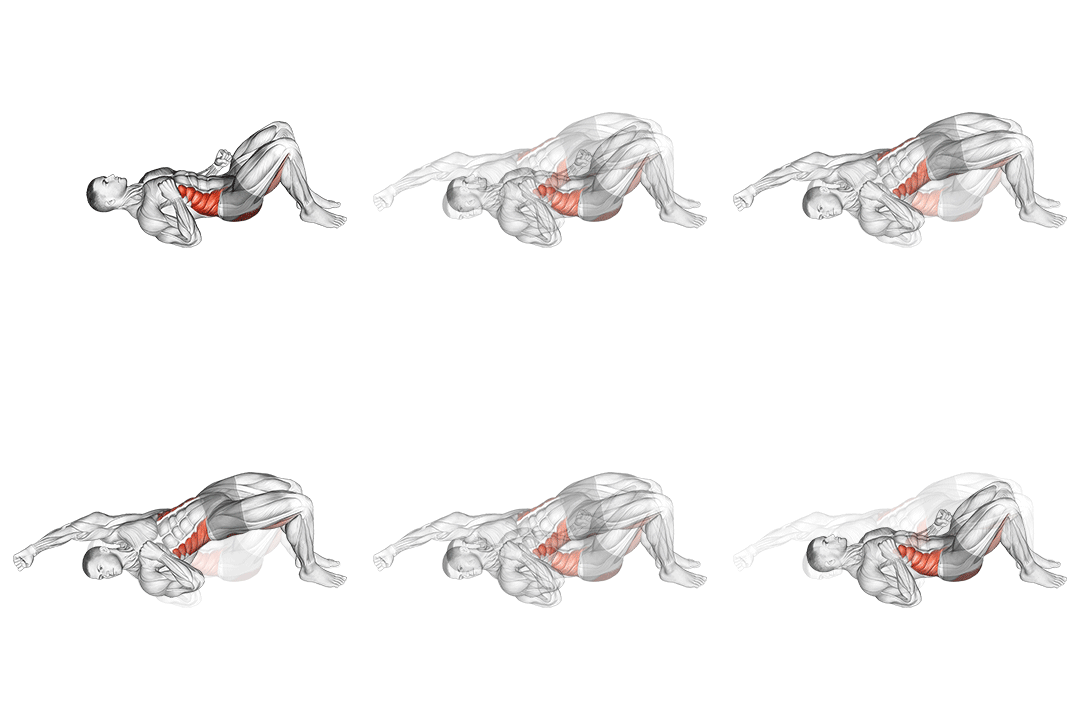
The twist hip lift is a glute exercise that combines a basic hip lift (glute bridge) with a deliberate rotational twist of the pelvis at the top of each rep. The combination engages the glute maximus through the hip extension while the obliques work through the rotation, producing a hybrid glute-and-core exercise. The motion is more demanding than a standard glute bridge due to the added rotational requirement. This variation addresses both glute development and rotational core control simultaneously. Most glute exercises (bridges, hip thrusts, squats) work the glute maximus through pure hip extension; the twist hip lift adds the lateral and rotational components that single-plane exercises miss. For trainees in rotational sports or those addressing asymmetric glute weakness, the twist component provides specific benefits beyond standard bridges. Where this earns its place is in advanced glute programming or in athletic training contexts. The trade-off is the technical complexity — the rotation must be controlled, not jerky, to produce benefit rather than spinal stress. For trainees with appropriate prerequisites (clean glute bridges with proper engagement), the twist hip lift adds useful variety to glute training.
Why train the Twist Hip Lift?
- Combines glute maximus training with oblique and rotational work.
- Addresses asymmetric glute weakness through unilateral peak emphasis.
- Trains the core rotation that compound lower-body lifts under-train.
- Provides variety in glute programming for trainees who've outgrown standard bridges.
- Useful for athletes in rotational sports.
- Builds the integrated glute-core control needed for athletic performance.
How to do the Twist Hip Lift: step by step
- 1Lie on your back with your knees bent and feet flat on the ground.
- 2Place your hands by your sides for support.
- 3Engage your glutes and lift your hips off the ground, forming a straight line from your knees to your shoulders.
- 4While keeping your hips lifted, twist your lower body to the right side, bringing your knees towards the ground.
- 5Return to the starting position and repeat the twist to the left side.
- 6Continue alternating twists for the desired number of repetitions.
Muscles worked
Primary
glutes
Secondary
obliques, hamstrings
Common mistakes to avoid
Twisting from the lumbar spine
The rotation should come from the hips, not the lower back. Lumbar twisting under load stresses the discs.
Bouncing through the twist
Slow controlled rotation produces the benefit. Fast jerky motion stresses the spine.
Insufficient base bridge
Master standard glute bridges (3 sets of 15-20 strict reps) before adding the twist component.
Hyperextending at the top
Stop the lift at neutral hip extension. Going further hyperextends the spine.
Programming too aggressively
2 sessions per week is appropriate. The combined demand benefits from recovery.
Easier and harder variations
Easier
Skip the twist initially — perform standard glute bridges until 15-20 strict reps feel easy. Or reduce twist intensity.
Harder
Add weight (vest or weight against pelvis). Or progress to single-leg twist hip lifts. Or hold the twisted top position 2-3 seconds per rep.
Alternative exercises
Standard glute bridge
Simpler version. Use as foundation; twist as variation.
Hip thrust
More effective glute exercise with shoulders elevated. Pair both for compound glute work.
Russian twist
Pure rotational core work. Pair with twist hip lift for compound rotation training.
How to program the Twist Hip Lift into your training
Sets and reps: 3 sets of 10-15 reps per side with 60 seconds rest. Frequency: 2 times per week. In a session: 4 sets of 10 squats, 3 sets of 12 twist hip lifts per side, 3 sets of 12 lunges. For athletes in rotational sports: 2-3 times per week as part of sport-specific training. Don't program twist hip lifts on the same day as heavy spinal-loading work.
Recovery and frequency
Recovery within 48 hours. Watch for lower-back discomfort during or after sessions.
Frequently asked questions
How many sets and reps?
3 sets of 10-15 reps per side with 60 seconds rest.
How often?
2 times per week.
Will this build glutes?
Yes, with the added benefit of rotational training. For pure glute size, hip thrusts and weighted bridges produce more direct development.
Is this safe for back?
Generally yes when twist comes from hips, not spine. Sharp lower-back pain warrants stopping.
Should I twist for golf training?
The rotational component does have some carryover to rotational sports. Pair with sport-specific work.
Twist hip lift vs standard bridge?
Twist version adds rotation; standard is simpler and more accessible. Use standard for primary work, twist for variety.
Useful tools for this exercise
Build a workout with the Twist Hip Lift
Puna gives you guided bodyweight workouts you can do anywhere — no equipment, no gym, just structured progressions that build real strength.