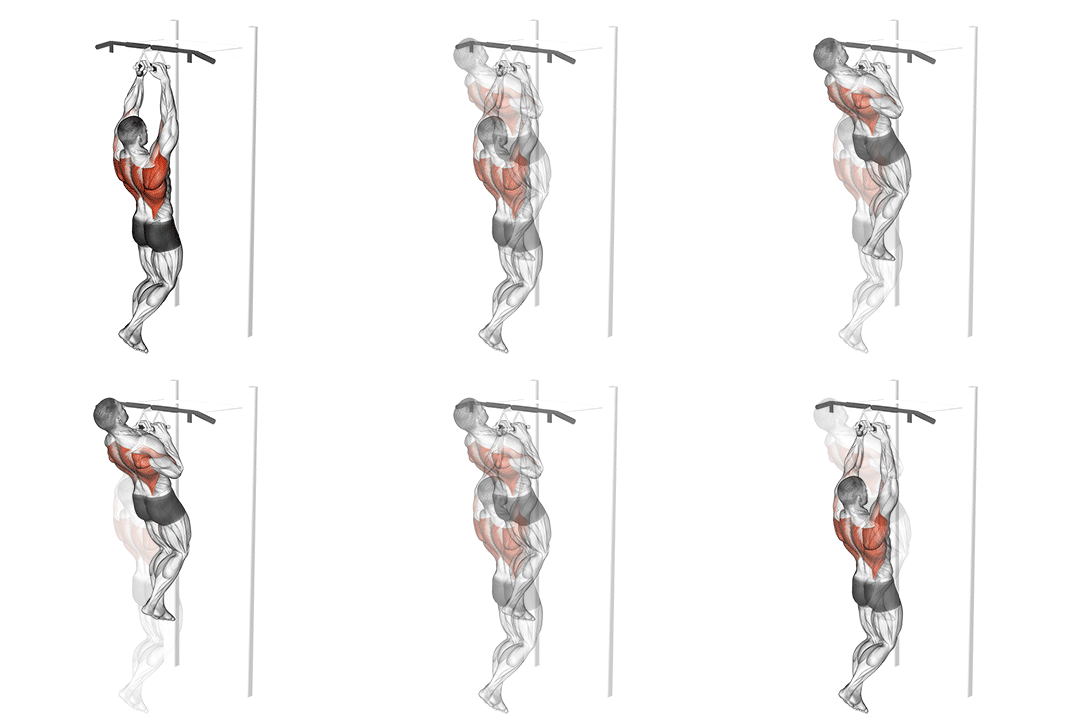
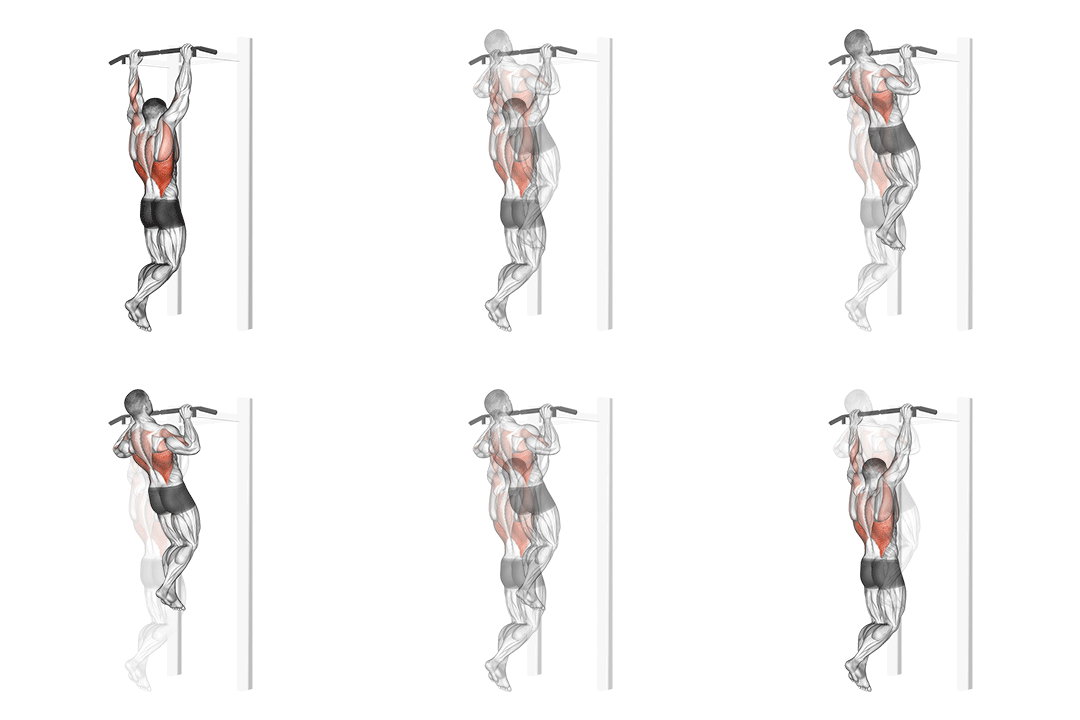
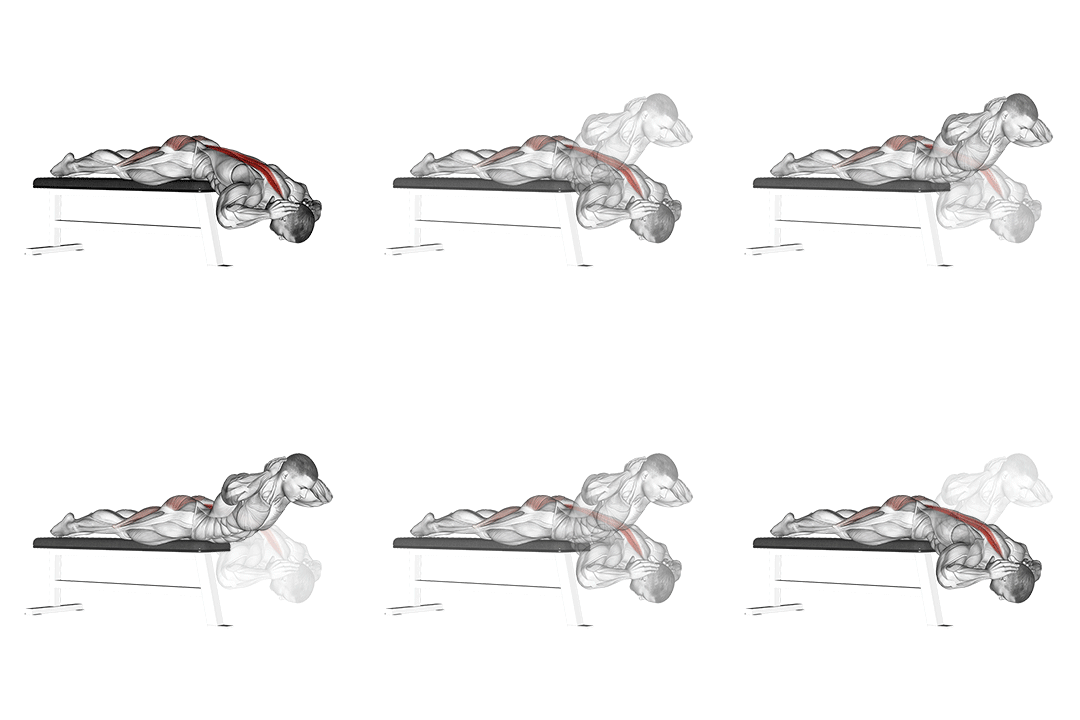
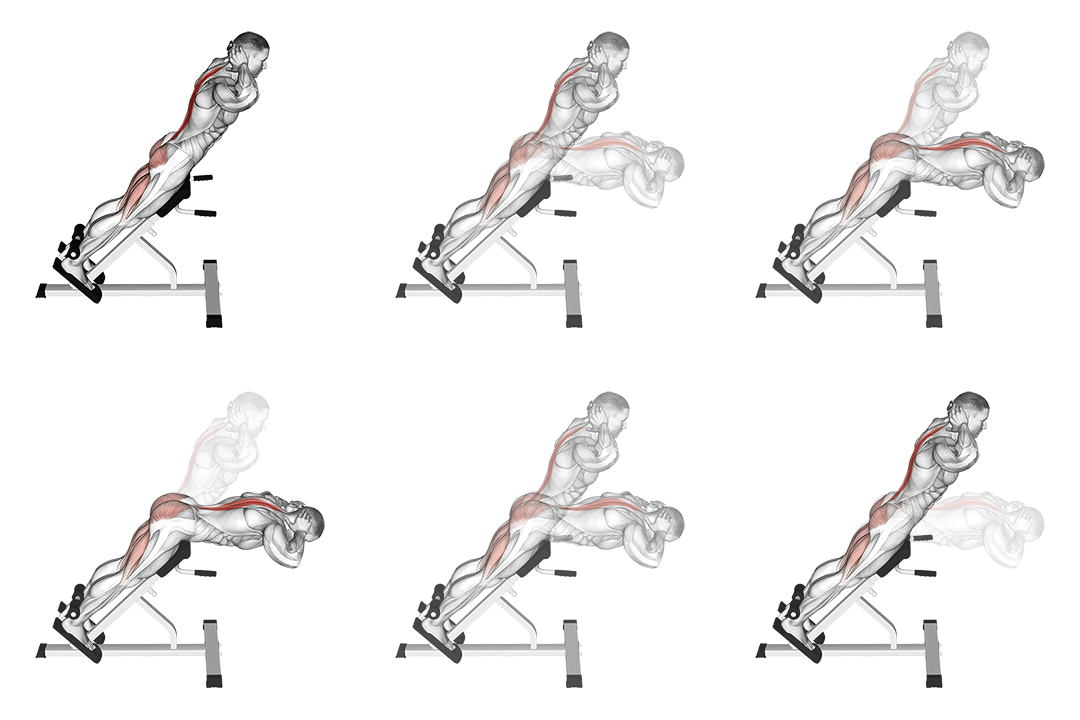
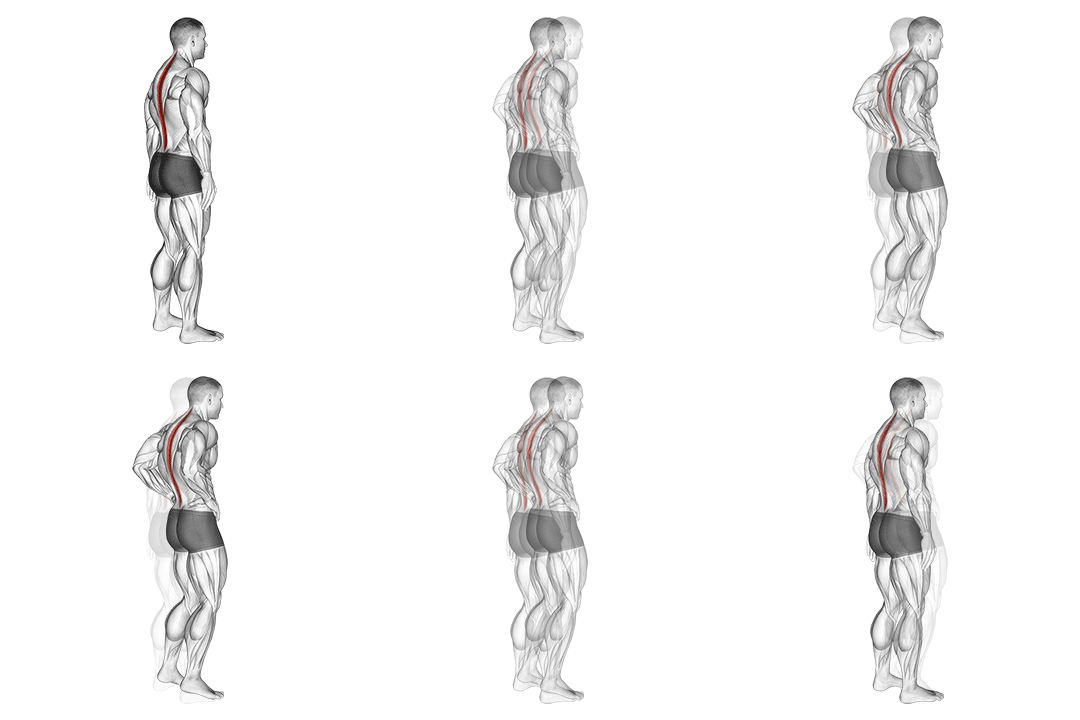
Standing Pelvic Tilt
beginner mobility exercise · body weight · targets spine
- Body part
- back
- Primary target
- spine
- Equipment
- body weight
- Difficulty
- beginner
The standing pelvic tilt is a small but high-leverage mobility drill that addresses one of the most common postural patterns in modern adults — the anterior pelvic tilt. From a standing position with feet shoulder-width apart, you actively tilt the pelvis forward by engaging the abs and tucking the tailbone toward the floor, which counteracts the chronic forward-tilted position most desk workers carry. The motion is subtle but the impact on lower-back comfort and posture is substantial. Anterior pelvic tilt is often the hidden cause of chronic lower-back tightness. When the pelvis sits in a forward-tilted position (top of the pelvis tipping forward, bottom tipping back), the lumbar spine arches more than it should, the hip flexors stay shortened, and the glutes weaken from disuse. This pattern is reinforced by hours of sitting daily — the seated position keeps the hip flexors short, and over years the body adapts to that position even when standing. The standing pelvic tilt is the first and most basic drill to address this pattern. Where this earns its place is as foundational postural work. The drill itself doesn't dramatically change posture in a single session; it teaches the body what 'neutral pelvis' actually feels like, which is often a forgotten pattern in chronically tilted bodies. After 4-6 weeks of daily practice combined with hip flexor stretching and glute strengthening, most trainees see meaningful postural improvement and reduced lower-back tightness. The exercise is gentle enough for absolute beginners and useful enough for advanced trainees during deload weeks or recovery phases.
Why train the Standing Pelvic Tilt?
- Addresses anterior pelvic tilt — the most common postural pattern contributing to lower-back tightness.
- Teaches the body to find neutral pelvis position, often forgotten in chronically tilted bodies.
- Engages the abs and glutes deliberately, building the connection that supports better posture.
- Reduces lower-back tightness by addressing one of the underlying causes.
- Provides accessible postural work for absolute beginners or those returning from injury.
- Pairs naturally with hip flexor stretches and glute work for comprehensive postural correction.
How to do the Standing Pelvic Tilt: step by step
- 1Stand with your feet shoulder-width apart and your knees slightly bent.
- 2Place your hands on your hips or let them hang by your sides.
- 3Engage your core muscles and tilt your pelvis forward, pushing your lower back towards the wall behind you.
- 4Hold the position for a few seconds, then release and return to the starting position.
- 5Repeat for the desired number of repetitions.
Muscles worked
Primary
spine
Secondary
abdominals
Common mistakes to avoid
Tilting too aggressively
The motion is subtle — not maximum effort. Excessive tilting can stress the lumbar spine. Aim for a gentle, controlled tilt that engages the abs and glutes without straining.
Holding the breath
Many trainees hold their breath during the active tilt. Breathe slowly throughout — the engagement should coexist with normal breathing, not replace it.
Treating it as strength work
The standing pelvic tilt is a postural awareness drill, not a strength exercise. Don't try to add load or push for high rep counts. The light engagement is the value; making it harder reduces the postural learning.
Skipping the hip flexor stretching
Pelvic tilts alone won't fix anterior pelvic tilt. The chronic pattern requires hip flexor lengthening (couch stretch, kneeling lunge stretch) alongside the awareness drill. Without the stretching component, the tilt awareness has limited impact.
Doing too many reps in a single session
More isn't better here. 5-10 deliberate reps at moderate effort produces the awareness benefit. 50 reps produces fatigue without additional learning.
Easier and harder variations
Easier
Perform with back against a wall — the wall provides feedback for finding the neutral position. Press the lower back into the wall by tilting the pelvis. The tactile cue helps trainees who struggle to feel the motion.
Harder
Add progression to dynamic posterior pelvic tilts during squats, lunges, and other compound exercises. Or progress to bridges and dead bugs, which load the same posterior pelvic pattern under increased stimulus.
Alternative exercises
Glute bridge
Loads the same posterior pelvic tilt pattern with bodyweight resistance. Use as progression for trainees who've mastered the basic awareness.
Dead bug
Floor-based core work that reinforces the same neutral pelvis pattern. Pair with pelvic tilts for compound core training.
Hip flexor stretch
Addresses the muscular cause of anterior pelvic tilt. Essential complement to the pelvic tilt awareness drill.
How to program the Standing Pelvic Tilt into your training
The standing pelvic tilt works as awareness and warm-up drill rather than as primary training. Daily routine: 1-2 sets of 5-10 reps, 1-2 times per day. Tied to existing transitions (start of work day, post-bathroom break), the routine builds without willpower cost. Pre-workout warm-up: 1 set of 8-10 reps before lower-body or core sessions. The pelvic awareness primes proper positioning during compound lifts. For those addressing anterior pelvic tilt: 4-5 sessions per day combined with daily hip flexor stretching and glute strengthening. Postural change requires this multi-pronged approach over 6-8 weeks. For general fitness: 2-3 sessions per week is sufficient awareness maintenance for trainees without specific postural concerns. Don't program this as primary lower-body or core work. It's awareness training, not strength training.
Recovery and frequency
The standing pelvic tilt has no recovery cost. The light load and small motion produce no fatigue. Daily practice is safe and recommended.
Frequently asked questions
How many reps should I do?
5-10 deliberate reps per set, 1-2 sets per session. More reps don't improve learning; quality of awareness matters more than rep count.
How often?
Daily, multiple times if addressing significant postural patterns. The brief duration makes high frequency tolerable.
Will this fix anterior pelvic tilt?
Partially. Pelvic tilt awareness combined with hip flexor stretching and glute strengthening addresses the pattern over 6-8 weeks. The drill alone provides the awareness; the corresponding tissue work addresses the cause.
Why don't I feel anything?
The motion is subtle — most beginners don't initially feel the engagement. Try with your back against a wall to get tactile feedback for finding the neutral position.
Can I do this with back pain?
Often yes — the gentle nature makes it suitable for many lower-back issues. Consult a physiotherapist for acute injuries.
When should I progress?
Once neutral pelvis feels natural in the standing pelvic tilt, transition the same awareness into squats, lunges, and dead bugs. The progression is about applying the awareness, not making the drill itself harder.
Useful tools for this exercise
Build a workout with the Standing Pelvic Tilt
Puna gives you guided bodyweight workouts you can do anywhere — no equipment, no gym, just structured progressions that build real strength.