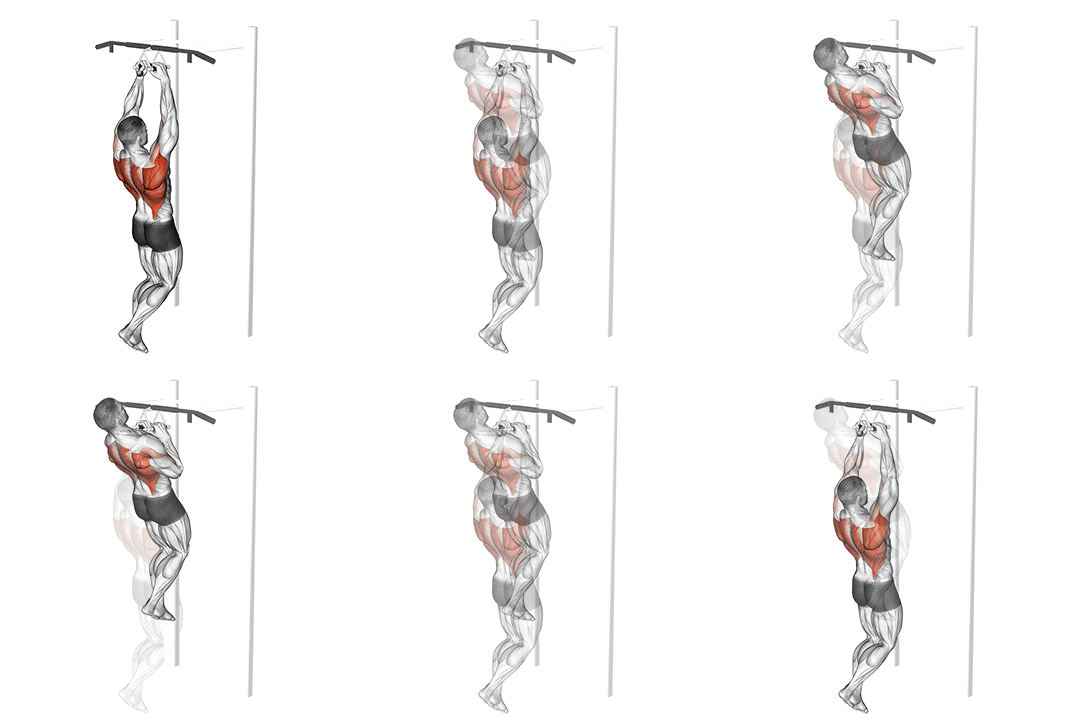
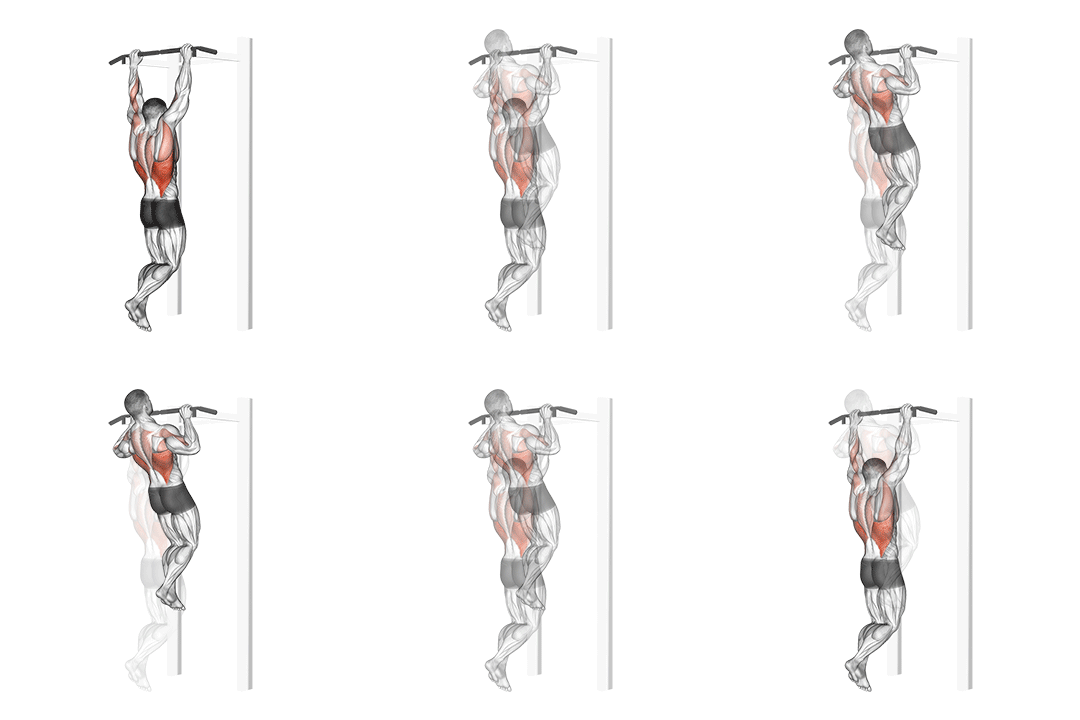
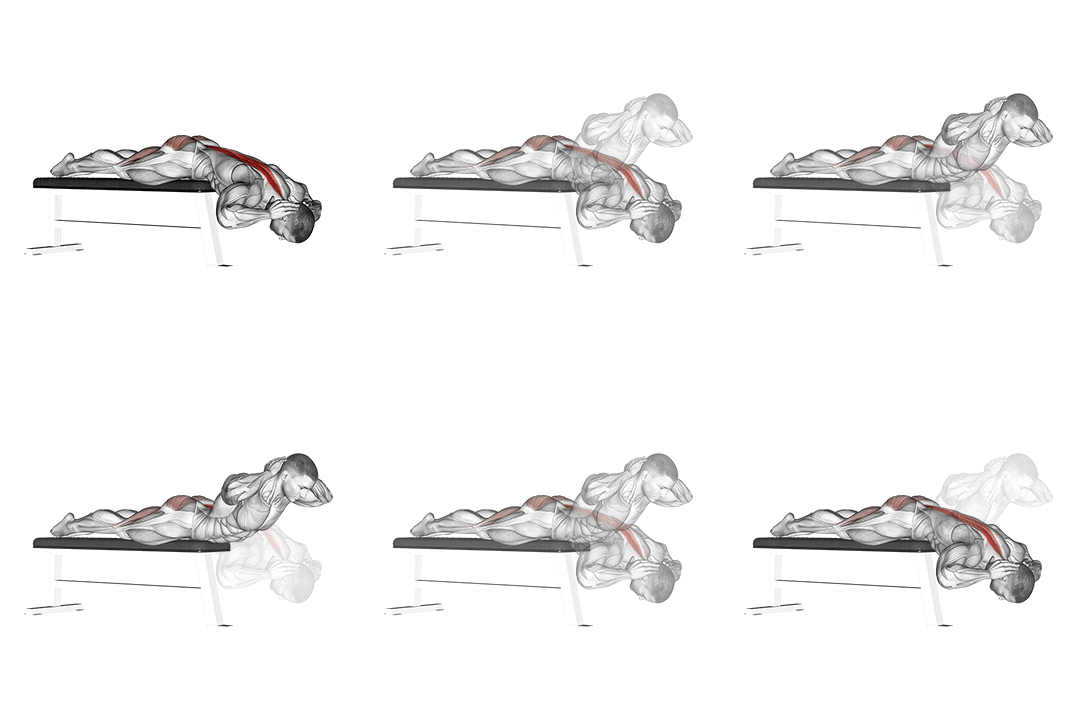
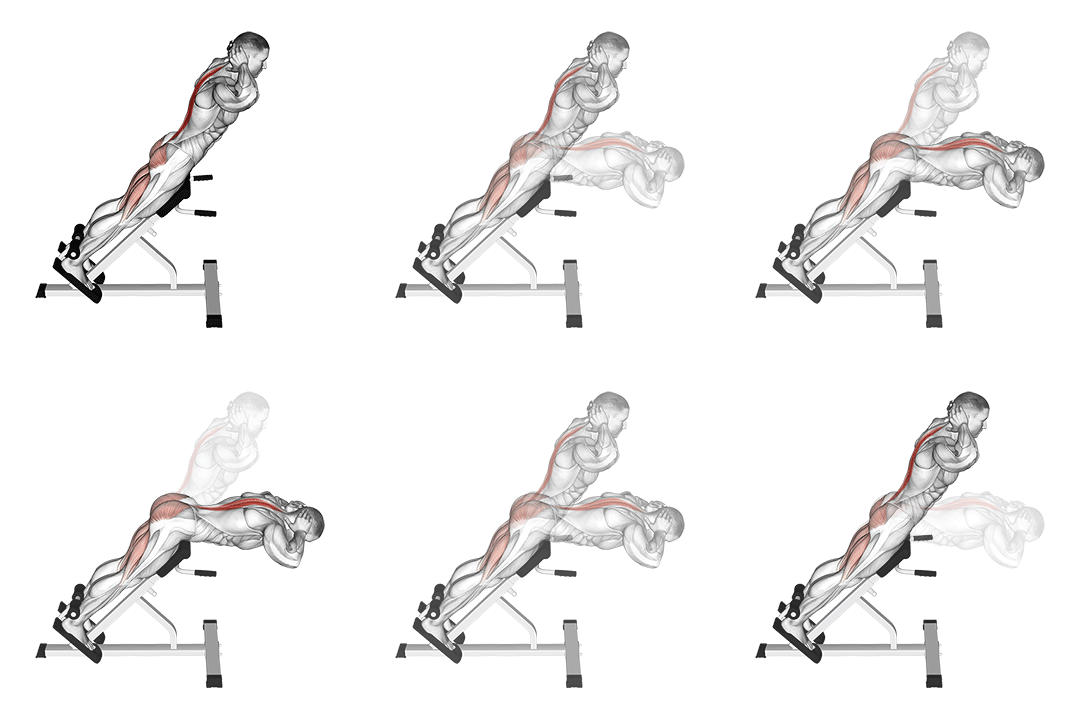
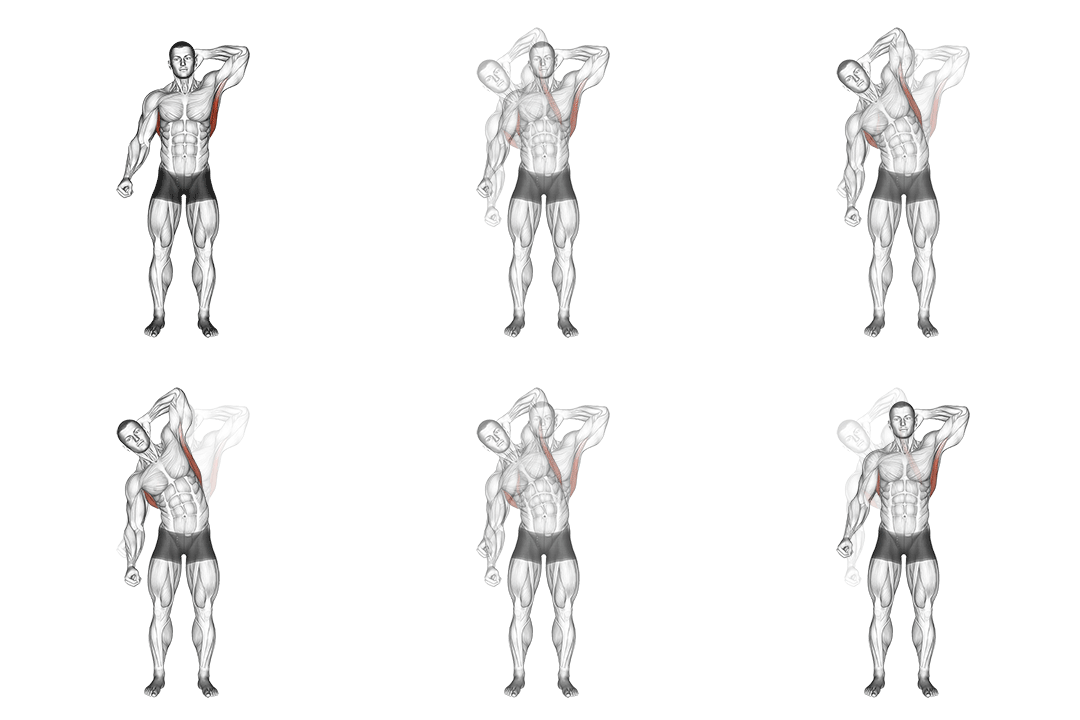
Standing Lateral Stretch
beginner stretching exercise · body weight · targets lats
- Body part
- back
- Primary target
- lats
- Equipment
- body weight
- Difficulty
- beginner
The standing lateral stretch is a basic side-bending mobility drill that targets the lats, obliques, and the entire side body. Standing with feet shoulder-width apart and arms extended out to the sides, you slowly lean the upper body to one side, feel the stretch run from hip to fingertips along the side body, hold, then return upright and repeat to the other side. The simplicity makes it accessible to almost anyone; the carryover to overhead reach, posture, and shoulder mobility is meaningful when practiced consistently. This stretch addresses one of the most overlooked tightness patterns in modern adults — the side body. Sedentary lifestyles, dominant-hand patterns (typing, mouse use, phone holding), and side-sleeping all contribute to chronic shortening along the lats and obliques on one or both sides. Most people never specifically stretch the side body unless they do yoga, which means the tightness compounds quietly over years. The standing lateral stretch addresses it in 60 seconds and integrates easily into daily routines. For trainees who do overhead work (pressing, lifting overhead in sports), the lateral stretch has additional value. Tight lats and obliques limit overhead reach more than most people realize; stretching the side body often produces noticeable improvement in overhead range of motion within 2-3 weeks of daily practice. Combined with thoracic mobility work, it forms part of a complete overhead-mobility solution that compound exercises alone don't address.
Why train the Standing Lateral Stretch?
- Lengthens the lats, obliques, and entire side body chronically shortened by sedentary life.
- Improves overhead reach by addressing one of the common restrictions to vertical arm mobility.
- Counters dominant-side tightness from typing, phone use, and asymmetric daily habits.
- Reduces the chronic side-body tightness that contributes to one-sided lower back issues.
- Costs nothing, takes 60 seconds, and integrates easily into any morning or evening routine.
- Pairs well with shoulder cross-body stretches and thoracic mobility for comprehensive upper-body mobility.
How to do the Standing Lateral Stretch: step by step
- 1Stand with your feet shoulder-width apart and your knees slightly bent.
- 2Extend your arms straight out to the sides, parallel to the ground.
- 3Slowly lean your upper body to one side, feeling a stretch in your side and lats.
- 4Hold the stretch for 15-30 seconds.
- 5Return to the starting position and repeat on the other side.
- 6Repeat for the desired number of repetitions.
Muscles worked
Primary
lats
Secondary
shoulders, obliques
Common mistakes to avoid
Bending forward instead of laterally
The body should lean purely sideways, not forward. Forward lean shifts the stretch into the lower back and reduces side-body emphasis. Imagine being between two walls; the lean stays in one plane.
Letting the hips shift to one side
When the upper body leans, the hips often shift to compensate. This reduces the stretch by removing the lever arm. Press the hips into the opposite direction (slightly) to keep them anchored as the upper body leans.
Holding too short
5-10 second holds barely cue the muscle to soften. Aim for 30-45 seconds per side, breathing slowly. The release happens about halfway through the hold.
Skipping the second side
Most people have asymmetric side-body tightness — usually the dominant side is tighter. Always do both sides equally, even if one feels less tight.
Forcing the lean
Aggressive lateral bending can stress the spine. Apply only enough lean to feel a clean stretch, not pain. Time and breath release the tissue, not force.
Easier and harder variations
Easier
Reduce the arm position — let the arms hang down rather than extending sideways. The reduced lever arm makes the stretch gentler and accessible to trainees with shoulder limitations.
Harder
Add the assisting arm overhead — extend the side-leaning arm fully overhead while the opposite arm crosses the body. The increased lever arm deepens the stretch through the lats. Or perform with a band held in both hands overhead for added resistance.
Alternative exercises
Kneeling lat stretch
More targeted lat stretch in a different position. Pair with the standing version for compound side-body mobility.
Side body twist stretch
Adds rotation to the lateral stretch. Useful complement when both lateral and rotational tightness are present.
Side bending in child's pose
Floor-based version with deeper stretch potential. Use when floor space is available.
How to program the Standing Lateral Stretch into your training
The standing lateral stretch works best as a daily habit rather than a periodic effort. Daily routine: 2 sets of 30-45 seconds per side, performed once or twice a day. Tying the stretch to existing transitions makes it automatic. Desk-break protocol: 1 set of 30 seconds per side every 90-120 minutes during long sitting sessions. The frequency prevents tightness from accumulating. Pre-workout warm-up: 1 set of 30 seconds per side before upper-body or overhead work. The lengthened side body supports better overhead range during the session. For those with chronic side-body tightness or asymmetric posture: 4-5 sessions per day at 30 seconds per side. Combined with hip mobility work, most people see noticeable improvement in overhead reach and posture within 4-6 weeks. For athletes doing overhead sports: 2 sets of 45 seconds per side as part of warm-up routines, plus daily maintenance. The side-body length supports better overhead movement in sport. Don't program this as a separate 'mobility day' — daily small doses far outperform infrequent long sessions for tissue length adaptation.
Recovery and frequency
The standing lateral stretch has zero recovery cost. Daily practice is safe and ideal. Sharp lower-back pain warrants stopping and reviewing form (the lean should be lateral, not forward). For typical side-body tightness, the practice is safe and recovery is immediate.
Frequently asked questions
How long should I hold the standing lateral stretch?
30-45 seconds per side, ideally 2 sets per side. Holds shorter than 20 seconds don't drive meaningful tissue change.
How often should I stretch laterally?
Daily, multiple times per day on long desk-bound days. Side-body tightness is one of the fastest-recurring patterns in modern bodies.
Will this help my overhead reach?
Often yes. Tight lats and obliques limit overhead reach more than most people realize. Daily lateral stretching combined with thoracic mobility work usually opens up overhead range within 2-3 weeks.
Why does one side feel much tighter?
Common — usually the dominant-hand side is tighter from years of asymmetric habits (typing, phone holding, side sleeping). Stretch both sides equally; the imbalance closes over weeks of consistent practice.
Can I do this with back pain?
Often yes, but reduce range and avoid forward lean. Stop if sharp pain appears. Mild back tightness usually responds well to gentle lateral mobility work.
Should I do this before or after lifting?
Both. Before: brief stretches (15-30 seconds) within a dynamic warm-up. After: longer holds (45-60 seconds) when tissue is warm. Post-workout drives most lasting tissue change.
Useful tools for this exercise
Build a workout with the Standing Lateral Stretch
Puna gives you guided bodyweight workouts you can do anywhere — no equipment, no gym, just structured progressions that build real strength.