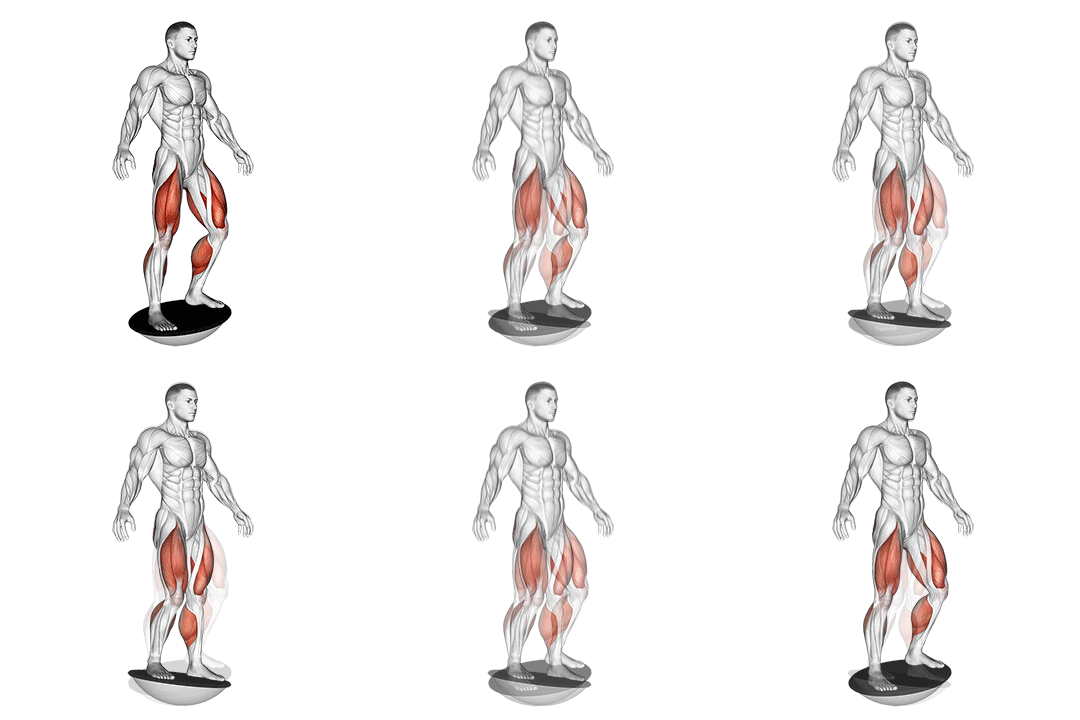
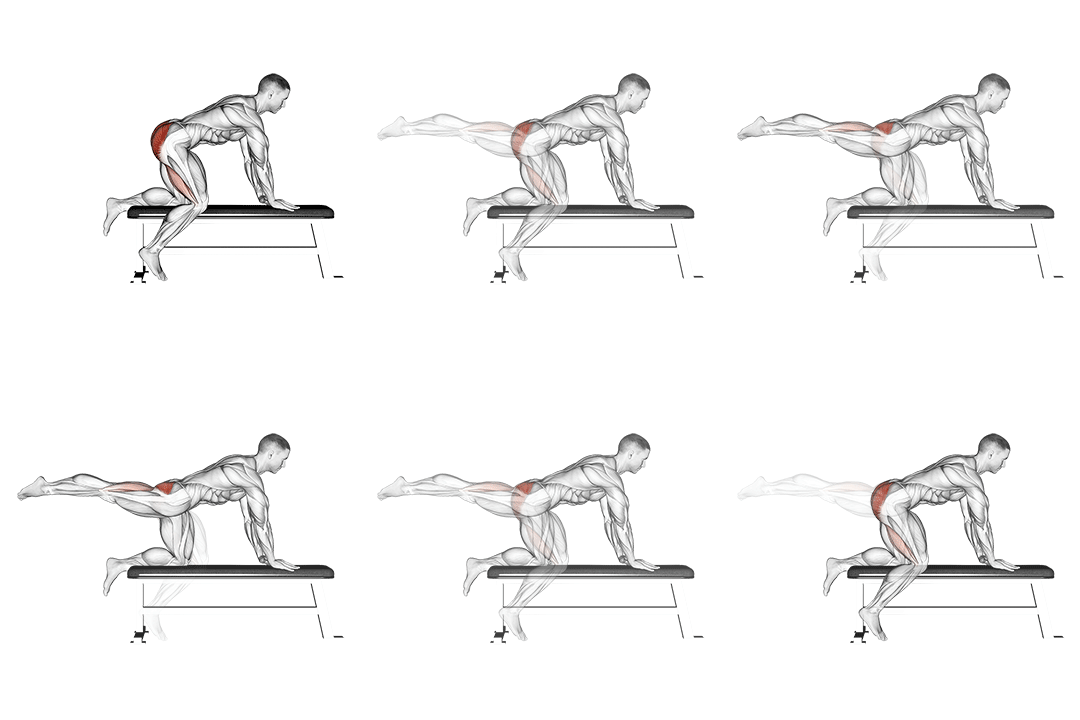
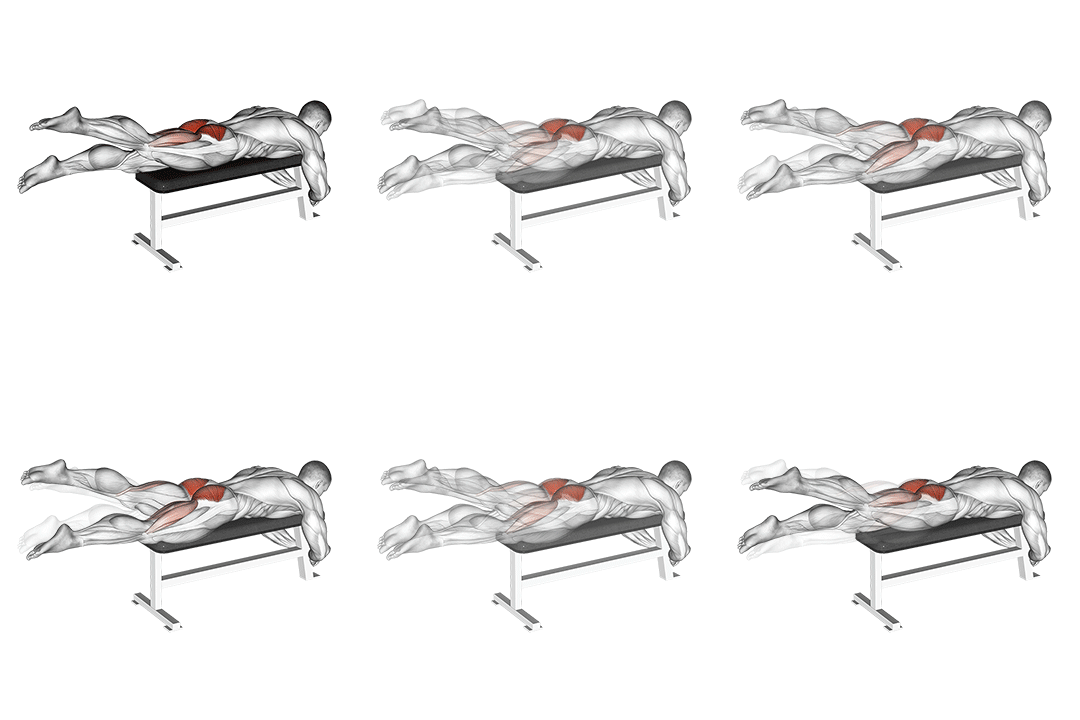
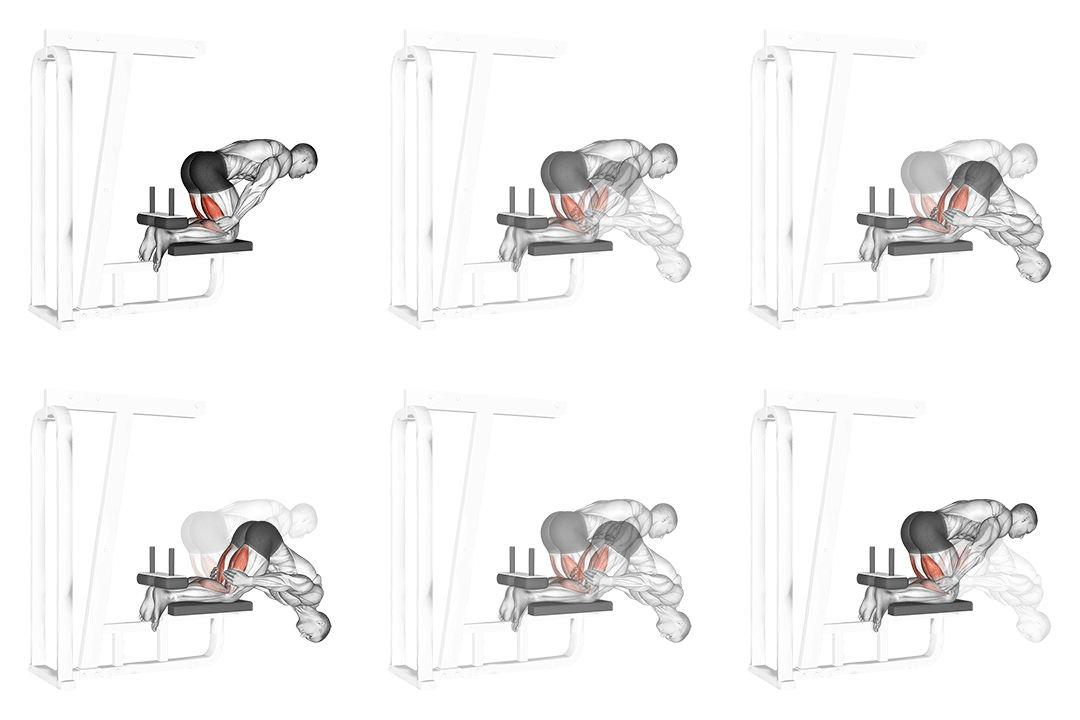
Squat To Overhead Reach With Twist
beginner mobility exercise · body weight · targets quads
- Body part
- upper legs
- Primary target
- quads
- Equipment
- body weight
- Difficulty
- beginner
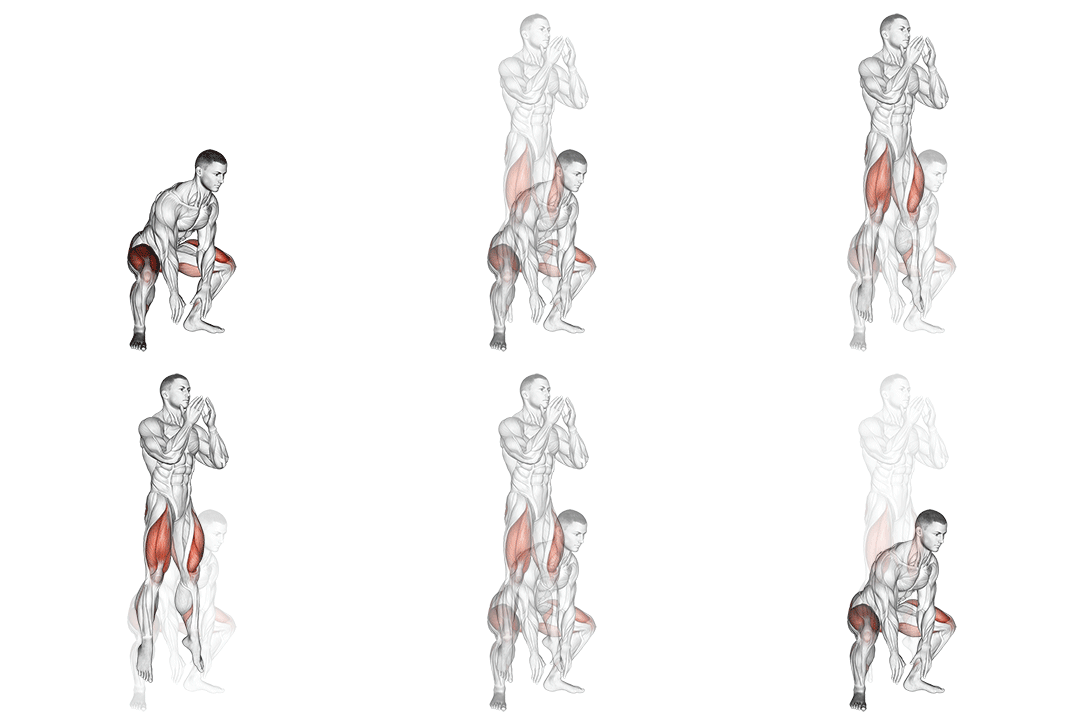
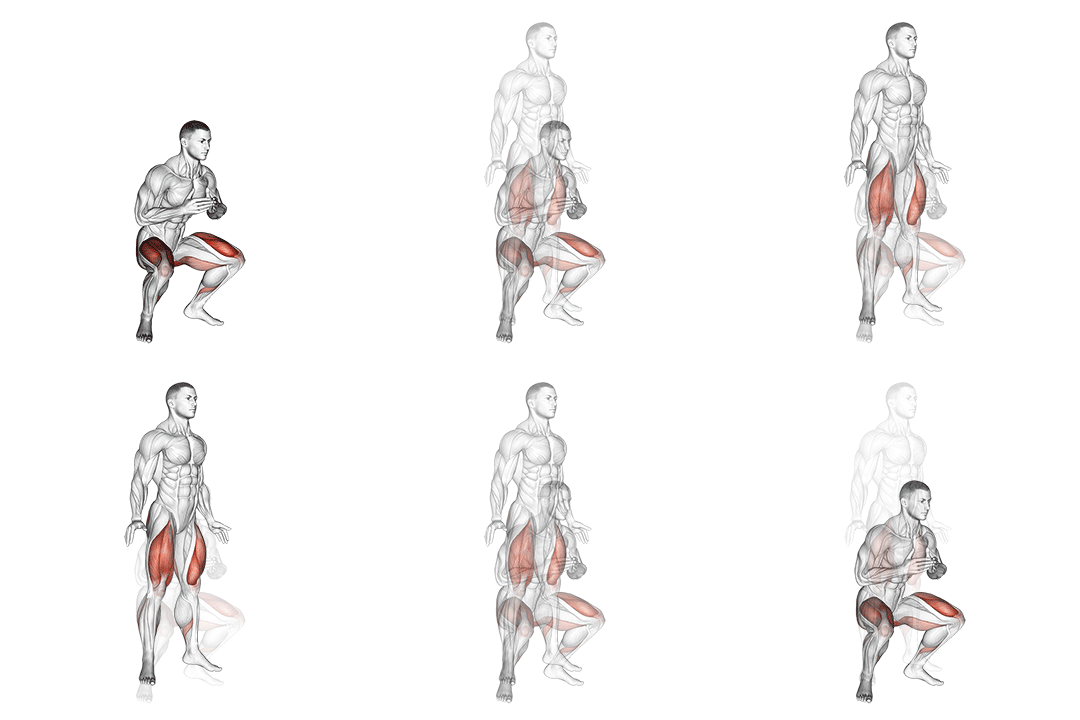
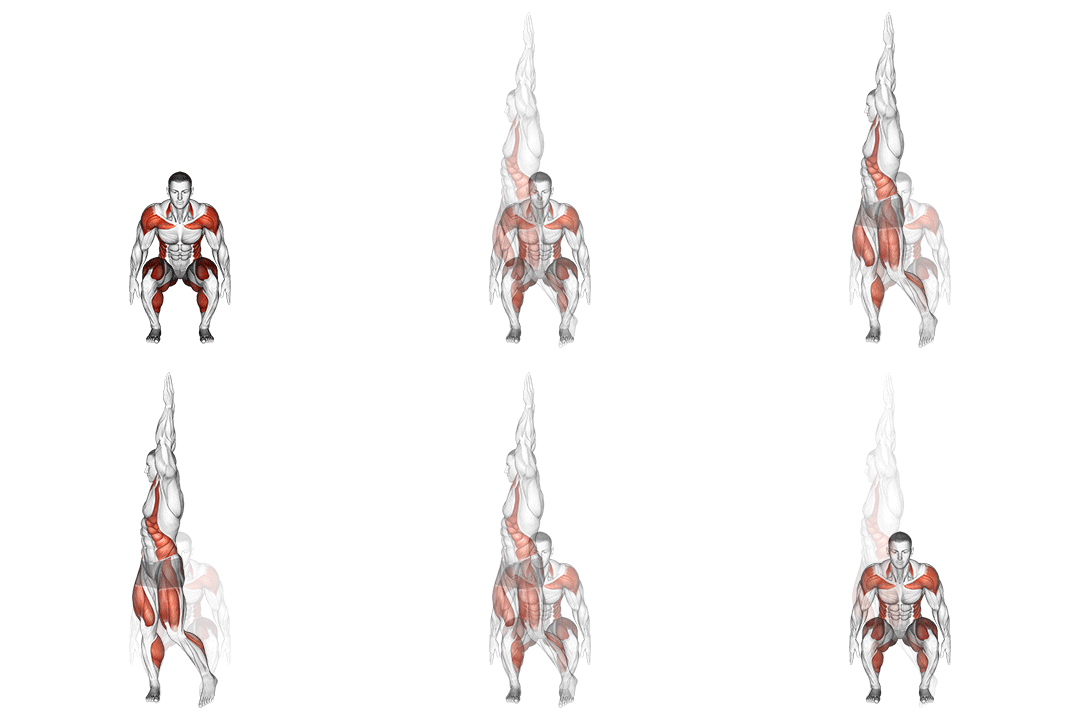
The squat to overhead reach with twist combines three movements in one: a bodyweight squat, an overhead reach, and a thoracic spine twist. From the bottom of a squat, you stand up while reaching both arms overhead, then rotate the torso to one side at the top before lowering back into the next squat. The combination loads the legs through the squat, the shoulders through the overhead reach, and the obliques and thoracic spine through the rotation — a true full-body mobility-and-strength hybrid. It's particularly useful as a dynamic warm-up before athletic training. The movement addresses every major joint range of motion in one fluid sequence: hip flexion (squat), shoulder flexion (overhead reach), and thoracic rotation (twist). Three minutes of this exercise before sport or strength training warms up almost everything that needs warming. Like the simpler squat-to-overhead-reach (without the twist), this exercise scales with tempo and depth. Done slowly, it's pure mobility and joint preparation. Done at moderate pace for time, it becomes light cardio. The added twist makes it slightly harder than the simpler version but provides extra value for trainees with thoracic stiffness from desk work.
Why train the Squat To Overhead Reach With Twist?
- Trains hip, shoulder, and thoracic spine mobility in one efficient movement.
- Excellent dynamic warm-up before sport practice or strength training.
- Addresses thoracic stiffness common in desk-bound trainees.
- Reveals mobility limitations on each side of the body separately.
- Doubles as light cardio when performed for time at moderate pace.
- Requires no equipment.
How to do the Squat To Overhead Reach With Twist: step by step
- 1Stand with your feet shoulder-width apart and toes slightly turned out.
- 2Lower your body into a squat position by bending your knees and pushing your hips back.
- 3As you come up from the squat, raise your arms overhead and twist your torso to one side.
- 4Return to the starting position and repeat the squat, this time twisting your torso to the opposite side.
- 5Continue alternating sides with each squat repetition.
Muscles worked
Primary
quads
Secondary
glutes, hamstrings, core
Common mistakes to avoid
Cutting any of the three components short
Each part needs full range — full squat depth, full overhead reach, full rotation. Cutting any of them turns the exercise into something less valuable. Take the time to do each phase properly.
Twisting from the lower back instead of the upper back
The rotation should come from the thoracic spine (upper back), not the lumbar spine (lower back). If the lower back twists, you're stressing the wrong joint.
Going too fast
Speed defeats the mobility purpose. Take 3-5 seconds per rep with deliberate awareness of each phase.
Letting the heels lift in the squat
If your heels rise as you sink down, ankle mobility is the limiting factor. Use a small heel wedge while you build dorsiflexion.
Skipping breath coordination
Breathing supports the movement. Inhale as you squat down; exhale as you stand and reach; inhale as you rotate; exhale as you return. Coordinated breathing improves both mobility and movement quality.
Easier and harder variations
Easier
Drop the twist — perform a basic squat to overhead reach. Or use a stick or PVC pipe held overhead in both hands for shoulder support.
Harder
Add light load (a small plate held overhead). Increase the twist angle. Or progress to overhead squat with rotation under heavier load.
Alternative exercises
Squat to overhead reach
Same exercise without the twist. Useful as a regression or simpler warm-up.
World's greatest stretch
Different mobility flow that addresses similar ranges. Useful complement.
Thoracic rotation in lunge position
Static thoracic mobility without the squat or overhead reach. Useful for targeted thoracic work.
How to program the Squat To Overhead Reach With Twist into your training
Squat to overhead reach with twist works as a dynamic warm-up before athletic training, or as a stand-alone mobility session. Daily mobility format: 2-3 sets of 8-10 reps performed slowly each morning or before sitting for long periods. Pre-workout warm-up: 1-2 sets of 8-10 reps at moderate pace, performed after light cardio and before any strength work. For mobility-specific sessions: 3-4 sets of 10-15 reps with brief rests, alternating with other mobility drills. Do not program as a strength exercise — the load is too light to drive strength adaptation.
Recovery and frequency
Squat to overhead reach with twist has essentially zero recovery cost. Daily practice is fine and even ideal — mobility work compounds with frequency.
Frequently asked questions
How many sets and reps of squat to overhead reach with twist should I do?
2-3 sets of 8-15 reps as a warm-up, or 3-4 sets of 12-15 reps as a standalone mobility session.
How often should I train this movement?
Daily is fine and even ideal for mobility benefits.
Squat to overhead reach with twist vs world's greatest stretch: which is better?
Both target similar ranges. The squat-twist is more dynamic and easier to integrate as a warm-up. The world's greatest stretch covers a few extra positions but takes longer.
Will this movement help my squat strength?
Indirectly — better mobility means better squat depth and form. But it doesn't replace the strength training itself.
Why do my arms not reach straight up overhead?
Likely thoracic stiffness or tight lats and pecs. Daily practice combined with thoracic mobility drills (wall slides, foam roller extensions) usually improves this within 4-8 weeks.
Should I count one rep as both sides or alternate?
Alternate sides on each rep. Track total reps but ensure equal rotation to both sides.
Useful tools for this exercise
Build a workout with the Squat To Overhead Reach With Twist
Puna gives you guided bodyweight workouts you can do anywhere — no equipment, no gym, just structured progressions that build real strength.