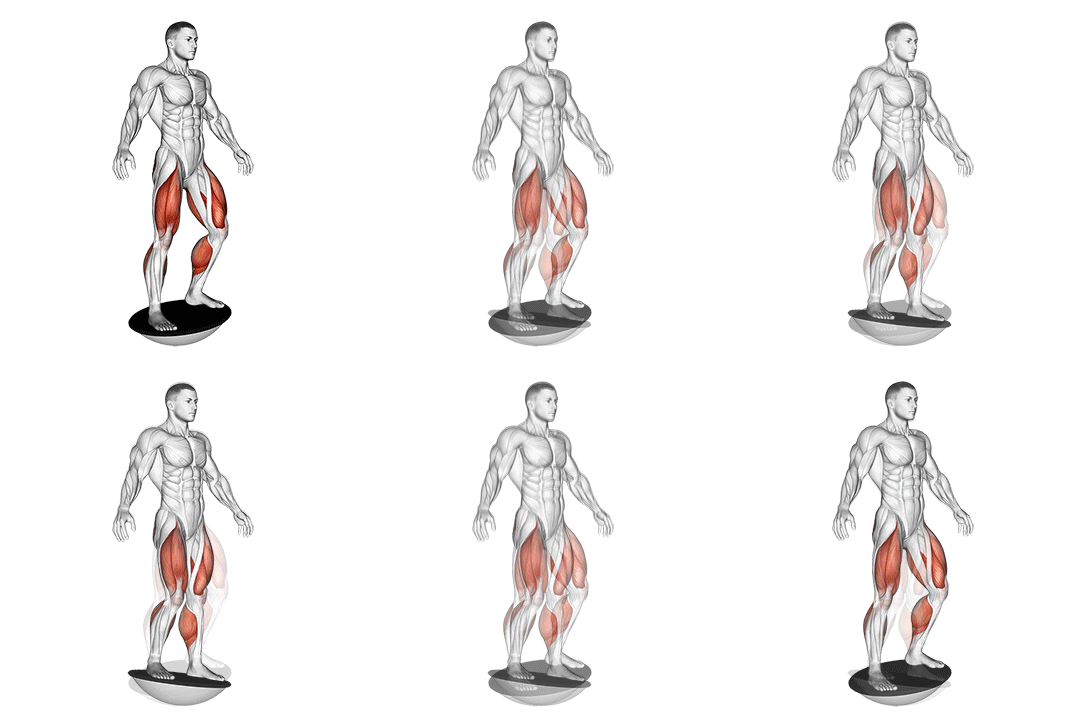
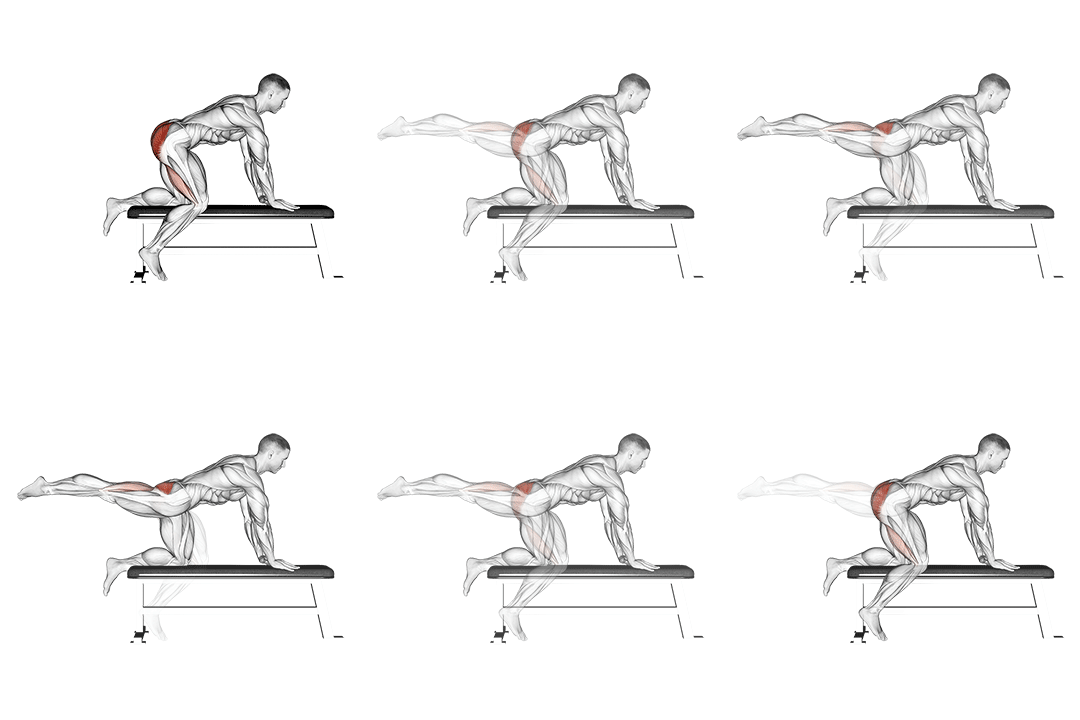
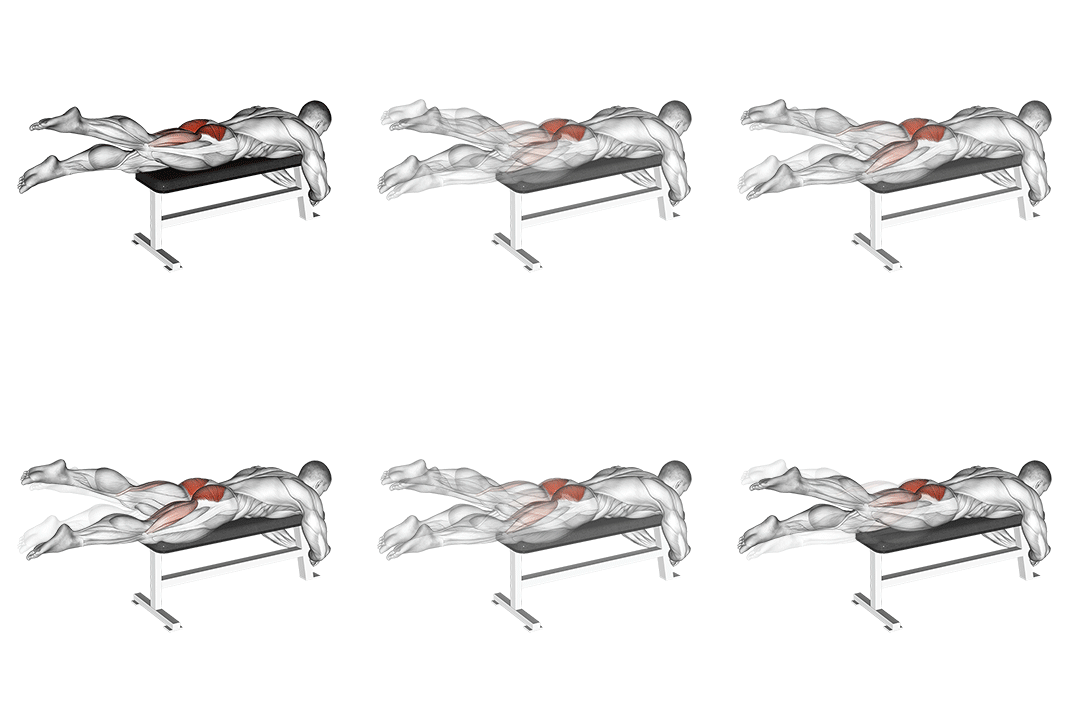
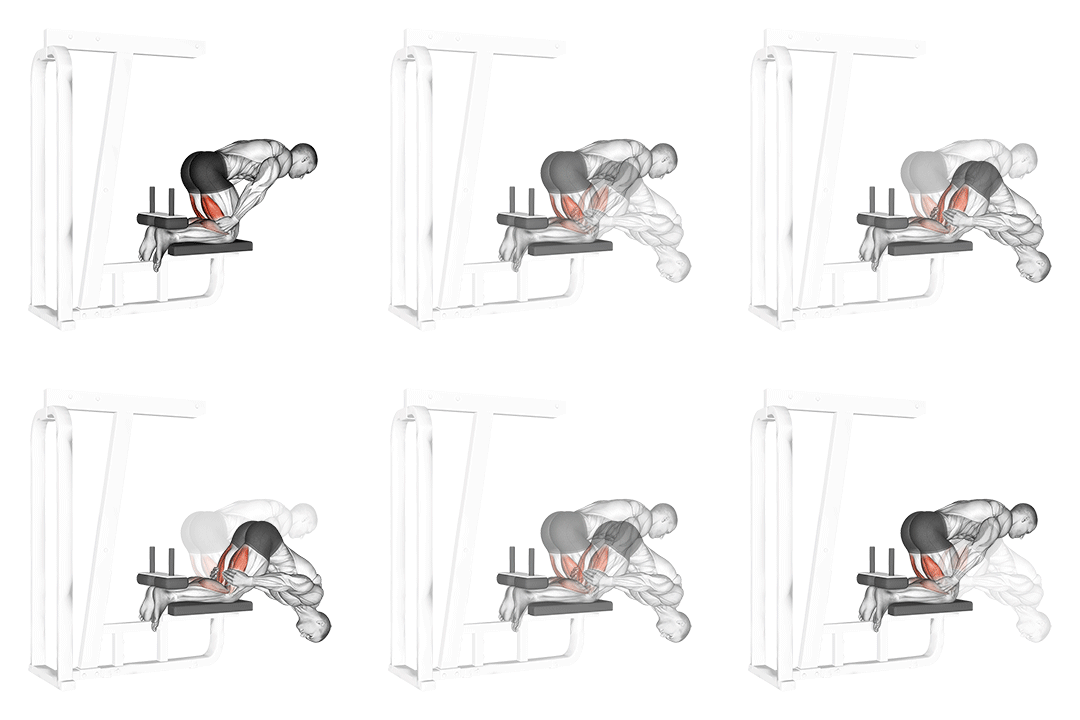
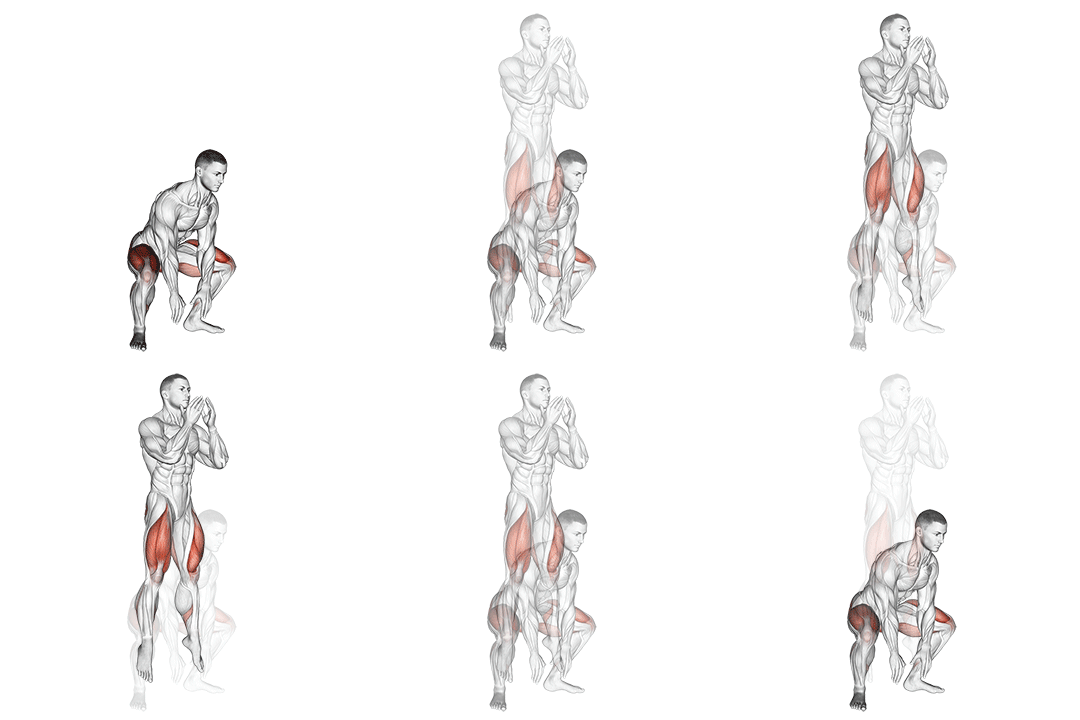
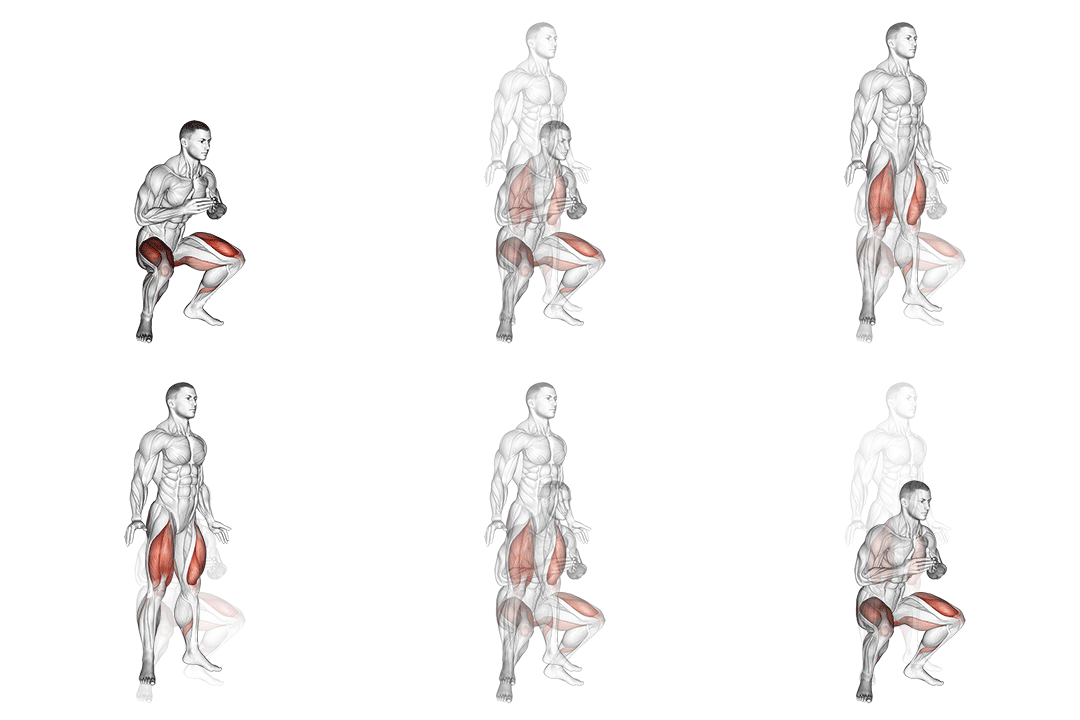
Squat To Overhead Reach
beginner mobility exercise · body weight · targets quads
- Body part
- upper legs
- Primary target
- quads
- Equipment
- body weight
- Difficulty
- beginner
The squat to overhead reach is a dynamic mobility drill that trains the full chain from ankle dorsiflexion to thoracic extension in a single fluid pattern. You sink into a squat, then drive up while reaching both arms overhead — restoring the natural human ability to load the hips and reach above the head simultaneously. It's classified here as a quad exercise because of the squat component, but its real value is mobility: most adults have lost the shoulder flexion needed to reach truly overhead without arching the lower back, and the deep squat exposes ankle restrictions you may not know you have. Done daily, this drill restores both ranges and serves as a perfect warm-up before any strength session. The combination matters more than either piece alone. Lots of people can squat or reach overhead in isolation but lose form when asked to do both at once — that mismatch shows up as compensations: heels lifting, lower back arching, knees collapsing inward. Over 4-8 weeks of daily practice, the body learns to integrate the patterns, and other movements (overhead presses, snatches, throwing motions) feel more coordinated as a result. It's also low-cost insurance: 2 minutes of squat to overhead reach before you start your day or before any workout addresses 80% of the postural issues a desk-bound life creates.
Why train the Squat To Overhead Reach?
- Combines lower-body and upper-body mobility in one efficient movement, reducing total warm-up time.
- Trains thoracic extension — the upper-back range that's killed by phone use and desk work.
- Loads the squat pattern lightly enough to use as a warm-up without pre-fatiguing the legs.
- Improves overhead reach symmetry, exposing whether one shoulder is tighter than the other.
- Doubles as a low-intensity cardio drill when performed for time at a steady pace.
- Reinforces the brace-and-reach pattern needed for olympic lifts, throwing sports, and reaching for overhead loads in daily life.
How to do the Squat To Overhead Reach: step by step
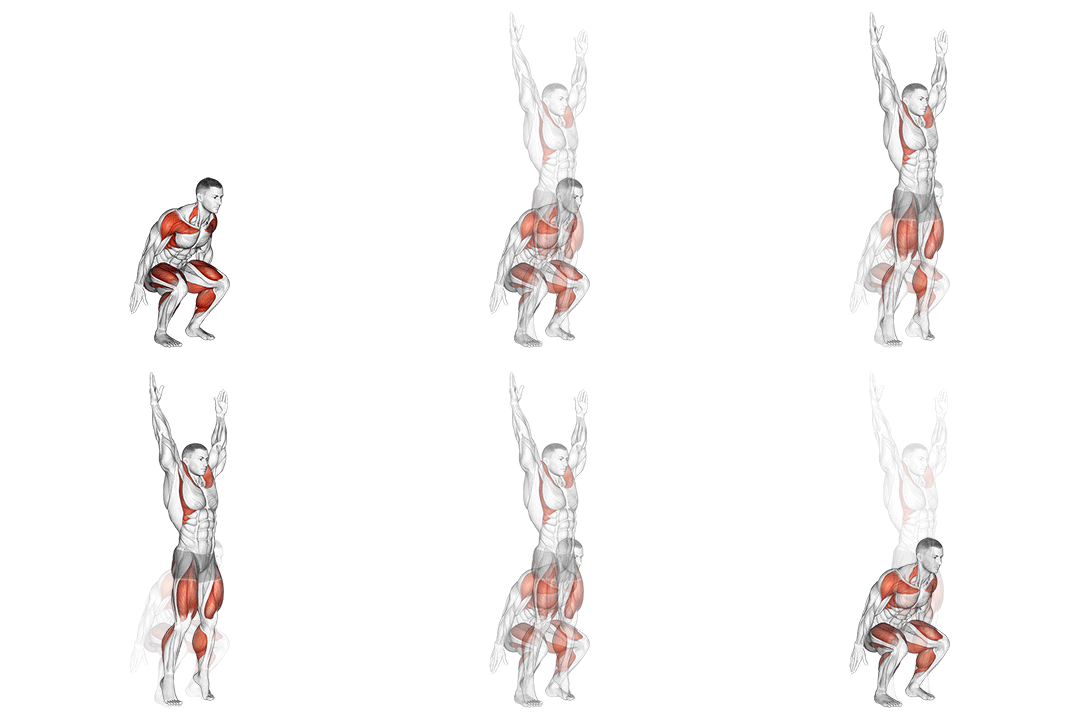
- 1Stand with your feet shoulder-width apart and toes slightly turned out.
- 2Lower your body down into a squat position by bending your knees and pushing your hips back.
- 3As you come up from the squat, extend your arms overhead, reaching towards the ceiling.
- 4Return to the starting position by lowering your arms and bending your knees to squat down again.
- 5Repeat for the desired number of repetitions.
Muscles worked
Primary
quads
Secondary
glutes, hamstrings, core
Common mistakes to avoid
Arching the lower back to fake overhead reach
If your shoulders can't reach vertical, the lower back will compensate by extending. Stop the reach when your arms hit their honest limit — even if that's just past your ears — and work the range over time.
Letting the knees collapse inward in the squat
Drive your knees out in line with your toes as you sink down. Knee cave-in shifts load away from the glutes and into the inner knee, which is the wrong end of that joint to be loading.
Rushing the tempo to make it cardio
Speed defeats the purpose — this is mobility work, not a metcon. Slow each rep down enough to feel the hips opening at the bottom and the shoulders lengthening at the top.
Heels lifting in the bottom of the squat
If your heels rise, ankle mobility is the limiting factor. Use a low heel wedge while you build dorsiflexion through stretches like wall ankle rocks.
Reaching with shrugged shoulders
Shrugging the traps up to the ears during the reach trains a poor overhead pattern. Pack the shoulders down before driving the arms up — the reach should come from shoulder flexion, not shoulder elevation.
Easier and harder variations
Easier
Hold a stick or PVC pipe horizontally overhead in both hands instead of reaching freely — the wider grip is easier for tight shoulders. Reduce squat depth to whatever you can hold without rounding the back.
Harder
Add a light load (a 5-15 lb plate held overhead, or a kettlebell pressed up). Or progress to an overhead squat — same pattern but the load stays overhead through the entire squat.
Alternative exercises
Overhead squat
Loaded version of the same pattern with the weight held above through the squat. Builds the strength to express the mobility under load.
Wall squat with overhead reach
Performed facing a wall to force upright torso and overhead reach in tight space. Excellent corrective drill for postural restrictions.
Thoracic spine cat-cow
Targets just the upper back component for people whose limitation is purely thoracic, not hip or ankle. Good complement, not replacement.
How to program the Squat To Overhead Reach into your training
Use squat to overhead reach as a daily mobility primer or as part of any workout warm-up. It belongs in the first 5-10 minutes of your training, never as the main work. Daily mobility format: 2-3 sets of 10-15 reps performed slowly, every morning or before sitting at your desk. This compounds over weeks into noticeably better posture and squat depth. Pre-workout warm-up: 1-2 sets of 8-10 reps at moderate pace, performed after light cardio (3-5 minutes of brisk walking or jumping jacks) and before any strength work. This wakes up the hips, ankles, and shoulders without depleting the legs for the main lifts. For mobility-specific sessions, expand to 4-5 sets of 15-20 reps with brief rests, alternating with other mobility drills like 90/90 hip stretches, wall slides, or thread-the-needle. A complete 15-minute mobility session built around this movement: 3 sets of 15 squat to overhead reach, 2 minutes potty squat hold, 2 sets of 10 wall slides per side, 2 minutes of cat-cow. Avoid programming it as a strength exercise. The load is too light to drive strength adaptation, and trying to use it that way means missing both the mobility benefits and the strength benefits of dedicated squat work.
Recovery and frequency
As a mobility drill, squat to overhead reach has essentially zero recovery cost. Daily practice is not just safe but optimal — the more frequent the exposure, the faster the ranges of motion expand. If you feel any soreness after a session, it's typically in the front of the shoulders (from the unfamiliar overhead reach) or the calves (from accommodating the deep squat). Both fade within a few sessions. Sharp pain in the lower back or knees suggests form errors during the movement; review the mistakes section and consider videoing yourself to spot compensations. Standard recovery practices — sleep, hydration, walking — are all you need; no special protocols apply.
Frequently asked questions
How many sets and reps of squat to overhead reach should I do?
2-3 sets of 10-15 reps as a warm-up, or 3-4 sets of 20 reps if using as a standalone mobility session. Don't worry about chasing fatigue — quality of range matters more.
How often should I train the squat to overhead reach?
Daily is fine and even ideal. Mobility work compounds with frequency, and this movement is light enough that recovery isn't a concern.
Can the squat to overhead reach replace squats in my program?
No — it's a mobility drill, not a strength builder. Use it before squats or as active recovery between strength sessions, but keep loaded squats for actually building leg strength.
How does squat to overhead reach compare to the world's greatest stretch?
Both target similar ranges, but the squat to overhead reach is more dynamic and easier to integrate into a daily routine. The world's greatest stretch covers a few extra positions but takes longer per rep.
Will this movement help my back squat?
Indirectly. Better ankle and hip mobility means better squat depth and less compensation, which can translate to more weight on the bar over time. But it doesn't replace the strength training itself.
Why do my arms not reach straight up overhead?
Likely thoracic spine stiffness combined with tight lats and pecs. The squat to overhead reach itself helps over time, especially when paired with thoracic mobility drills like wall angels or foam-roller extensions.
Useful tools for this exercise
Build a workout with the Squat To Overhead Reach
Puna gives you guided bodyweight workouts you can do anywhere — no equipment, no gym, just structured progressions that build real strength.