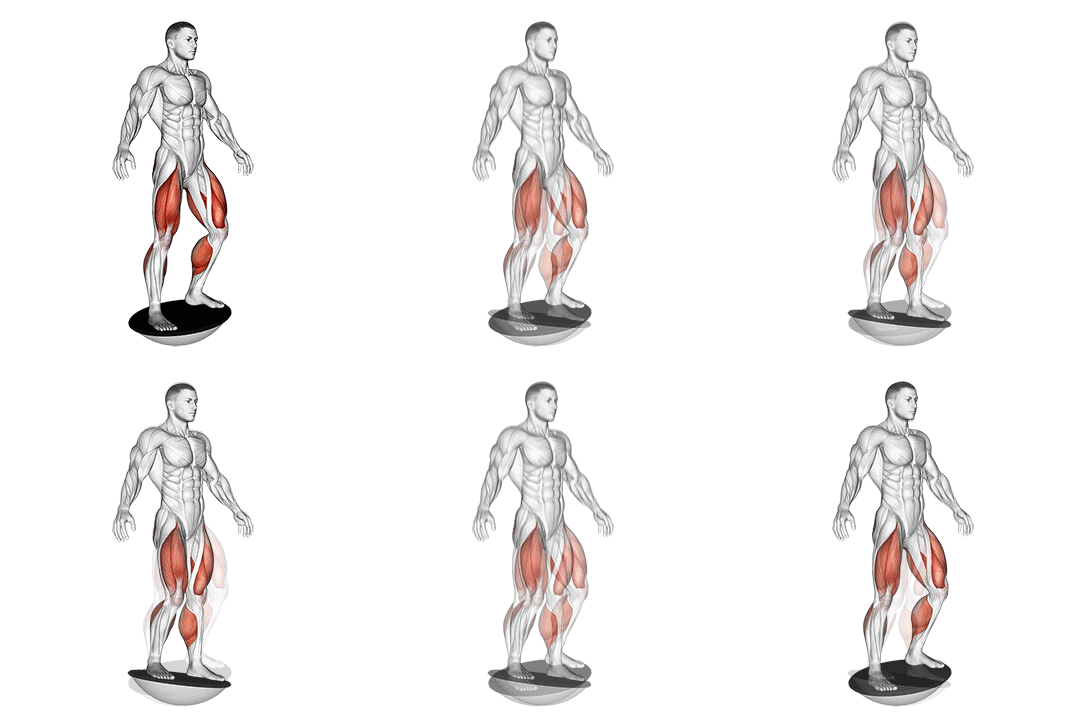
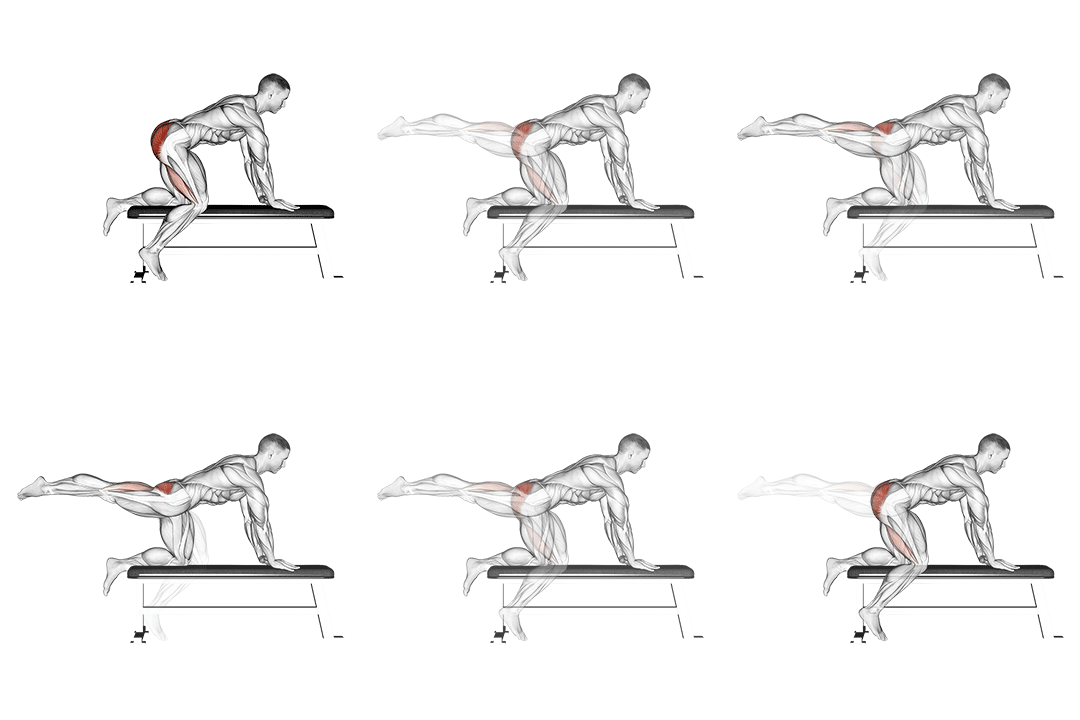
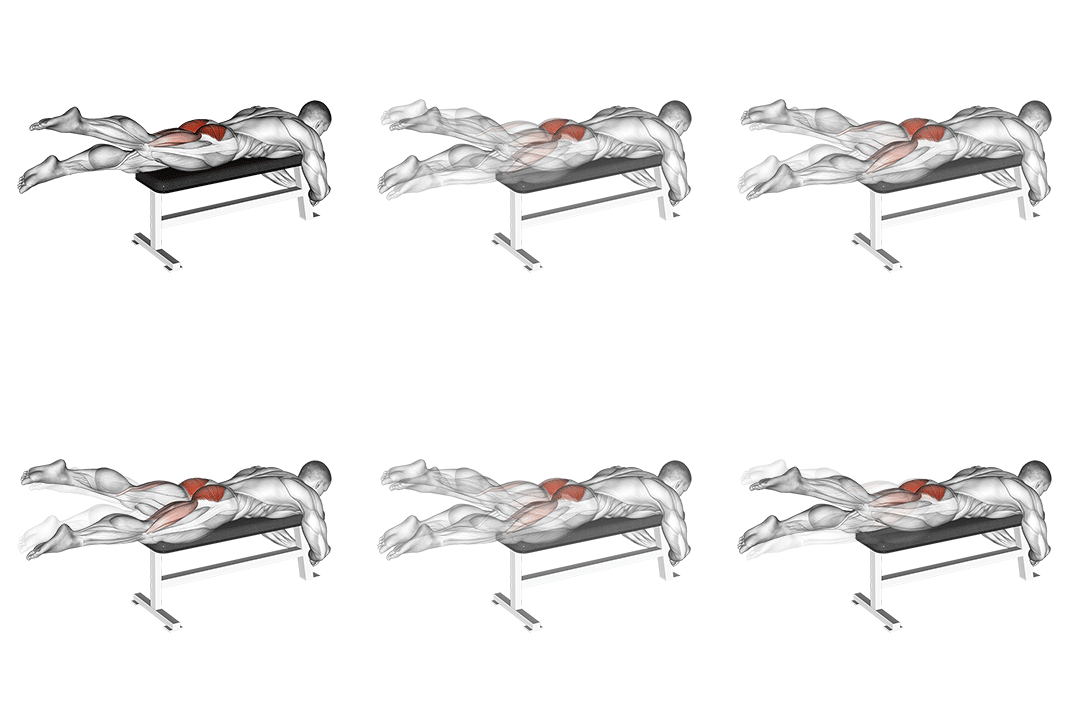
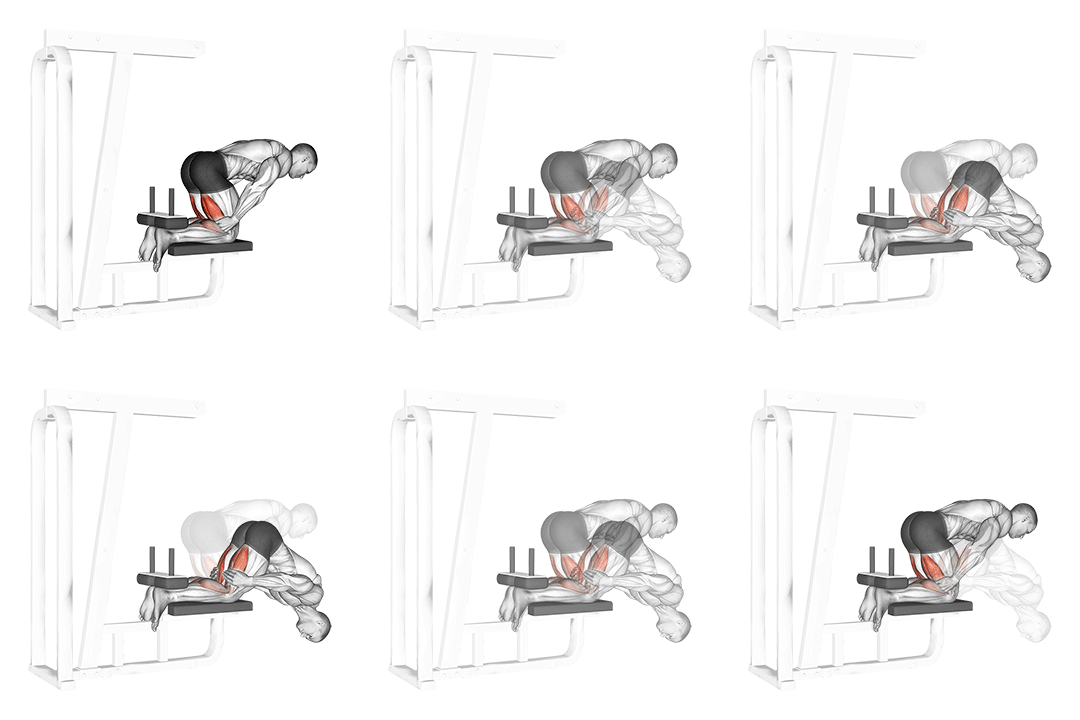
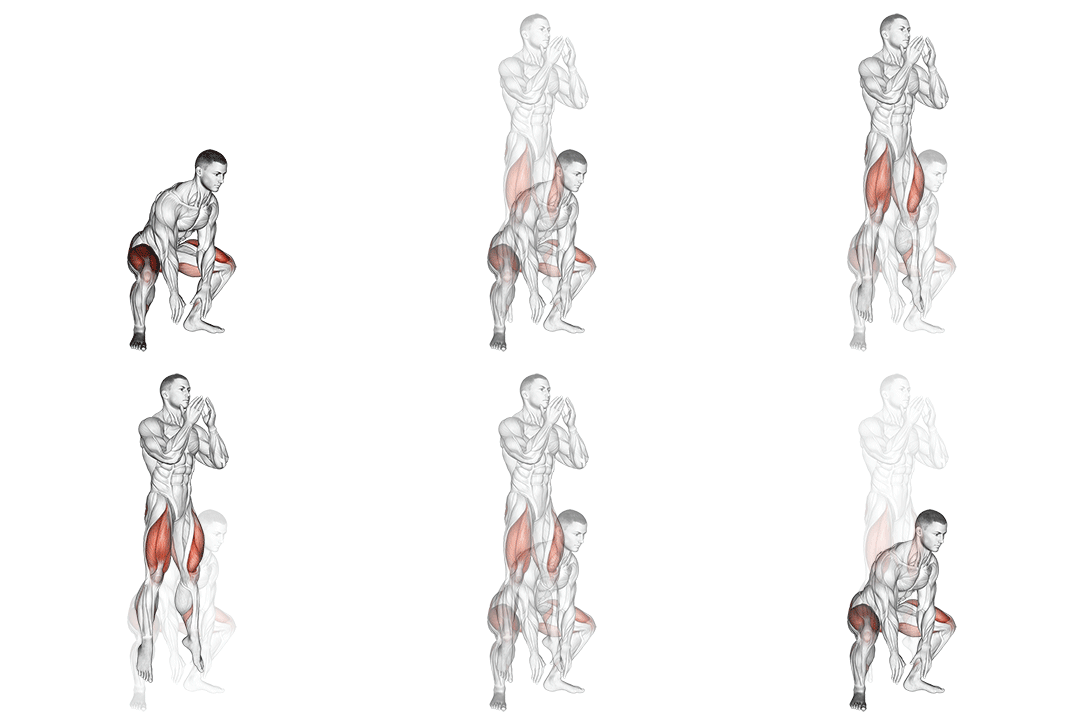
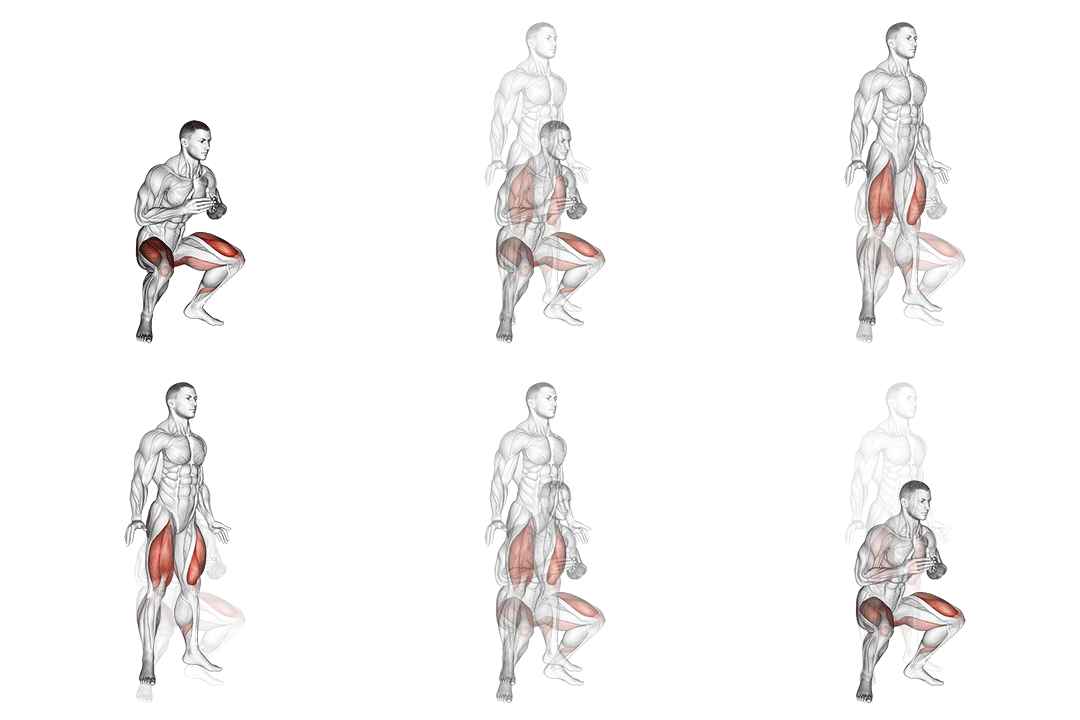
Single Leg Platform Slide
intermediate strength exercise · body weight · targets hamstrings
- Body part
- upper legs
- Primary target
- hamstrings
- Equipment
- body weight
- Difficulty
- intermediate
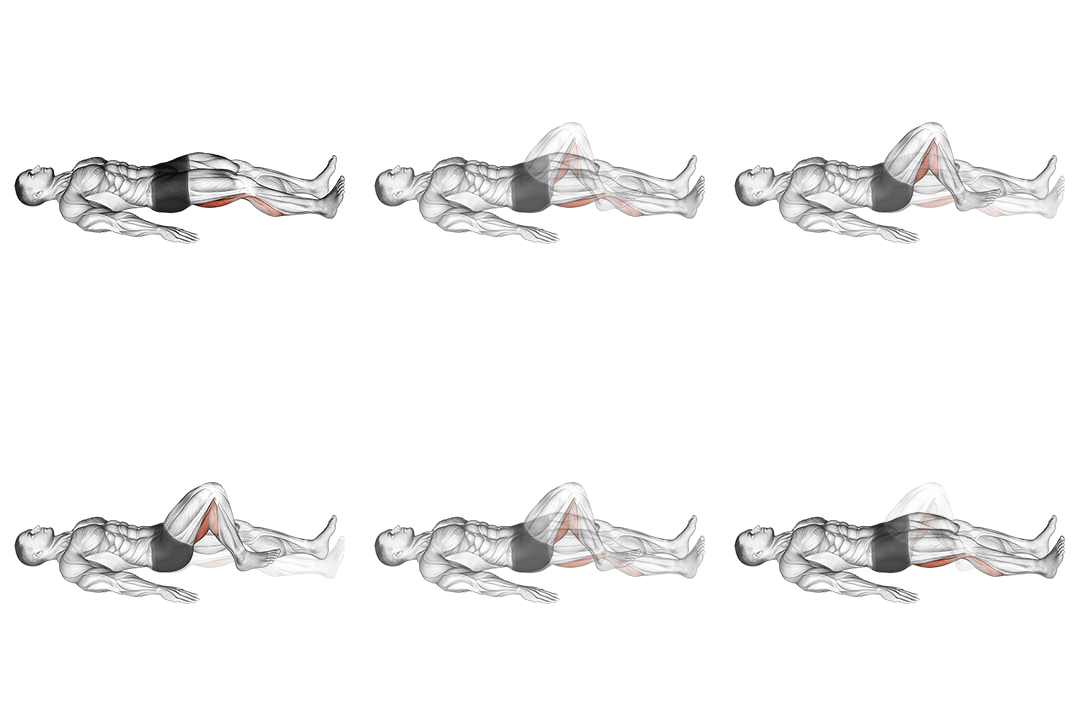
The single leg platform slide is a hamstring-focused exercise where you place one foot on a sliding surface (towel on hardwood, sliders) and slowly slide it forward and back while the other leg supports the body in a glute bridge or partial squat position. The slide motion engages the hamstrings of the working leg through eccentric and concentric loading without requiring weights or specialized equipment. This exercise sits in a useful niche between glute bridges and Nordic curls. The unilateral loading and the sliding eccentric-emphasis pattern produce meaningful hamstring stimulus that compound lifts only partially train. For trainees with appropriate flooring (hardwood, tile) and a towel as a slider, the exercise provides accessible hamstring training with no equipment beyond what most homes have. The trade-off is the floor surface requirement. Carpeted floors don't produce sufficient slide for the exercise to work properly; you need smooth flooring with a towel or commercial sliders. For trainees with appropriate setup, the exercise produces real hamstring development. Programmed 1-2 times per week as accessory work, single-leg platform slides complement squats and Romanian deadlifts in comprehensive lower-body programming.
Why train the Single Leg Platform Slide?
- Builds the hamstrings unilaterally without equipment beyond a towel and smooth floor.
- Trains the hamstrings through both eccentric and concentric phases.
- Exposes left-right strength imbalances that bilateral exercises mask.
- Develops the glute-hamstring coordination needed for athletic performance.
- Pairs naturally with glute bridges for compound posterior chain work.
- Useful in equipment-limited contexts (apartment, hotel).
How to do the Single Leg Platform Slide: step by step
- 1Start by standing with one foot on a platform or slide board.
- 2Bend your knee slightly and slide the foot on the platform backward, extending your leg.
- 3Keep your core engaged and maintain a straight posture throughout the movement.
- 4Slowly return to the starting position by sliding your foot back to the initial position.
- 5Repeat the movement for the desired number of repetitions, then switch legs.
Muscles worked
Primary
hamstrings
Secondary
glutes, quadriceps
Common mistakes to avoid
Letting the hips drop during the slide
The hips should stay elevated throughout. Dropping reduces hamstring engagement and shifts work to passive structures.
Bouncing or jerking the motion
Slow controlled slide produces the hamstring stimulus. Fast jerky motion shifts work to momentum.
Insufficient floor friction (or too much)
The surface should produce smooth controlled slide. Too much friction makes the exercise impossible; too little makes control difficult.
Going too far on the slide
Slide only to the point you can return without form breakdown. Overextending produces hamstring strains.
Programming too aggressively
1-2 sessions per week is appropriate. Hamstring work benefits from substantial recovery.
Easier and harder variations
Easier
Reduce slide range or use bilateral slides (both feet) before single-leg.
Harder
Slow tempo (3-second slide out, 3-second pull back). Or add ankle weights for the working foot.
Alternative exercises
Glute-ham raise
Different but related hamstring exercise. More demanding equipment-free option.
Romanian deadlift
Hip extension hamstring work with weight progression.
Single leg glute bridge
Easier unilateral posterior chain exercise. Use as foundation.
How to program the Single Leg Platform Slide into your training
Single leg platform slides work as accessory hamstring work. Sets and reps: 3 sets of 6-10 reps per leg with 60-90 seconds rest. Frequency: 1-2 times per week. In a session: 4 sets of 8 squats, 3 sets of 8 RDLs, 3 sets of 8 single-leg slides per leg, 3 sets of 12 calf raises. Don't program on the same day as heavy hamstring work.
Recovery and frequency
Recovery within 48-72 hours. Watch for hamstring tightness or strains.
Frequently asked questions
How many sets and reps?
3 sets of 6-10 reps per leg with 60-90 seconds rest.
How often?
1-2 times per week. Hamstrings need 48-72 hours recovery.
What floor surface works?
Smooth hardwood or tile with a towel. Carpet doesn't slide well enough.
Will this build hamstrings?
Yes — unilateral loading produces meaningful stimulus. Pair with hip extension work for complete hamstring training.
Single leg vs bilateral slides?
Single leg doubles effective load per leg. Better for strength building once bilateral basics are mastered.
Is this safe for hamstrings?
Generally yes when range stops at controllable limit. Sharp hamstring pain warrants stopping.
Useful tools for this exercise
Build a workout with the Single Leg Platform Slide
Puna gives you guided bodyweight workouts you can do anywhere — no equipment, no gym, just structured progressions that build real strength.