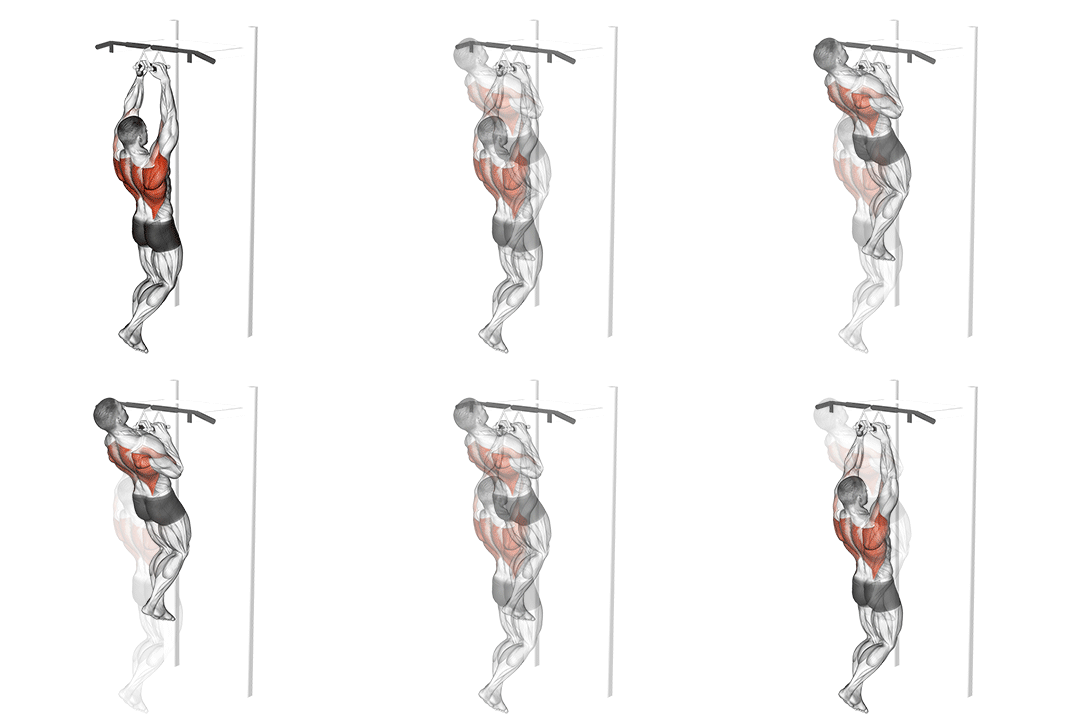
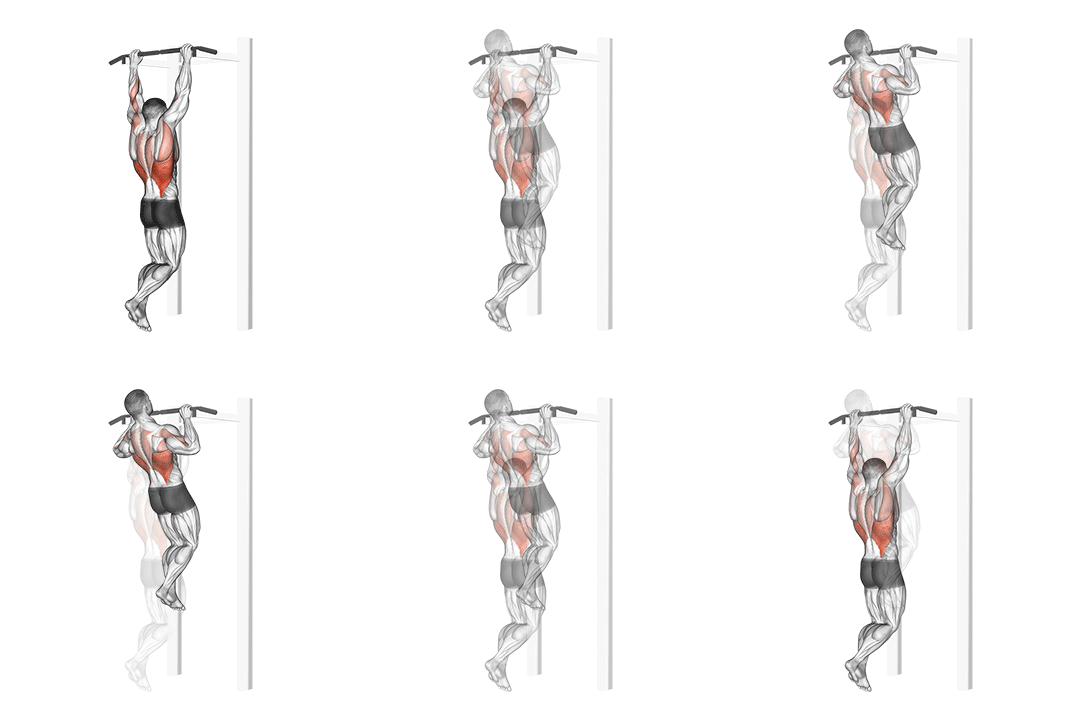
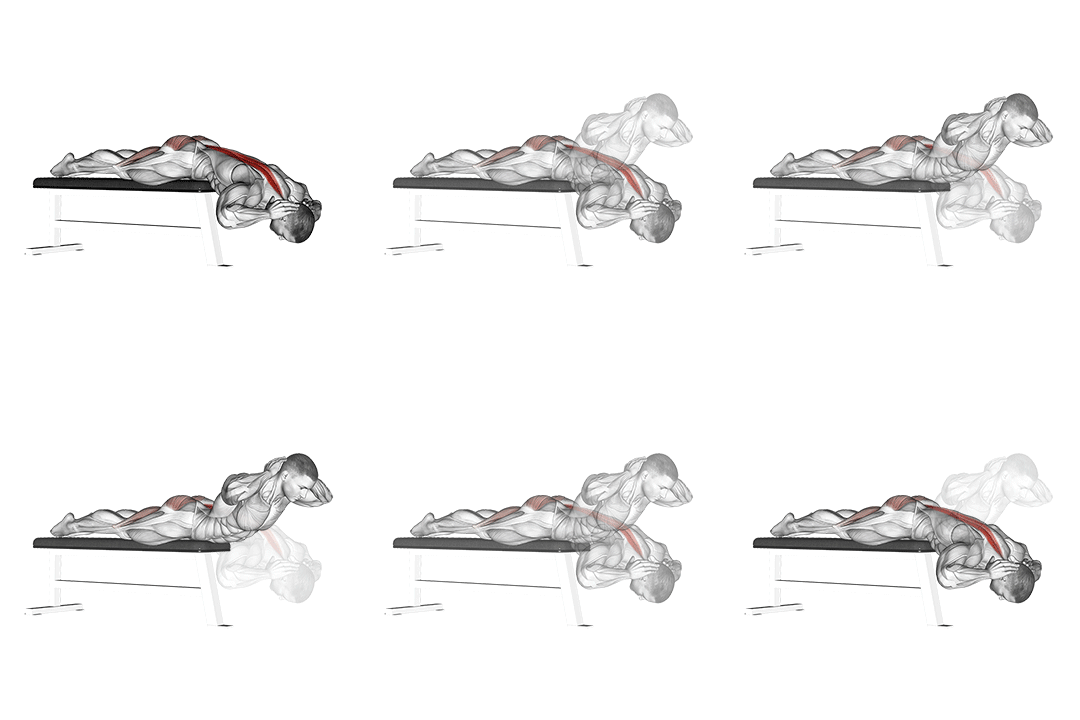
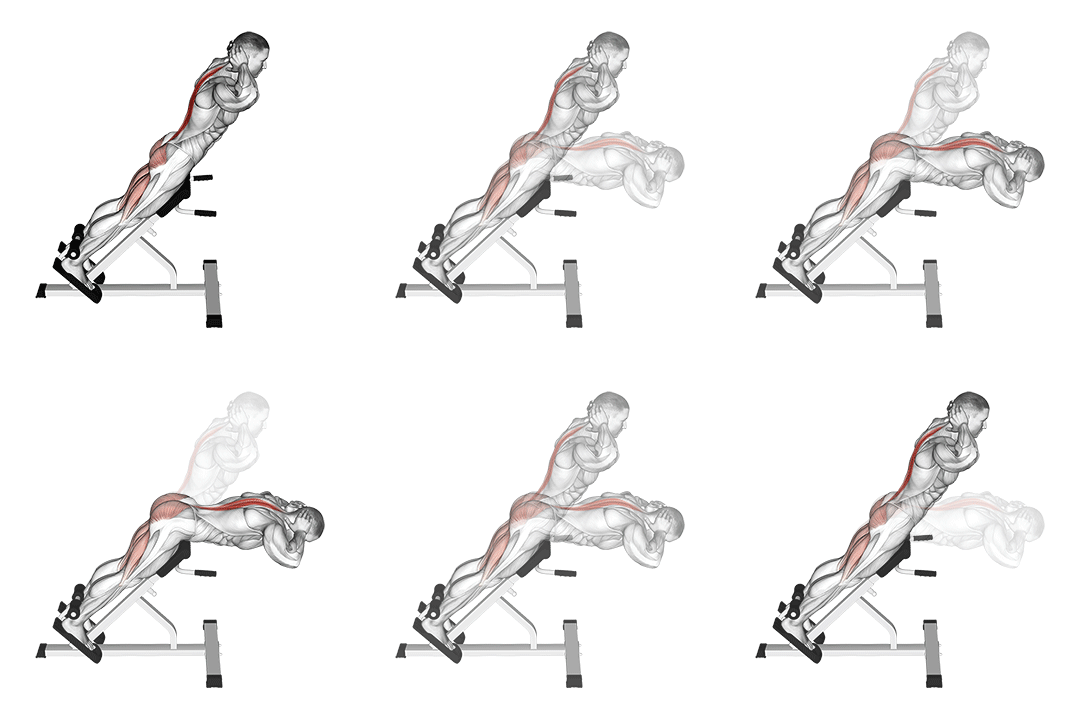
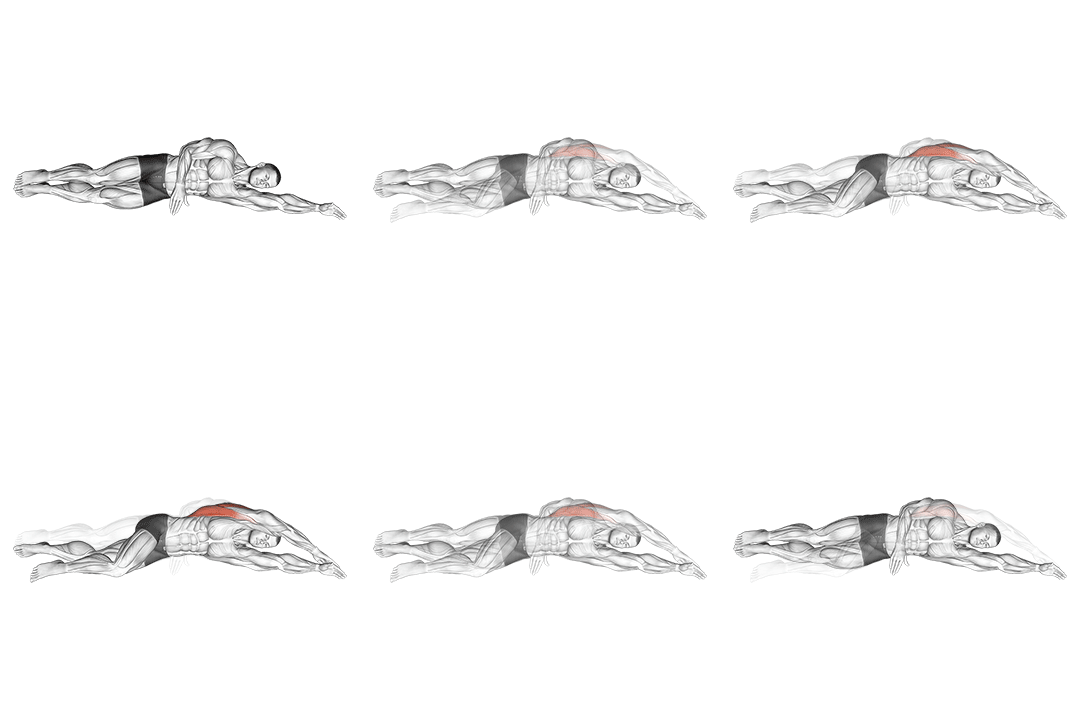
Side Lying Floor Stretch
beginner stretching exercise · body weight · targets lats
- Body part
- back
- Primary target
- lats
- Equipment
- body weight
- Difficulty
- beginner
The side lying floor stretch is a deeper version of the standard lateral side body stretch, performed lying on the floor with one arm extended overhead and one leg lifted to amplify the side body lengthening. The combination of floor anchoring (which prevents hip shifting) and the gravity-assisted leg lift produces a more thorough lat and oblique stretch than standing variations. For trainees serious about side body mobility, this is one of the most effective stretches available without specialized equipment. This stretch addresses chronic side body tightness more thoroughly than standing alternatives. Standing lateral stretches limit how far the body can lean before balance becomes an issue; the floor position eliminates that constraint, letting gravity and the lifted leg produce a deeper, more reliable stretch. For people with significant lat tightness — common in lifters who do regular pulling work, or in trainees with restricted overhead reach — this stretch produces noticeable improvement faster than standing variations alone. The trade-off is the floor space requirement and the slightly more involved setup. The exercise needs floor space and ideally something stable to grab (wall, furniture) for the overhead arm. For home practice this is rarely an issue; for office or travel contexts, the standing version is more practical. Programmed daily for 4-6 weeks, the side lying floor stretch produces meaningful improvement in overhead reach, posture, and reduced chronic side body tightness — particularly when paired with hip flexor mobility work to address the cross-body tension patterns that often accompany tight lats.
Why train the Side Lying Floor Stretch?
- Provides deeper side body stretching than standing variations through floor anchoring.
- Lengthens the lats and obliques chronically shortened by pulling exercises and sedentary life.
- Improves overhead reach for pressing, handstand work, and athletic overhead movement.
- Counters dominant-side tightness from typing, phone use, and asymmetric daily habits.
- Reduces the chronic side body tightness that contributes to lower back issues.
- Pairs well with thoracic mobility and hip flexor stretches for comprehensive mobility programming.
How to do the Side Lying Floor Stretch: step by step
- 1Lie on your side with your legs straight and your bottom arm extended straight overhead.
- 2Bend your top knee and place your foot on the ground in front of your bottom leg.
- 3Reach your top arm over your head and grab onto something stable, like a wall or a piece of furniture.
- 4Slowly lift your bottom leg off the ground, keeping it straight, until you feel a stretch in your side.
- 5Hold the stretch for 20-30 seconds, then slowly lower your leg back down.
- 6Repeat on the other side.
Muscles worked
Primary
lats
Secondary
obliques, glutes
Common mistakes to avoid
Lifting the leg too aggressively
The leg lift should be gentle — just enough to amplify the stretch, not maximum height. Aggressive lifting can strain the obliques. The lift adds to the stretch; it doesn't drive it.
Letting the hips roll forward or back
The hips should stack vertically (one over the other) throughout the stretch. Rolling forward shifts the stretch to the lower back; rolling back reduces the side body emphasis. Stay stacked through the duration.
Holding too short
5-10 second holds barely cue the muscle to soften. Aim for 30-45 seconds per side, breathing slowly. The release happens about halfway through.
Forcing the overhead reach
If your shoulder mobility limits the overhead arm position, don't force it. The arm should reach as far overhead as feels comfortable without shoulder strain. Address shoulder mobility separately.
Skipping one side
Most people have asymmetric side body tightness. Always do both sides equally. Asymmetric practice reinforces the imbalance.
Easier and harder variations
Easier
Skip the leg lift — just the side lying position with the overhead arm reach is enough stretch for chronically tight side body. Build the leg lift into the practice over weeks as the side body adapts.
Harder
Increase the leg lift height (within shoulder mobility constraints) to deepen the stretch. Or perform with the bottom hand grabbing the top foot for additional pull. Or add a gentle torso rotation while in the stretched position.
Alternative exercises
Standing lateral stretch
Same general direction with less depth. Use as desk-time alternative when floor space isn't available.
Kneeling lat stretch
Different position emphasizing the lat specifically. Pair both for compound side body mobility.
Side body twist stretch
Adds rotation to lateral stretching. Useful when both lateral and rotational tightness are present.
How to program the Side Lying Floor Stretch into your training
The side lying floor stretch works best as a daily habit rather than periodic effort. Side body tissue adapts to consistent low-volume input. Daily routine: 1-2 sets of 30-45 seconds per side, performed once or twice per day. Tying the practice to existing transitions (post-workout, pre-bed) makes it automatic. Post-workout protocol: 1 set of 45 seconds per side after pulling sessions. The combination of warm tissue and post-exercise activation makes this an effective timing window. For those with chronic lat tightness: 4-5 sessions per day at 30 seconds per side. Combined with thoracic mobility work, most see noticeable improvement in overhead range within 4-6 weeks. For athletes doing pulling-heavy training: daily side lying stretches as part of cooldown routines. The cumulative effect across weeks of consistent practice is meaningful. For general fitness: 2-3 sessions per week is sufficient maintenance. Daily is better but not critical for trainees without specific overhead reach goals. Don't program this as a separate 'mobility day' — daily small doses outperform infrequent long sessions for tissue length adaptation.
Recovery and frequency
The side lying floor stretch has zero recovery cost. Daily practice is safe and ideal. The main warning signs are sharp lower back or shoulder pain during the stretch, both suggesting form issues or excessive force. Mild stretch sensation is appropriate; pain is not.
Frequently asked questions
How long should I hold this stretch?
30-45 seconds per side, 1-2 sets per side. Holds shorter than 20 seconds don't drive meaningful tissue change.
How often should I do this?
Daily, especially for trainees doing regular pulling work. Frequency matters more than duration.
Will this help my overhead reach?
Often yes. Tight lats and obliques limit overhead reach more than most people realize. Daily side body stretching combined with thoracic work usually opens up overhead range within 4-6 weeks.
Side lying vs standing lateral stretch: which is better?
Side lying reaches deeper stretch due to floor anchoring. Standing is more accessible (no floor space). Use side lying when possible; standing for desk-time maintenance.
Can I do this with shoulder pain?
Usually yes, with reduced overhead arm reach. If overhead arm position bothers the shoulder, modify by keeping the arm at a comfortable angle.
Should I do this before or after workouts?
After is better. Static stretching before lifting can temporarily reduce strength. Post-workout, when tissue is warm, drives most lasting tissue change.
Useful tools for this exercise
Build a workout with the Side Lying Floor Stretch
Puna gives you guided bodyweight workouts you can do anywhere — no equipment, no gym, just structured progressions that build real strength.