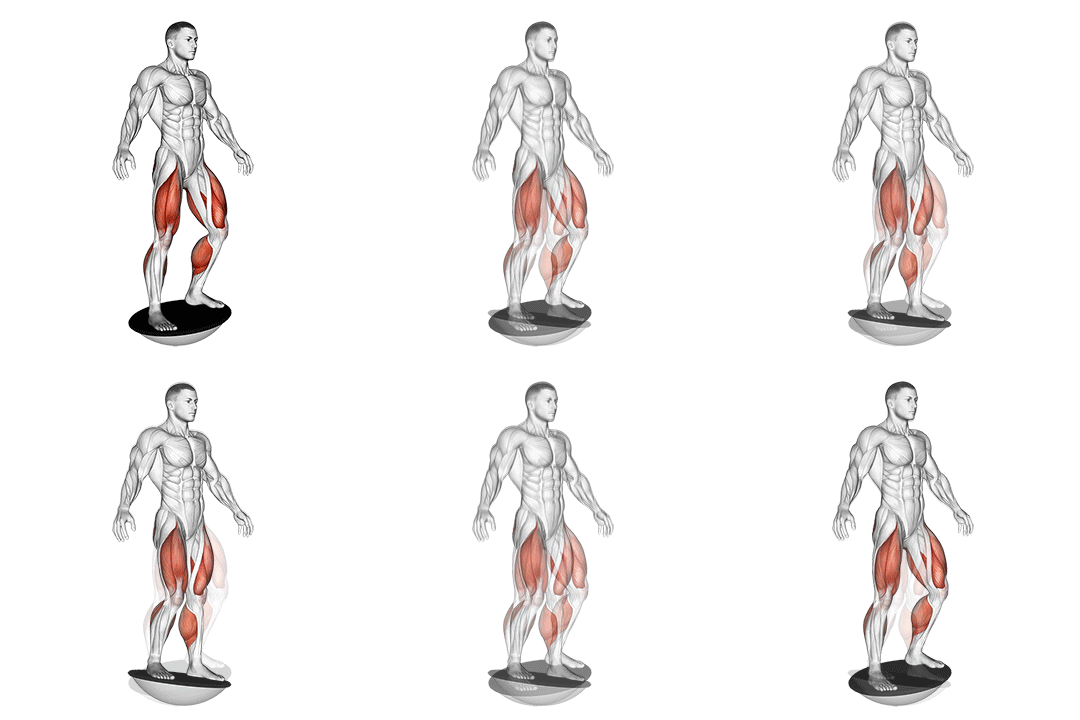
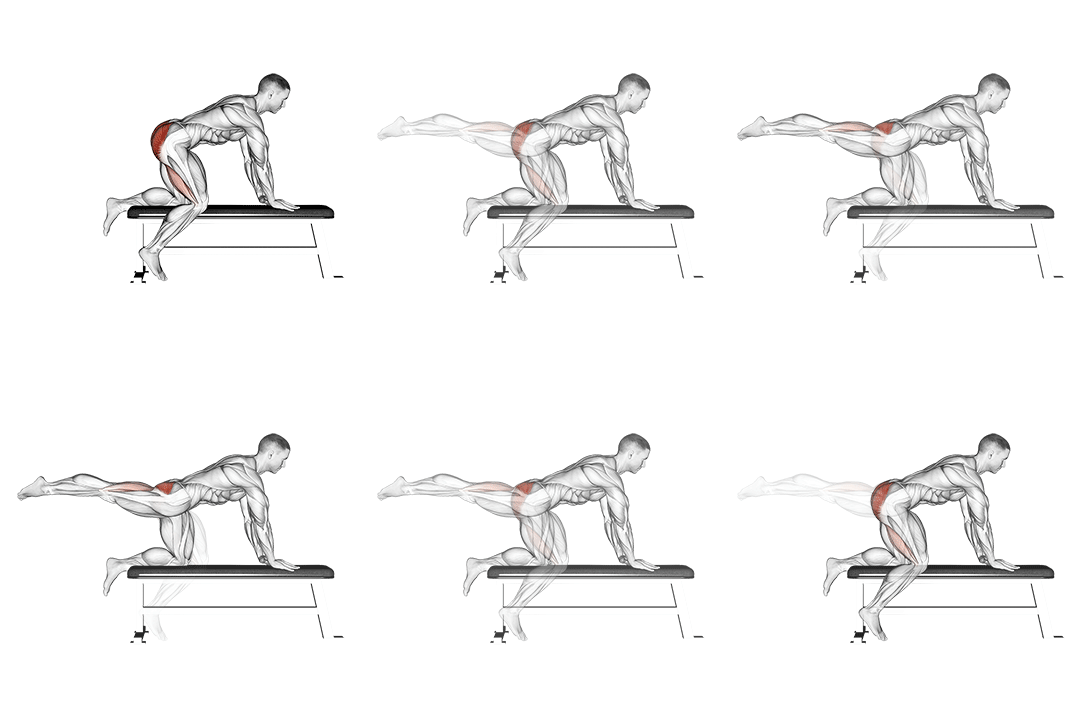
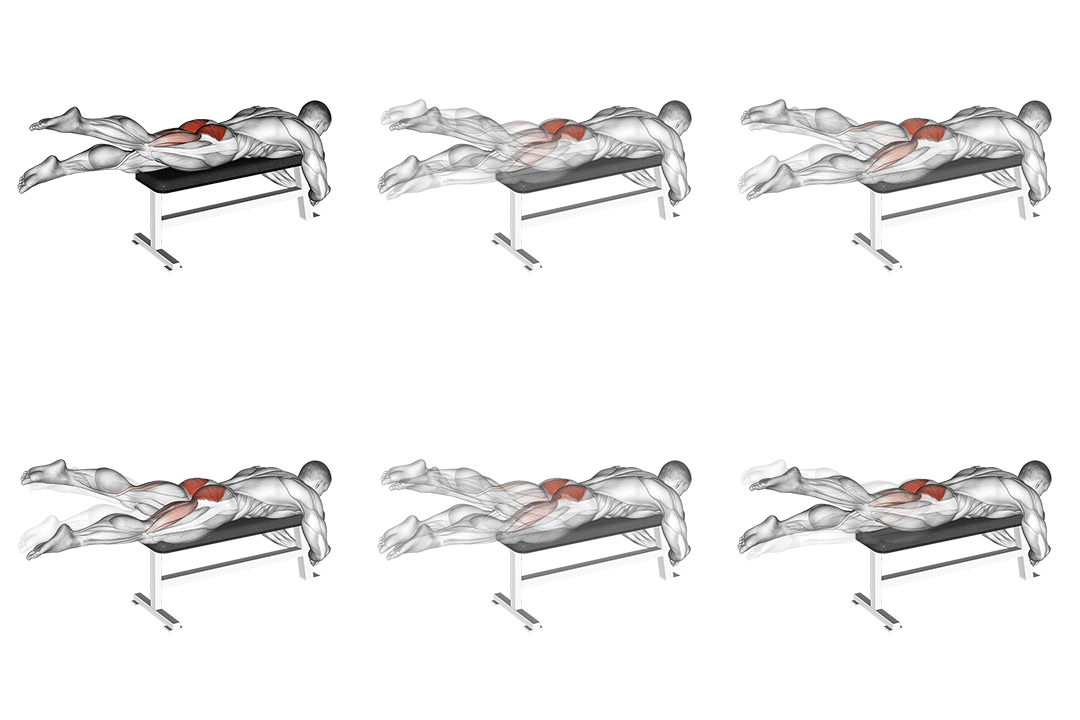
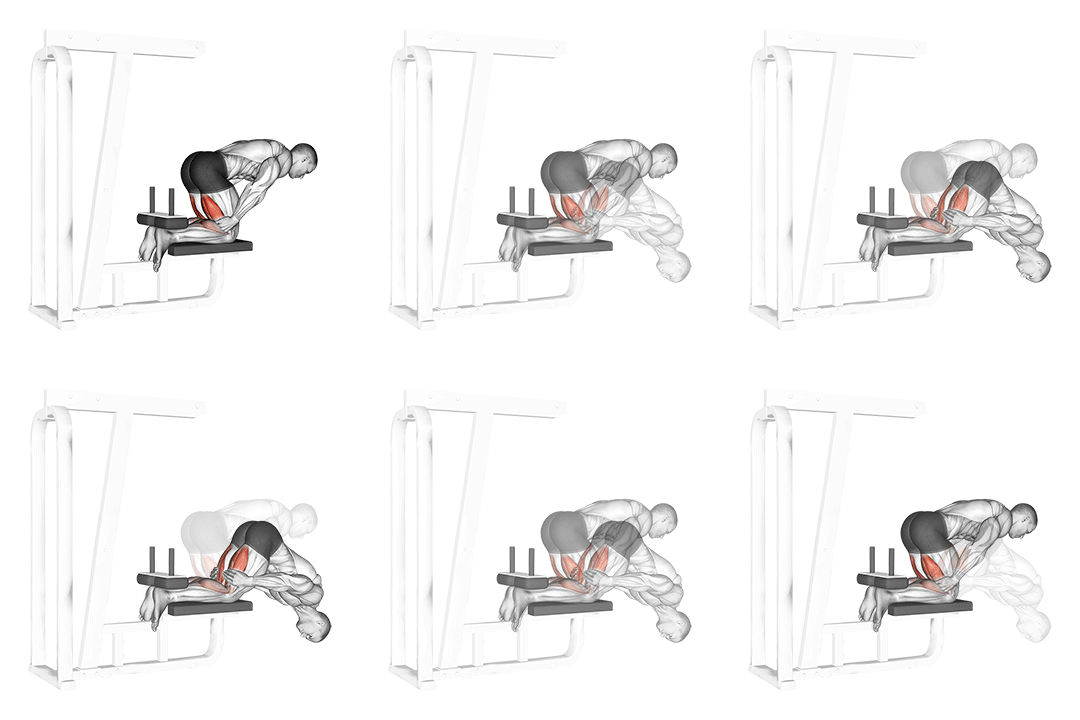
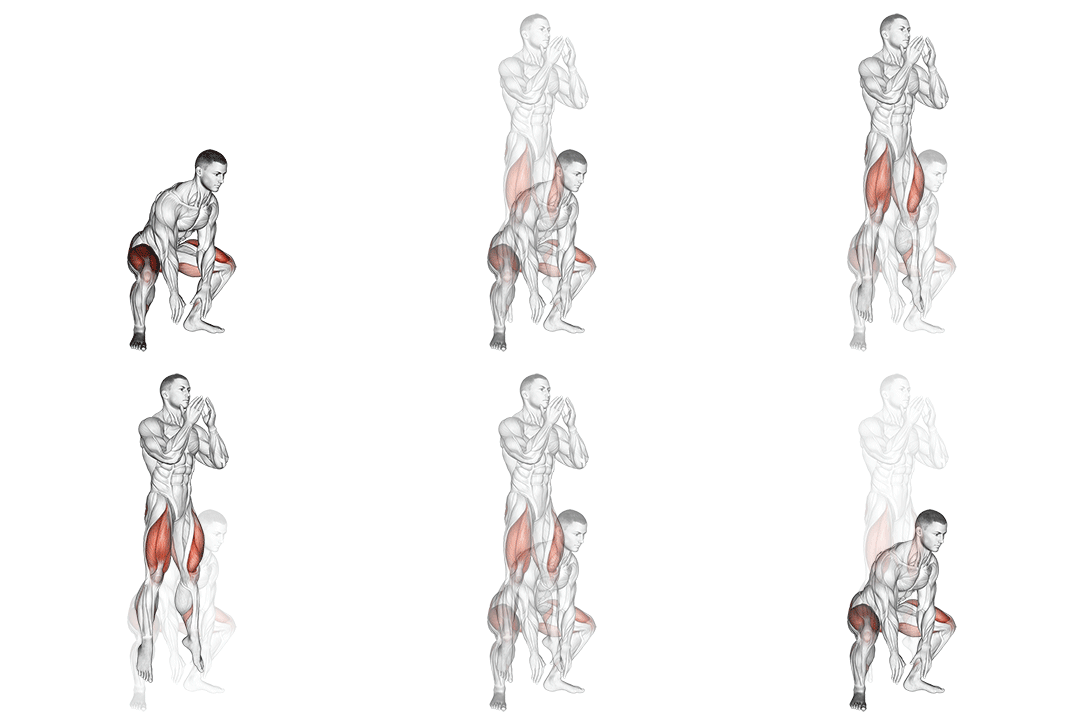
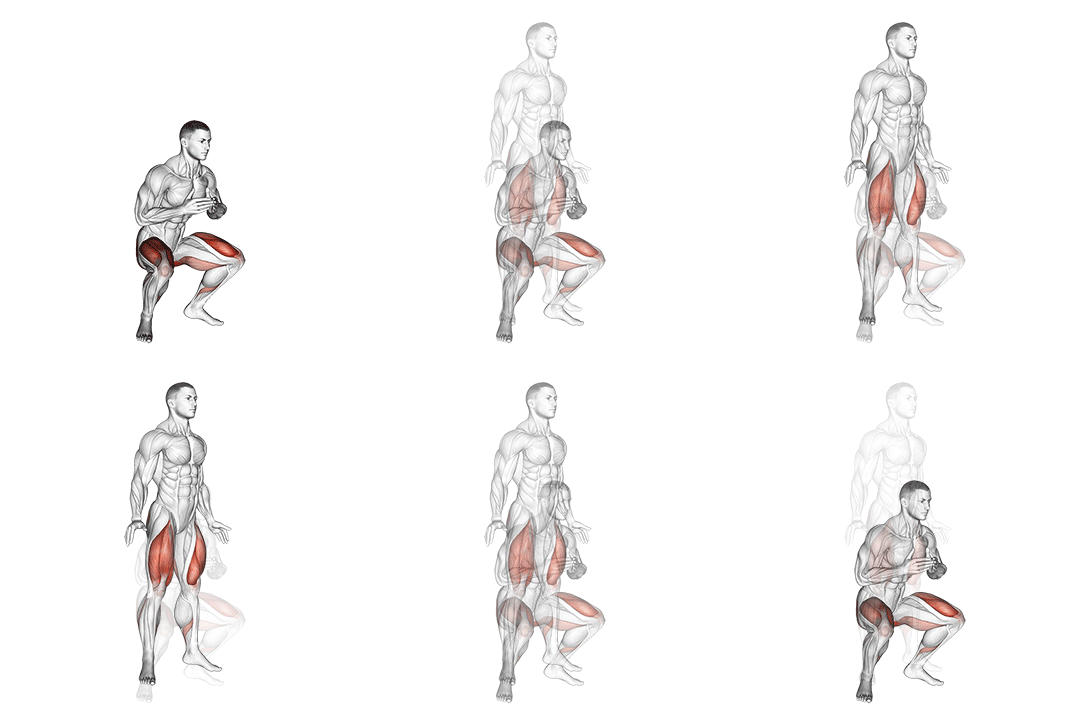
Side Hip Abduction
beginner strength exercise · body weight · targets abductors
- Body part
- upper legs
- Primary target
- abductors
- Equipment
- body weight
- Difficulty
- beginner
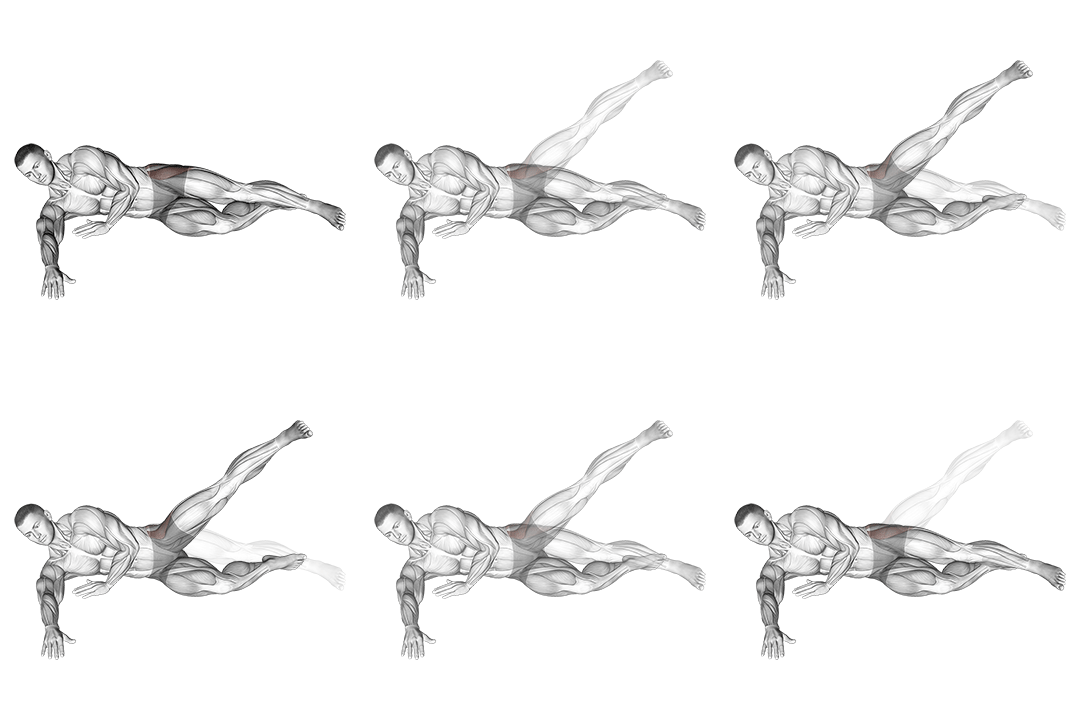
The side hip abduction is a foundational glute-medius exercise performed lying on one side, then lifting the top leg up and away from the body to engage the abductors. Despite the simple appearance, the exercise targets one of the most chronically weak muscle groups in modern adults — the glute medius (lateral glute), which controls hip stability during walking, running, and single-leg movements. Weak glute medius shows up as hip drop during walking, knee valgus during squats, and chronic lower-back tightness from compensation patterns. The glute medius receives little stimulus from compound lifts. Squats, deadlifts, and lunges work the glute maximus (large rear glute) but only partially engage the medius. Without dedicated training, the medius stays weak even in trained adults, contributing to the issues mentioned above. Side hip abduction addresses this directly, providing isolated abductor work that compound lifts can't replicate. Where this earns its place is as essential accessory work in any lower-body program. Combined with squats and lunges for compound work, the side hip abduction completes glute training and supports better movement quality in daily life and sport. The exercise is gentle enough for daily practice and accessible to trainees at any fitness level. For those addressing knee valgus, hip drop during running, or chronic lower-back issues, daily abductor work over 4-6 weeks produces noticeable functional improvement.
Why train the Side Hip Abduction?
- Strengthens the glute medius — chronically weak in modern adults.
- Improves hip stability during walking, running, and single-leg movements.
- Addresses knee valgus (knee cave-in) during squats by strengthening the abductors.
- Reduces hip drop during running gait, common in untrained athletes.
- Helps prevent IT band issues and chronic lower-back tightness.
- Pairs naturally with squats and lunges for complete glute development.
How to do the Side Hip Abduction: step by step
- 1Stand with your feet shoulder-width apart and your hands on your hips.
- 2Shift your weight to one leg and lift the opposite leg out to the side, keeping it straight.
- 3Pause for a moment at the top, then slowly lower your leg back down to the starting position.
- 4Repeat on the other side.
- 5Continue alternating sides for the desired number of repetitions.
Muscles worked
Primary
abductors
Secondary
glutes, quadriceps
Common mistakes to avoid
Letting the hips roll forward or back
The hips should stack vertically (one over the other) throughout. Rolling shifts work to the wrong muscles. Stay stacked through the full range.
Lifting the leg too high
The leg should rise only to about 30-45 degrees — beyond that, the hip flexors take over instead of the glute medius. Modest lift maintains glute focus.
Bouncing through reps
Slow controlled motion (1-2 seconds up, 2-3 seconds down) drives more glute medius stimulus than fast bouncing.
Pointing the toes upward
Toes should point forward or slightly down — not upward. Toes-up rotates the leg externally and shifts work to the hip flexors.
Skipping the second side
Always do both sides equally. Asymmetric practice reinforces existing imbalances.
Easier and harder variations
Easier
Reduce range of motion or do shorter sets (5-8 reps) until building strength.
Harder
Add ankle weights or resistance band looped around both ankles. Or hold the top position for 3-5 seconds per rep.
Alternative exercises
Single-leg glute bridge
Compound version that engages multiple glute muscles. Pair with side abduction for complete glute work.
Side bridge with hip abduction
Combined core and abductor exercise. More demanding; useful as progression.
Bulgarian split squat
Functional single-leg work that engages the abductors during loaded movement.
How to program the Side Hip Abduction into your training
Side hip abduction works as accessory work in any lower-body program. Sets and reps: 3 sets of 12-20 reps per side with 30-60 seconds rest. Frequency: 3-4 times per week. The glute medius recovers quickly and tolerates frequent training. In a session: 4 sets of 8 squats, 3 sets of 10 lunges, 3 sets of 15 side abduction per side, 3 sets of 12 calf raises. For those addressing knee valgus or hip drop: 4 sets of 15-20 reps daily, paired with squats and band pull-aparts. Daily training is fine due to the modest load.
Recovery and frequency
Minimal recovery cost. Daily training is tolerable. The glute medius recovers within 24 hours from this volume.
Frequently asked questions
How many sets and reps?
3 sets of 12-20 reps per side with 30-60 seconds rest.
How often?
3-4 times per week minimum, daily for those addressing imbalances.
Will this fix my hip drop?
Often yes. Hip drop during walking or running usually traces to glute medius weakness. Daily abductor work usually produces noticeable improvement within 4-6 weeks.
Why doesn't it feel intense?
The light load is appropriate for glute medius training. The muscle fatigues at high reps despite low load per rep — push for 18-20 reps to feel the burn.
Should I add weight?
Eventually, yes. Build to 4 sets of 20 strict bodyweight reps first; then add ankle weights or resistance bands.
Will this build glute size?
Some — the glute medius hypertrophies with consistent training. For glute size overall, combine with squats and hip thrusts (glute maximus emphasis).
Useful tools for this exercise
Build a workout with the Side Hip Abduction
Puna gives you guided bodyweight workouts you can do anywhere — no equipment, no gym, just structured progressions that build real strength.