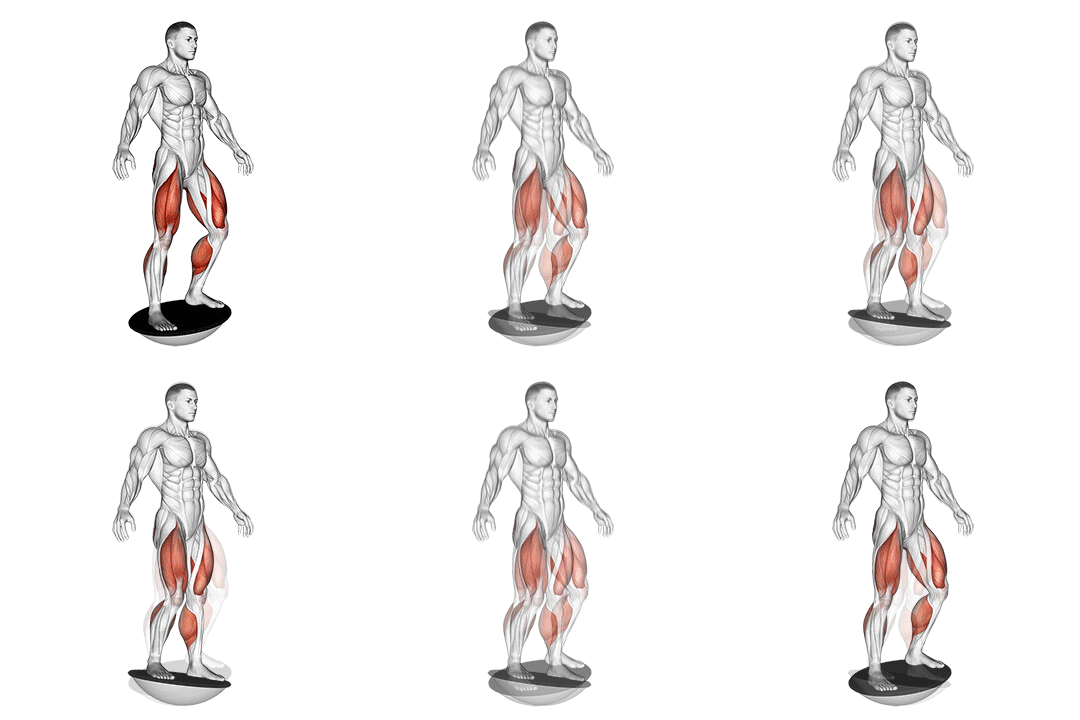
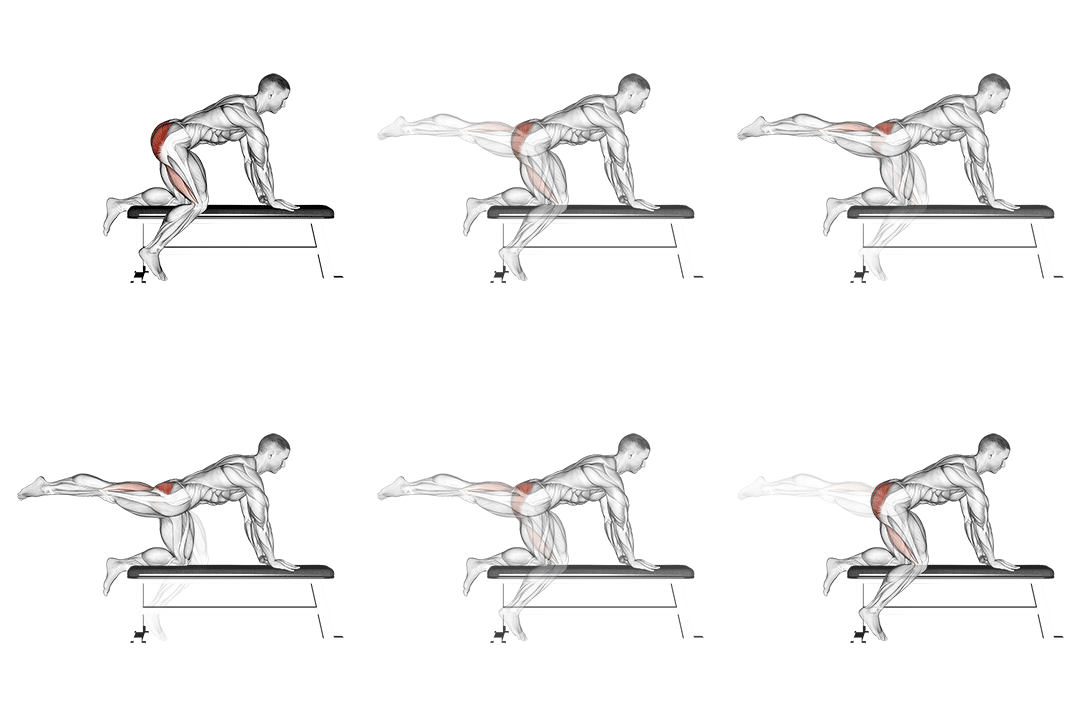
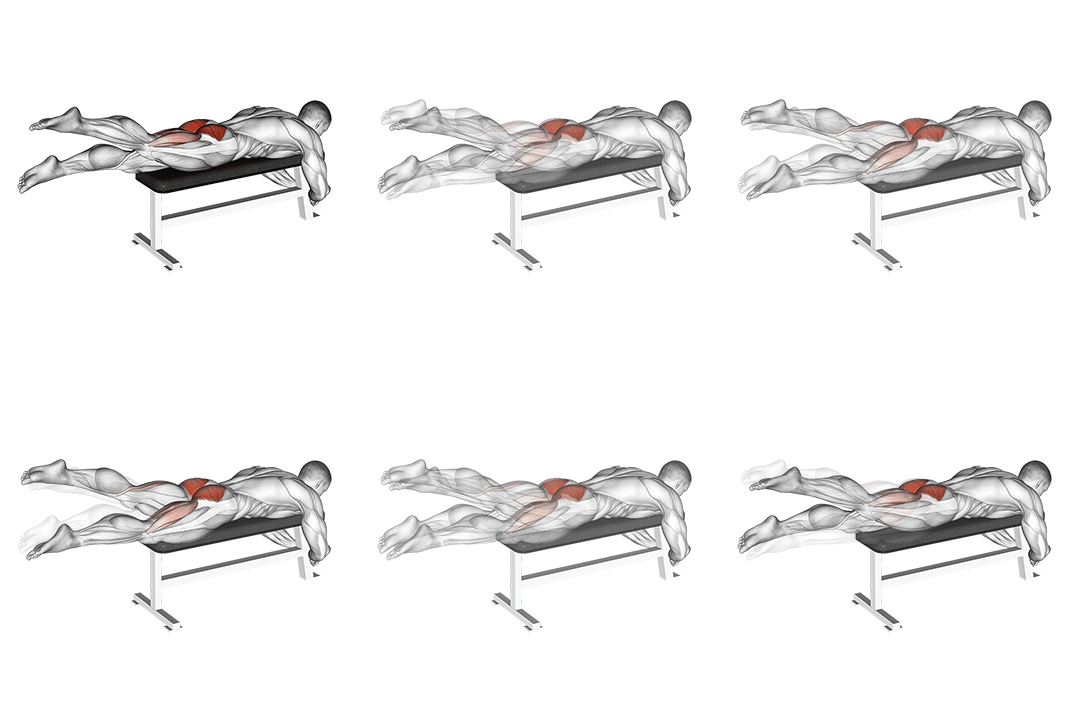
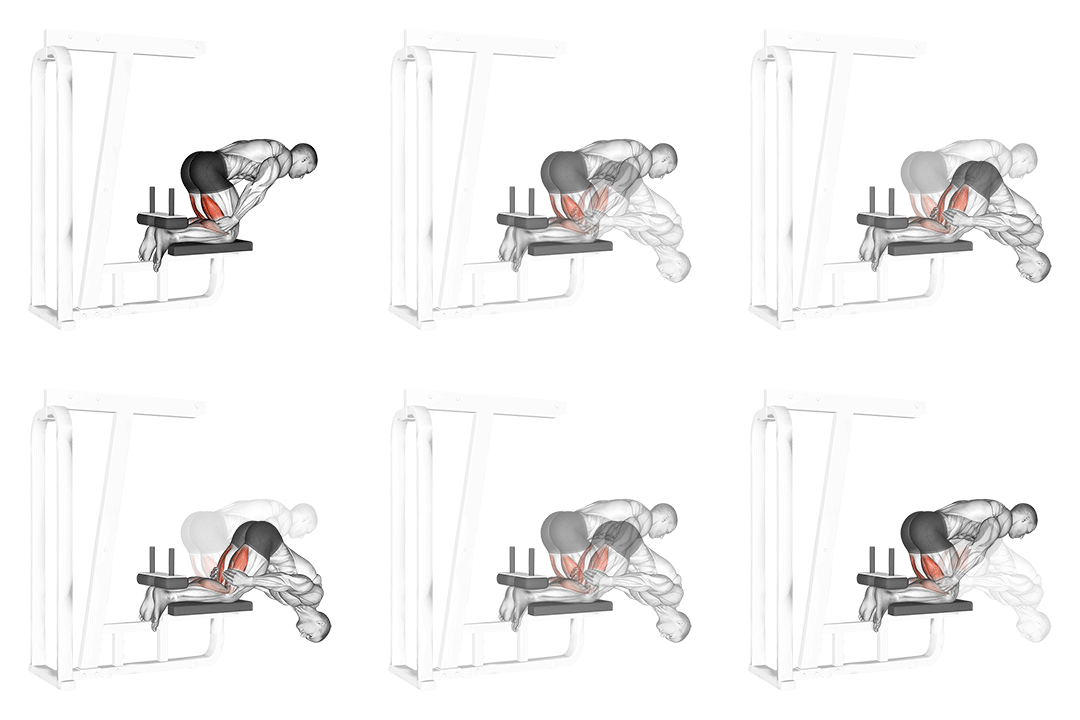
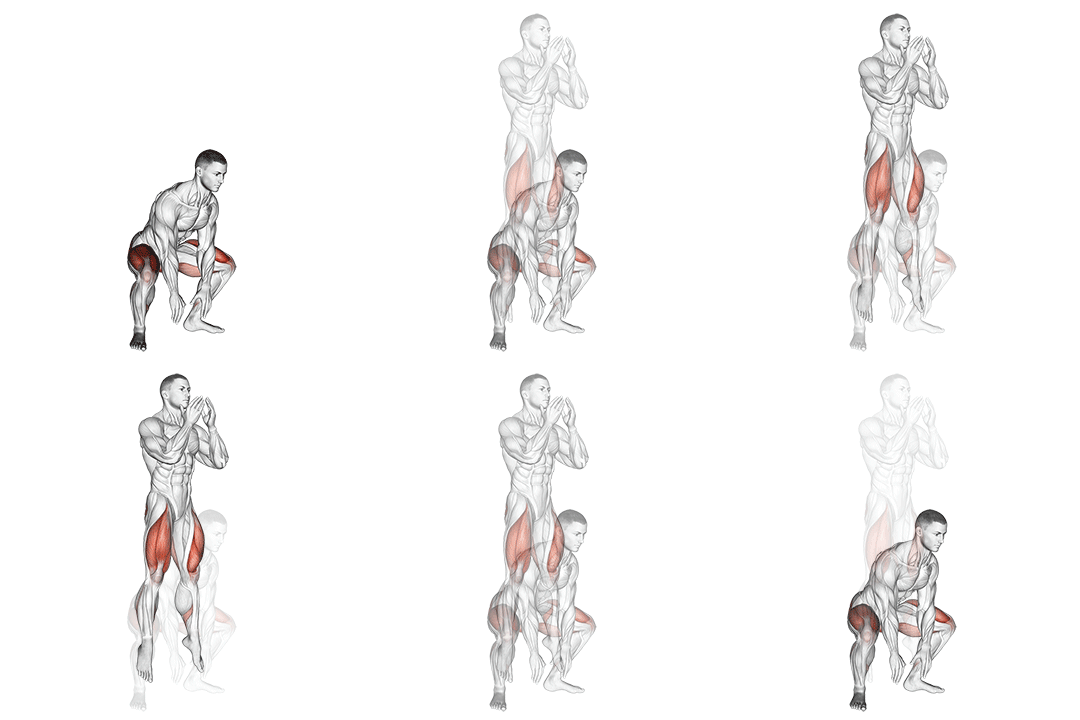
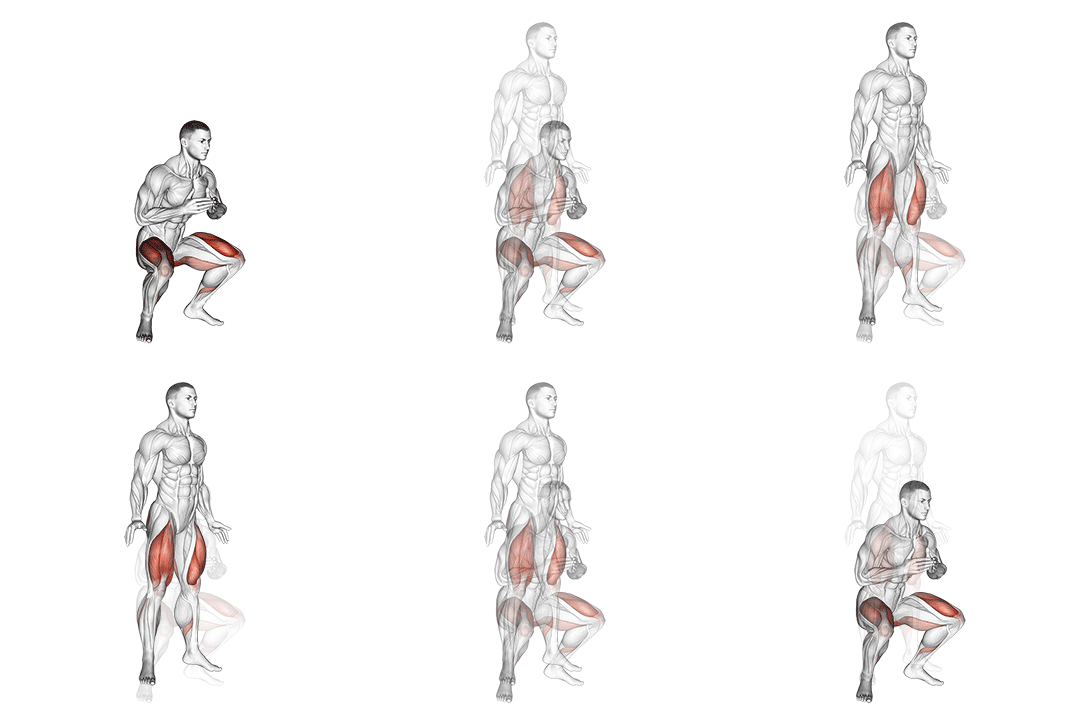
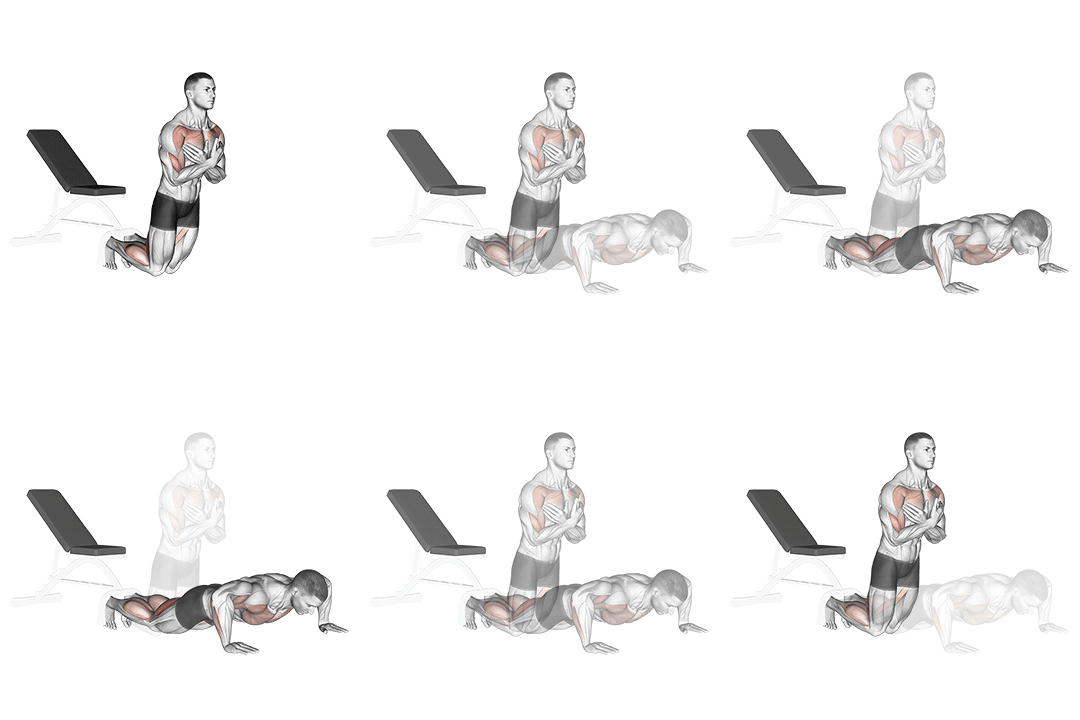
Self Assisted Inverse Leg Curl (on Floor)
intermediate strength exercise · body weight · targets hamstrings
- Body part
- upper legs
- Primary target
- hamstrings
- Equipment
- body weight
- Difficulty
- intermediate
The self-assisted inverse leg curl on floor is a hamstring exercise where you anchor your feet against a sturdy surface, kneel on the floor, and use your hands to assist as you slowly lower the body forward and pull back up using primarily the hamstrings. The 'self-assisted' element refers to the hands providing partial support during the demanding portions of the movement, making it an accessible introduction to inverse leg curl training before progressing to harder variations. Most trainees can't perform full inverse leg curls without assistance — the hamstring load is severe. The self-assisted version lets you train the pattern at appropriate intensity while building toward the unassisted version over weeks or months. The hands act as a 'rep saver' through the hardest portion of the lowering and pull-up phases, allowing more total reps with controlled form. The trade-off versus dedicated glute-ham raise machines is the equipment-free accessibility. Any sturdy anchor (couch, bench, partner holding the feet) works as the foot anchor. The exercise builds the foundational hamstring strength that supports glute-ham raises, Romanian deadlifts, and athletic posterior chain performance. Programmed 1-2 times per week as accessory work, the self-assisted inverse leg curl produces meaningful hamstring development without weights or specialized equipment.
Why train the Self Assisted Inverse Leg Curl (on Floor)?
- Provides accessible introduction to inverse leg curl training before progressing to advanced variations.
- Builds the hamstrings through the demanding knee-flexion pattern under near-bodyweight load.
- Develops the foundational strength supporting glute-ham raises and Romanian deadlifts.
- Trains the eccentric (lowering) phase of hamstring contraction effectively.
- Useful in equipment-limited contexts (no machines required).
- Pairs naturally with squats and lunges for complete posterior chain training.
How to do the Self Assisted Inverse Leg Curl (on Floor): step by step
- 1Lie flat on your back with your legs extended and your arms by your sides.
- 2Bend your knees and place your feet flat on the ground, hip-width apart.
- 3Lift your hips off the ground, engaging your glutes and hamstrings.
- 4Slowly curl your legs towards your glutes, keeping your hips lifted.
- 5Pause for a moment at the top, then slowly extend your legs back to the starting position.
- 6Lower your hips back down to the ground.
- 7Repeat for the desired number of repetitions.
Muscles worked
Primary
hamstrings
Secondary
glutes, calves
Common mistakes to avoid
Using too much hand assistance
Hand support should make the rep possible, not easy. Use the minimum assistance needed to control the descent and return.
Insufficient anchor stability
The feet must be firmly anchored. Slipping during reps is unsafe and trains nothing useful.
Bouncing through the bottom
Control the descent fully. Bouncing puts impact load on the knees and hamstrings.
Programming too aggressively
1-2 sessions per week is appropriate. Hamstrings need 48-72 hours recovery from this demanding work.
Hyperextending the lower back
Keep the body straight from knees to head. Lumbar arching during the pull-up phase reduces hamstring stimulus and stresses the back.
Easier and harder variations
Easier
Use more hand assistance to make reps manageable. Or perform partial range — only descending halfway before pulling back. Or use a band attached overhead for additional support.
Harder
Reduce hand assistance gradually until performing unassisted inverse leg curls. Or progress to glute-ham raises (no anchor required). Or add weight (vest) to existing variations.
Alternative exercises
Inverse leg curl (bench support)
Different anchor setup with bench support. Similar stimulus.
Glute-ham raise
Advanced unassisted version. Progression goal from self-assisted work.
Romanian deadlift
Hip extension hamstring work. Different function; pairs with knee flexion exercises.
How to program the Self Assisted Inverse Leg Curl (on Floor) into your training
Self-assisted inverse leg curls work as accessory hamstring work in lower-body programs. Sets and reps: 3 sets of 4-8 reps with 90-120 seconds rest. Frequency: 1-2 times per week. Hamstrings need 48-72 hours recovery. In a session: 4 sets of 8 squats, 3 sets of 8 RDLs, 3 sets of 6 self-assisted inverse leg curls, 3 sets of 12 calf raises. For those building toward glute-ham raises: progress through self-assisted versions over 8-16 weeks. Don't program on the same day as heavy deadlifts.
Recovery and frequency
Steep recovery cost. 48-72 hours between sessions. Watch for hamstring strains (warrant immediate stopping).
Frequently asked questions
How many sets and reps?
3 sets of 4-8 reps with 90-120 seconds rest.
How often?
1-2 times per week. Hamstrings recover slowly from this demanding work.
Why do I need hand assistance?
Bodyweight loading on hamstrings during knee flexion is severe. Most trainees can't perform full reps without assistance initially.
Will this build hamstrings?
Yes — significantly more directly than most compound lifts. The knee flexion function gets dedicated training.
How do I anchor my feet?
Sturdy couch, bench, partner holding feet, or weighted barbell across heels. Test stability before applying full load.
When should I progress?
Once you can do reps with minimal hand assistance, work toward fully unassisted reps over weeks.
Useful tools for this exercise
Build a workout with the Self Assisted Inverse Leg Curl (on Floor)
Puna gives you guided bodyweight workouts you can do anywhere — no equipment, no gym, just structured progressions that build real strength.