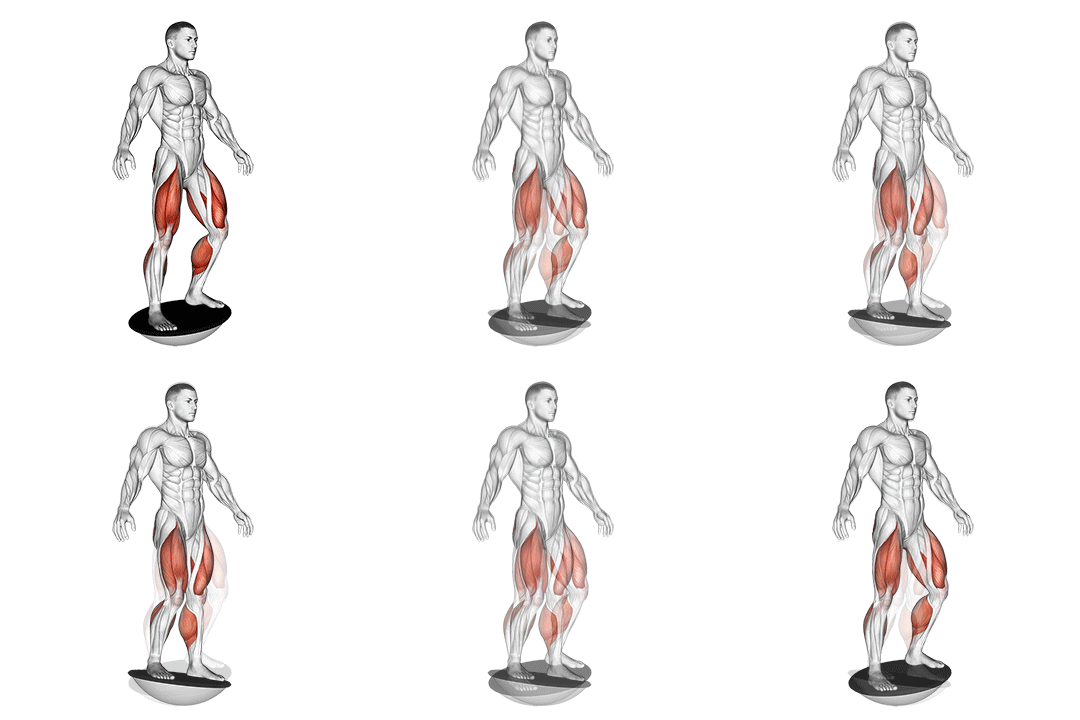
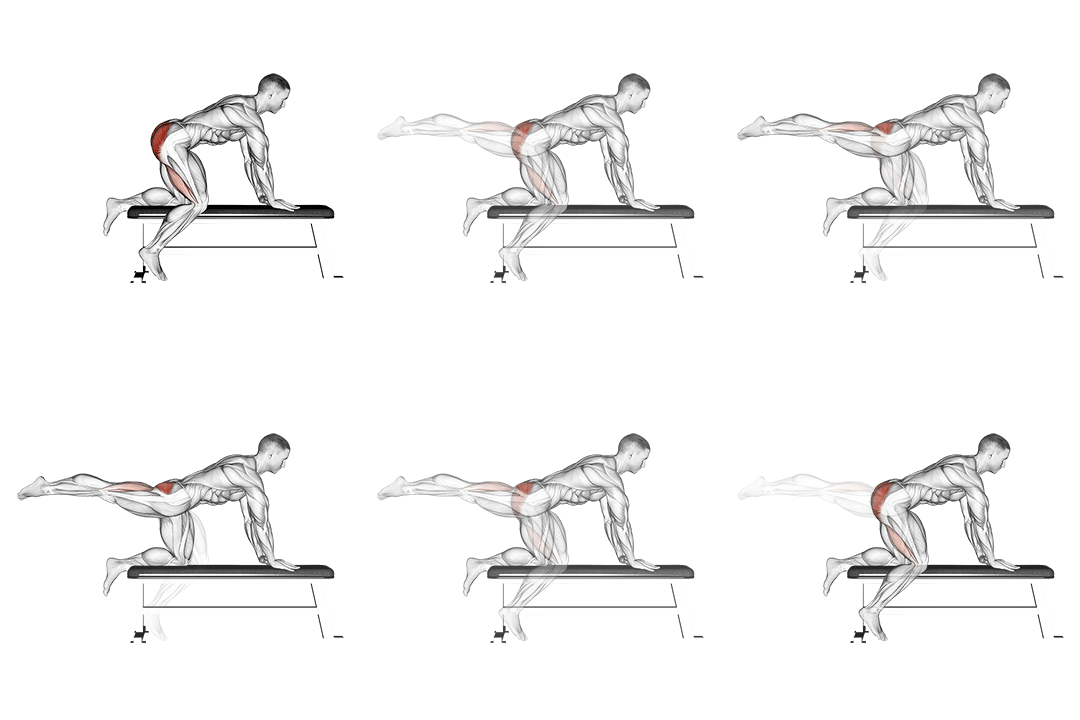
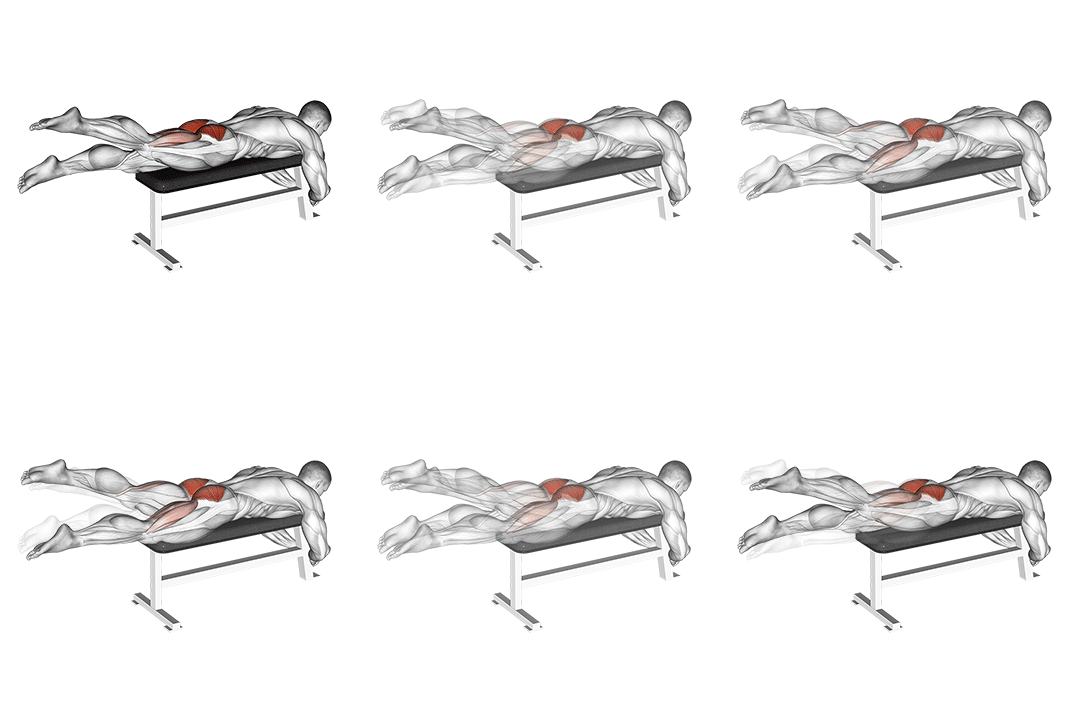
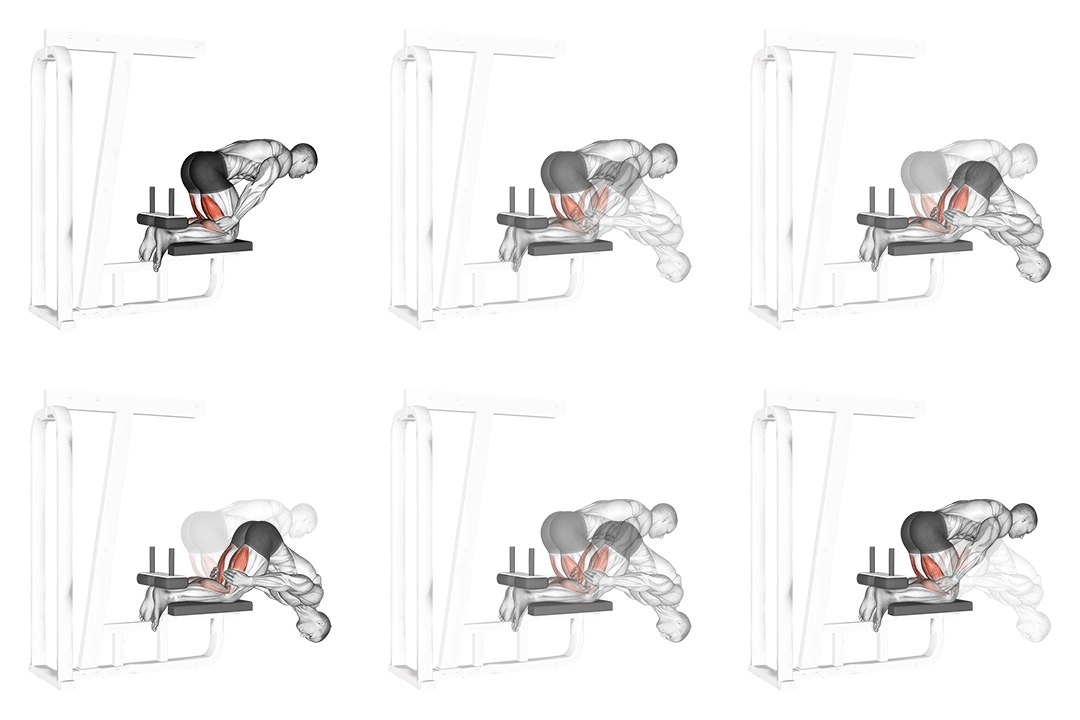
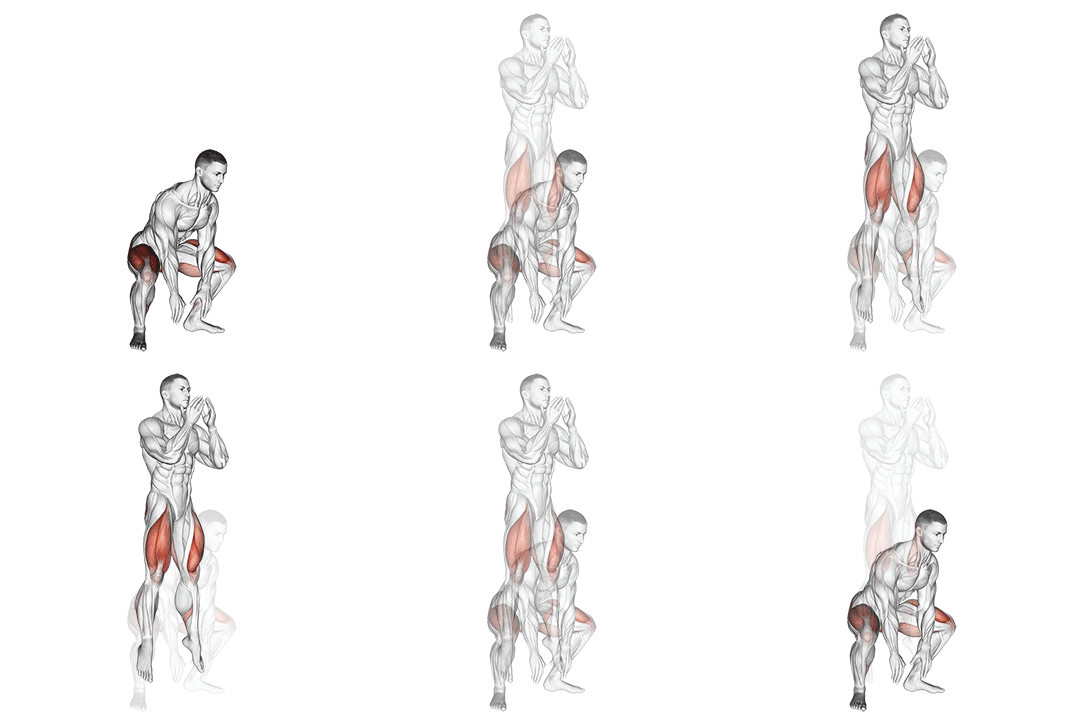
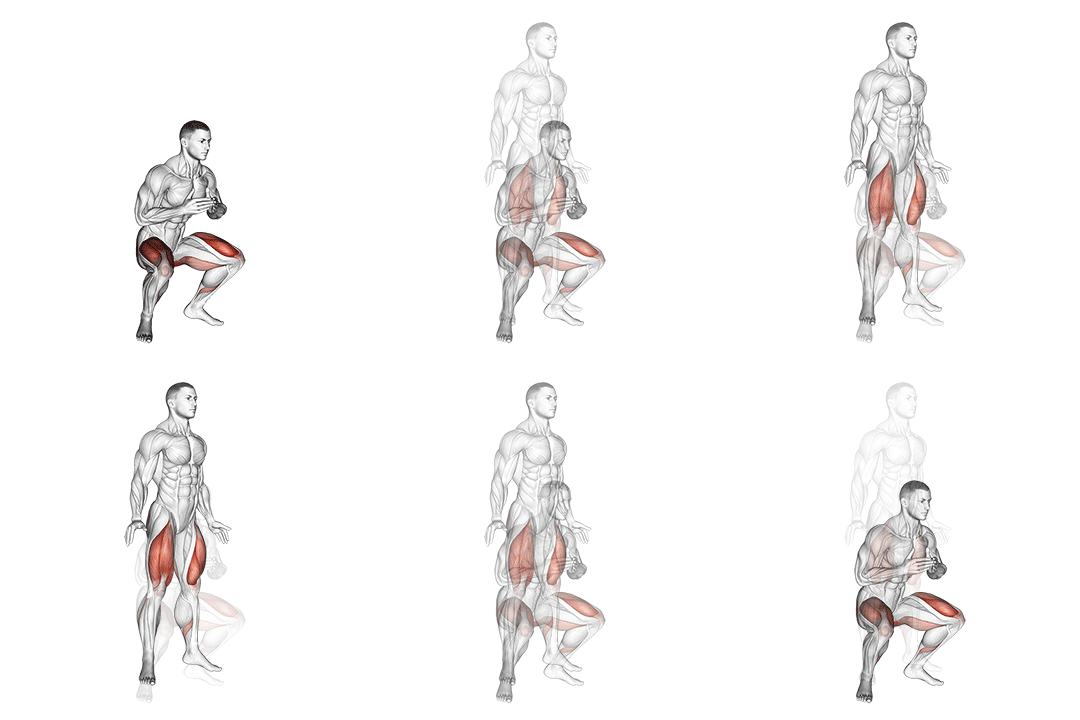
Self Assisted Inverse Leg Curl
beginner strength exercise · body weight · targets hamstrings
- Body part
- upper legs
- Primary target
- hamstrings
- Equipment
- body weight
- Difficulty
- beginner
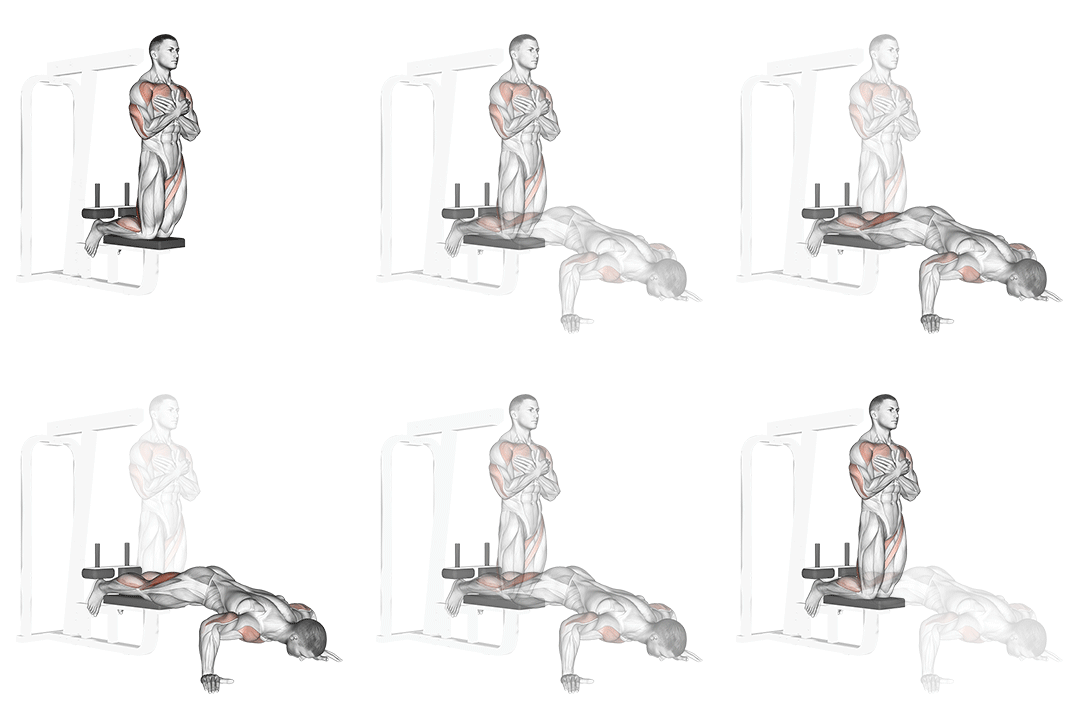
The self-assisted inverse leg curl (beginner version) is a more accessible variant of the floor-based inverse leg curl, with greater hand assistance and shallower range of motion. Performed in a kneeling position with feet anchored, the exercise lets beginners introduce hamstring knee-flexion training at appropriate intensity before progressing to harder variations. This is the entry-point version of inverse leg curl progressions. The deeper range and reduced assistance of more advanced variations are typically inaccessible to trainees in the first weeks of attempting this exercise pattern. The beginner version allows productive training from session one, building the hamstring strength and movement familiarity that subsequent harder variations build on. Over 4-8 weeks, most trainees develop enough strength to reduce assistance and increase range, transitioning to the more advanced versions. Where this earns its place is as the accessible foundation in inverse leg curl programming. Combined with squats and Romanian deadlifts in a comprehensive lower-body routine, the beginner self-assisted inverse leg curl produces foundational hamstring strength without the demands or risks of advanced variations. For trainees in early phases of bodyweight training or returning from injury, this exercise opens up productive hamstring work that other exercises don't quite match.
Why train the Self Assisted Inverse Leg Curl?
- Provides accessible introduction to inverse leg curl training for beginners.
- Builds foundational hamstring strength through the knee-flexion pattern.
- Suitable for those returning from lower-body injury at appropriate stages.
- Develops the movement pattern that supports advanced hamstring exercises.
- Useful in equipment-limited contexts.
- Pairs naturally with foundational squats and lunges in beginner programs.
How to do the Self Assisted Inverse Leg Curl: step by step
- 1Lie flat on your back on a mat or bench with your legs extended.
- 2Place your hands by your sides or under your glutes for support.
- 3Bend your knees and lift your feet off the ground, bringing your thighs towards your chest.
- 4Pause for a moment at the top, then slowly lower your legs back to the starting position.
- 5Repeat for the desired number of repetitions.
Muscles worked
Primary
hamstrings
Secondary
glutes, calves
Common mistakes to avoid
Bouncing through reps
Speed undermines the hamstring activation. Slow controlled motion is essential.
Insufficient anchor stability
The feet must be firmly anchored. Test stability before applying full bodyweight.
Skipping warm-up
The hamstring load is significant even in the beginner version. Warm up with brief cardio and dynamic stretches before sets.
Advancing too quickly
Stay in the beginner version until 8-12 strict reps feel manageable. Premature progression to harder variants risks hamstring strains.
Programming too frequently
1-2 sessions per week is appropriate. The hamstring load benefits from substantial recovery time.
Easier and harder variations
Easier
Use more hand assistance and shallower range. Or use band assistance attached overhead.
Harder
Progress to the intermediate version with less hand assistance and full range. Eventually move to glute-ham raises.
Alternative exercises
Self assisted inverse leg curl (intermediate)
Natural progression with less assistance. Use after 4-8 weeks at beginner level.
Romanian deadlift
Hip extension hamstring work. Different function; valuable complement.
Glute bridge
Easier glute and hamstring work. Foundation for posterior chain training.
How to program the Self Assisted Inverse Leg Curl into your training
Beginner self-assisted inverse leg curls work as introductory hamstring work. Sets and reps: 3 sets of 6-10 reps with 90 seconds rest. Frequency: 1-2 times per week. In a beginner session: 3 sets of 8 squats, 3 sets of 8 self-assisted inverse leg curls, 3 sets of 10 calf raises. For 4-8 weeks at beginner level before progressing to harder variations. Don't program on the same day as heavy lower-body work.
Recovery and frequency
Recovery within 48-72 hours. Watch for hamstring soreness or strains.
Frequently asked questions
How many sets and reps?
3 sets of 6-10 reps with 90 seconds rest.
How often?
1-2 times per week.
When should I progress?
After 4-8 weeks of consistent training, when 8-12 reps feel manageable with minimal assistance.
Will this build hamstrings?
Foundational development. For serious strength, progress to harder variations over months.
What if I can't do any reps?
Use more hand assistance. The exercise should be possible with appropriate help.
Is this safe?
Generally yes when feet are properly anchored and form is controlled. Sharp pain warrants stopping.
Useful tools for this exercise
Build a workout with the Self Assisted Inverse Leg Curl
Puna gives you guided bodyweight workouts you can do anywhere — no equipment, no gym, just structured progressions that build real strength.