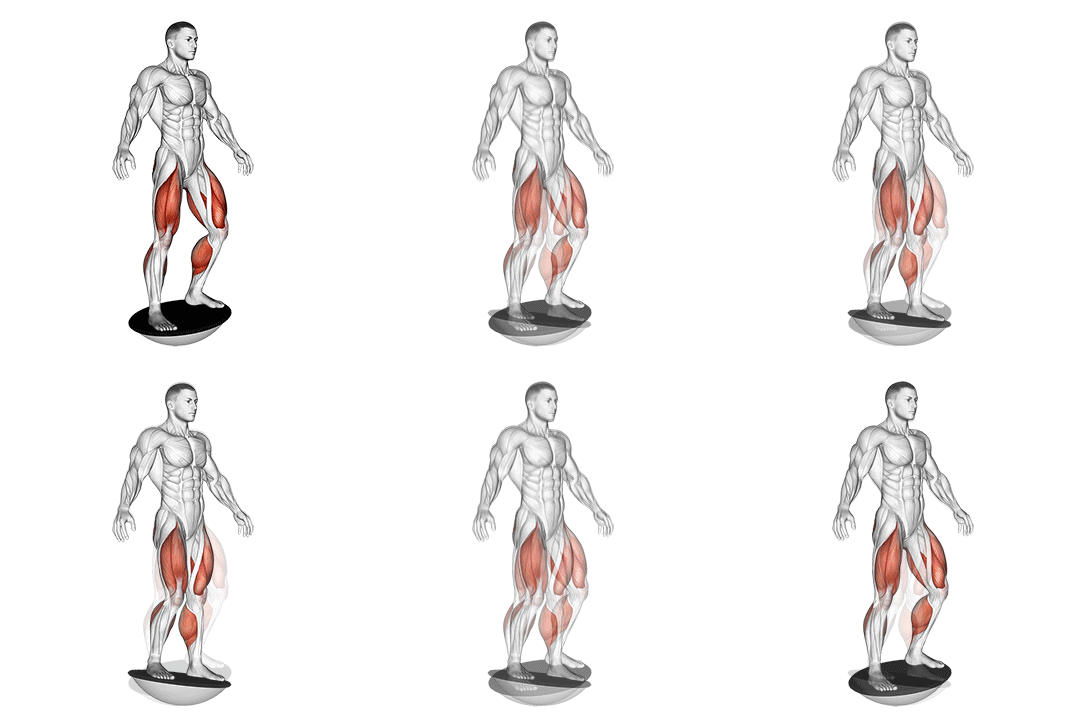
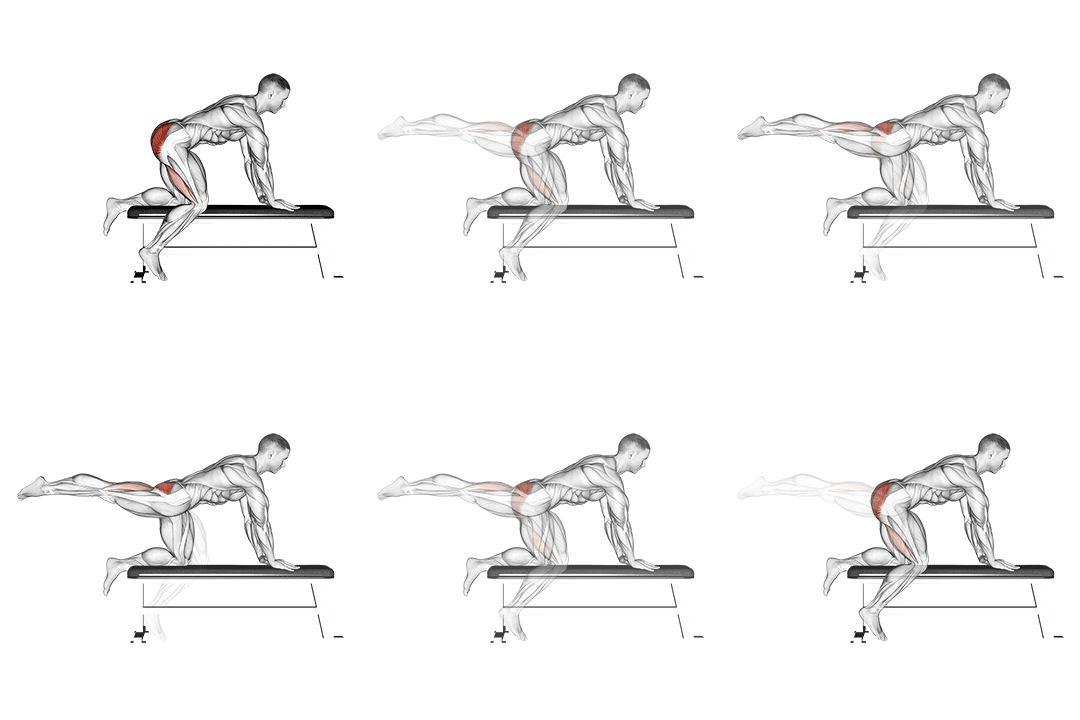
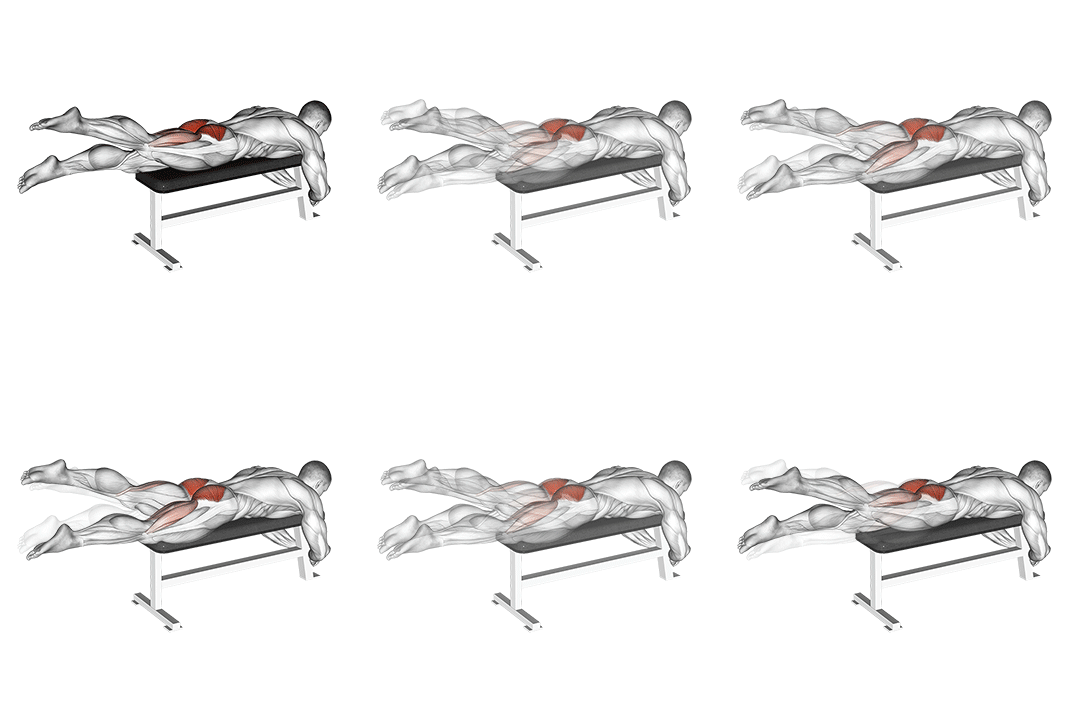
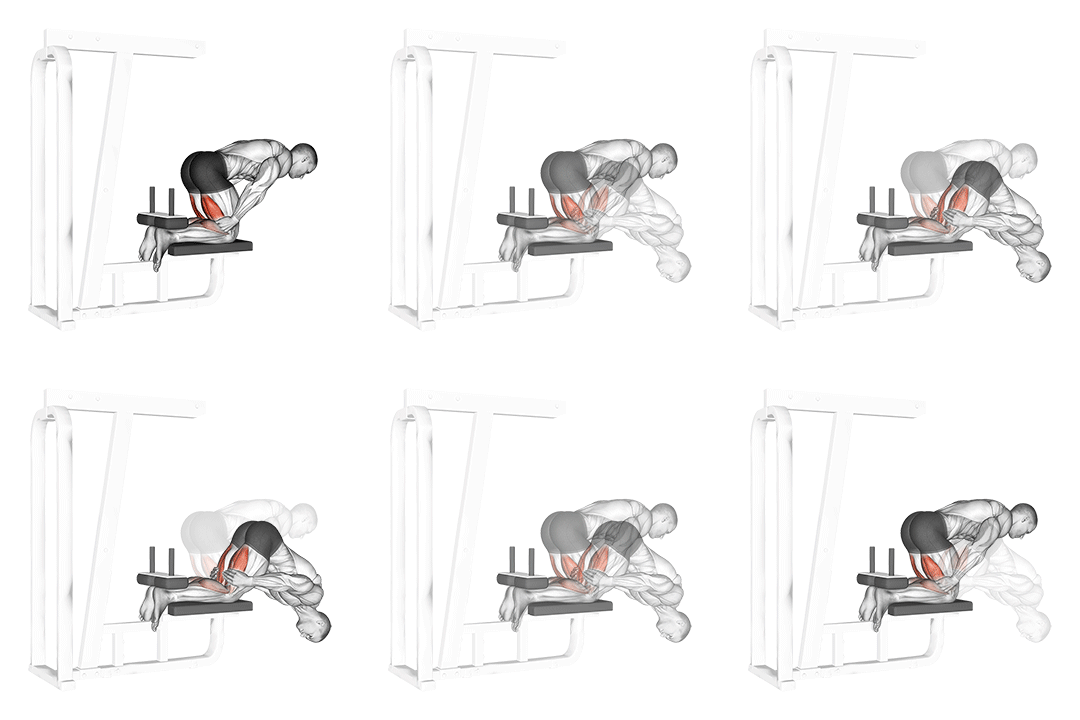
Seated Wide Angle Pose Sequence
beginner stretching exercise · body weight · targets hamstrings
- Body part
- upper legs
- Primary target
- hamstrings
- Equipment
- body weight
- Difficulty
- beginner
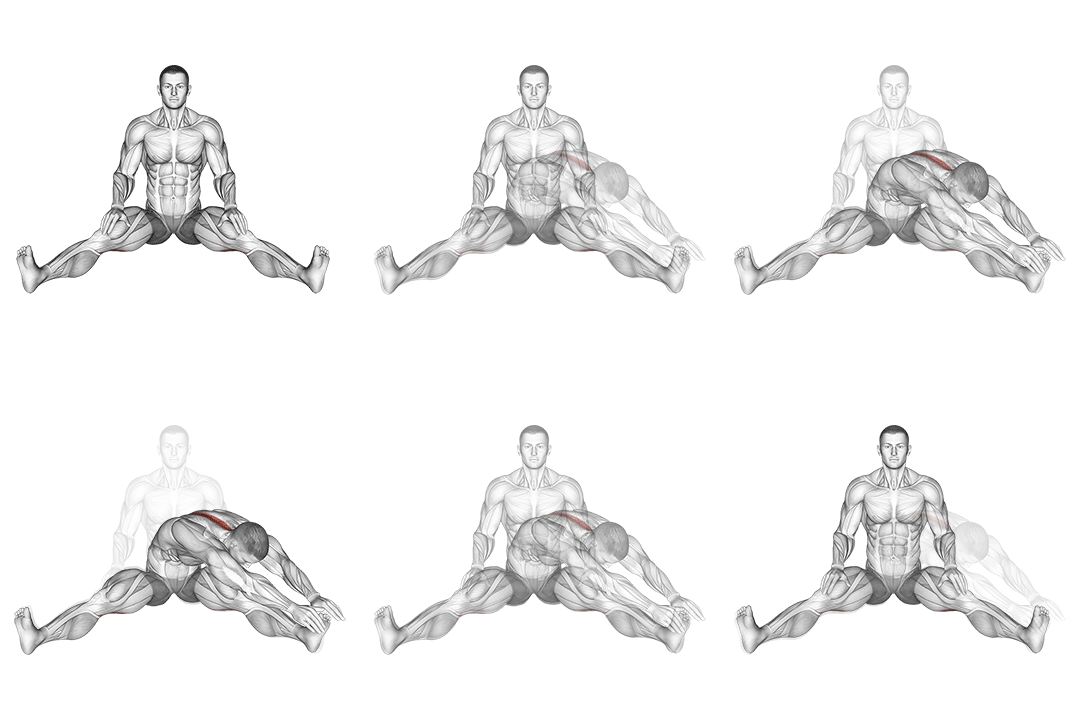
The seated wide angle pose sequence is a yoga-derived hamstring and inner thigh mobility drill performed sitting on the floor with legs spread wide and the body folding forward over them. The wide-leg position addresses both the hamstrings (through the forward fold) and the adductors (through the wide leg position) simultaneously, providing efficient lower-body mobility work in a single posture. This exercise targets two chronically tight areas in modern adults — hamstrings and adductors. Most stretches address one or the other; the wide angle pose hits both at once. For trainees in equipment-limited contexts who want comprehensive lower-body mobility in minimal time, the seated wide angle pose provides one of the highest-leverage drills available. Where this earns its place is as a daily mobility habit, particularly for trainees who do regular squatting work or have desk-bound lifestyles. Combined with hip flexor stretches and calf mobility, daily wide angle practice over 4-6 weeks produces noticeable improvement in squat width, hip range, and lower-body comfort.
Why train the Seated Wide Angle Pose Sequence?
- Combines hamstring and adductor stretching in one position.
- Addresses two of the most common chronic tightness patterns simultaneously.
- Improves squat width through adductor lengthening.
- Reduces groin strain risk in athletic contexts.
- Suitable for all fitness levels including older adults.
- Pairs naturally with butterfly pose and forward folds for compound hip mobility.
How to do the Seated Wide Angle Pose Sequence: step by step
- 1Sit on the ground with your legs extended in a wide angle.
- 2Flex your feet and engage your quadriceps.
- 3Place your hands on the ground behind you for support.
- 4Keeping your back straight, lean forward from your hips.
- 5Continue leaning forward until you feel a stretch in your hamstrings.
- 6Hold this position for a few breaths.
- 7Slowly release the stretch and return to the starting position.
- 8Repeat for the desired number of repetitions.
Muscles worked
Primary
hamstrings
Secondary
quadriceps, calves
Common mistakes to avoid
Forcing the position
Forceful pressure can strain the hamstrings or inner thighs. Apply gentle persistent pressure.
Rounding the back excessively
Hinge from the hips with the spine relatively neutral. Some rounding is unavoidable for very tight people; minimize it.
Holding the breath
Breathe slowly throughout. Each exhale supports gradual release.
Holding too short
60-90 seconds in the position produces meaningful tissue change.
Pressing knees outward forcefully
If knees flop outward naturally, fine. Pressing them forcefully can stress the joints.
Easier and harder variations
Easier
Sit on a folded blanket to elevate the hips. Or reduce leg spread until you have the mobility for wider position.
Harder
Add deeper forward fold over each leg alternately. Or hold ankles or feet rather than just leaning forward.
Alternative exercises
Butterfly pose
Alternative adductor stretch with feet together. Different position; pairs naturally.
Frog pose
Deeper adductor stretch in quadruped. Use as progression.
Seated forward fold (legs together)
Pure hamstring focus. Use alongside wide angle for complete posterior chain work.
How to program the Seated Wide Angle Pose Sequence into your training
Daily routine: 1-2 sets of 60-90 seconds, once or twice per day. Post-workout cooldown: After lower-body sessions. For those with chronic adductor tightness: 3-4 sessions per day combined with hip flexor work. For athletes in cutting sports: 2 sessions per day to maintain adductor mobility.
Recovery and frequency
Zero recovery cost. Daily practice safe.
Frequently asked questions
How long?
60-90 seconds in the position, 1-2 sets per session.
How often?
Daily.
Will this help my squat?
Often yes. Adductor mobility supports better squat width and depth.
Why can't I fold further forward?
Tight hamstrings and adductors. Daily practice over 4-6 weeks usually opens up significantly.
Wide angle vs butterfly pose?
Wide angle has legs straight and apart; butterfly has soles together. Different muscle emphasis. Use both for compound hip work.
Can I do this with hip issues?
Often yes with reduced range. Sit on cushion, reduce leg spread. Consult a physiotherapist for current issues.
Useful tools for this exercise
Build a workout with the Seated Wide Angle Pose Sequence
Puna gives you guided bodyweight workouts you can do anywhere — no equipment, no gym, just structured progressions that build real strength.