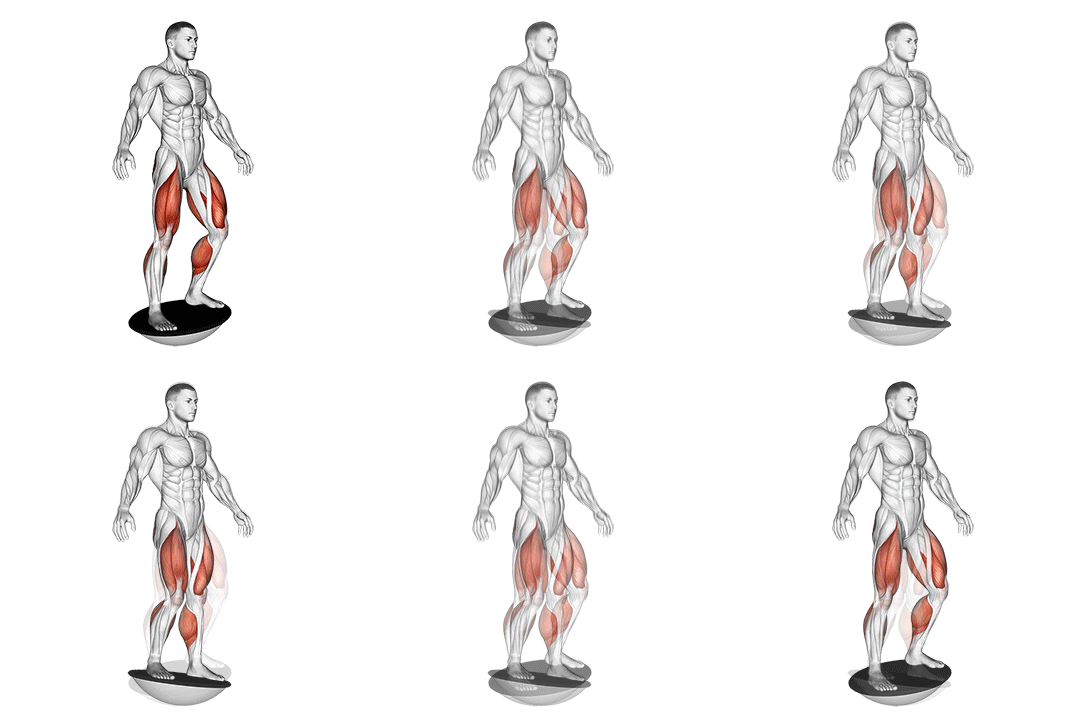
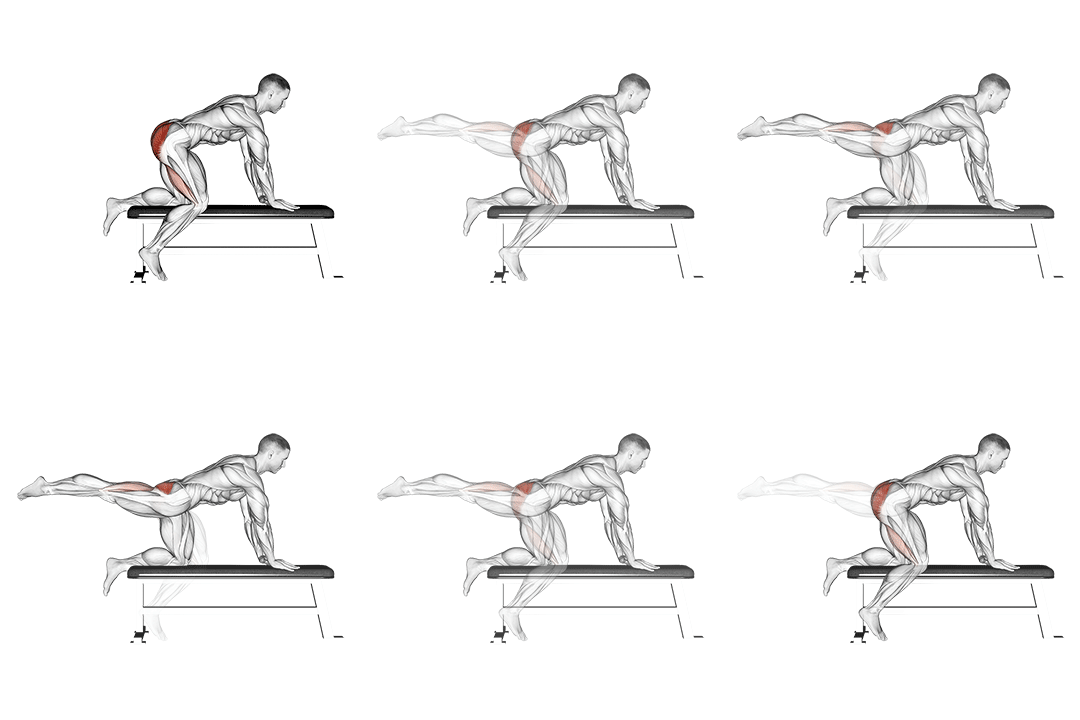
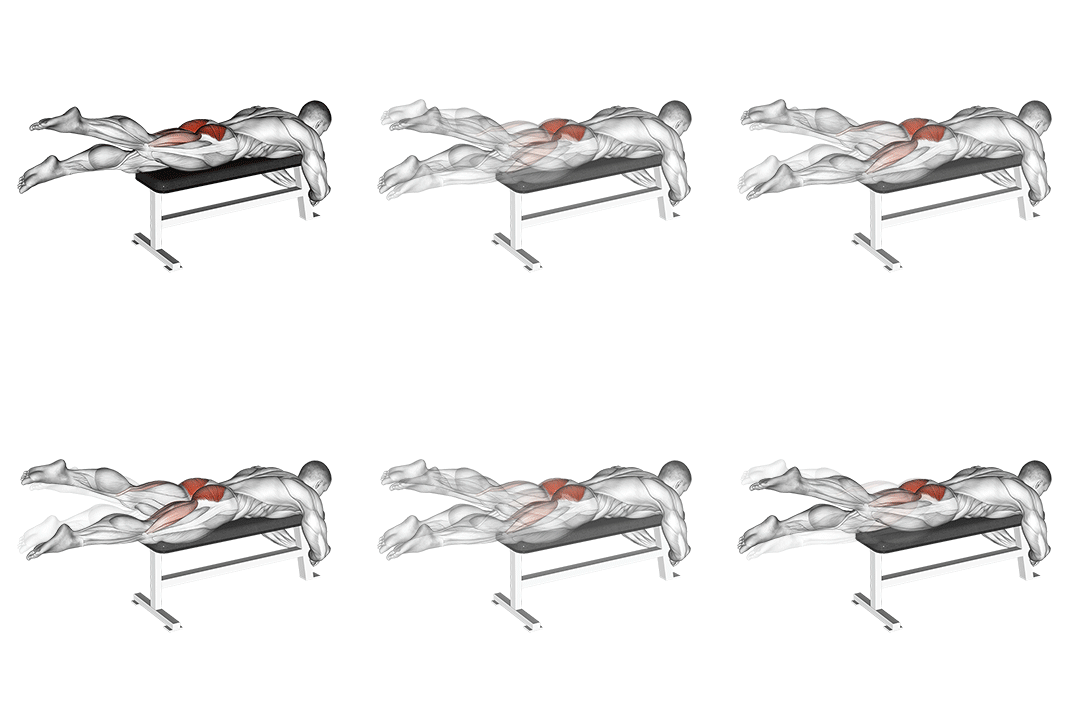
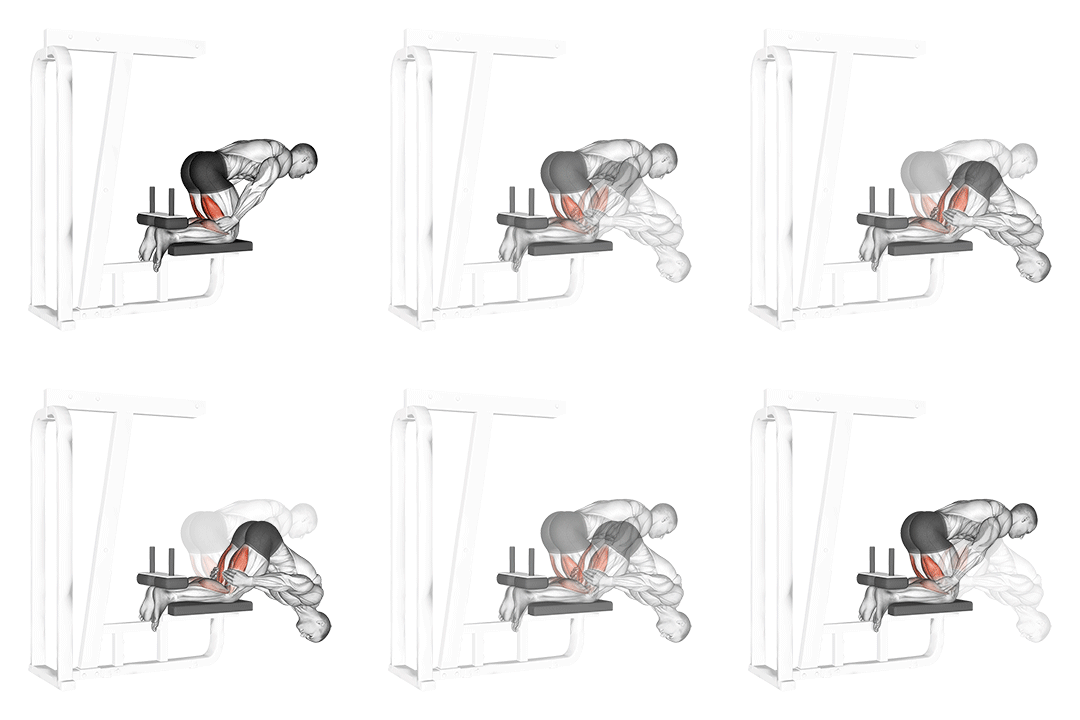
Seated Piriformis Stretch
beginner stretching exercise · body weight · targets glutes
- Body part
- upper legs
- Primary target
- glutes
- Equipment
- body weight
- Difficulty
- beginner
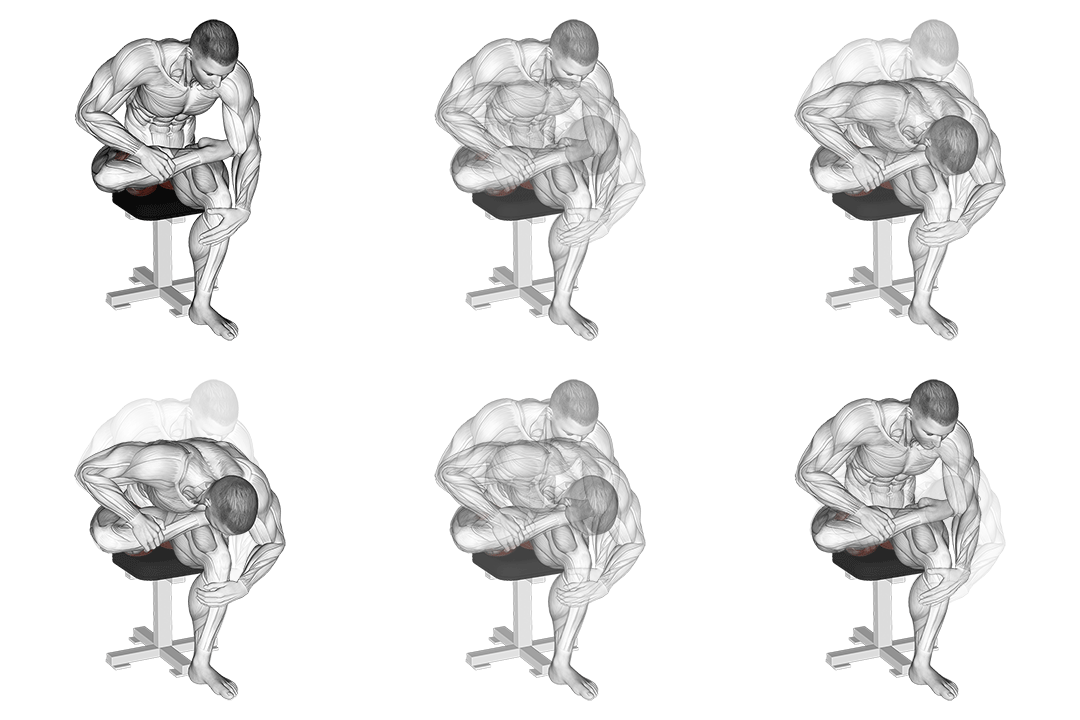
The seated piriformis stretch is a targeted glute and hip rotator mobility drill performed sitting in a chair, then crossing one ankle over the opposite knee in a 'figure 4' position. Leaning forward gently produces a deep stretch through the glute and the deeper external rotator muscles (piriformis specifically). The stretch is named for the piriformis muscle's role in lateral hip rotation — and in the chronic tightness many adults experience as 'sciatica-feeling' discomfort. The piriformis sits deep in the hip beneath the gluteus maximus, and the sciatic nerve passes either through or near it. When the piriformis tightens (common in adults from sitting and asymmetric movement patterns), it can compress the sciatic nerve and produce sciatica-like symptoms — even when the actual sciatic nerve and discs are healthy. This is sometimes called 'piriformis syndrome' and responds well to dedicated stretching. Where this earns its place is as targeted mobility work for sciatica-feeling hip and leg discomfort, and as general daily glute mobility for desk-bound adults. The seated chair-based version is particularly accessible during work hours, allowing brief mobility breaks without leaving the desk. Combined with hip flexor stretches and lower-back mobility, daily practice over 4-6 weeks usually resolves piriformis-related symptoms.
Why train the Seated Piriformis Stretch?
- Targets the piriformis and deeper external rotators specifically.
- Often resolves sciatica-feeling discomfort when the cause is piriformis tightness rather than disc issues.
- Releases chronic glute tightness from sedentary patterns.
- Improves hip rotation that supports better squat depth.
- Accessible during desk-bound work — usable in any chair.
- Pairs naturally with hip flexor stretches for compound hip mobility.
How to do the Seated Piriformis Stretch: step by step
- 1Sit on the ground with your legs extended in front of you.
- 2Bend your right knee and place your right foot on the outside of your left knee.
- 3Place your left elbow on the outside of your right knee and gently twist your torso to the right.
- 4Hold the stretch for 20-30 seconds, then switch sides and repeat.
Muscles worked
Primary
glutes
Secondary
hamstrings
Common mistakes to avoid
Forcing the position
Aggressive pressure can stress the knee or lower back. Gentle persistent pressure produces release.
Rounding the back
Hinge from the hips. Rounding shifts stretch into the lower back.
Holding too short
30-45 seconds per side minimum.
Skipping the second side
Always do both sides equally.
Letting the working knee lift
The crossed leg's knee should stay relaxed. Lifting it reduces the stretch.
Easier and harder variations
Easier
Reduce forward lean depth.
Harder
Lean further forward. Or progress to lying figure-4 stretch or pigeon pose for deeper work.
Alternative exercises
Lying figure-4 stretch
Floor-based version with similar benefit. Use when floor space is available.
Pigeon pose
Deeper yoga variation. Use as progression.
Seated glute stretch
Floor-based version. Different position; pairs naturally.
How to program the Seated Piriformis Stretch into your training
Daily routine: 1-2 sets of 30-45 seconds per side, multiple times per day during long sitting. Desk-break protocol: 30 seconds per side every 90-120 minutes. For those with sciatica-feeling symptoms: 4-5 sessions per day combined with hip flexor work.
Recovery and frequency
Zero recovery cost. Daily practice safe.
Frequently asked questions
How long?
30-45 seconds per side.
How often?
Multiple times per day during desk work.
Will this fix my sciatica?
Sometimes — if the cause is piriformis tightness rather than actual sciatic nerve or disc issues. Consult a physiotherapist for proper diagnosis.
Why is this called piriformis stretch?
Targets the piriformis muscle deep in the hip. This muscle's tightness can produce sciatica-like symptoms.
Can I do this at my desk?
Yes — desk-friendly position, no obvious motion.
Why does my hip pop?
Painless popping is normal — joint structures shifting. Painful popping warrants assessment.
Useful tools for this exercise
Build a workout with the Seated Piriformis Stretch
Puna gives you guided bodyweight workouts you can do anywhere — no equipment, no gym, just structured progressions that build real strength.