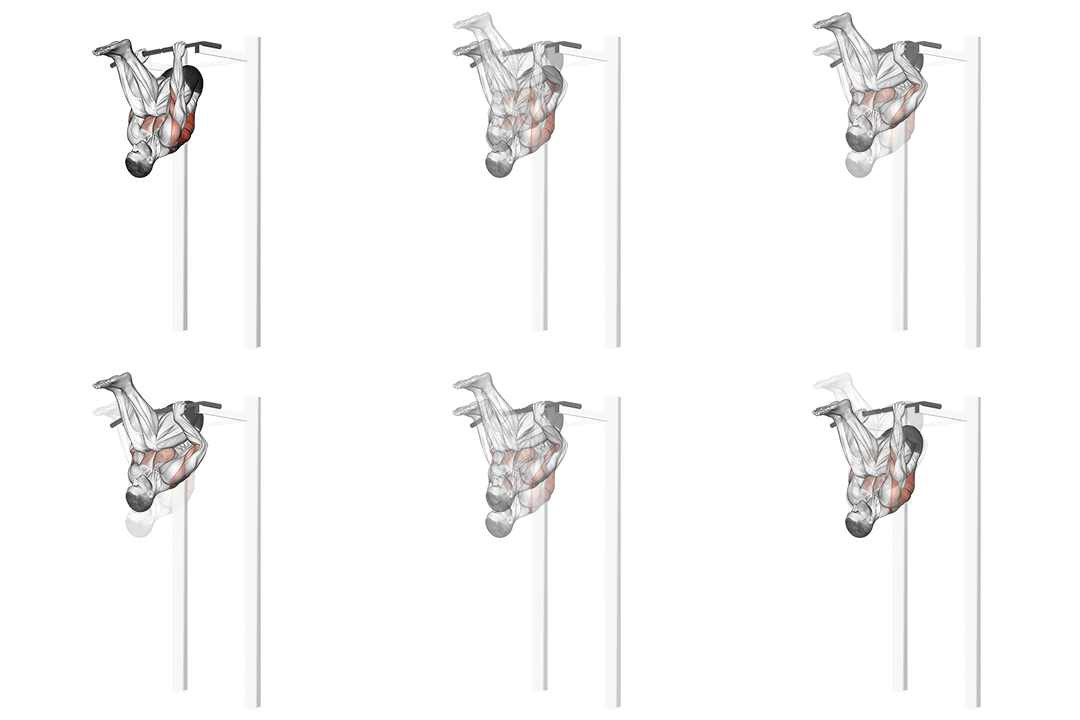
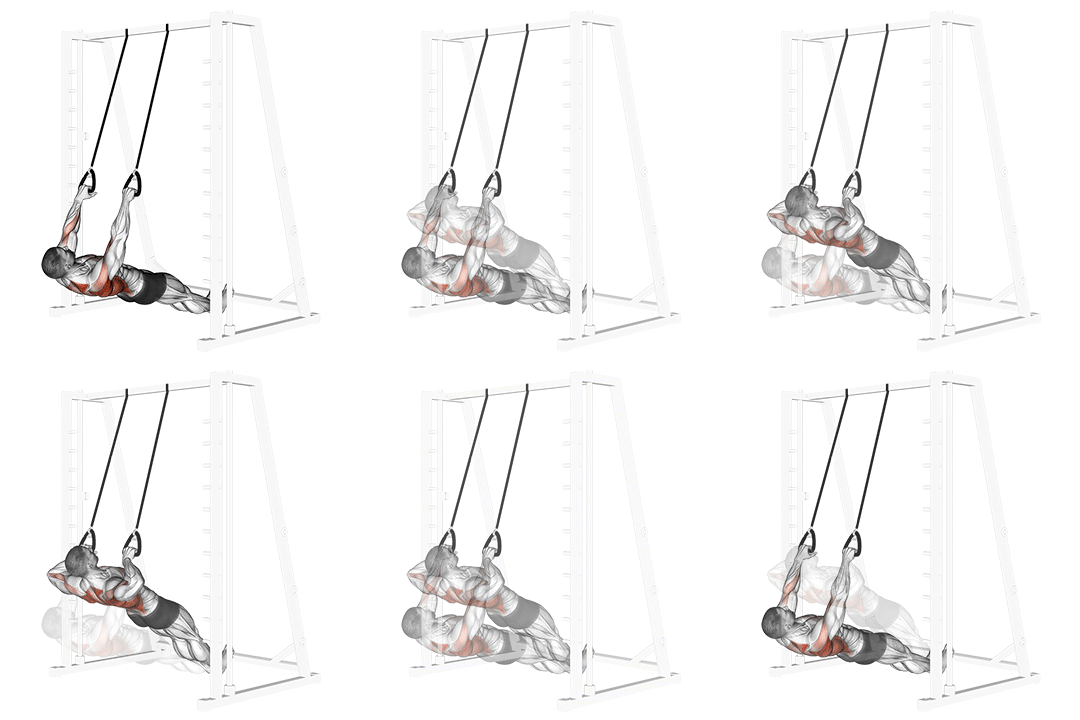
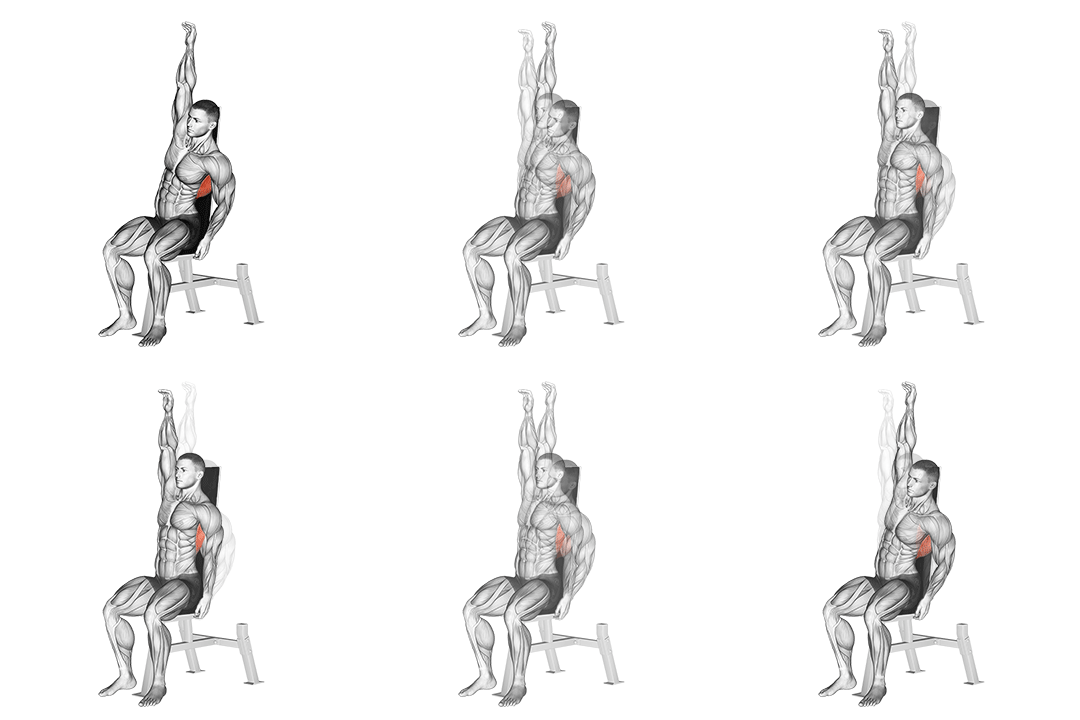
Seated Lower Back Stretch
beginner stretching exercise · body weight · targets lats
- Body part
- back
- Primary target
- lats
- Equipment
- body weight
- Difficulty
- beginner
The seated lower back stretch is one of the most accessible mobility drills in any training program — performed simply by sitting on the edge of a chair with feet flat on the floor, hands resting on thighs, and slowly leaning forward from the hips. The goal isn't extreme range; it's gentle lengthening of the lower back muscles and surrounding fascia after long periods of sitting or before lower-body work. The accessibility makes it usable in virtually any setting: office, plane, restaurant, anywhere with a chair. Most adults accumulate chronic lower-back tightness from sedentary life. Hours of sitting compress the discs, shorten the hip flexors, and quietly accumulate muscular tension in the spinal erectors and surrounding tissue. Most people don't notice it explicitly until they try a deeper stretch or wake up with morning stiffness — the tension was always there, just below conscious awareness. The seated lower back stretch addresses this in 60-90 seconds and integrates so easily into daily routines that adherence becomes automatic. Where this stretch earns its place is as desk-time maintenance rather than as a deep workout-time stretch. For deeper lower-back work, supine stretches (knees-to-chest, supine spinal twist, child's pose) reach more range. The seated version provides accessible daily exposure that prevents chronic tightness from accumulating, which is often more practically useful than occasional intense stretching sessions. Combined with hip flexor mobility work and reasonable core strengthening, it forms a foundation for healthy lower-back function across decades of sedentary work life.
Why train the Seated Lower Back Stretch?
- Provides accessible lower-back mobility maintenance during desk-bound days.
- Counters the chronic tightness from prolonged sitting in 60-90 seconds.
- Improves blood flow to the lower back muscles, particularly useful before lower-body workouts.
- Reduces the morning stiffness that accumulates from extended sitting periods.
- Costs nothing, requires only a chair, and integrates into any work routine.
- Suitable for all fitness levels including those with chronic lower-back issues.
How to do the Seated Lower Back Stretch: step by step
- 1Sit on the edge of a chair with your feet flat on the ground.
- 2Place your hands on your thighs or on the sides of the chair for support.
- 3Slowly lean forward from your hips, keeping your back straight.
- 4Feel the stretch in your lower back and hold for 20-30 seconds.
- 5Slowly return to the starting position and repeat for the desired number of repetitions.
Muscles worked
Primary
lats
Secondary
glutes, hamstrings
Common mistakes to avoid
Rounding the back instead of hinging from hips
The lean should come from the hips with the back staying relatively neutral. Rounding the lower back during the lean stresses the discs in a flexed position. Hinge forward from the hip joint, keeping the spine straight.
Bouncing at the bottom
Bouncing triggers the muscle's stretch reflex and shortens it — the opposite of what static stretching achieves. Hold the stretched position still and let the tissue gradually release.
Holding for too short a time
5-10 second holds barely cue the muscle to soften. Aim for at least 30 seconds, ideally 45, and you'll feel the tension noticeably soften about halfway through the hold.
Forcing the stretch
Aggressive forward lean can stress the discs, especially for trainees with disc issues. Apply only enough lean to feel a clean stretch — no pain, no sharp sensations. Gentle persistent pressure works better than forceful stretching.
Skipping when 'feeling fine'
Lower-back tightness develops gradually and many people don't notice until it's already restricting movement. Daily practice prevents the gradual accumulation. Show up even when nothing feels obviously tight.
Easier and harder variations
Easier
Reduce the forward lean — sometimes just sitting upright with hips pressed back into the chair is enough for chronically tight lower backs. Build forward lean depth over weeks as the back adapts.
Harder
Add a gentle spinal twist — after the forward lean, place one hand on the opposite knee and gently rotate the torso. The added rotation deepens the stretch through different fibers. Or progress to supine knees-to-chest stretches for deeper lower-back work.
Alternative exercises
Child's pose
Yoga pose that provides deeper lower-back stretch when floor space is available. Use for workout-time stretching; the seated version for desk-time.
Knees-to-chest stretch
Supine version that deepens the lower-back stretch. More effective for tissue lengthening but requires lying on the floor.
Cat-cow
Different mobility drill that addresses lower-back through dynamic flexion-extension. Pair with the seated stretch for compound mobility work.
How to program the Seated Lower Back Stretch into your training
The seated lower back stretch works best as a frequent desk-break practice rather than as a workout component. Desk-break protocol: 1 set of 30-45 seconds every 60-90 minutes during long sitting sessions. Tied to existing triggers (between meetings, before each coffee), the routine builds without willpower cost. Daily routine: 2 sets of 30 seconds at any seated moment — at the desk, on the couch, during a phone call. Total time investment is 1-2 minutes per day. During travel: 1 set of 60 seconds every 90-120 minutes during long flights or car rides. The seated stretch counters lower-back stiffness from prolonged immobility. For those with chronic lower-back tightness: 4-5 mini-sessions per day at 30 seconds each. Combined with daily hip flexor mobility and core strengthening, most people see noticeable improvement in lower-back comfort within 4-6 weeks. For older adults: 2-3 sessions per day at 30 seconds. The seated position is safer than floor-based stretches for those with balance concerns or trouble getting to the floor. Don't program this as a primary lower-back stretch when deeper variations are available. Use it for desk-time maintenance, not workout-time stretching.
Recovery and frequency
The seated lower back stretch has zero recovery cost. Daily practice is safe and ideal. The only warning sign is sharp pain (rather than gentle stretch sensation) during the lean, which suggests possible disc issues that warrant medical assessment. For typical lower-back tightness, the practice is safe and recovery is immediate.
Frequently asked questions
How long should I hold the seated lower back stretch?
30-45 seconds per set, 1-2 sets per session, multiple times per day during long sitting sessions.
How often should I do this stretch?
Multiple times per day during desk-bound days. The frequency prevents tightness from accumulating better than occasional intense sessions.
Will this help my back pain?
Often yes for tightness-related back pain. For acute injury or disc issues, consult a physiotherapist before introducing new stretches. Mild chronic tightness usually responds well to gentle daily mobility work.
Should I stretch before or after sitting?
Both, ideally. Quick stretches throughout the day prevent accumulation; longer evening stretches release accumulated tension. Either alone is better than neither.
Can I do this with disc issues?
Often yes, with reduced range. Avoid the bouncing and forceful lean if you have disc issues; gentle daily lengthening usually helps. Consult a physiotherapist for current issues.
Why don't I feel a deep stretch?
Either your lower back isn't particularly tight or your hip flexors are limiting the forward lean. Address hip flexor mobility separately (couch stretch, kneeling lunge), and the lower back stretch becomes more effective.
Useful tools for this exercise
Build a workout with the Seated Lower Back Stretch
Puna gives you guided bodyweight workouts you can do anywhere — no equipment, no gym, just structured progressions that build real strength.