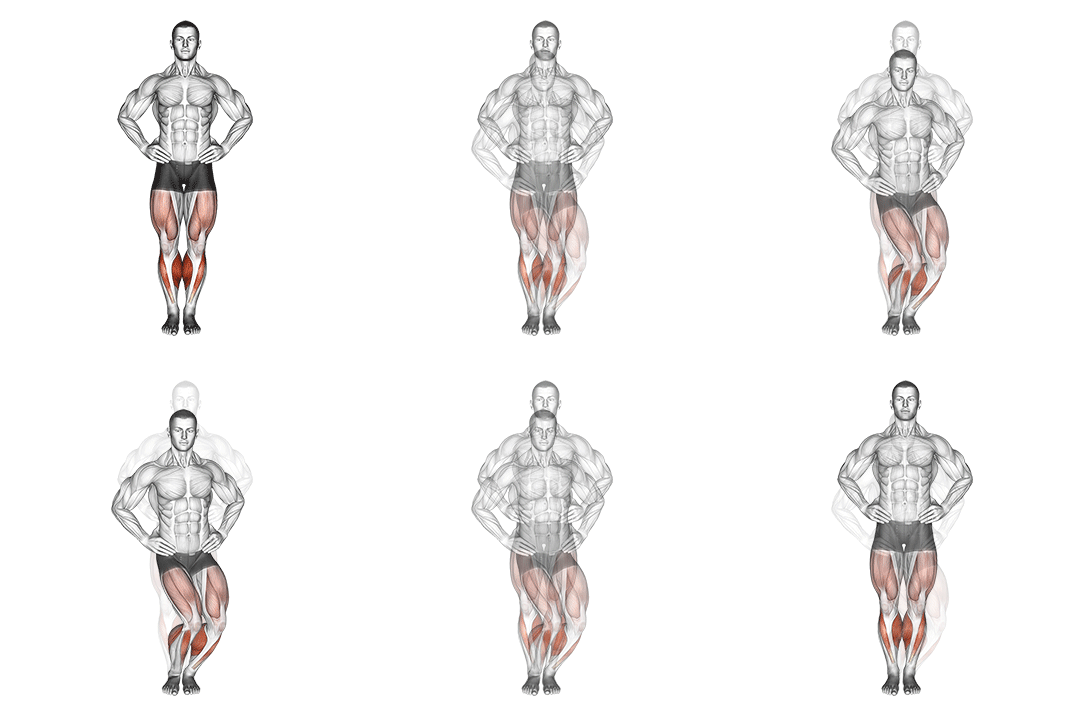
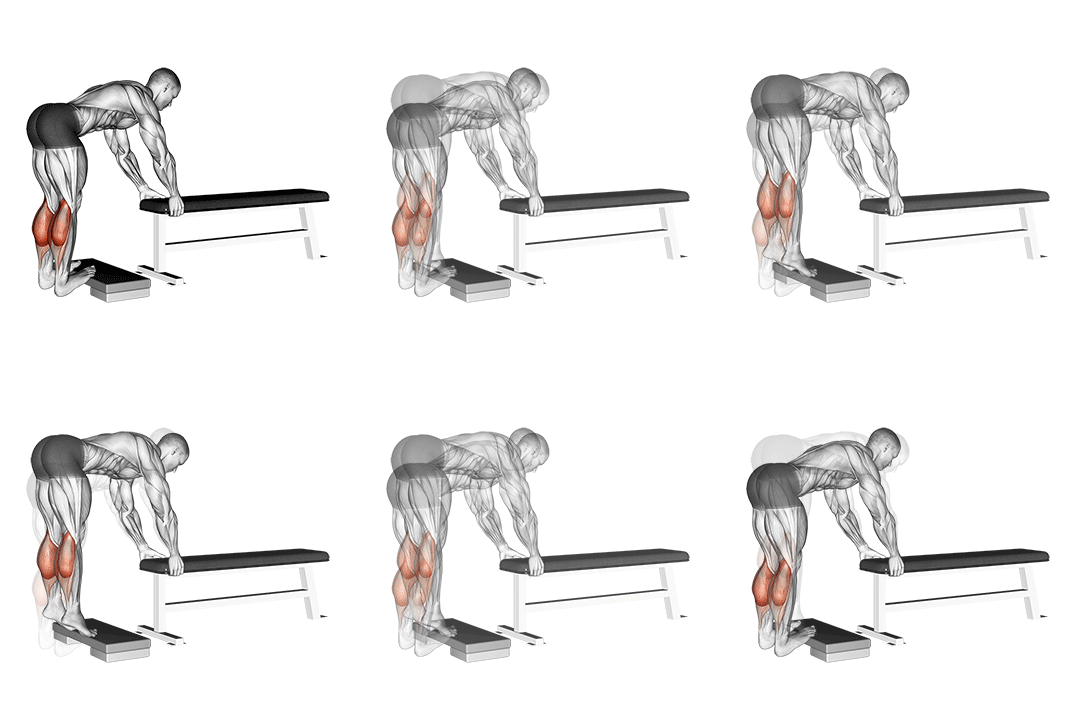
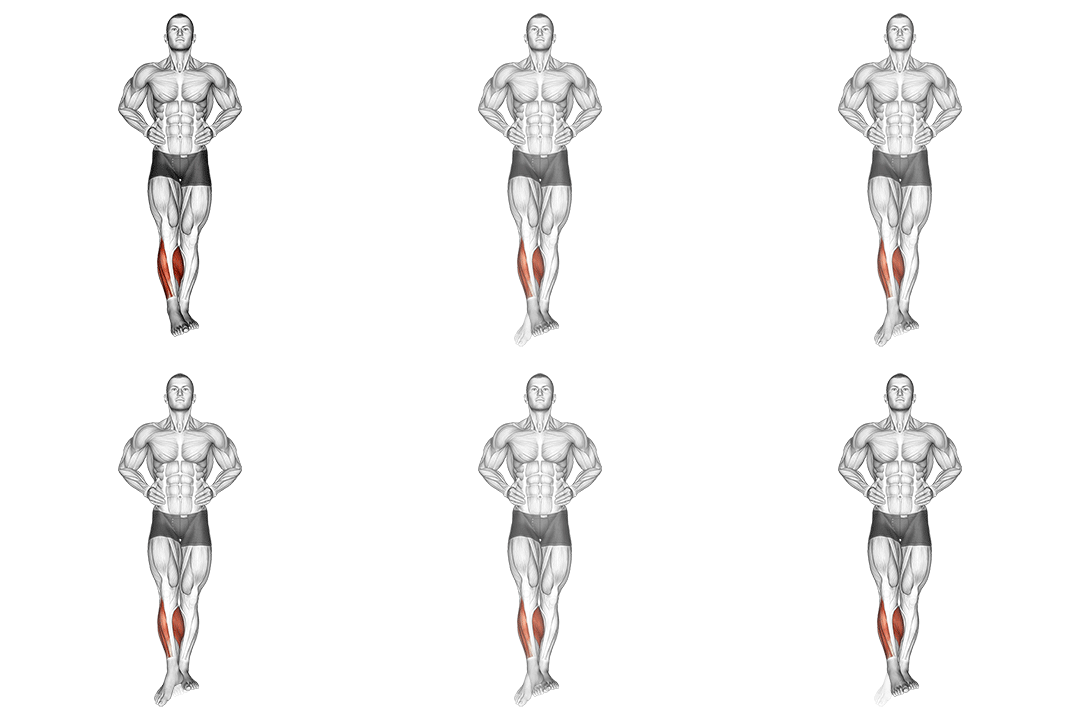
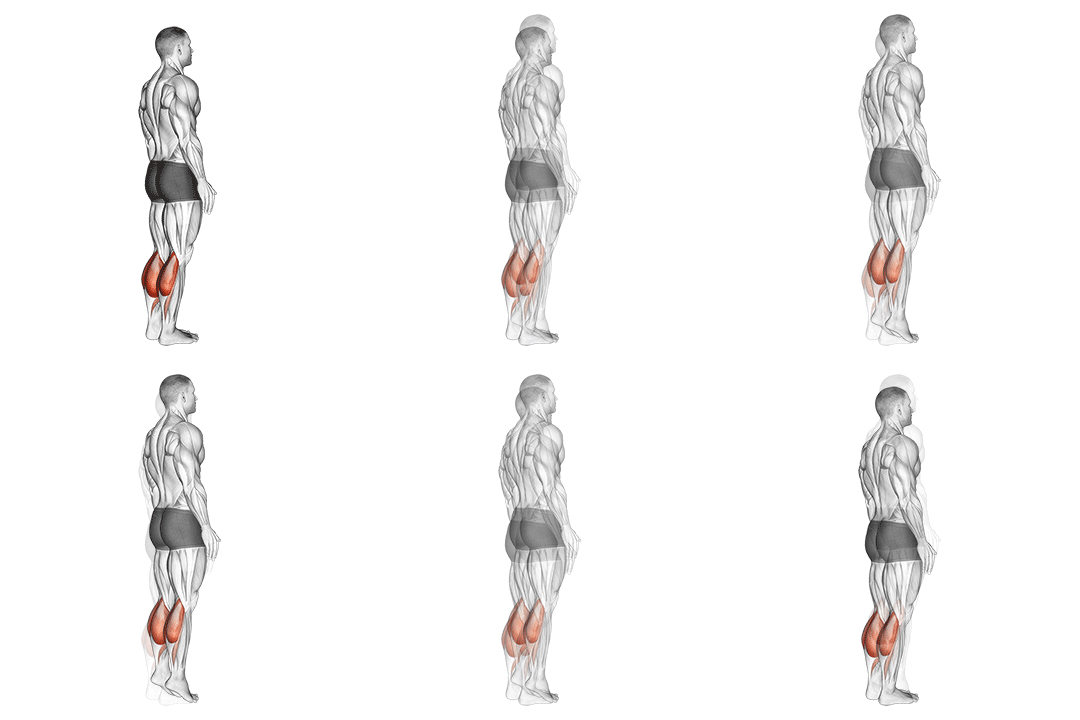
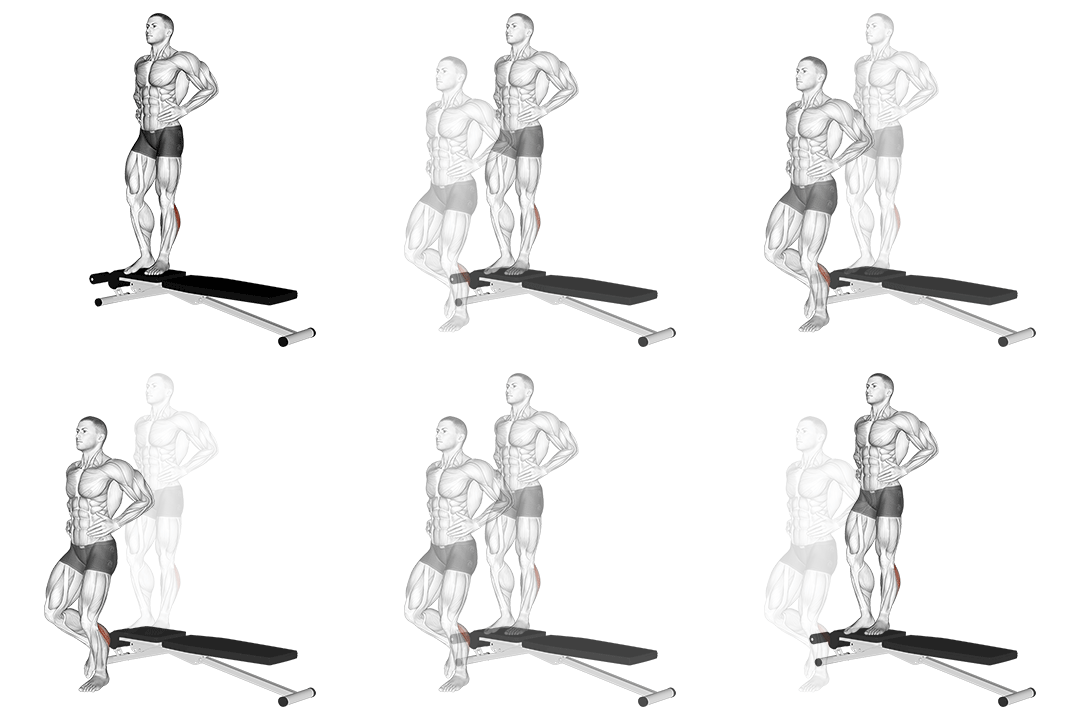
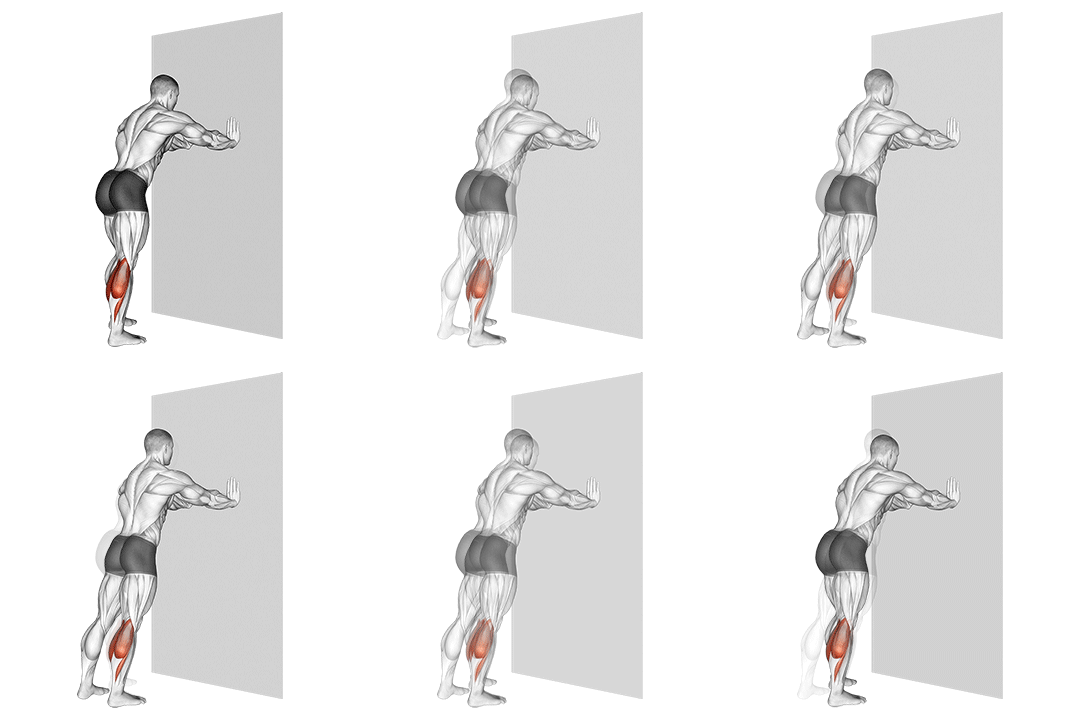
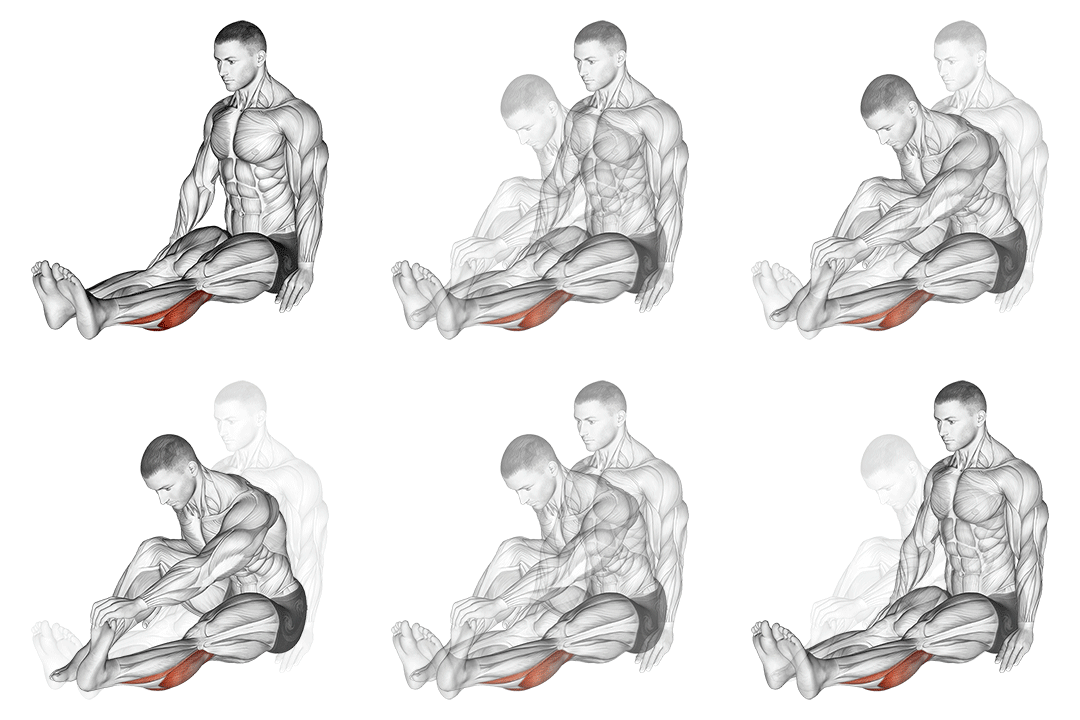
Seated Calf Stretch (male)
beginner stretching exercise · body weight · targets calves
- Body part
- lower legs
- Primary target
- calves
- Equipment
- body weight
- Difficulty
- beginner
The seated calf stretch is the office-friendly version of calf stretching — performed sitting on the edge of a chair with one leg extended forward, heel pressed to the ground, and the upper body leaning forward to deepen the calf pull. Unlike standing wall stretches that require space, this version can be done at virtually any desk, couch, or bench, making it the most accessible calf stretch for desk workers. The seated position changes the stretch dynamics in subtle ways. Standing wall stretches load the calf under partial body weight, providing some additional gravity-assisted depth. The seated version eliminates that body weight component entirely, relying purely on forward lean to create the stretch. This makes it gentler than standing variations, which is usually a feature rather than a limitation — particularly for people with chronic calf tightness or those just starting consistent stretching practice. Where this stretch genuinely earns its place is as the 'between-meeting' or 'while-working' calf maintenance drill. Hours of sitting are death to calf length; the calves stay in a shortened position the entire time, gradually losing range. A 60-second seated calf stretch every couple of hours during a long work session prevents the chronic shortening that desk-bound workers accumulate. As the cumulative effect over months and years, this simple practice does more for calf health than occasional intense stretching sessions ever can.
Why train the Seated Calf Stretch (male)?
- Provides calf stretching in seated environments where standing variations aren't practical (office, plane, car).
- Maintains calf length during long sitting sessions, preventing the chronic shortening from sedentary work.
- Offers a gentler stretch than standing variations, suitable for people with very tight calves or chronic issues.
- Costs nothing, requires only a chair, and integrates easily into any desk-based work pattern.
- Pairs well with ankle circles for a complete 90-second lower-leg desk-break routine.
- Helps prevent the calf cramping that often follows long flights or extended driving.
How to do the Seated Calf Stretch (male): step by step
- 1Sit on the edge of a chair or bench with your feet flat on the ground.
- 2Extend one leg straight out in front of you, keeping your heel on the ground.
- 3Lean forward slightly, feeling a stretch in your calf muscle.
- 4Hold the stretch for 20-30 seconds.
- 5Switch legs and repeat the stretch.
Muscles worked
Primary
calves
Secondary
hamstrings
Common mistakes to avoid
Lifting the heel during the stretch
The heel must stay firmly on the floor throughout the hold. If it lifts, the stretch transfers from the calf to the foot arch and the calf gets nothing. Press the heel down deliberately; if you can't keep it down, your calf is too tight for the depth you're attempting — reduce forward lean.
Bending the working leg knee
A bent knee shifts the stretch from the gastrocnemius to the soleus (deeper calf muscle). For the gastrocnemius emphasis of this exercise, the working leg must stay locked. Bend the knee deliberately as a separate variation if you want to target the soleus.
Rounding the spine to lean further
When forward lean isn't enough, trainees often round the upper back to reach further. This shifts the stretch into the lower back rather than deepening the calf pull. Hinge from the hips, keep the spine neutral, and accept whatever calf depth your current mobility allows.
Holding for only 5-10 seconds
Calves take time to release. A brief stretch barely cues the muscle to relax. Hold for at least 30 seconds, ideally 45, and you'll feel the tension noticeably soften about halfway through.
Forgetting to alternate sides
Most people have asymmetric calf tightness — usually the dominant leg is tighter. Stretching only one side or doing fewer reps on the tighter side reinforces the imbalance over time. Always do both sides equally.
Easier and harder variations
Easier
Reduce the forward lean — sometimes just sitting with the leg extended and heel pressed flat is enough stretch for chronically tight calves. Build forward lean depth over weeks as the calf adapts.
Harder
Loop a towel or resistance band around the ball of the foot and pull gently to add active dorsiflexion to the stretch. The increased ankle flexion deepens the calf engagement significantly. Or progress to the standing wall variation for full body-weight loaded stretching.
Alternative exercises
Calf stretch with hands against wall
Standing version that adds body weight to the stretch. Better for end-range tissue lengthening; the seated version is better for desk-time maintenance.
Downward dog
Yoga pose that stretches both calves simultaneously while addressing hamstrings, lats, and shoulders. Use when you have floor space; the seated version when at a desk.
Towel calf stretch
Lying or seated stretch using a towel looped around the foot for active stretching. Very gentle option useful for early-morning stiffness or post-injury recovery.
How to program the Seated Calf Stretch (male) into your training
Seated calf stretching works best as a frequent desk-break practice rather than a workout component. The calves stay in a shortened position throughout sitting; brief stretches throughout the day prevent cumulative tightness. Desk-break routine: 1 set of 30-45 seconds per leg every 60-90 minutes during long sitting sessions. Tied to existing triggers (between meetings, before each coffee), the routine builds without willpower cost. The frequency prevents tightness from accumulating rather than chasing it after the fact. Daily routine: 2 sets of 30 seconds per leg performed at any seated moment — at the desk, on the couch, during a phone call. The total time investment is 2 minutes per day, distributed however convenient. During travel: 1 set of 60 seconds per leg every 90-120 minutes during long flights or car rides. The seated stretch counters the calf-shortening effect of prolonged immobility and can prevent post-travel calf tightness or cramping. For those with very tight calves: 4-5 mini-sessions per day at 30 seconds per leg. Combined with daily ankle circles and gradual progression to standing calf stretches, most people see noticeable improvement in calf comfort within 4-6 weeks. For older adults focused on mobility maintenance: 2-3 sessions per day at 30 seconds per leg. The seated position is safer and more accessible than standing variations for those with balance concerns. Don't program this as a primary calf stretch when standing wall variations are available. Use it for desk-time maintenance and as a complement to deeper stretches, not as a replacement.
Recovery and frequency
The seated calf stretch has zero recovery cost. Daily practice is safe and ideal — calf tissue adapts to consistent low-volume input far better than to occasional intense sessions. The main signal to monitor is sharp pain at the back of the heel during or after the stretch. This can indicate Achilles tendinopathy, which requires a different approach (loaded eccentric calf raises rather than stretching). For typical calf tightness with only stretch sensation, the practice is safe, recovery is immediate, and benefits compound over weeks of consistency.
Frequently asked questions
How long should I hold the seated calf stretch?
30-45 seconds per leg, 1-2 sets per leg, multiple times per day during long sitting sessions. Holds shorter than 20 seconds don't drive meaningful tissue adaptation.
How often should I do this stretch?
Multiple times per day during long sitting sessions — every 60-90 minutes ideally. The frequency prevents tightness from accumulating rather than addressing it after the fact.
Seated vs standing calf stretch: which is better?
Different goals. Seated is the desk-friendly maintenance version, accessible anywhere. Standing wall stretches add body weight loading for deeper tissue lengthening. Use both — seated during work, standing during workouts and post-workout cooldowns.
Will this help my plantar fasciitis?
Often yes — tight calves are a major contributor to plantar fasciitis. Seated stretches throughout the day, combined with gentle plantar fascia rolling on a tennis ball, address most cases over 4-6 weeks of consistent practice.
Why doesn't this stretch feel intense?
It's intentionally gentle — the seated position eliminates body weight from the stretch. If you want more intensity, lean further forward (hinging from the hips), or use a towel/band looped around the foot for active dorsiflexion. Or progress to standing wall variations.
Can I do this on a plane?
Yes — it's particularly useful during long flights, where calf cramping and stiffness are common. 60 seconds per leg every 90-120 minutes during a flight prevents most travel-related calf issues.
Useful tools for this exercise
Build a workout with the Seated Calf Stretch (male)
Puna gives you guided bodyweight workouts you can do anywhere — no equipment, no gym, just structured progressions that build real strength.