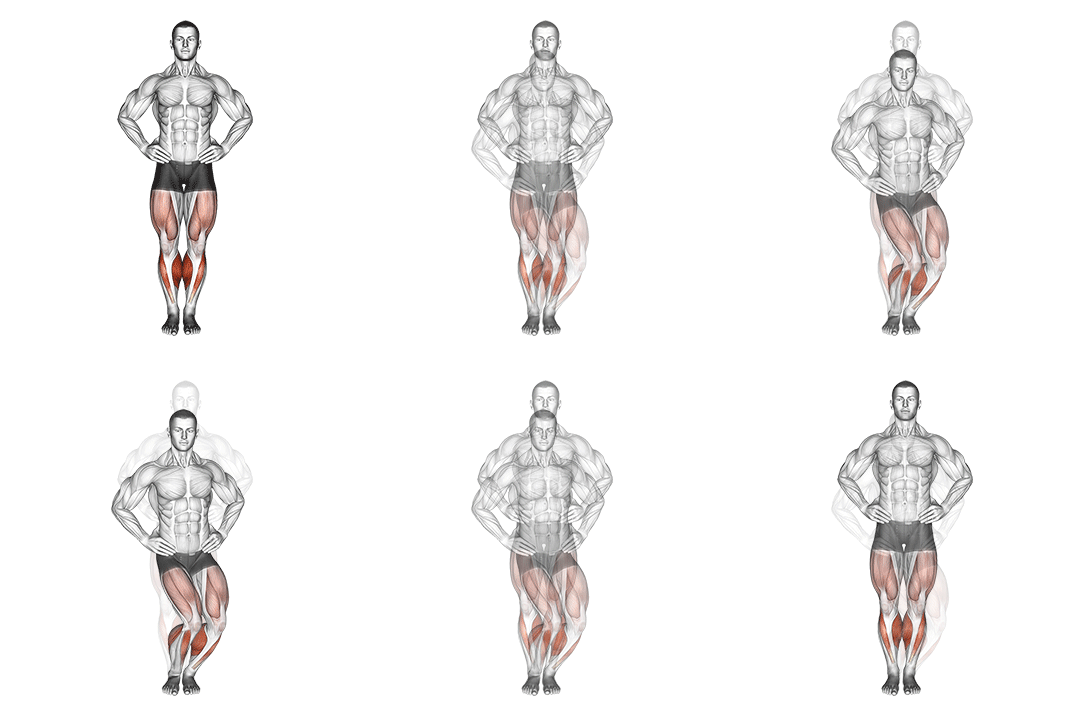
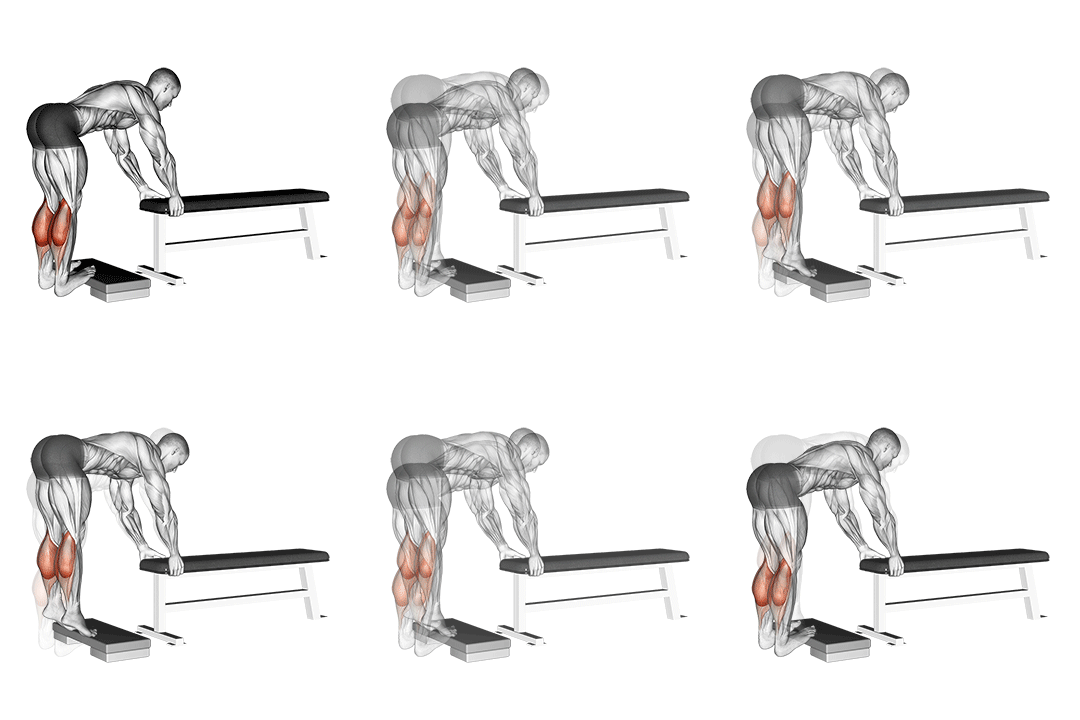
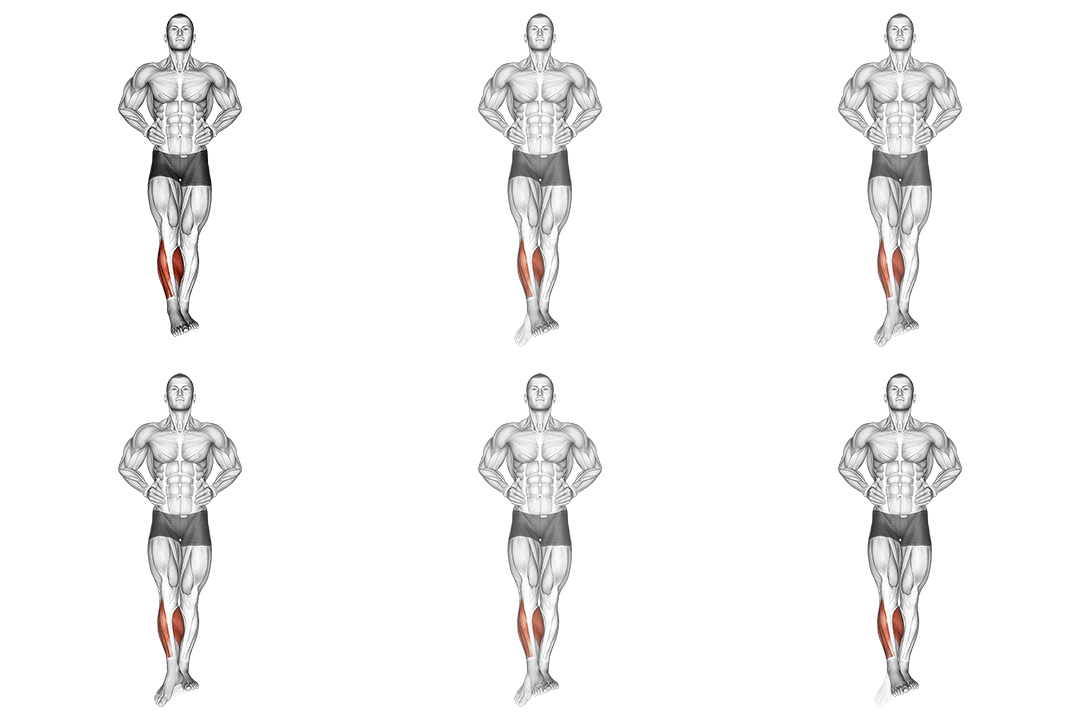
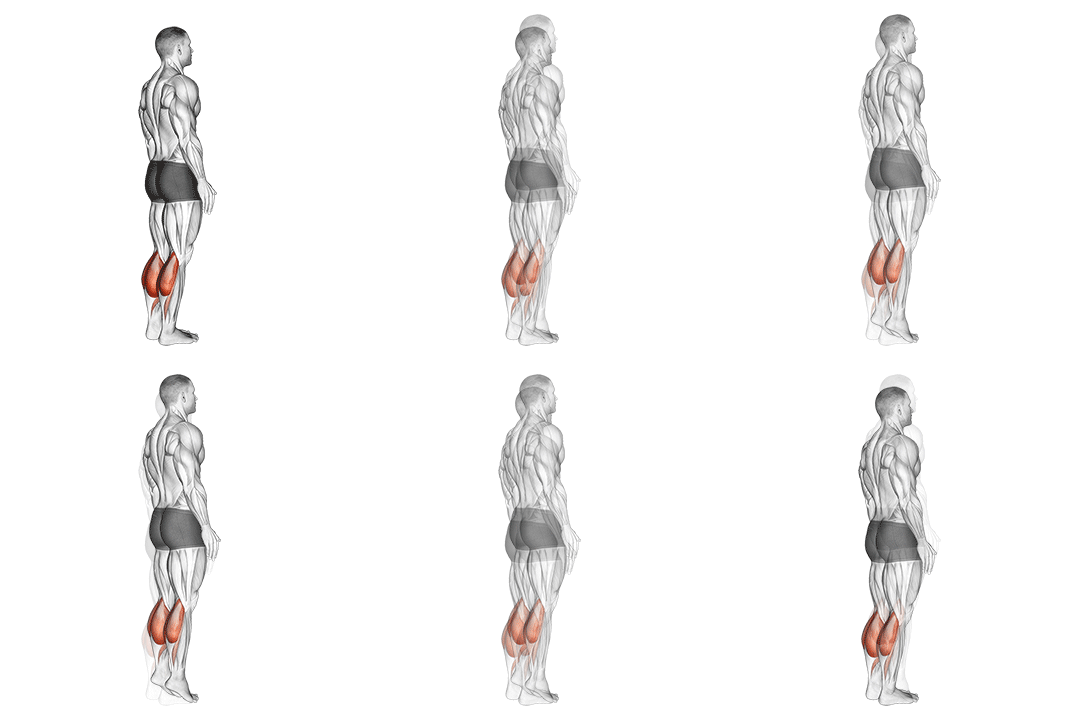
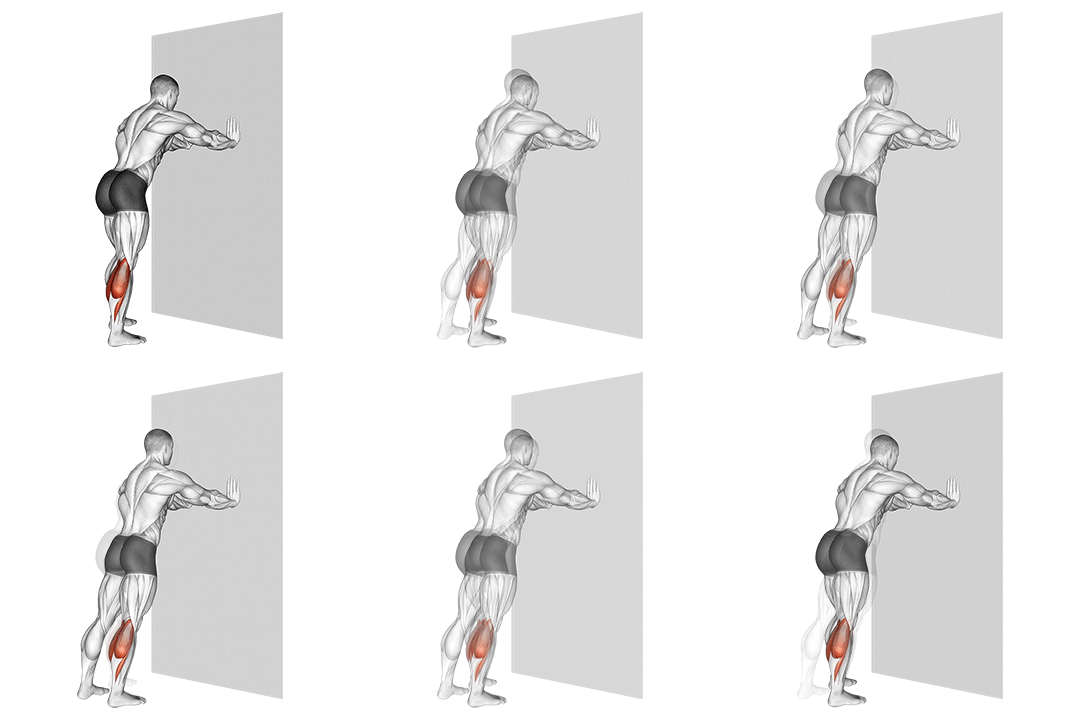
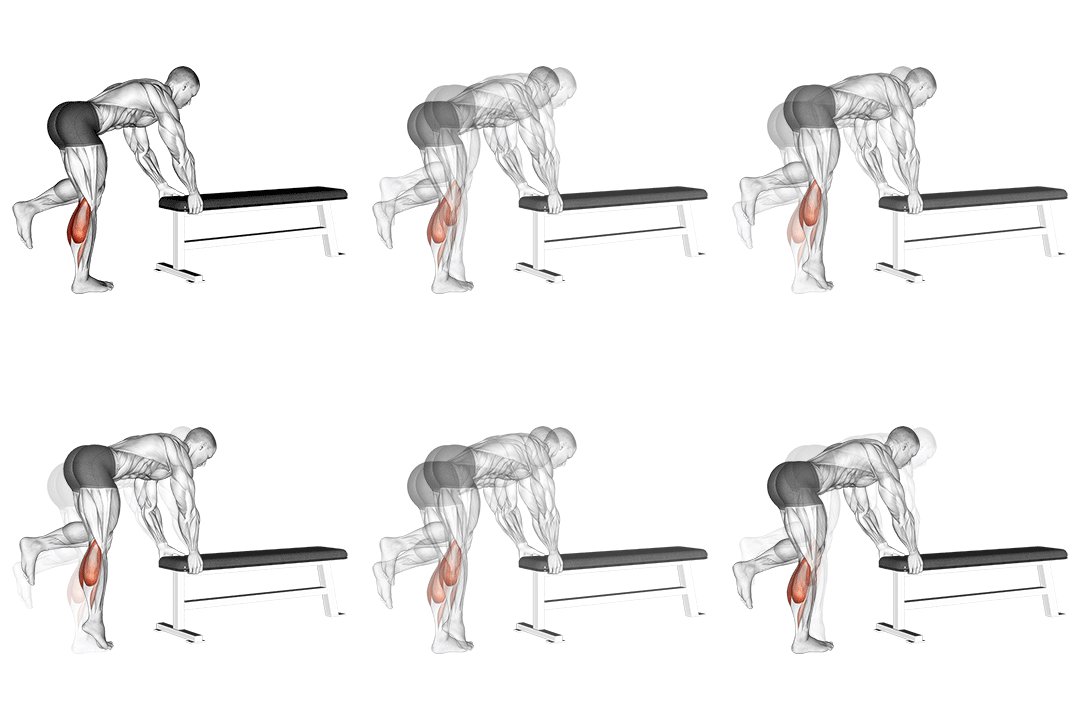
Box Jump Down With One Leg Stabilization
advanced plyometrics exercise · body weight · targets calves
- Body part
- lower legs
- Primary target
- calves
- Equipment
- body weight
- Difficulty
- advanced
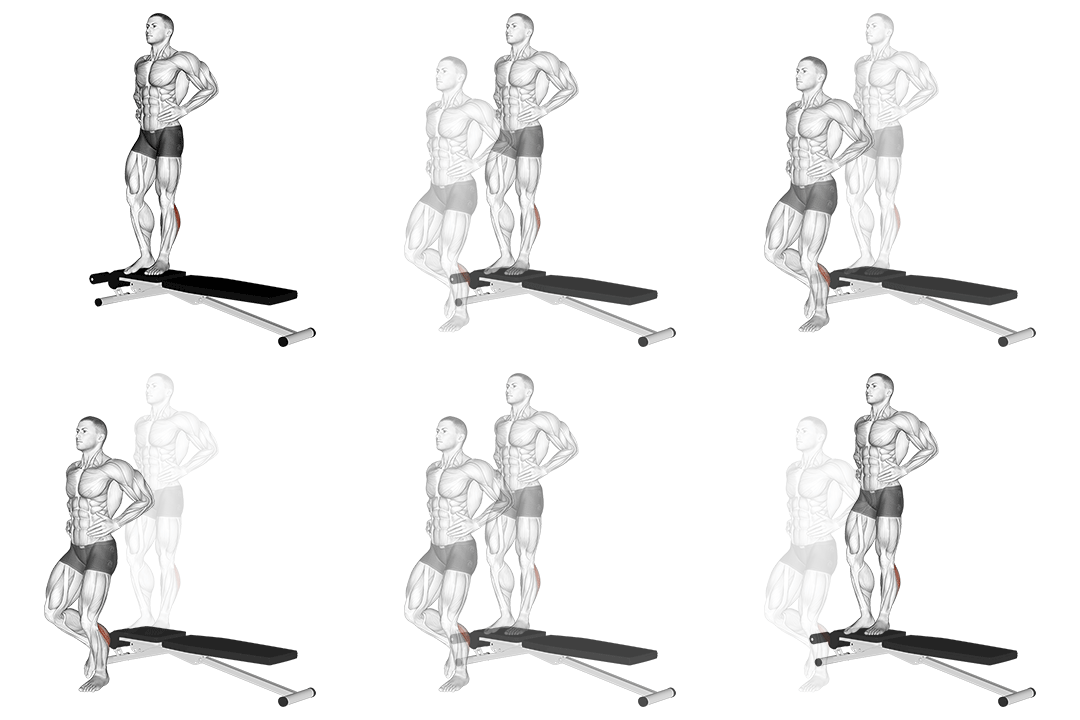
The box jump down with one leg stabilization is an advanced plyometric drill that combines a depth jump (jumping down from an elevated surface) with a single-leg landing and brief stabilization hold. From a starting position on a box or platform, you step or jump down, landing on one foot with the other leg held off the ground, and balance for several seconds before stepping down. The combination trains reactive strength absorption, single-leg deceleration, and ankle stability simultaneously — a triple stimulus that few other bodyweight exercises offer. This is a sport-performance exercise rather than a general fitness drill. Athletes in sports requiring rapid deceleration and direction change (basketball, soccer, MMA, tennis, skiing) benefit significantly from training this pattern; the carryover to landing mechanics during cutting and jumping movements is direct and substantial. For general trainees, the value is more limited, and the injury risk is real if prerequisites aren't met. The single-leg landing concentrates impact loading on one knee, ankle, and hip, all of which need to absorb force without buckling. What makes this exercise valuable when programmed well is the way it trains the eccentric phase of athletic movement. Most strength training emphasizes the concentric (force-producing) phase, but injuries usually happen during the eccentric (force-absorbing) phase — landing from a jump, decelerating from a sprint, planting to change direction. Training the body to absorb single-leg landings fluidly reduces ACL injury risk and improves athletic performance. The cost is steep recovery cost and significant prerequisite demands, but for the right athletes, the payoff is worth it.
Why train the Box Jump Down With One Leg Stabilization?
- Trains the eccentric force-absorption phase of athletic movement — the phase where most injuries occur.
- Builds single-leg stability under impact, directly transferring to landing mechanics in sport.
- Strengthens the ankle, knee, and hip in their stabilizing roles under reactive load.
- Reduces ACL injury risk by training proper landing mechanics under controlled conditions.
- Improves the kinetic chain coordination needed for cutting, jumping, and decelerating in sport.
- Develops proprioceptive sensitivity that carries over to almost every athletic context.
How to do the Box Jump Down With One Leg Stabilization: step by step
- 1Stand in front of a box or platform with your feet shoulder-width apart.
- 2Bend your knees and jump onto the box, landing softly with one foot on the box and the other foot hanging off the edge.
- 3Stabilize yourself on the box with the foot that is on it, while keeping the other foot off the ground.
- 4Hold this position for a few seconds, engaging your calf muscles to maintain balance.
- 5Slowly step down with the foot that is on the box, returning to the starting position.
- 6Repeat the exercise with the other leg.
Muscles worked
Primary
calves
Secondary
quadriceps, hamstrings, glutes
Common mistakes to avoid
Insufficient strength prerequisites
This is an advanced exercise. Trainees should be able to do single-leg squats (pistol squats or assisted versions) and have at least 6 months of consistent strength training before attempting box jump downs with stabilization. Skipping this base substantially increases knee and ankle injury risk.
Landing with a stiff knee
When the foot hits the ground, the knee should bend immediately to absorb force. A stiff straight-knee landing transmits impact directly into the knee joint and dramatically increases injury risk. Aim for a 30-45 degree knee bend on landing, with the knee tracking over the toes.
Box too high
The box height directly affects landing impact. Start with a 12-18 inch box; only progress to higher boxes once 30+ second single-leg holds at the lower height feel solid. Many trainees jump down from boxes that are far too high relative to their current strength, which is how knee injuries happen.
Letting the knee cave inward
The most dangerous landing position is with the knee caving toward the midline (knee valgus). This is the loading pattern most associated with ACL tears. Drive the knee out in line with the toes throughout the landing and stabilization phase. If you can't keep knee alignment, regress to lower box heights.
Programming too frequently
Plyometric work has a steep neural and joint recovery cost. More than 1-2 sessions per week leads to cumulative joint stress and stagnation. Twice per week is the cap; once per week is often sufficient for general athletic development.
Easier and harder variations
Easier
Step down rather than jumping — the reduced impact load makes the single-leg stabilization manageable for trainees building toward the full plyometric version. Or use a much lower box (4-8 inches) with the full jump-down motion. Or land on both feet first, then immediately lift one foot for the stabilization hold.
Harder
Increase box height gradually (up to 24-30 inches for advanced athletes). Or add a rotational landing (jumping down with a 90-degree turn before stabilization). For maximum challenge, progress to depth jumps with immediate single-leg jump back up — the full reactive cycle of absorption and re-explosion.
Alternative exercises
Single-leg landing drill
Static jumping in place with single-leg landings. Lower-impact precursor to box jump downs. Build this for 4-8 weeks before adding the depth component.
Bulgarian split squat
Strength version of single-leg work. Different stimulus (strength rather than reactive) but builds the foundation that plyometric work rests on.
Lateral hop with stabilization
Single-leg lateral plyometric that trains similar reactive stabilization in a different plane. Pair with box jump downs for complete athletic single-leg training.
How to program the Box Jump Down With One Leg Stabilization into your training
Box jump downs with stabilization belong as specialty work for athletes with strong prerequisites. They earn their place in programs targeting athletic single-leg power and landing mechanics, not in general fitness routines. Prerequisites: 5+ pistol squats per side or solid Bulgarian split squats with bodyweight, healthy knees and ankles, and 6+ months of consistent lower-body strength training. If these aren't met, build the foundation first. Sets and reps: 3 sets of 3-5 reps per leg with 90-120 seconds rest. Quality matters far more than quantity — sloppy reps train poor landing mechanics, which is the opposite of the goal. Stop the set when landings lose control. Frequency: 1-2 times per week is the cap. Plyometric stimulus has steep recovery demands. More frequent training produces cumulative joint stress and stagnation. In an athletic training session: place box jump downs after a thorough warm-up but before main strength work. The fatigue from heavy squatting degrades plyometric quality. Sample order: warm-up, 4 sets of 4 box jump downs per leg, 4 sets of 6 squats, 3 sets of 8 lunges, 3 sets of single-leg deadlifts. For sport-specific athletic prep: integrate into the sport-specific training day, not into general strength days. The transfer to sport demands proximity to other sport-specific work. For general fitness: this exercise is largely optional and probably skippable. Standard plyometric work (vertical jumps, broad jumps) covers most needs without the specific demands and risks of this drill. Don't program box jump downs during deload weeks or when fatigued — the high neural and joint cost is exactly what should be reduced during recovery.
Recovery and frequency
Box jump downs with stabilization have a steep recovery cost. The knees, ankles, and hips all absorb significant impact, and the nervous system needs longer recovery than from standard strength work. 72-96 hours between sessions is typical. The knees are usually the limiting recovery factor — sore knees, especially around the patellar tendon, mean too much volume too soon. Ankle soreness is the second most common complaint, especially in trainees with existing ankle weakness. Long-term, regular training requires monthly deload weeks where you skip the high-intensity plyometric work entirely. Sleep, hydration, and protein intake all matter more than usual when training plyometrically. Pair the work with daily lower-body mobility (ankle and hip work) to maintain joint health alongside the high-impact training.
Frequently asked questions
How many sets and reps of box jump downs should I do?
3 sets of 3-5 reps per leg with 90-120 seconds rest. Quality far outranks quantity — stop when landings lose control. Total weekly volume of 18-30 reps per leg is enough.
How often should I do this exercise?
1-2 times per week maximum. Plyometric stimulus has steep recovery demands and the joints need 3-4 days between sessions to absorb the impact load.
Is this safe for beginners?
No — beginners should master single-leg squats and basic plyometric drills before introducing box jump downs with stabilization. The single-leg impact loading demands base strength and joint preparedness. Build the foundation first.
Will this help my running or jumping?
Yes for athletes who need rapid deceleration and direction change. The carryover to landing mechanics during sport is direct. For general fitness or steady-state cardio, the value is much smaller.
How high should the box be?
Start with 12-18 inches. Progress to 18-24 inches once you can hold 30-second single-leg stabilization at the lower height with control. Box heights above 24 inches are for advanced athletes only.
Why do my knees hurt after box jump downs?
Knee discomfort indicates either insufficient strength, box too high, or stiff landing mechanics. Reduce box height by 6 inches, ensure knee bends immediately on landing, and reduce volume to 2 sets of 3 reps. If pain persists, stop the exercise entirely and address the underlying issue with a physiotherapist.
Useful tools for this exercise
Build a workout with the Box Jump Down With One Leg Stabilization
Puna gives you guided bodyweight workouts you can do anywhere — no equipment, no gym, just structured progressions that build real strength.