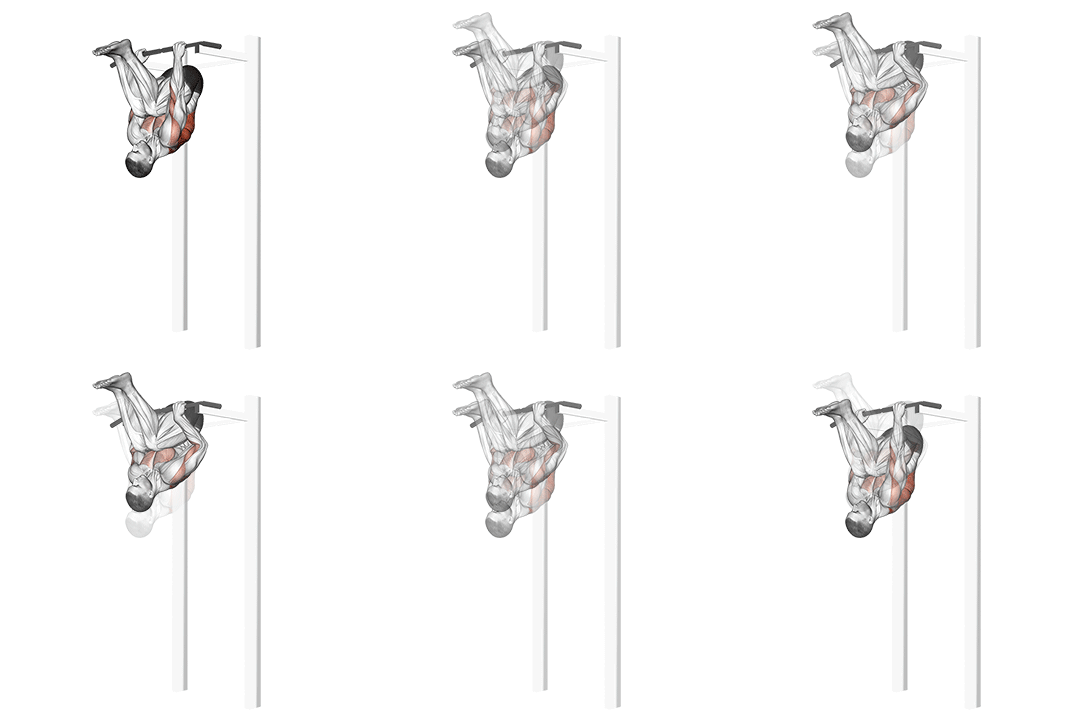
Scapular Pull-up
beginner strength exercise · body weight · targets traps
- Body part
- back
- Primary target
- traps
- Equipment
- body weight
- Difficulty
- beginner
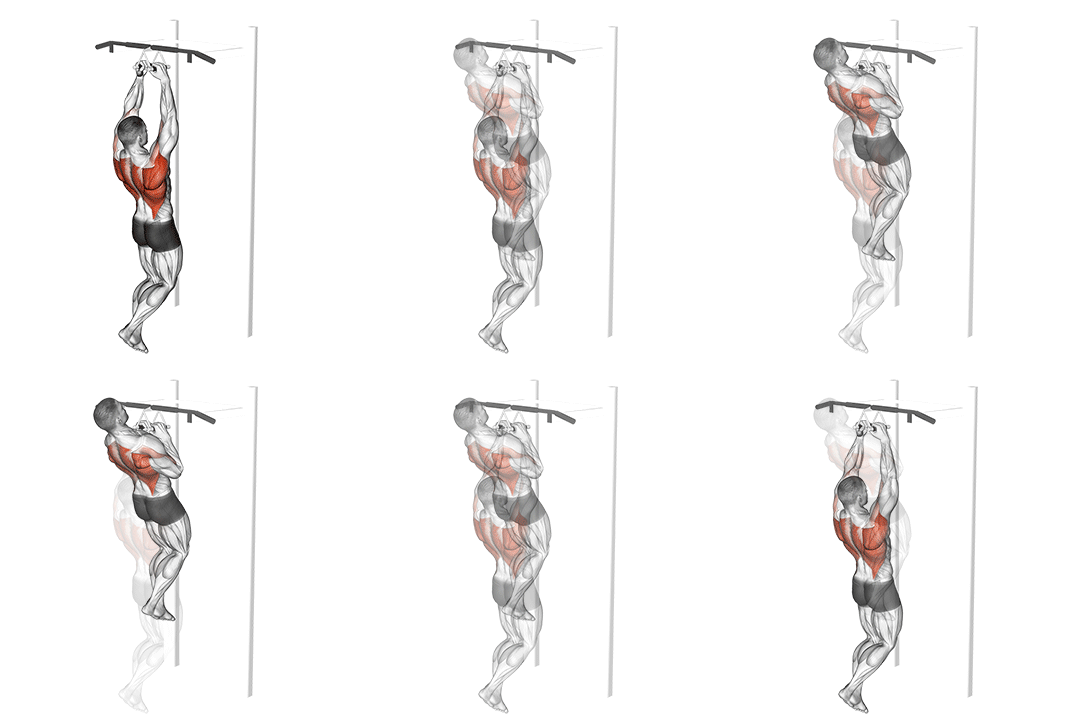
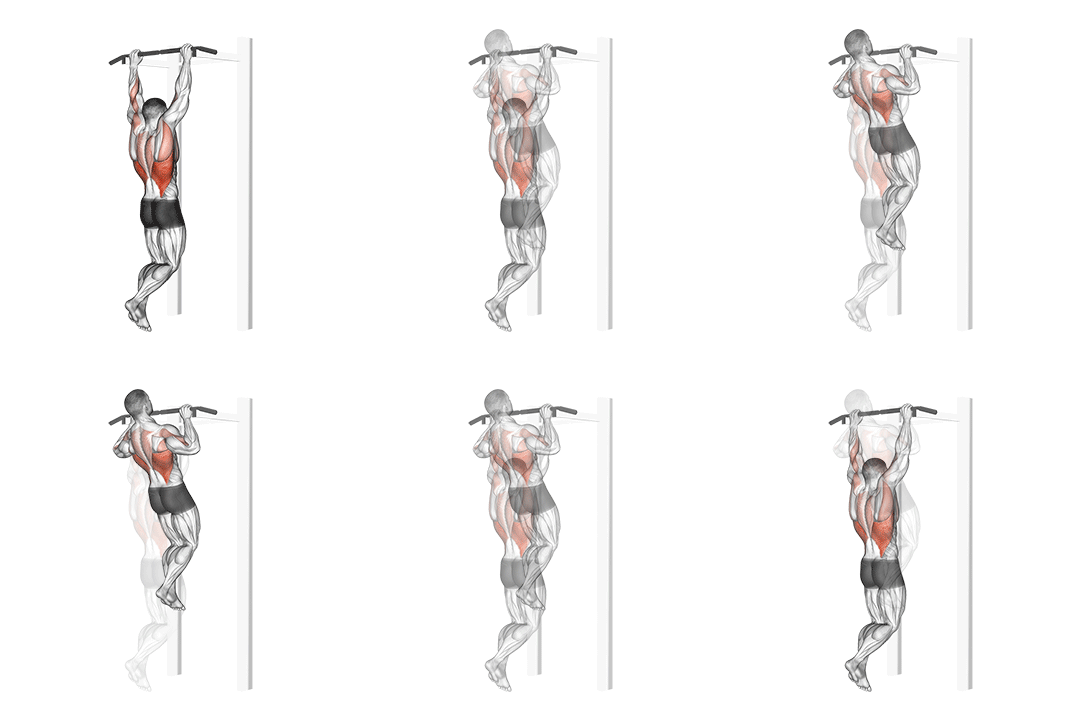
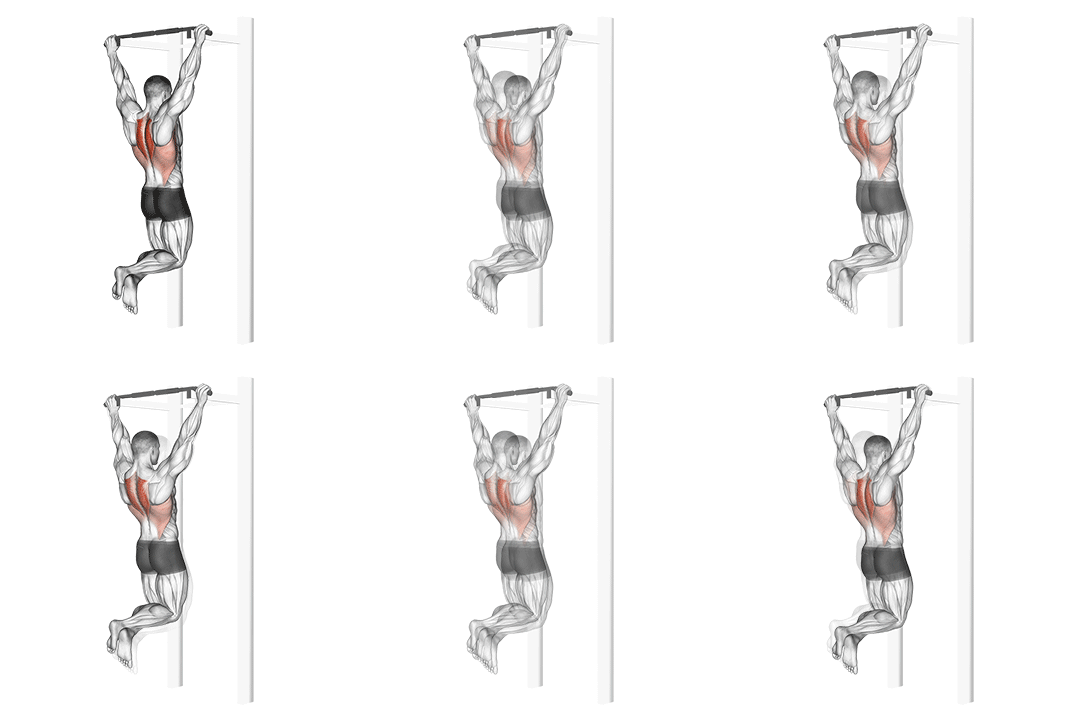
The scapular pull-up is the most underrated pull-up progression there is — performed by hanging from a bar with arms straight, then pulling the shoulder blades down and back to lift the body just an inch or two without bending the elbows. The movement looks like nothing happens. Visually it's tiny. But it's the foundational shoulder-girdle movement that separates trainees who eventually reach 10+ pull-ups from those who plateau at 1-2 forever. What the scapular pull-up trains is shoulder packing — the ability to engage the lats and pull the shoulder blades down before the arms start the pull. Most beginners try to pull-up using only their arms, which limits how many reps they'll ever achieve. Trainees who learn to engage the scapula first generate dramatically more pulling power per rep, both because they're using the lats (the biggest pulling muscle) and because they're protecting the shoulder joint from impingement during the pull. It also serves as the most accessible bar-hanging exercise. Anyone who can hang from a bar can do scapular pull-ups, regardless of whether they can do a full pull-up yet. That makes it the right starting point for anyone working toward their first strict pull-up — a few weeks of dedicated scapular pull-up training builds the shoulder readiness that other variations assume.
Why train the Scapular Pull-up?
- Builds the lat and shoulder activation needed for full pull-ups.
- Protects the shoulder joint by training proper scapular engagement before pulling.
- Improves grip strength and bar tolerance — accessible to anyone who can hang.
- Doubles as an essential warm-up before pull-up training sessions.
- Reveals shoulder mobility limitations that affect pull-up progression.
- Useful for postural correction — counters the slumped, internally rotated shoulder position from desk work.
How to do the Scapular Pull-up: step by step
- 1Start by hanging from a pull-up bar with your palms facing away from you and your arms fully extended.
- 2Retract your shoulder blades by pulling them down and back.
- 3Engage your back muscles and pull your body up towards the bar, focusing on squeezing your shoulder blades together.
- 4Pause for a moment at the top of the movement, then slowly lower your body back down to the starting position.
- 5Repeat for the desired number of repetitions.
Muscles worked
Primary
traps
Secondary
biceps, rhomboids, rear deltoids
Common mistakes to avoid
Bending the elbows
If your elbows bend during the rep, you've turned a scapular pull-up into a partial pull-up. Keep the arms completely straight throughout — only the shoulder blades should move. The body rises only because the scapulas pull down on the arm bones.
Shrugging the shoulders up to the ears
Some people start the rep by shrugging up — exactly the opposite of what's wanted. Drive the shoulders down and back (away from the ears) to initiate the lift. Imagine pinching a pencil between your shoulder blades.
Using momentum to bounce up
Kipping or swinging defeats the purpose. The movement should be slow and controlled — 2-3 seconds up, brief pause at the top, 2-3 seconds down. Use only the lats and shoulder muscles.
Hanging passively in the bottom position
Letting the shoulders fully relax and shrug up at the bottom (passive hang) doesn't train what's wanted. Maintain slight engagement throughout, with the shoulders packed down even at the bottom. The active hang is the starting position, not the passive one.
Skipping it because it 'looks easy'
The scapular pull-up doesn't look impressive, so trainees often skip straight to negative pull-ups or assisted pull-ups. Don't. The strength and motor pattern this exercise builds underpin every other pull-up variation.
Easier and harder variations
Easier
Perform scapular pull-ups with feet on the floor (under a low bar) or with feet on a bench to reduce the load. Or do them lying on the floor with arms extended overhead, mimicking the same scapular movement without the hang.
Harder
Add weight (a light vest or weight belt). Or progress to scapular pull-up holds — pull up and hold the top position for 5-10 seconds. Or move on to the next progression: dead hangs, then negative pull-ups.
Alternative exercises
Dead hang
Active hang from the bar, focusing on grip and shoulder positioning. Builds the same shoulder readiness without the dynamic movement.
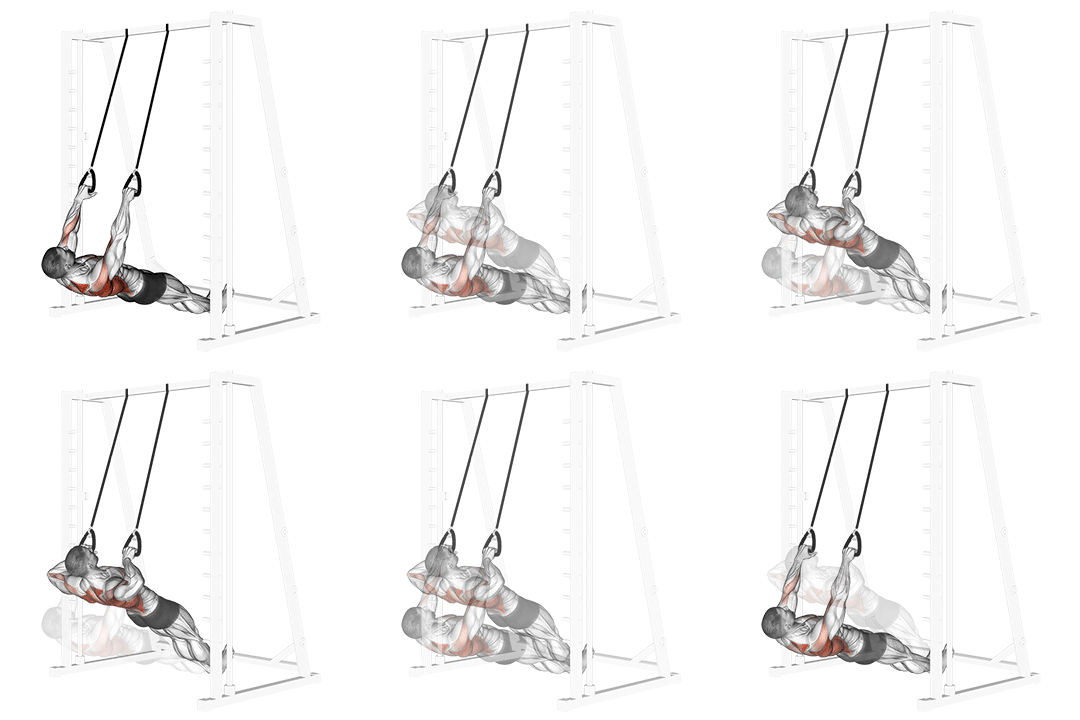
Inverted row
Horizontal pulling with feet on the floor. Trains the back and biceps with much lower load — useful for absolute beginners building toward pull-ups.
Band pull-apart
Standing scapular work with a resistance band. Trains the same scapular retraction pattern in an even more accessible position.
How to program the Scapular Pull-up into your training
Scapular pull-ups belong in any pull-up progression program — typically as warm-up sets before full pull-up work, or as the main exercise for trainees building toward their first strict pull-up. For beginners (no full pull-ups yet): 3-4 sets of 5-10 reps with 60-90 seconds rest, 3 sessions per week. Combine with negatives and dead hangs in the same session for a complete pull-up progression workout. As warm-up for trainees who already do pull-ups: 1-2 sets of 8-10 scapular pull-ups before each pull-up session. This activates the lats and protects the shoulders before heavier pulling work. For postural correction (people working on shoulder rounding from desk work): 2-3 sets of 8-12 reps daily, performed as a corrective drill. Combine with chest stretches and band pull-aparts. A complete pull-up progression session for someone who can't yet do a strict pull-up: 4 sets of 8 scapular pull-ups, 3 sets of 30-second active dead hangs, 3 sets of 3-5 second negative pull-ups (jump up, lower slowly), 2-3 times per week. Most trainees reach their first strict pull-up within 8-16 weeks of this kind of focused work. Do not skip scapular pull-ups in the rush to attempt full pull-ups. The shoulder readiness they build prevents the impingement and biceps strain that often derails pull-up training.
Recovery and frequency
Scapular pull-ups have low recovery cost given the small range of motion and reduced load compared to full pull-ups. Daily training is generally fine, especially at lower volumes (1-2 sets of 8-10). The forearms and grip take more load than the lats during scapular pull-ups, so forearm tightness is the most common feedback after sessions. Wrist circles and grip stretches help. Sleep, hydration, and standard recovery practices cover everything else.
Frequently asked questions
How many sets and reps of scapular pull-ups should I do?
3-4 sets of 5-10 reps with 60-90 seconds rest. As warm-up: 1-2 sets of 8-10 reps. The exercise is best as a foundational drill, not a high-volume strength piece.
How often should I train the scapular pull-up?
2-3 times per week as part of a pull-up progression program; daily at low volume is fine for postural correction or as warm-up before bar work.
Will scapular pull-ups help me get my first pull-up?
Yes — they build the foundational shoulder-girdle strength that underpins every pull-up. Combined with negatives and dead hangs, scapular pull-ups are the most efficient path to a first strict pull-up for most beginners.
I can already do pull-ups — should I still do scapular pull-ups?
Yes, as warm-up before pull-up sessions. They activate the lats and protect the shoulders before heavier pulling. Most trained athletes use them as a quick 1-2 set warm-up rather than a primary exercise.
What's the difference between scapular pull-ups and dead hangs?
Dead hangs are static — you hang and hold position. Scapular pull-ups are dynamic — you actively move the body up and down using only the shoulder blades. Both train similar qualities; combine them for complete shoulder-girdle preparation.
Why don't I feel anything during scapular pull-ups?
Either you're doing them too fast (using momentum), bending the elbows (turning them into partial pull-ups), or your scapular muscles haven't activated yet. Slow down, focus on the shoulder blade movement, and try doing the same motion against a wall first to feel the muscles engage.
Useful tools for this exercise
Build a workout with the Scapular Pull-up
Puna gives you guided bodyweight workouts you can do anywhere — no equipment, no gym, just structured progressions that build real strength.