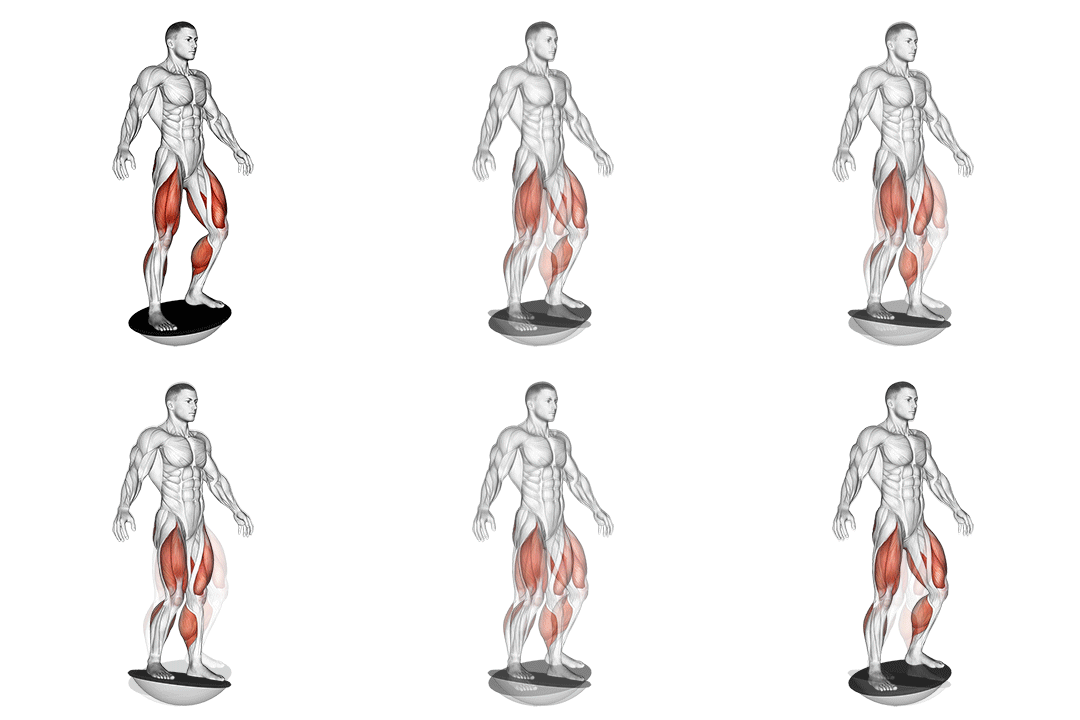
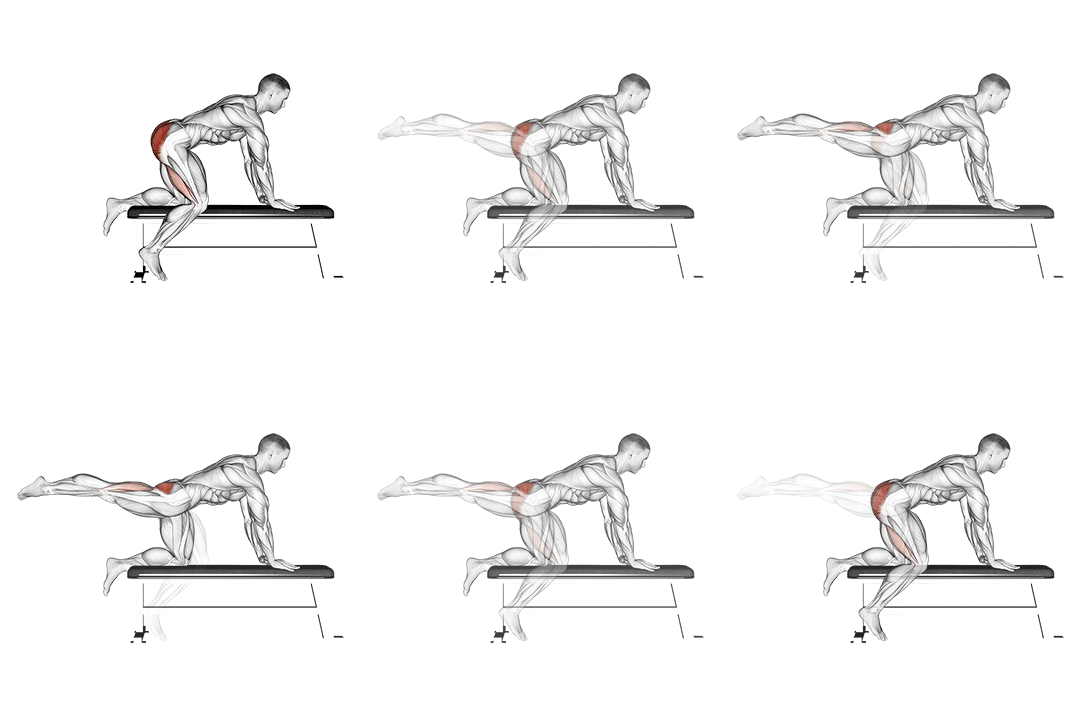
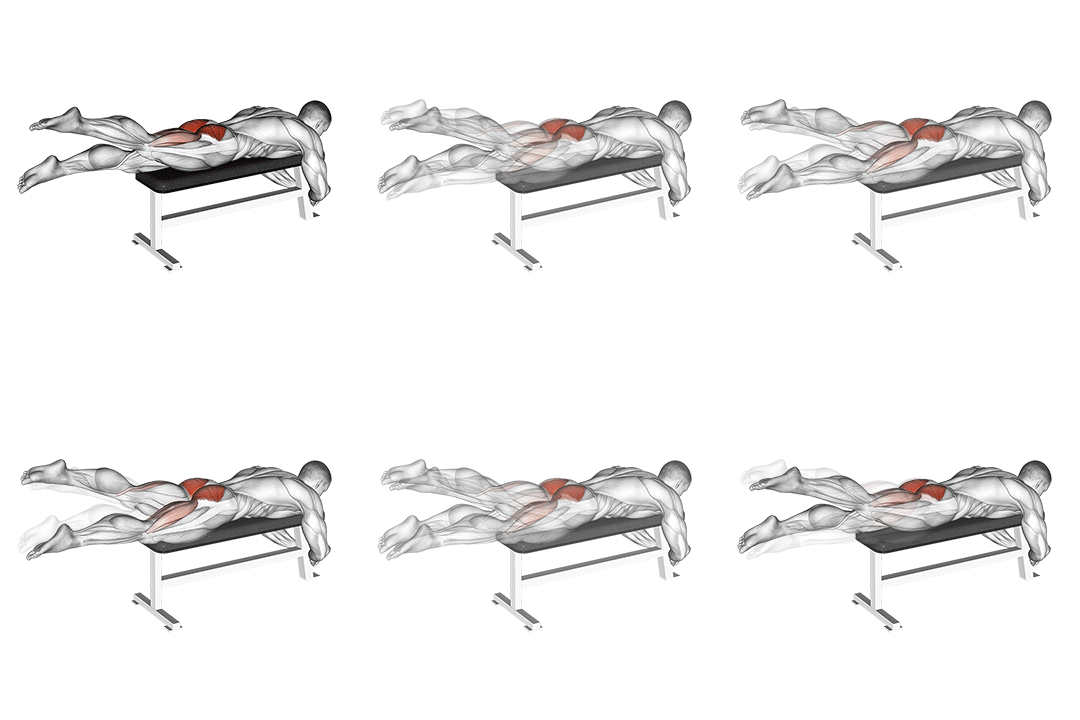
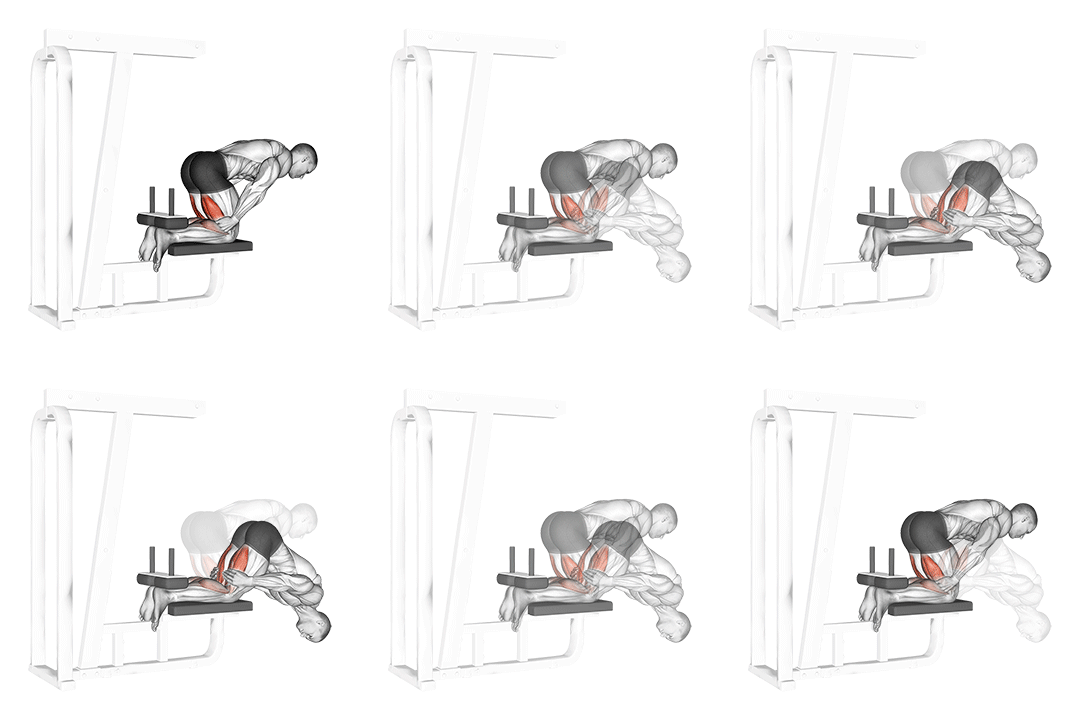
Runners Stretch
beginner stretching exercise · body weight · targets hamstrings
- Body part
- upper legs
- Primary target
- hamstrings
- Equipment
- body weight
- Difficulty
- beginner
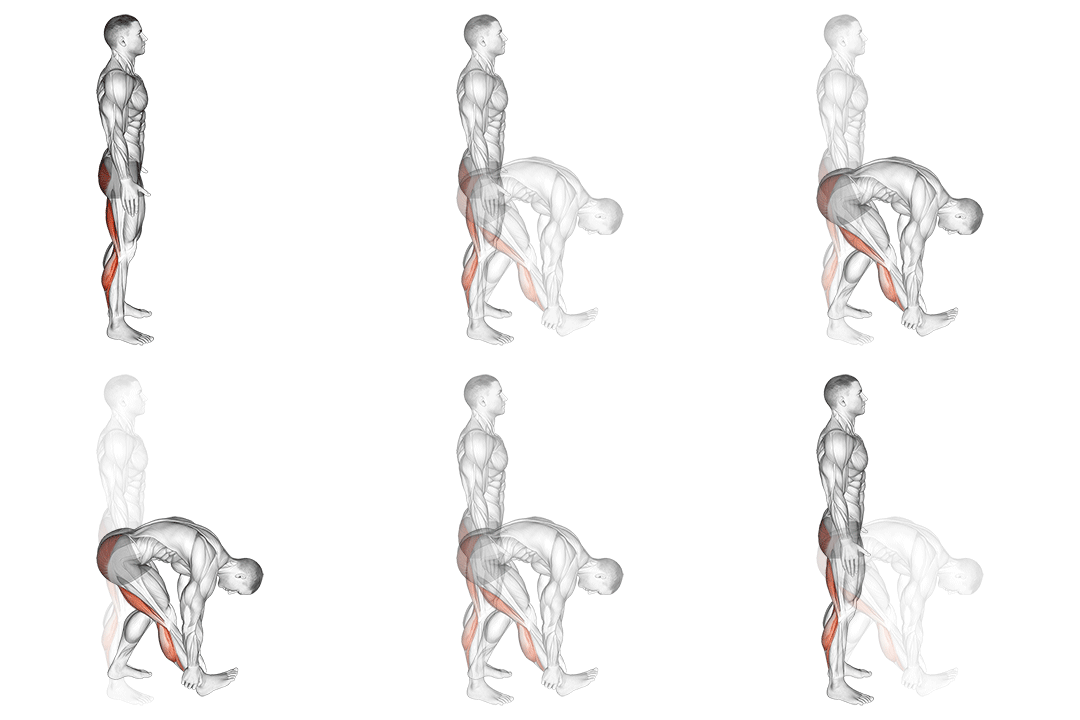
The runner's stretch is a dynamic-leaning hamstring and hip flexor mobility drill performed in a forward-lunge-like position. Stepping one leg forward into a deep lunge and lowering the back knee toward the floor while keeping the front leg straight, you create a stretch that addresses both the hamstring of the front leg and the hip flexor of the back leg simultaneously. The position is named for runners' tendency to use it as part of pre-run warm-up routines. This is one of the most efficient lower-body mobility drills available. Most stretches address one tissue at a time; the runner's stretch hits both hamstring and hip flexor in a single position. Combined with the dynamic nature of stepping in and out of the position, the drill provides both mobility and warm-up activation in a brief routine. For runners, it's particularly valuable as pre-run preparation; for general fitness trainees, it provides time-efficient lower-body mobility work. Where this earns its place is in pre-workout warm-up routines, particularly for running and lower-body sessions. The combined hamstring-and-hip-flexor stretch addresses two of the most common tightness patterns in trained adults. Programmed daily as part of warm-ups, runner's stretches over 4-6 weeks produce noticeable mobility improvement.
Why train the Runners Stretch?
- Combines hamstring and hip flexor stretching in one position.
- Time-efficient warm-up for running or lower-body work.
- Addresses two common tightness patterns simultaneously.
- Provides dynamic mobility through the in-and-out motion.
- Useful as pre-run preparation.
- Pairs naturally with calf stretches for complete lower-body warm-up.
How to do the Runners Stretch: step by step
- 1Stand with your feet hip-width apart.
- 2Take a step forward with your right foot, keeping your left foot planted.
- 3Bend your right knee and lower your body down, keeping your left leg straight.
- 4Place your hands on your right thigh for support.
- 5Hold the stretch for 20-30 seconds, then switch sides and repeat.
Muscles worked
Primary
hamstrings
Secondary
calves, quadriceps
Common mistakes to avoid
Letting the front knee bend
Keep the front leg straight to maintain the hamstring stretch.
Bouncing through the position
Static hold or slow rocking; not bouncing.
Insufficient back leg position
The back knee should approach but not necessarily touch the floor. Find the position that produces clear stretch without strain.
Holding too short
30-45 seconds per side produces meaningful tissue change.
Skipping the second side
Always do both sides equally.
Easier and harder variations
Easier
Reduce depth. Or place hands on the floor or a yoga block for support.
Harder
Add a slight forward lean over the front leg to deepen the hamstring stretch. Or progress to deeper lunge variations.
Alternative exercises
Couch stretch
Deeper hip flexor focus. Pair with runner's stretch for comprehensive hip work.
Standing hamstring stretch
Hamstring-only variation. Useful when you need to focus on one tissue.
World's greatest stretch
More comprehensive mobility flow. Includes runner's stretch as one component.
How to program the Runners Stretch into your training
Daily routine: 1-2 sets of 30-45 seconds per side. Pre-run warm-up: 30 seconds per side as part of running warm-up routine. Pre-workout: 30 seconds per side before lower-body work. For those with chronic tightness: 3-4 sessions per day combined with related stretches.
Recovery and frequency
Zero recovery cost. Daily practice safe.
Frequently asked questions
How long?
30-45 seconds per side, 1-2 sets per side.
How often?
Daily, especially as warm-up before running or lifting.
Will this help my running?
Often yes. Combined hamstring-and-hip-flexor preparation is exactly what running demands.
Static or dynamic?
Both work — static holds for tissue change, dynamic in-and-out motion for warm-up activation.
Should I do this before or after running?
Both. Before: brief dynamic version. After: longer static holds when tissue is warm.
Can I do this with knee issues?
Often yes with reduced depth. Place hands on ground for support and keep knee comfortable.
Useful tools for this exercise
Build a workout with the Runners Stretch
Puna gives you guided bodyweight workouts you can do anywhere — no equipment, no gym, just structured progressions that build real strength.