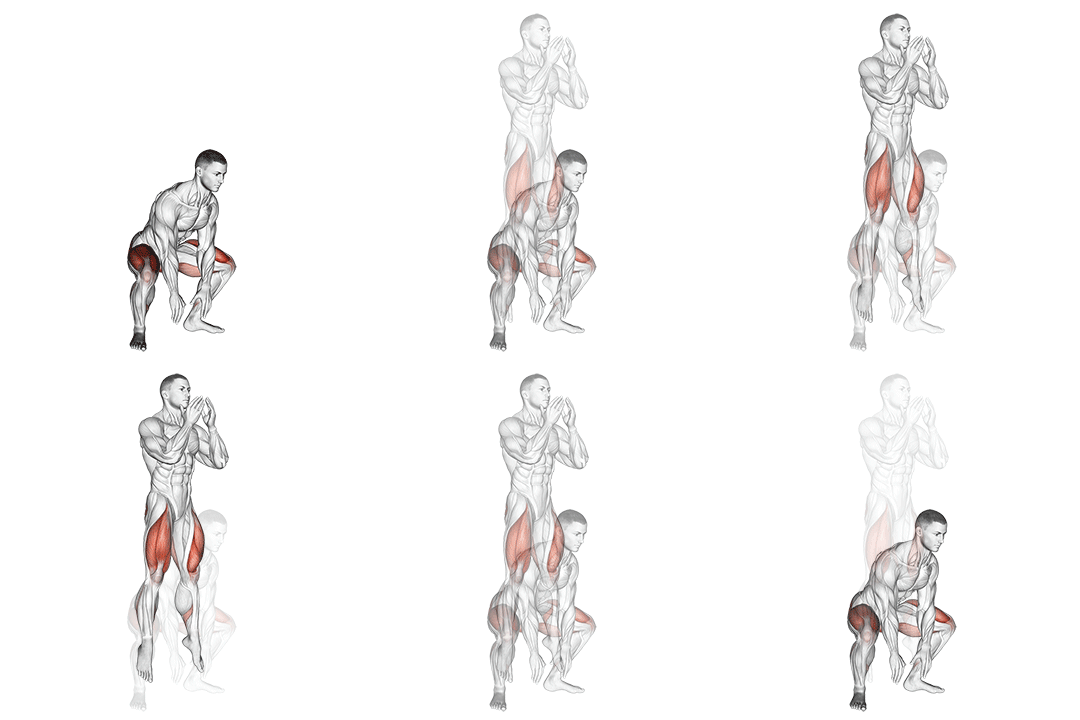
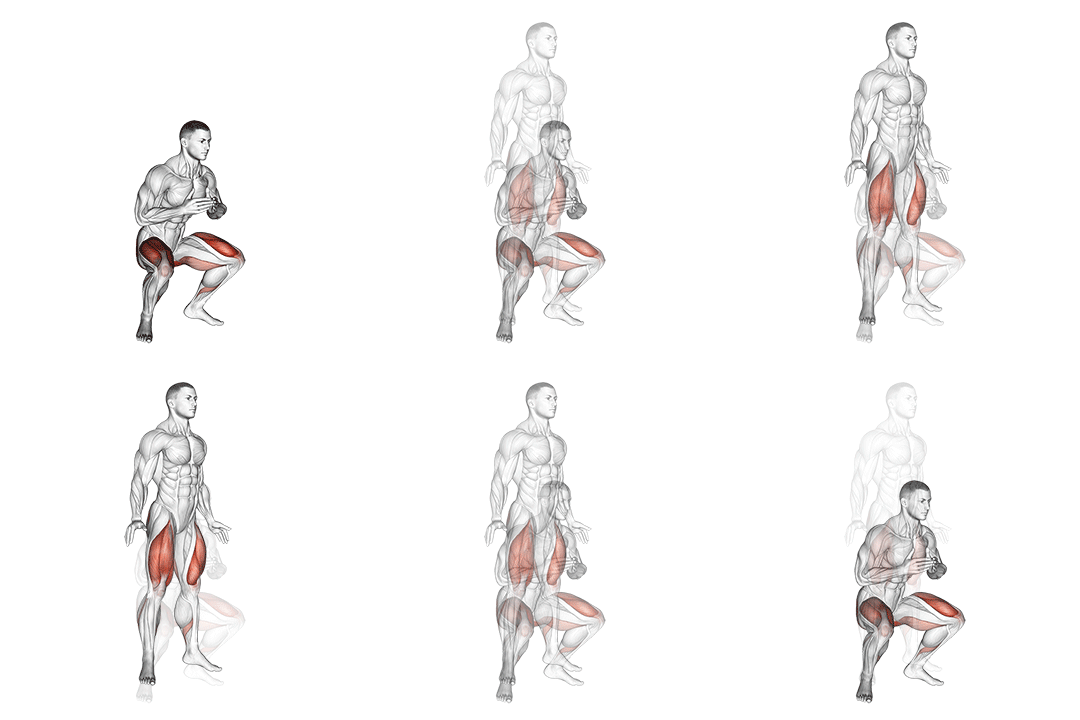
Rocking Frog Stretch
beginner stretching exercise · body weight · targets glutes
- Body part
- upper legs
- Primary target
- glutes
- Equipment
- body weight
- Difficulty
- beginner
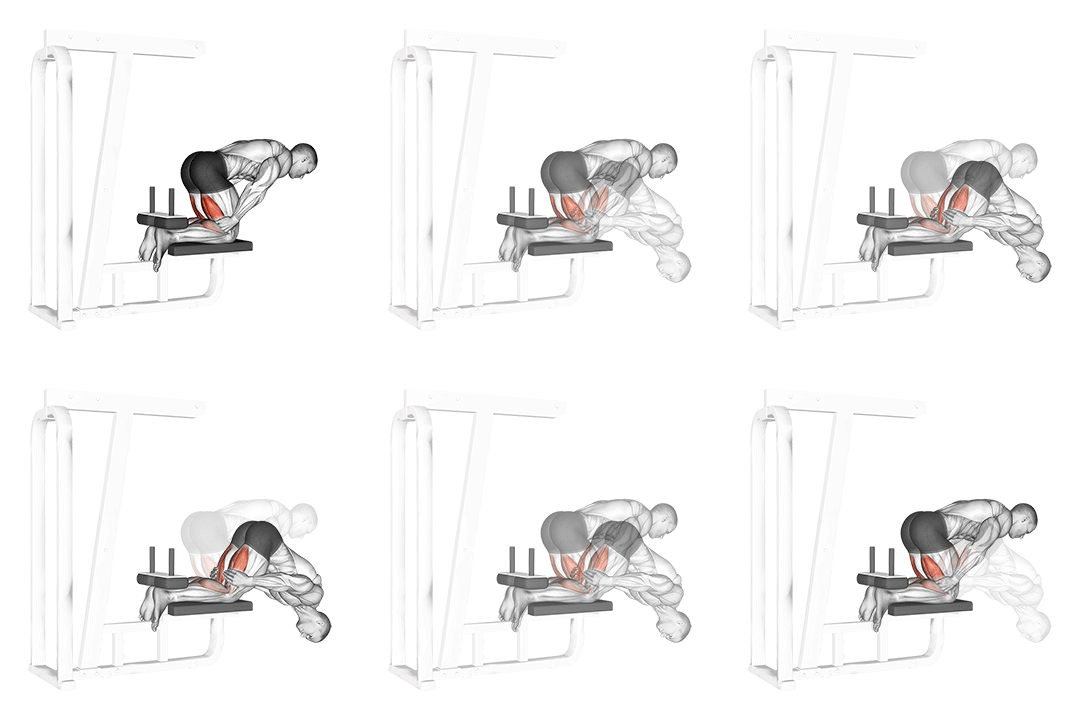
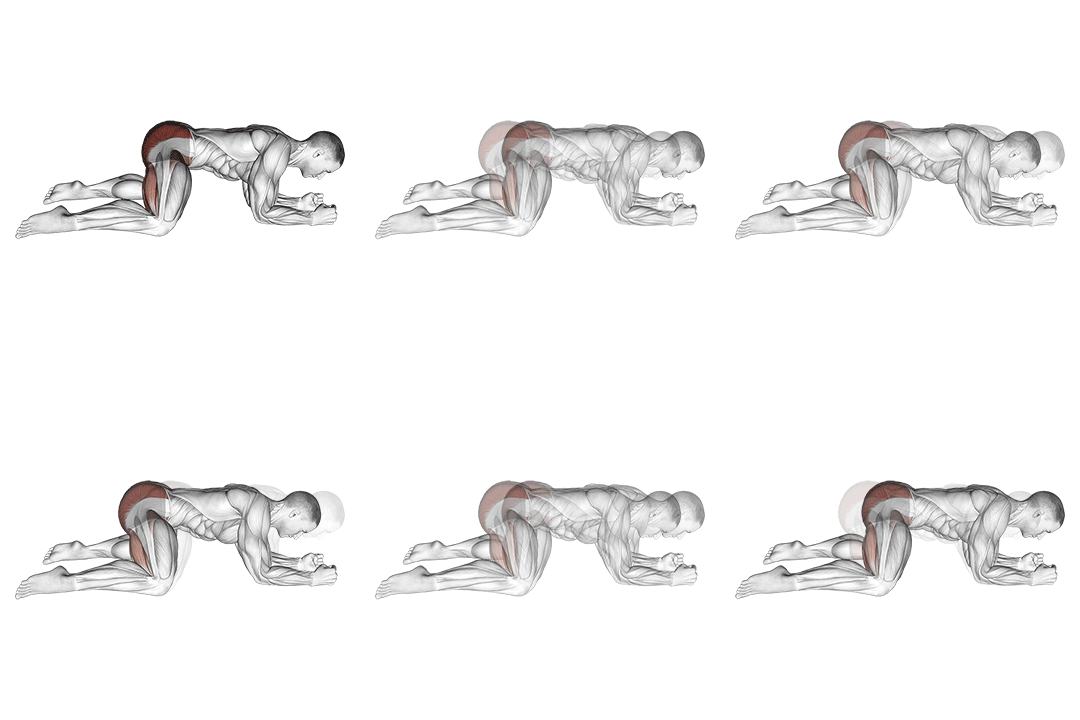
The rocking frog stretch is a hip and adductor mobility drill performed in a quadruped position (hands and knees) with the knees spread wide and the toes pointing outward, then gently rocking the hips back and forth to dynamically stretch the inner thighs and groin area. The dynamic component differentiates this from the static frog pose, providing more engaging mobility work that combines stretch with active movement. The frog stretch generally is one of the deepest adductor stretches available, often producing greater inner-thigh lengthening than seated butterfly or wide angle poses. The rocking element adds dynamic exposure to the stretched range, which some practitioners find produces faster mobility gains than static holds alone. For trainees with chronic adductor tightness or those addressing groin issues, the rocking frog stretch provides aggressive but controlled mobility work. Where this earns its place is in serious hip mobility programming for trainees with significant adductor restriction. The trade-off is the demanding position — knee discomfort is common in this stretch for trainees with knee issues. For those with healthy knees and adequate space, regular practice produces noticeable improvement in squat width, hip rotation, and overall hip mobility.
Why train the Rocking Frog Stretch?
- Provides one of the deepest adductor stretches available.
- Dynamic rocking adds movement-integrated mobility work.
- Releases chronic groin tightness in trained athletes.
- Improves squat width through deep adductor lengthening.
- Useful for trainees in cutting sports where adductor mobility matters.
- Pairs naturally with butterfly pose and hip flexor work for compound hip mobility.
How to do the Rocking Frog Stretch: step by step
- 1Start by kneeling on the ground with your knees hip-width apart.
- 2Place your hands on the ground in front of you for support.
- 3Slowly lean forward, shifting your weight onto your hands and extending your legs behind you.
- 4Keep your back straight and engage your glutes as you push your hips back and up towards the ceiling.
- 5Hold this position for a few seconds, feeling a stretch in your glutes.
- 6Slowly return to the starting position by bending your knees and lowering your hips back down.
- 7Repeat for the desired number of repetitions.
Muscles worked
Primary
glutes
Secondary
hamstrings, quadriceps
Common mistakes to avoid
Forcing knee position
Knee pain warrants stopping. The position is demanding for some knees.
Aggressive rocking
Slow controlled rocks produce benefit. Aggressive motion stresses the hips and knees.
Insufficient knee padding
The quadruped position with wide knees can be uncomfortable on hard floors. Use a yoga mat or padded surface.
Holding the breath
Breathe rhythmically through the rock. Each exhale supports tissue release.
Skipping daily practice
Adductor tightness rebuilds with sitting. Daily practice prevents accumulation.
Easier and harder variations
Easier
Reduce the knee spread. Or perform without rocking — static frog pose. Or place a cushion under each knee.
Harder
Increase knee spread to maximum range. Or extend rocking duration. Or progress to deeper hip-opening yoga sequences.
Alternative exercises
Butterfly pose
Easier adductor stretch. Use as foundation; frog as progression.
Seated wide angle pose
Different position with similar adductor focus.
Cossack squat
Active version combining mobility with strength.
How to program the Rocking Frog Stretch into your training
Daily routine: 1-2 sets of 60-90 seconds, once or twice per day. Post-workout cooldown: After lower-body sessions. For those with chronic adductor tightness: 2-3 sessions per day. For athletes in cutting sports: daily practice as part of mobility maintenance.
Recovery and frequency
Zero recovery cost when within painless range. Daily practice safe.
Frequently asked questions
How long?
60-90 seconds per session, 1-2 sets.
How often?
Daily.
Will this help squat width?
Often yes. Deep adductor stretching usually opens up squat width within 4-6 weeks.
Why does my knee hurt?
The wide-knee quadruped position is demanding for some knees. Reduce spread or add padding.
Frog vs butterfly?
Frog is significantly deeper. Use butterfly as foundation; frog as progression once comfortable.
Can I do this with knee issues?
Cautiously. Reduce knee spread, add padding, stop if pain appears. Consult physiotherapist for current issues.
Useful tools for this exercise
Build a workout with the Rocking Frog Stretch
Puna gives you guided bodyweight workouts you can do anywhere — no equipment, no gym, just structured progressions that build real strength.