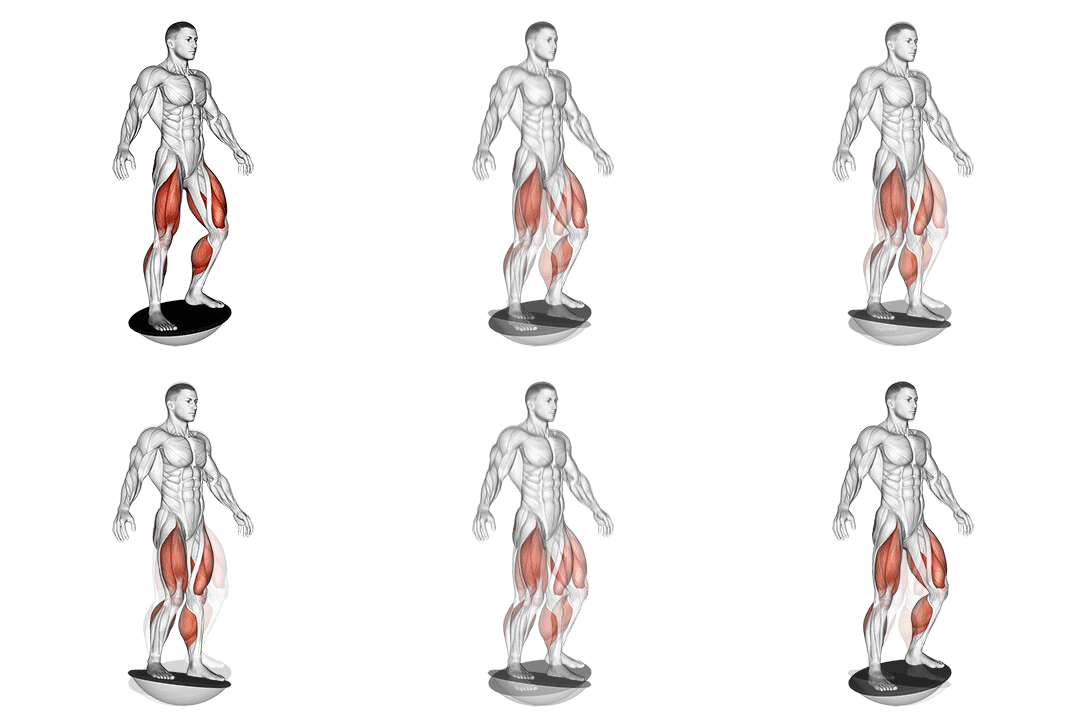
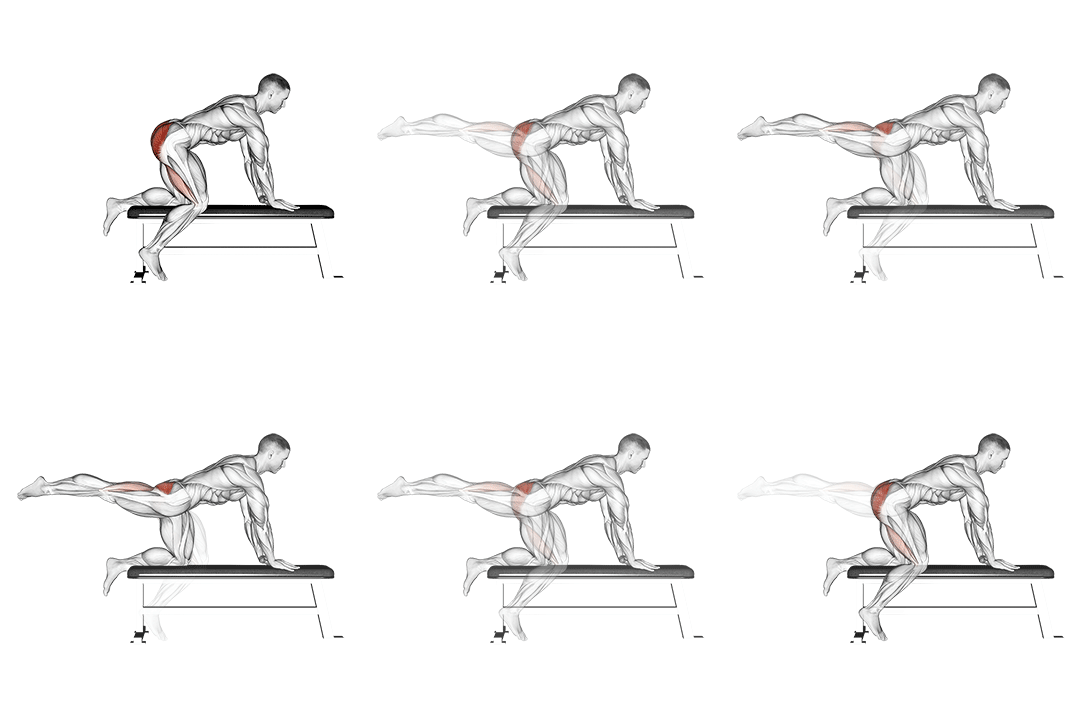
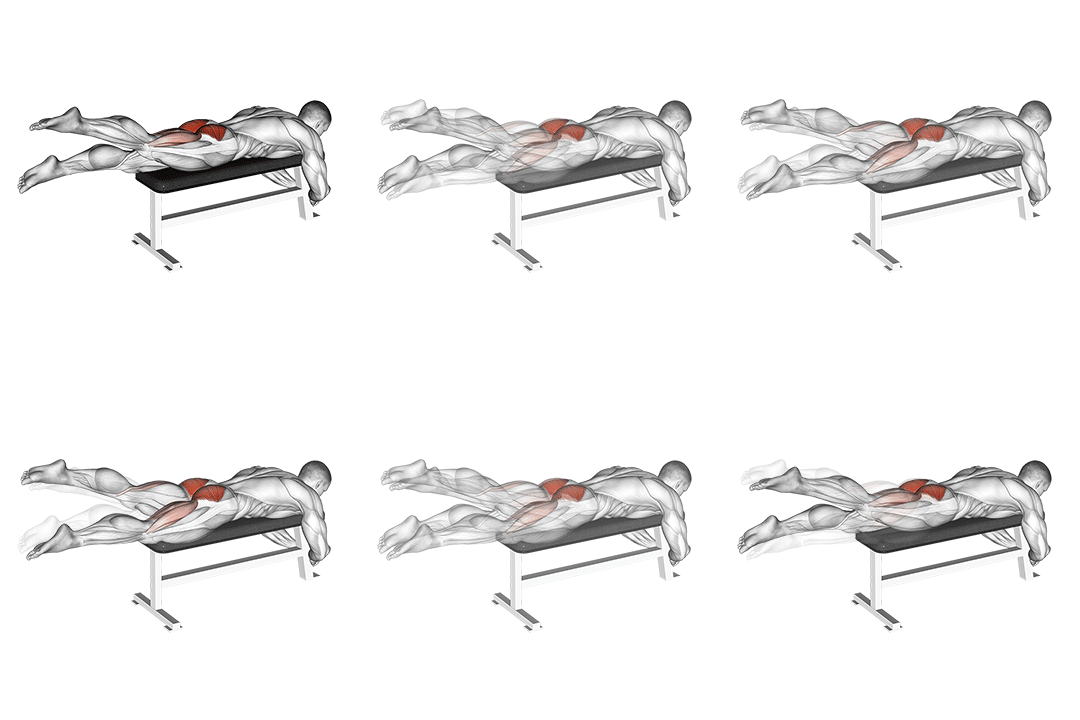
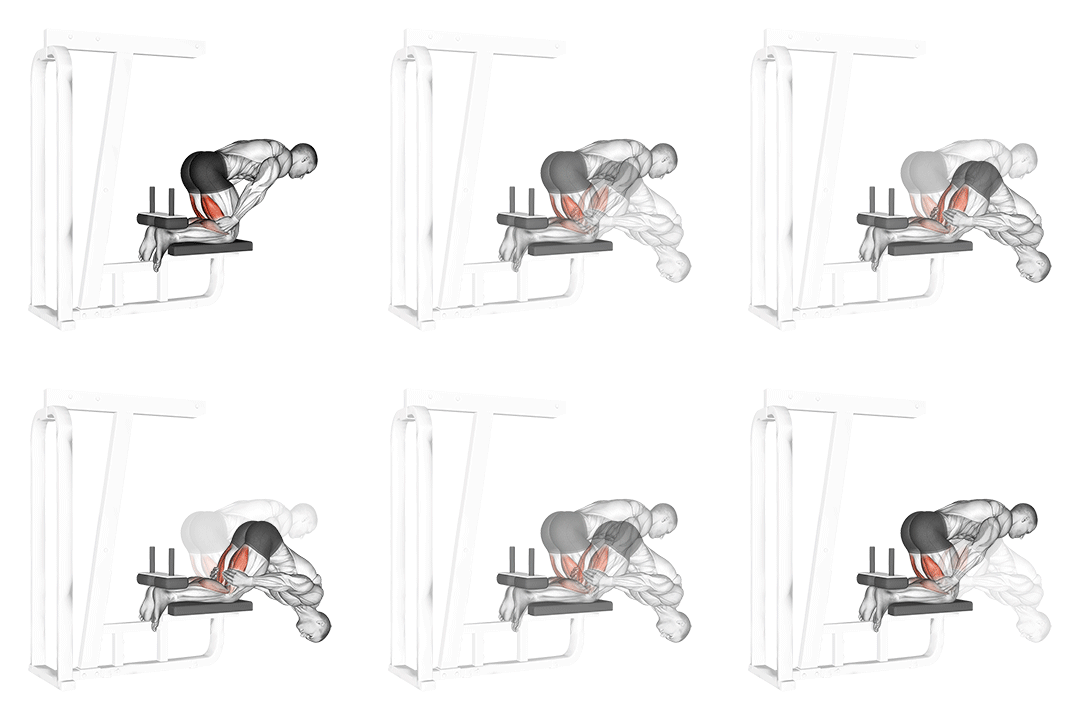
Pelvic Tilt Into Bridge
beginner strength exercise · body weight · targets glutes
- Body part
- upper legs
- Primary target
- glutes
- Equipment
- body weight
- Difficulty
- beginner
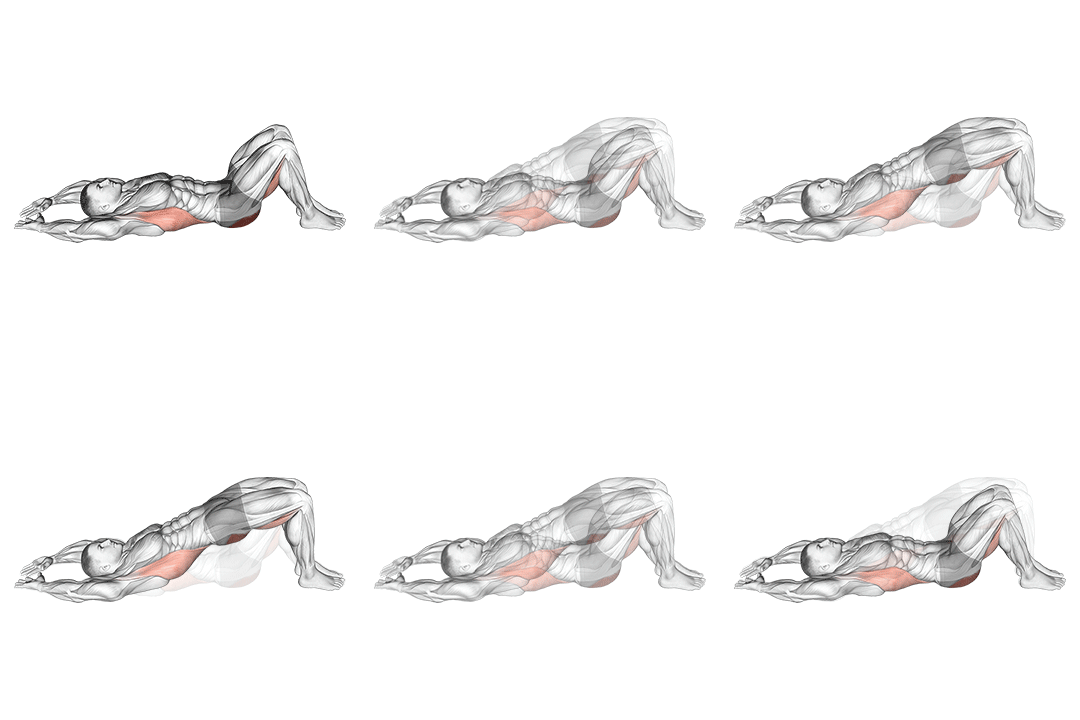
The pelvic tilt into bridge is a progressive glute-focused exercise that combines pelvic awareness with the dynamic glute bridge motion. From a supine position with knees bent, you first perform a posterior pelvic tilt (tucking the pelvis under), then continue the motion into a full hip lift to create the bridge position. The pelvis-led entry produces stronger glute engagement and protects the lower back from compensatory arching during the lift. Most trainees do glute bridges with the lower back arching to drive the lift rather than the glutes contracting. The result is reduced glute stimulus and accumulated lumbar stress. The pelvic tilt entry teaches the body to lead with glute contraction, which produces more meaningful glute development per rep and protects the lower back in the process. Where this earns its place is as a teaching exercise for trainees who don't yet feel their glutes engage during bridges. Combined with simpler glute bridges and progressive loading, the pelvic tilt approach establishes the engagement pattern that drives more effective glute training. For trainees managing lower-back issues, this technique is essential — bridging without proper pelvic positioning can aggravate back problems.
Why train the Pelvic Tilt Into Bridge?
- Establishes proper glute engagement pattern that protects the lower back.
- Builds stronger mind-muscle connection between intention and glute activation.
- Reduces lumbar arching during bridges, common cause of back tightness.
- Accessible to beginners and useful as activation work for advanced trainees.
- Improves the foundation that more demanding hip thrusts and bridges build on.
- Pairs naturally with pelvic awareness work for postural improvement.
How to do the Pelvic Tilt Into Bridge: step by step
- 1Lie on your back with your knees bent and feet flat on the ground.
- 2Place your arms by your sides with your palms facing down.
- 3Engage your glutes and core muscles.
- 4Tilt your pelvis upward, lifting your hips off the ground.
- 5Hold the bridge position for a few seconds.
- 6Slowly lower your hips back down to the starting position.
- 7Repeat for the desired number of repetitions.
Muscles worked
Primary
glutes
Secondary
hamstrings, core
Common mistakes to avoid
Pushing through the lower back
The lift should come from glute contraction. If the back arches dramatically, the glutes aren't doing the work.
Skipping the pelvic tilt
The tilt is what differentiates this from a standard bridge. Don't rush past it.
Going too high
Stop at neutral hip extension (body in line). Going further hyperextends the spine.
Bouncing through reps
Slow controlled tempo produces the engagement benefit.
Insufficient peak hold
Squeeze the glutes for 1-2 seconds at the top. The hold drives most glute development.
Easier and harder variations
Easier
Practice the pelvic tilt alone before adding the bridge. Or perform with feet wider for more stability.
Harder
Progress to single-leg bridges with the same pelvic tilt approach. Or hold a weight against the pelvis for added load. Or progress to hip thrusts (shoulders elevated).
Alternative exercises
Glute bridge
Standard version. Use this exercise's pelvic tilt approach within glute bridge sets.
Hip thrust
More effective glute exercise with shoulders elevated on bench.
Standing pelvic tilt
Awareness drill for the tilt pattern alone. Useful precursor.
How to program the Pelvic Tilt Into Bridge into your training
Pelvic tilt into bridge works as foundational glute work or activation drill. Sets and reps: 3 sets of 10-15 reps with 30-60 seconds rest. Frequency: 2-3 times per week, daily as activation work. In a session: as warm-up before squats, or 3 sets of 12 as foundational glute work. For those building glute engagement: 3-4 weeks of dedicated practice with this technique.
Recovery and frequency
Minimal recovery cost. Daily practice is tolerable.
Frequently asked questions
How many reps?
3 sets of 10-15 reps.
How often?
2-3 times per week, daily as activation.
Will this build glutes?
Builds the foundation. For serious glute development, progress to hip thrusts and weighted variations.
Why use the pelvic tilt?
Teaches glute-driven lift instead of lumbar-driven lift. Better engagement and back protection.
Is this for beginners?
Yes — foundational glute training and excellent for those not yet feeling glute engagement.
When should I progress?
Once 15 reps with strong glute squeeze feel easy, progress to single-leg bridges or hip thrusts.
Useful tools for this exercise
Build a workout with the Pelvic Tilt Into Bridge
Puna gives you guided bodyweight workouts you can do anywhere — no equipment, no gym, just structured progressions that build real strength.