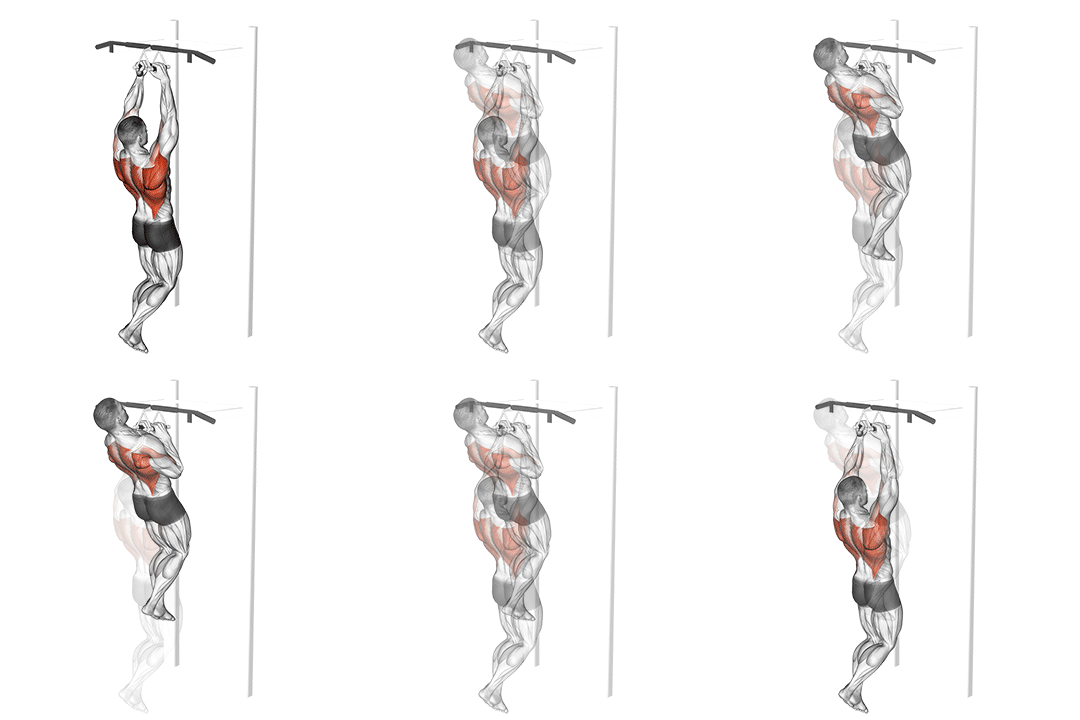
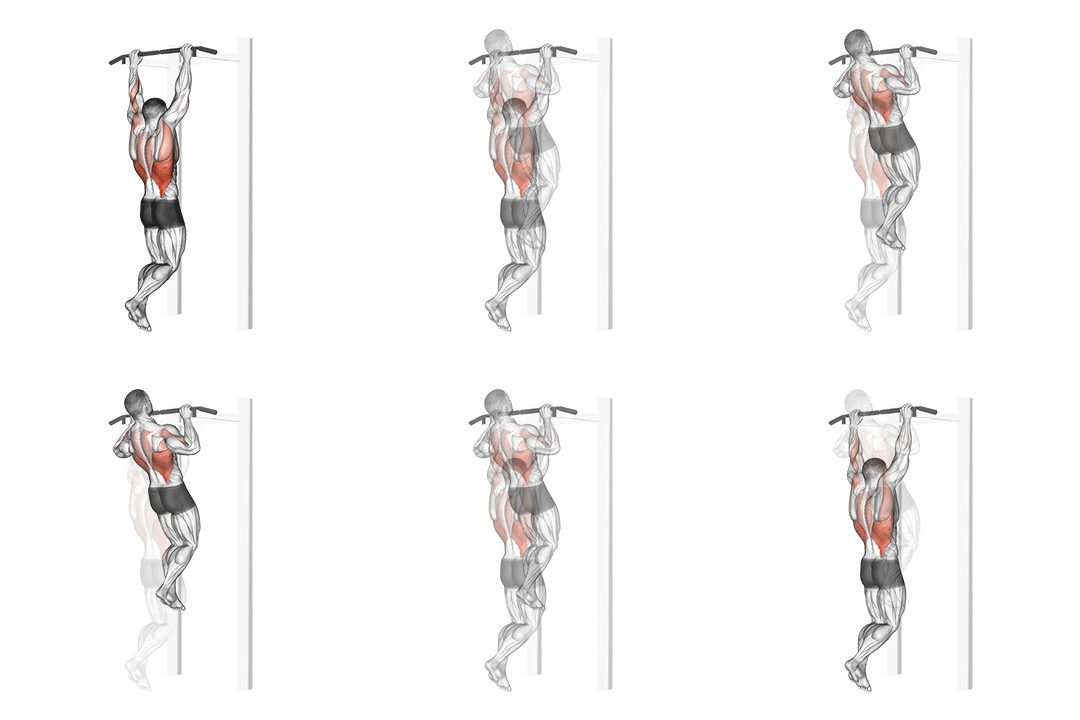
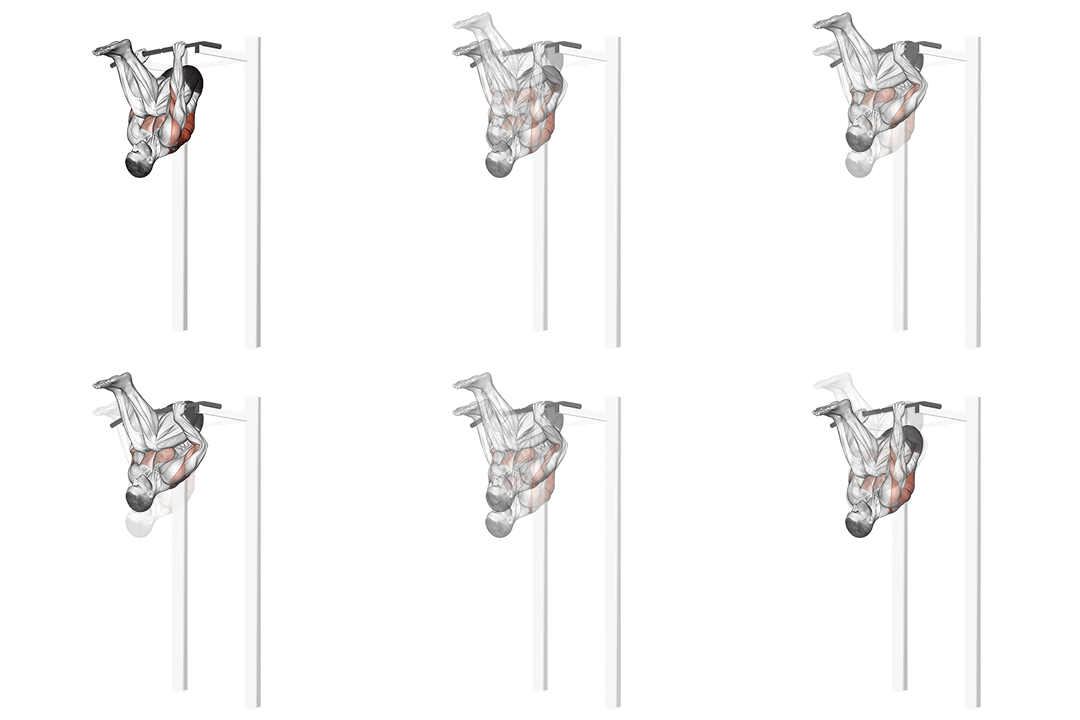
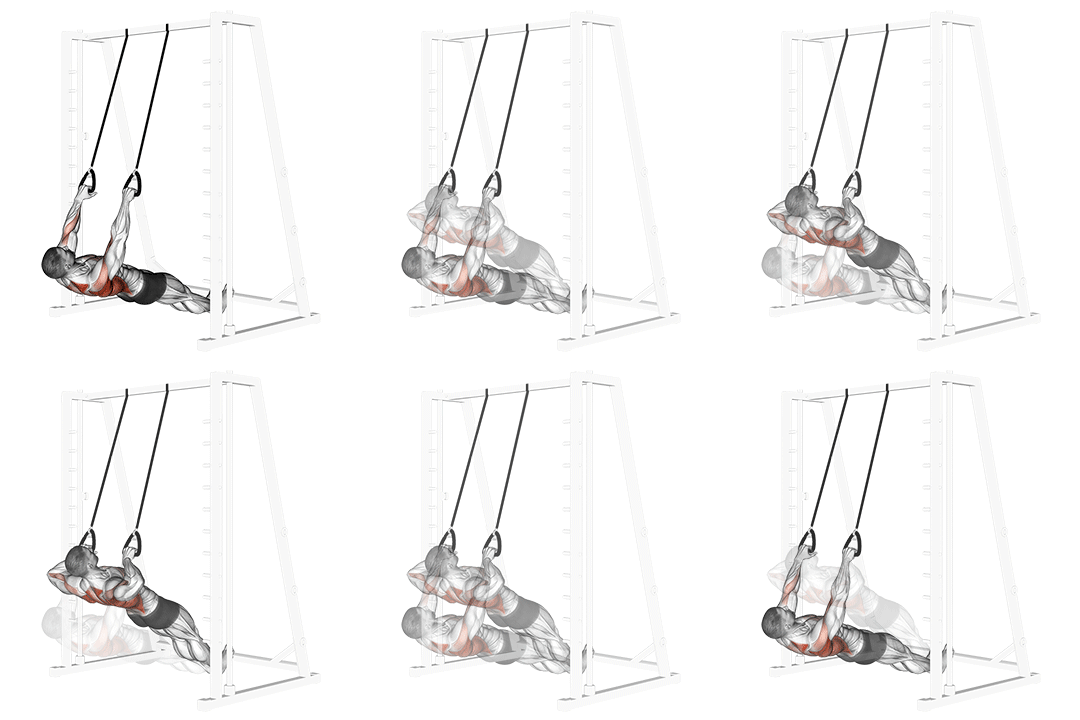
Muscle-up (on Vertical Bar)
advanced strength exercise · body weight · targets lats
- Body part
- back
- Primary target
- lats
- Equipment
- body weight
- Difficulty
- advanced
The muscle-up on vertical bar is a variation of the standard muscle-up performed on a vertical bar (climbing rope, gymnastic vertical pole) rather than a horizontal pull-up bar. The mechanics are similar — pull from below to above the bar with the chest leading the motion — but the vertical orientation changes how the body navigates the transition. The grip stays vertical throughout rather than rotating from underhand pull to dip position. This variation is more common in climbing, gymnastic apparatus work, and obstacle course training (Spartan races, ninja warrior courses) than in traditional strength training. The vertical bar position changes the muscle emphasis subtly — the lats still work hard, but the biceps engage differently than during horizontal-bar muscle-ups, and the core demands shift to handle the slightly different body position. For trainees in climbing or gymnastic contexts, the vertical bar muscle-up earns its place; for general fitness, the horizontal-bar version is more accessible and produces similar adaptations. The prerequisites are similar to standard muscle-ups — significant pulling strength (10+ strict pull-ups), adequate dip strength, and shoulder stability. The unique element is the grip style and body navigation around a vertical bar rather than horizontal. Climbers will find this variation more familiar than traditional strength athletes; for the latter group, learning the standard horizontal muscle-up first is generally the better approach. As a secondary skill for trainees who already have the horizontal version, it adds variety and athletic carryover to climbing-style movement.
Why train the Muscle-up (on Vertical Bar)?
- Trains pulling and pressing strength in the vertical-bar context relevant to climbing and obstacle courses.
- Develops the unique body navigation skills around vertical apparatus.
- Provides variety for trainees who've mastered the horizontal-bar muscle-up.
- Builds the grip strength needed for vertical bar and pole work.
- Carries over to climbing, ninja warrior obstacles, and similar athletic contexts.
- Engages the core and lats simultaneously through the dynamic transition.
How to do the Muscle-up (on Vertical Bar): step by step
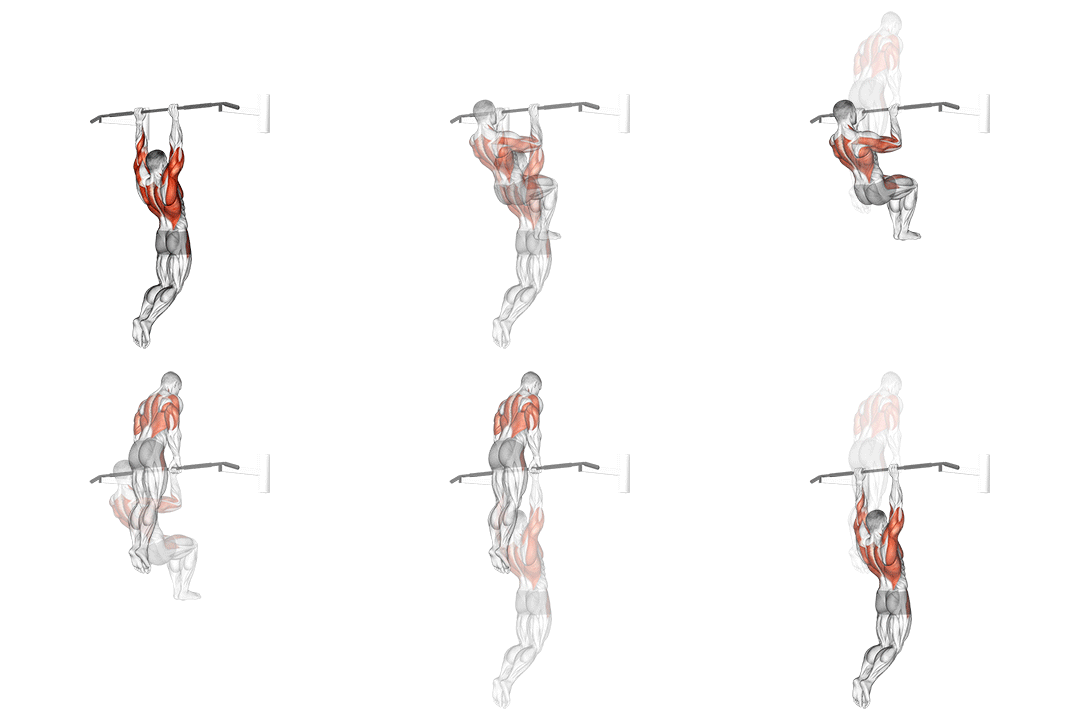
- 1Start by hanging from a vertical bar with your palms facing away from you and your arms fully extended.
- 2Engage your core and pull your body up towards the bar, leading with your chest.
- 3As you pull yourself up, lean back slightly and bring your elbows towards your sides.
- 4Continue pulling until your chest reaches the bar and your elbows are fully bent.
- 5Pause for a moment at the top, then slowly lower yourself back down to the starting position.
- 6Repeat for the desired number of repetitions.
Muscles worked
Primary
lats
Secondary
biceps, triceps, forearms
Common mistakes to avoid
Insufficient prerequisites
The vertical bar muscle-up demands the same strength prerequisites as horizontal versions — 10+ strict pull-ups and 10+ dips. Without that base, the exercise produces injury rather than progress.
Unfamiliar grip handling
The vertical bar grip differs from standard horizontal grips. Practice basic pulling on the vertical bar (chin-ups, lat pulls) before attempting muscle-ups to develop the grip familiarity.
Crashing into the transition
As with all muscle-ups, the transition between pull and dip should be controlled, not crashed. Hard transitions stress the shoulders and produce poor reps.
Programming too frequently
The advanced load and shoulder demand benefit from significant recovery. 1-2 times per week is the cap; more produces accumulating shoulder stress.
Skipping the standard muscle-up first
Most trainees benefit from learning horizontal-bar muscle-ups before vertical variations. The horizontal version has more coaching resources and progression drills available; once mastered, the vertical version is a natural extension.
Easier and harder variations
Easier
Practice the components separately on the vertical bar — vertical bar pull-ups for the pull, controlled descents from the top for the transition, and partial dip-press work for the lockout. Combine into the full skill only after each component is solid.
Harder
Progress to consecutive vertical bar muscle-ups (multiple reps without breaks). Or to weighted vertical bar muscle-ups for advanced strength athletes. The progressions follow the same general path as horizontal-bar muscle-up training.
Alternative exercises
Standard muscle-up (horizontal bar)
More common variation with extensive coaching resources. Master this first before pursuing vertical variations.
Climbing-specific pull-ups
If climbing carryover is the goal, climbing-specific pull-ups and rock-climbing training produce more direct sport benefit.
Vertical bar pull-up
Foundational vertical bar pulling without the transition. Use to build the grip strength and pulling pattern before attempting muscle-ups.
How to program the Muscle-up (on Vertical Bar) into your training
Muscle-up on vertical bar belongs in advanced training programs for climbers, gymnastic athletes, or obstacle course competitors. Prerequisites: 10+ strict pull-ups, 10+ strict dips, vertical bar pulling familiarity, healthy shoulders and elbows. Sets and reps: 3-4 sets of 1-3 reps with 2-4 minutes rest. Total weekly volume of 6-15 reps. Frequency: 1-2 times per week. The shoulders need 72-96 hours between sessions. For climbers and obstacle athletes: integrate into sport-specific training days where the carryover to climbing or obstacle navigation is direct. For general fitness: this variation is largely optional. Standard muscle-ups cover most needs without the vertical bar requirement. Don't program vertical bar muscle-ups during deload weeks or when fatigued.
Recovery and frequency
Muscle-up on vertical bar has steep recovery cost similar to horizontal versions. 72-96 hours between sessions is typical. The shoulders and elbows are usually the limiting recovery factors.
Frequently asked questions
How is this different from standard muscle-up?
Performed on a vertical bar (rope, pole) rather than horizontal pull-up bar. The grip orientation differs and the body navigates around the bar slightly differently. Most adaptations are similar.
Should I learn this before standard muscle-up?
No — most trainees benefit from learning the horizontal version first. The vertical variation is generally easier to add once the standard skill is mastered.
How often should I do this?
1-2 times per week maximum. The recovery demands are similar to standard muscle-ups.
Is this useful for general fitness?
Largely no. The vertical bar variation is most relevant for climbing, gymnastic, or obstacle course athletes. For general fitness, standard muscle-ups (or even just consistent pull-up and dip training) cover most needs.
What equipment do I need?
A vertical bar — climbing rope, gymnastic pole, or sturdy vertical bar. Not all gyms have these; outdoor climbing gyms or specific obstacle training facilities are common venues.
How long does it take to learn?
Similar to standard muscle-ups: 6-18 months once prerequisites are established. The exact timeline depends on grip familiarity and pulling strength foundation.
Useful tools for this exercise
Build a workout with the Muscle-up (on Vertical Bar)
Puna gives you guided bodyweight workouts you can do anywhere — no equipment, no gym, just structured progressions that build real strength.