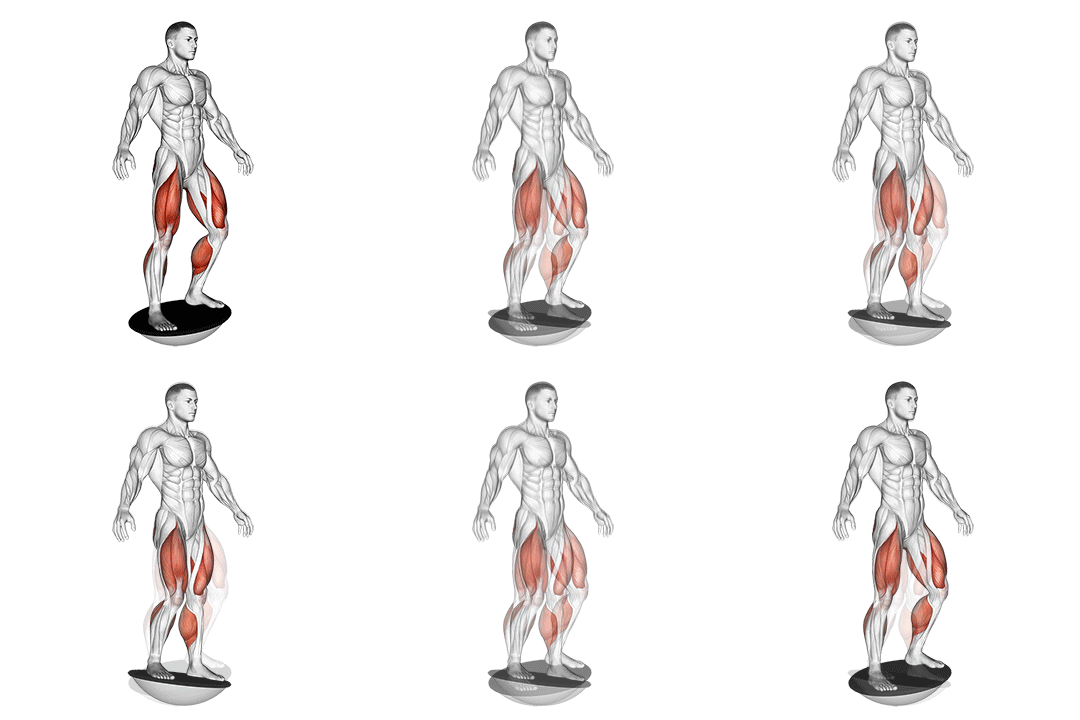
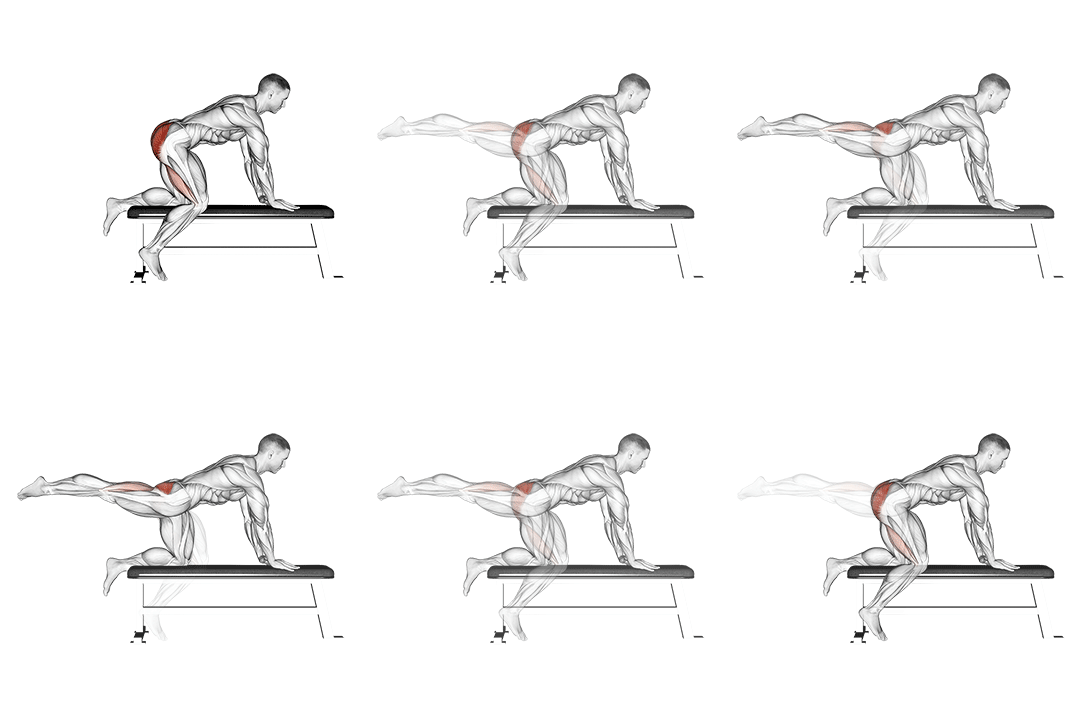
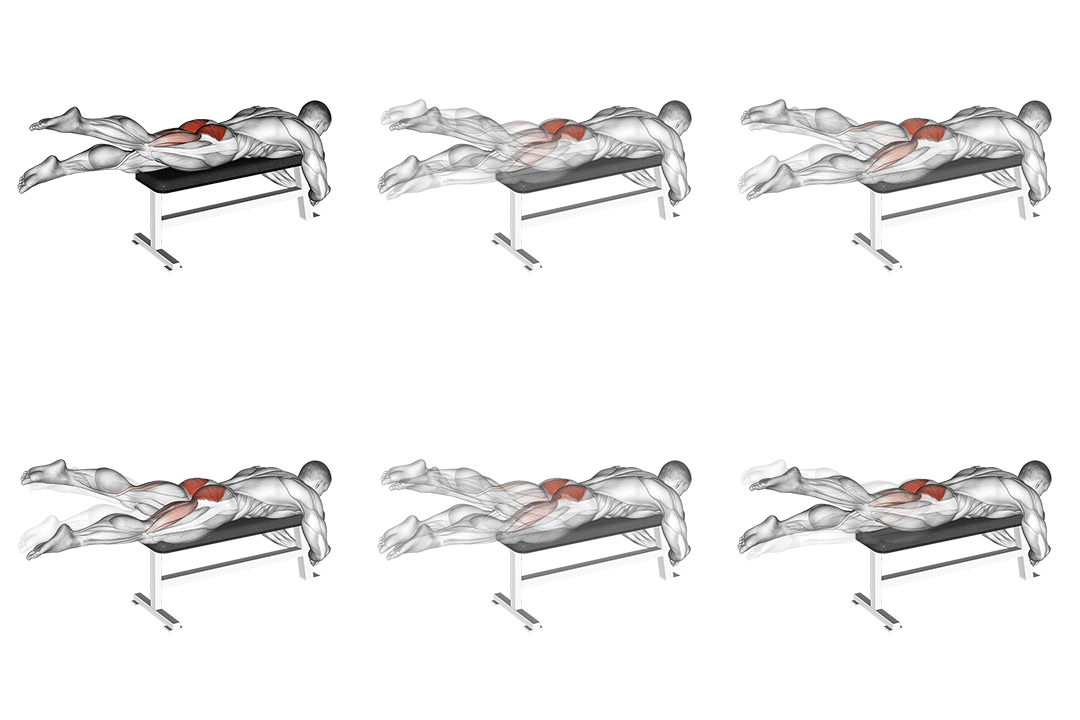
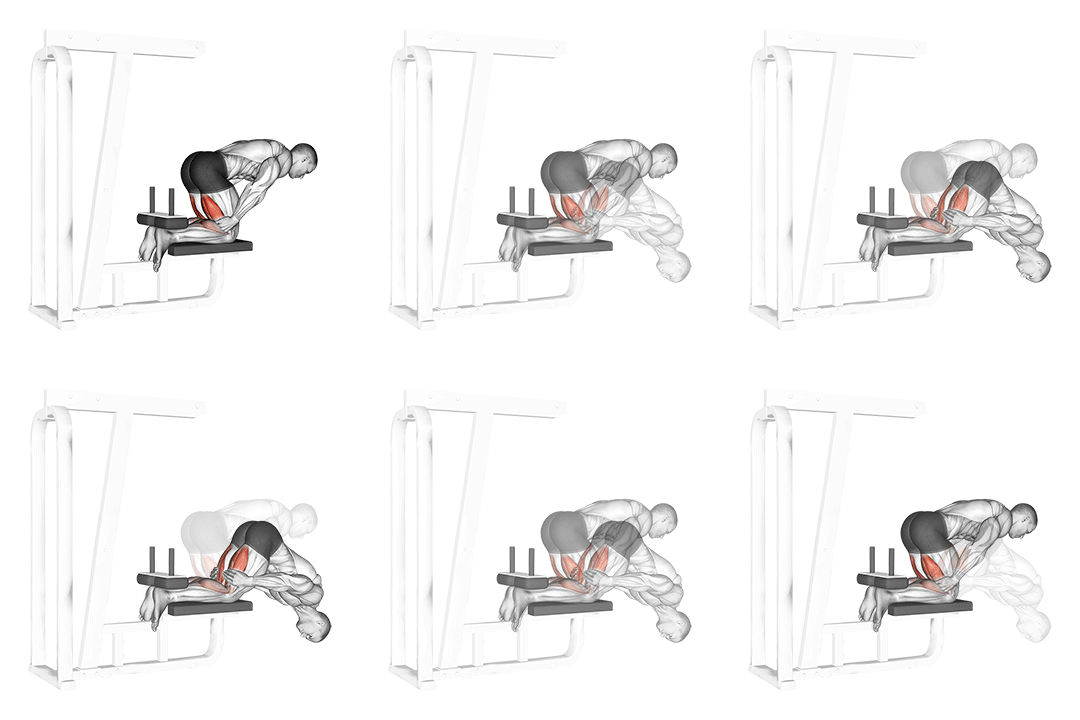
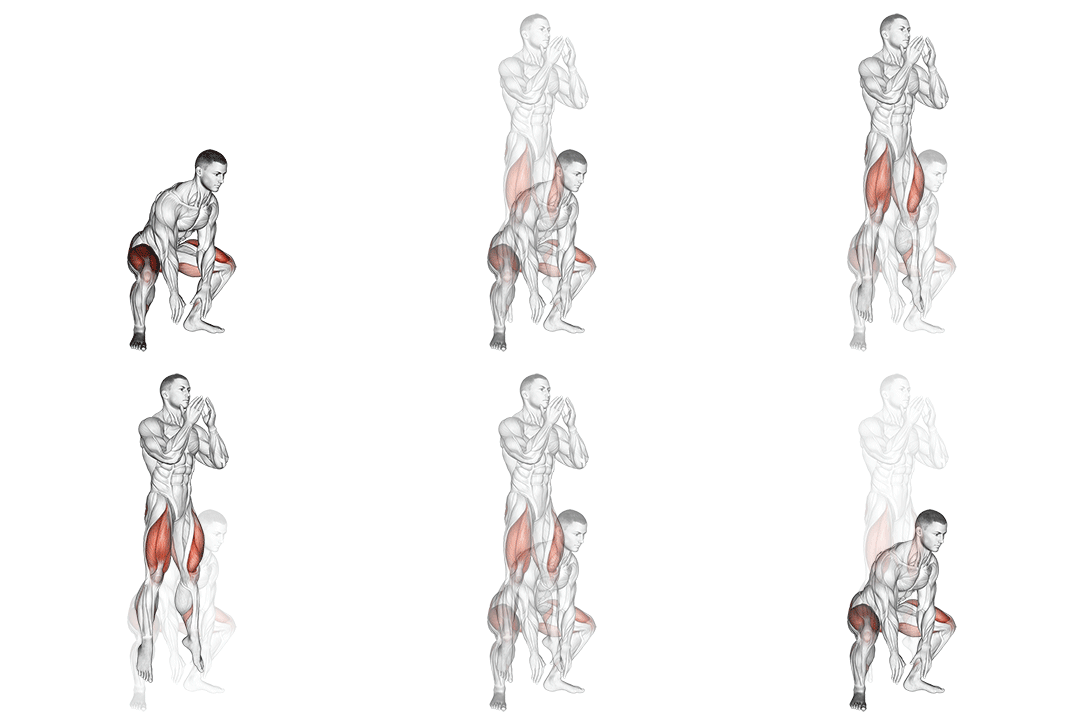
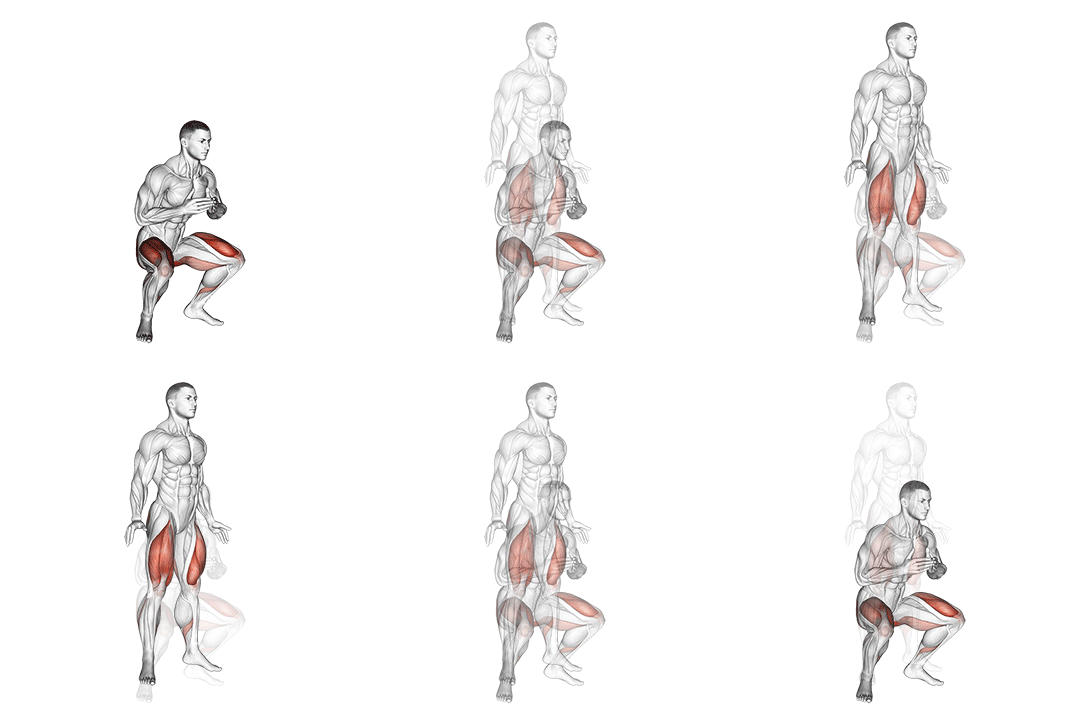
Lying (side) Quads Stretch
beginner stretching exercise · body weight · targets quads
- Body part
- upper legs
- Primary target
- quads
- Equipment
- body weight
- Difficulty
- beginner
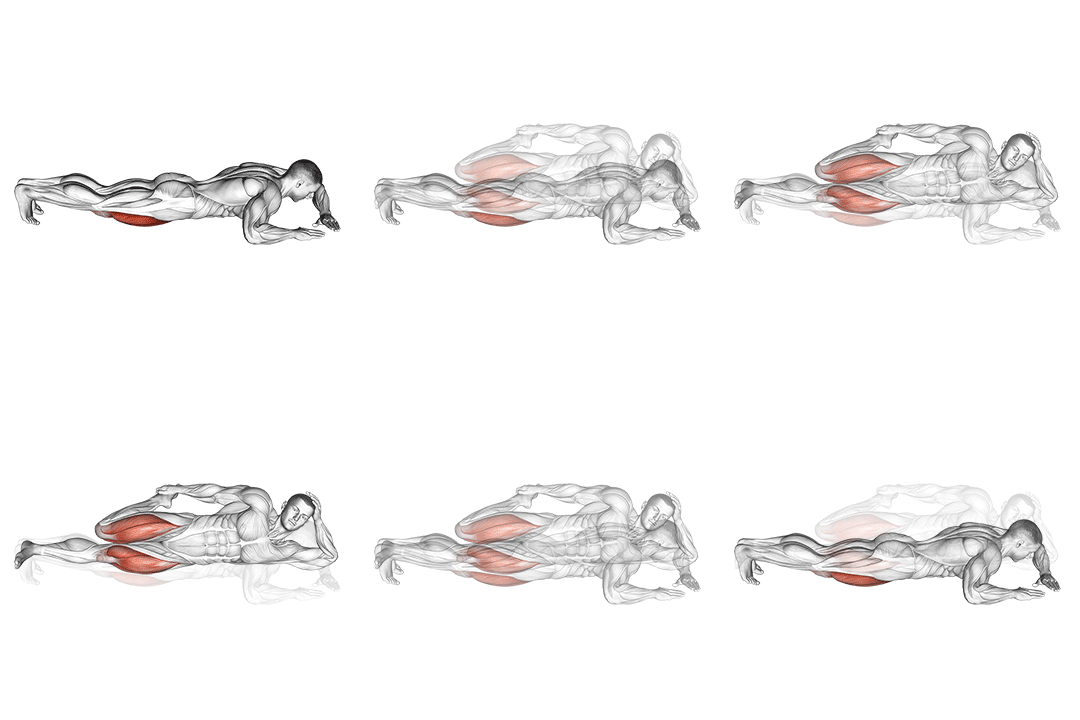
The lying side quad stretch is a side-lying mobility drill targeting the quadriceps — the large four-headed muscle group at the front of the thigh. Lying on one side, you bend the top knee and grab the foot, gently pulling it toward the glute to create a stretch through the quad. The lying position lets gravity stabilize the body while the stretch isolates the working leg, producing more focused quad lengthening than standing variations. Most adults have meaningful quad tightness from sedentary patterns combined with quad-dominant exercises. Hours of sitting keep the quads partially shortened in their flexed position. Lifting work (squats, lunges, leg presses) repeatedly works the quads without dedicated lengthening. The result is chronic tightness that limits squat depth, restricts hip extension, and contributes to anterior pelvic tilt issues. The lying side quad stretch addresses this directly. Combined with hip flexor mobility work (couch stretch, kneeling lunge stretch), daily quad stretching produces noticeable improvement in squat depth and overall lower-body comfort over 4-6 weeks. The lying position is particularly accessible for older adults or anyone with balance limitations who can't perform standing quad stretches safely. The 60-second time investment per leg is laughable; the carryover compounds over months and years.
Why train the Lying (side) Quads Stretch?
- Lengthens the quadriceps, addressing chronic shortening from sitting and lifting work.
- Improves hip extension range that's commonly restricted in sedentary adults.
- More accessible than standing quad stretches for those with balance issues.
- Supports better squat depth by addressing one of the common restrictions.
- Reduces anterior knee discomfort often linked to quad tightness.
- Pairs naturally with hip flexor stretches for compound anterior chain mobility.
How to do the Lying (side) Quads Stretch: step by step
- 1Lie on your side with your legs straight.
- 2Bend your top leg and grab your ankle or foot with your hand.
- 3Gently pull your ankle or foot towards your glutes until you feel a stretch in your quads.
- 4Hold the stretch for 20-30 seconds.
- 5Release the stretch and repeat on the other side.
Muscles worked
Primary
quads
Secondary
hamstrings
Common mistakes to avoid
Pulling too aggressively
Forceful pulling can strain the knee joint. Apply gentle persistent pressure; let time and breath release the tissue.
Letting the hips roll forward
When pulling the foot, the hips want to roll forward to reduce the stretch. Press the front hip forward and keep the body stacked on its side.
Holding the breath
Breathe slowly throughout. Holding the breath spikes blood pressure and reduces tissue release.
Holding too short
30-45 seconds per leg is the minimum for meaningful tissue change.
Skipping the second side
Always do both sides equally to balance the stretch.
Easier and harder variations
Easier
Use a strap or towel looped around the foot if reaching the foot directly is too demanding. Or skip the foot pull and just bend the knee back without active pull.
Harder
Add a slight hip extension by pressing the working hip forward while pulling the foot. The combined motion deepens the quad stretch significantly.
Alternative exercises
Standing quad stretch
Standing version. Less stable but more accessible during workouts.
Couch stretch
Combines quad stretch with hip flexor work. More demanding but more comprehensive.
Kneeling lunge stretch
Hip flexor focus with secondary quad stretch. Pair with the lying quad stretch for compound anterior mobility.
How to program the Lying (side) Quads Stretch into your training
Daily routine: 1-2 sets of 30-45 seconds per leg, once or twice per day. Post-workout protocol: 1 set of 45 seconds per leg after lower-body sessions for tissue length adaptation. For those with chronic quad tightness or anterior pelvic tilt: 3-4 sessions per day, paired with hip flexor stretches and glute strengthening. For general fitness: 2-3 times per week is sufficient maintenance. Frequency: daily is appropriate due to the gentle nature.
Recovery and frequency
Zero recovery cost. Daily practice is safe. Sharp knee pain warrants stopping.
Frequently asked questions
How long should I hold this stretch?
30-45 seconds per leg, 1-2 sets per side.
How often?
Daily, especially for trainees doing regular squats or with sedentary jobs.
Will this help my squat depth?
Often yes. Tight quads limit hip extension and squat depth. Daily stretching combined with hip flexor work usually opens up squat depth within 4-6 weeks.
Why does my knee hurt?
Excessive pulling can stress the knee joint. Reduce force; let the stretch be gentle.
Can I do this with knee issues?
Cautiously, with reduced range. Stop if knee pain appears. Consult a physiotherapist for current issues.
Lying vs standing quad stretch?
Lying is more stable and isolates the stretch better. Standing is more accessible during workouts. Use both.
Useful tools for this exercise
Build a workout with the Lying (side) Quads Stretch
Puna gives you guided bodyweight workouts you can do anywhere — no equipment, no gym, just structured progressions that build real strength.