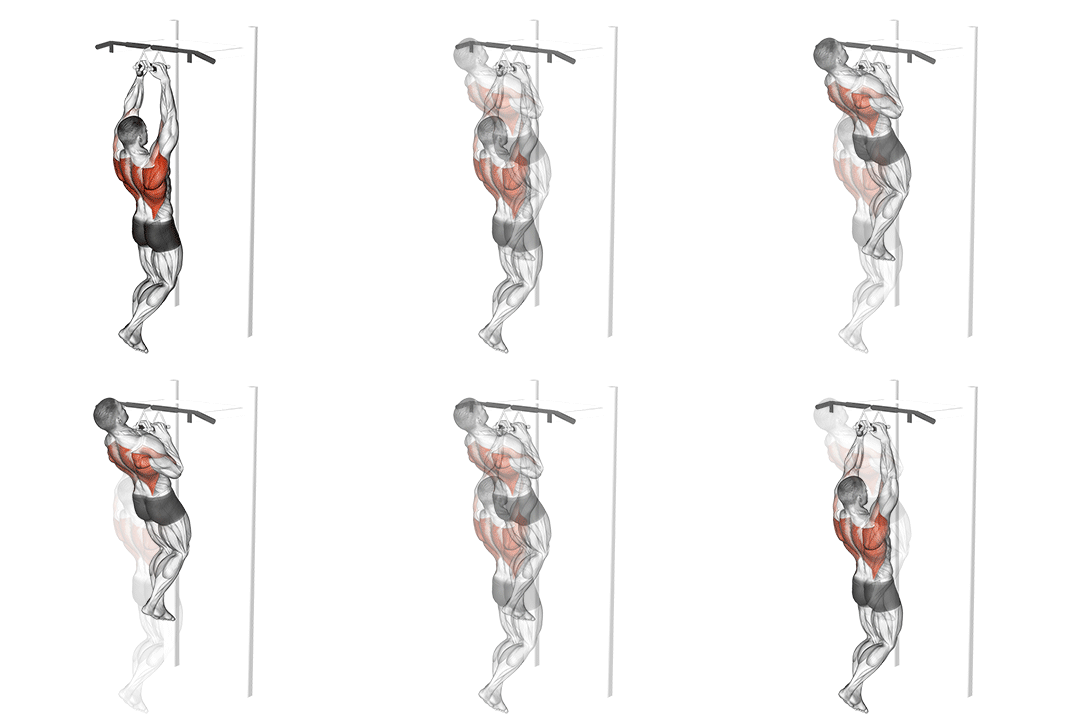
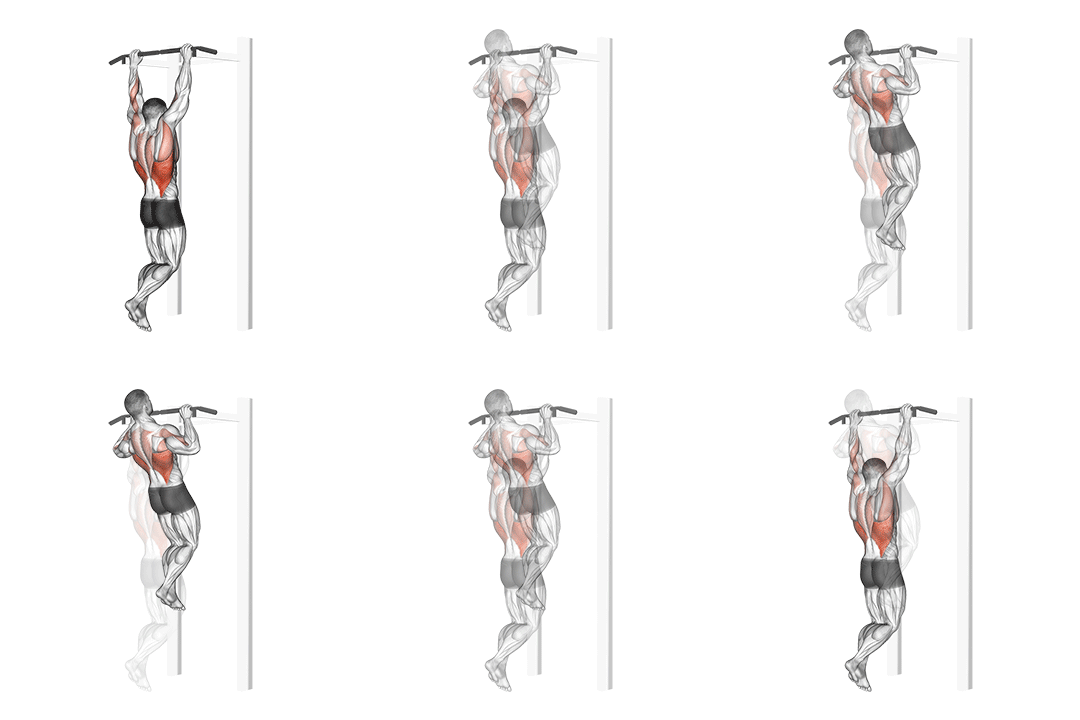
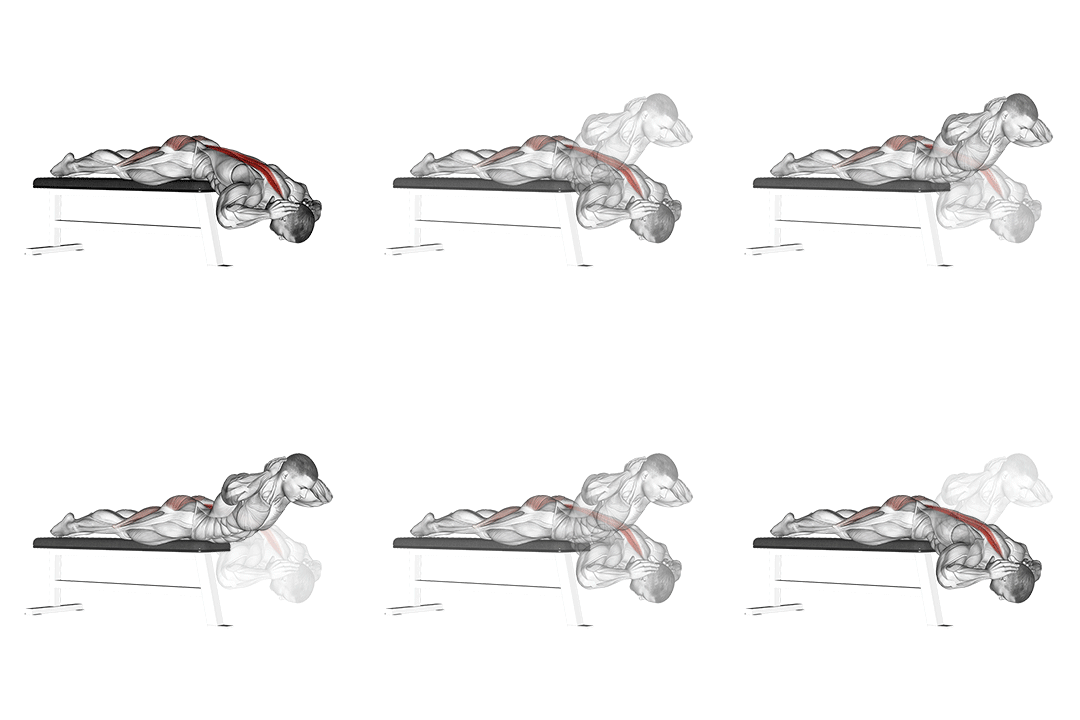
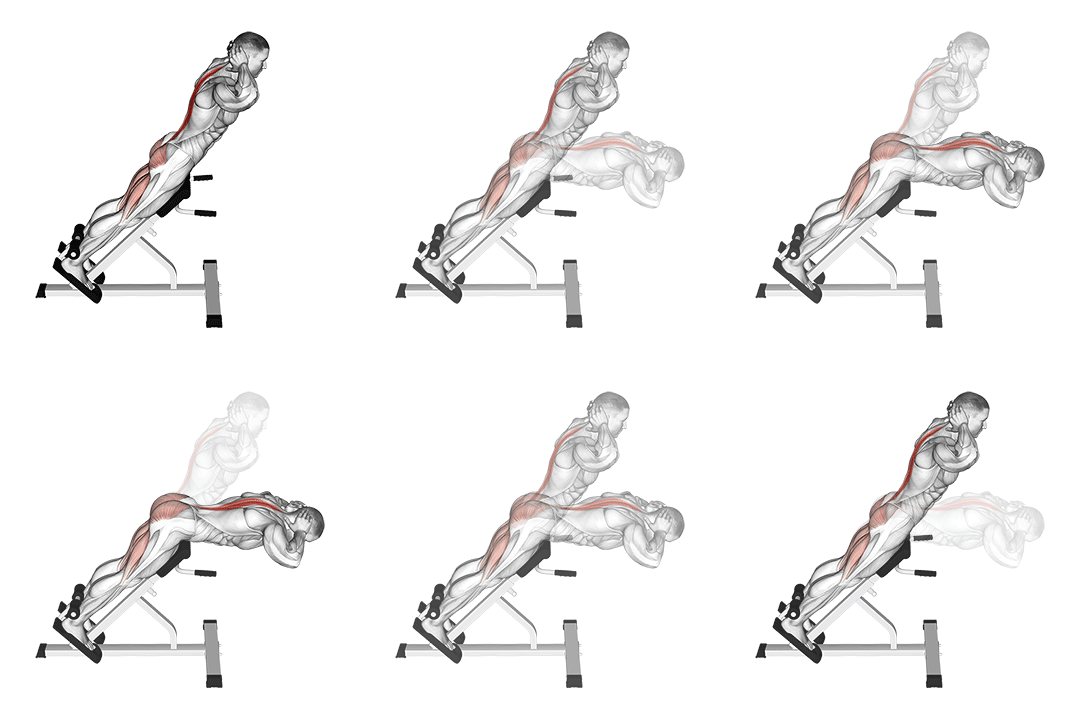
Kneeling Lat Stretch
beginner stretching exercise · body weight · targets lats
- Body part
- back
- Primary target
- lats
- Equipment
- body weight
- Difficulty
- beginner
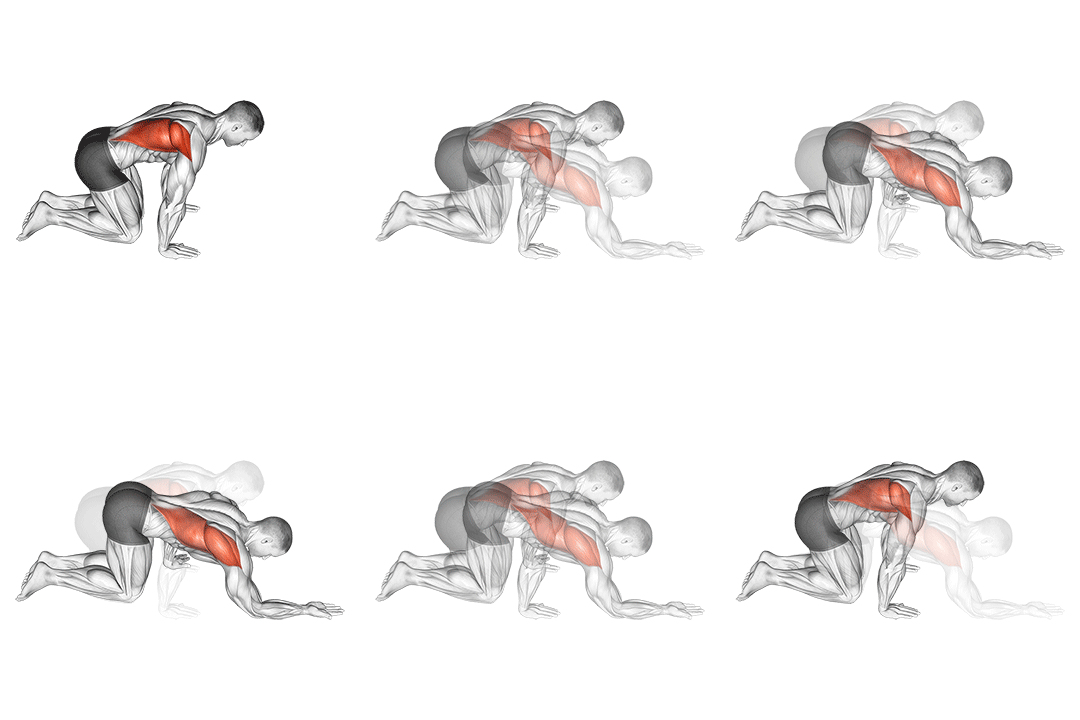
The kneeling lat stretch is a focused mobility drill targeting the latissimus dorsi — the large muscle of the back that runs from the lower spine up to the shoulder. Performed kneeling on the ground with arms extended overhead and fingers interlaced, you slowly lean to one side until you feel a clear stretch run from the side of your hip up through your armpit and into your arm. The kneeling position anchors the lower body, isolating the lateral lean to the upper body where the lats and surrounding tissue lengthen. The lats are one of the most chronically tight muscles in trained adults, especially anyone who does pulling work (pull-ups, rows, deadlifts). The repetitive shoulder extension pattern of pulling exercises gradually shortens the lats over months and years of training. Without dedicated lat lengthening, the cumulative effect shows up as restricted overhead reach, chronic shoulder tightness, and the inability to fully reach a vertical handstand position. The kneeling lat stretch addresses this directly. What makes this version particularly useful is the depth it allows. Standing lateral stretches reach less of the lat than the kneeling version, which lets the body lean further while staying anchored. For trainees serious about overhead mobility, handstand training, or shoulder health, daily kneeling lat stretches over 4-6 weeks produce noticeable improvement in overhead reach. The 60-second daily investment is laughable; the compounding benefit across years of consistent training is substantial.
Why train the Kneeling Lat Stretch?
- Lengthens the lats more deeply than standing lateral stretches due to anchored hips.
- Improves overhead reach for pressing, handstand work, and any vertical arm motion.
- Counters the chronic lat shortening caused by repeated pulling work in trained adults.
- Reduces shoulder tightness that often originates from tight lats rather than from the shoulder itself.
- Pairs naturally with thoracic mobility for comprehensive overhead-mobility training.
- Costs nothing, requires only floor space, and integrates easily into post-workout routines.
How to do the Kneeling Lat Stretch: step by step
- 1Kneel on the ground with your knees hip-width apart and your toes pointing back.
- 2Extend your arms overhead and interlace your fingers.
- 3Keeping your back straight, slowly lean to the right side, feeling a stretch in your left lat muscle.
- 4Hold the stretch for 20-30 seconds, then return to the starting position.
- 5Repeat the stretch on the left side, leaning to the left and feeling a stretch in your right lat muscle.
- 6Continue alternating sides for the desired number of repetitions.
Muscles worked
Primary
lats
Secondary
shoulders, triceps
Common mistakes to avoid
Sitting back on heels too far
If the hips drop back onto the heels, the kneeling position changes and the lat stretch loses leverage. Stay upright on the knees with hips above the ankles, or use a slightly forward kneeling position to maintain the lat-emphasis lever.
Bending forward instead of leaning sideways
The body should lean purely sideways, not forward. Forward lean shifts the stretch from the lats into the lower back. Imagine being between two walls; the lean stays in one plane.
Letting arms collapse during the lean
As fatigue builds, the arms tend to bend and shorten the lever. Keep the arms fully extended overhead with fingers interlaced throughout. The straight-arm position is what creates the deep lat stretch.
Holding too short
Lats release slowly. Brief holds barely cue the muscle to soften. Aim for 30-45 seconds per side, breathing slowly. The deeper release happens about halfway through.
Skipping the second side
Most people have asymmetric lat tightness. Stretching only one side or doing fewer reps on the tighter side reinforces the imbalance. Always do both sides equally.
Easier and harder variations
Easier
Skip the interlaced fingers — let the arms hang down or at the sides, leaning the upper body sideways without overhead reach. The reduced lever makes the stretch gentler for trainees with shoulder restrictions.
Harder
Add a slight twist — after positioning the lean, rotate the torso slightly toward the leaning side. The added rotation deepens the stretch through different lat fibers. Or progress to the puppy pose (yoga) for even deeper lat work.
Alternative exercises
Standing lateral stretch
Same general direction with less depth. Use when floor space isn't available or as a brief desk-time stretch.
Puppy pose (yoga)
Deeper lat stretch with chest dropping toward the floor. Use as progression once kneeling lat stretch becomes easy.
Doorway lat stretch
Hands on a doorframe with body hanging back. Different lever; useful complement for variety.
How to program the Kneeling Lat Stretch into your training
The kneeling lat stretch works best as a daily habit rather than periodic effort. Lat tissue adapts to consistent low-volume input. Daily routine: 2 sets of 30-45 seconds per side, performed once or twice a day. Tying the practice to existing transitions (post-shower, post-workout) makes it automatic. Post-workout protocol: 2 sets of 45 seconds per side after pulling sessions (pull-ups, rows). The combination of warm tissue and post-exercise activation makes this an effective timing window. Pre-overhead-work warm-up: 1 set of 30 seconds per side before handstand work, overhead presses, or vertical pressing. The lengthened lats support better overhead range during the session. For trainees with tight lats and limited overhead reach: 4-5 sessions per day at 30 seconds per side. Combined with thoracic mobility work and chest stretches, most see noticeable improvement in overhead range within 4-6 weeks. For athletes doing pulling-heavy training: daily kneeling lat stretches as part of cooldown routines. The lat work compounds over months of consistent practice. Don't program this as a separate 'mobility day' — daily small doses outperform infrequent long sessions for tissue length adaptation.
Recovery and frequency
The kneeling lat stretch has zero recovery cost. Daily practice is safe and ideal — lat tissue adapts to consistent low-volume input far better than to occasional intense sessions. The main warning signs are sharp shoulder pain or pinching during the lean. Both suggest the position exceeds shoulder mobility's current capacity. Reduce range, drop the overhead reach, and skip the stretch on days when shoulders feel off.
Frequently asked questions
How long should I hold the kneeling lat stretch?
30-45 seconds per side, 1-2 sets per side. Lats release slowly; shorter holds don't drive meaningful tissue change.
How often should I stretch my lats?
Daily, especially for trainees doing regular pulling work. Lats shorten consistently with pull-ups and rows; daily lengthening prevents accumulation.
Will this help my overhead pressing?
Often yes. Tight lats limit overhead reach; daily lat stretching combined with thoracic work usually opens up overhead range within 4-6 weeks.
Why do my shoulders feel restricted overhead?
Often the lats are the limiting factor, not the shoulders themselves. Daily lat stretching plus thoracic mobility addresses most overhead reach restrictions.
Can I do this with shoulder issues?
Often yes, with reduced range. Drop the overhead arm position if it bothers shoulders; do a simpler side bend with arms at sides. Stop if sharp pain appears.
Kneeling vs standing lat stretch: which is better?
Kneeling reaches deeper stretch due to anchored hips. Standing is more accessible (no floor space needed) but less effective. Use kneeling when possible; standing as a desk-time alternative.
Useful tools for this exercise
Build a workout with the Kneeling Lat Stretch
Puna gives you guided bodyweight workouts you can do anywhere — no equipment, no gym, just structured progressions that build real strength.