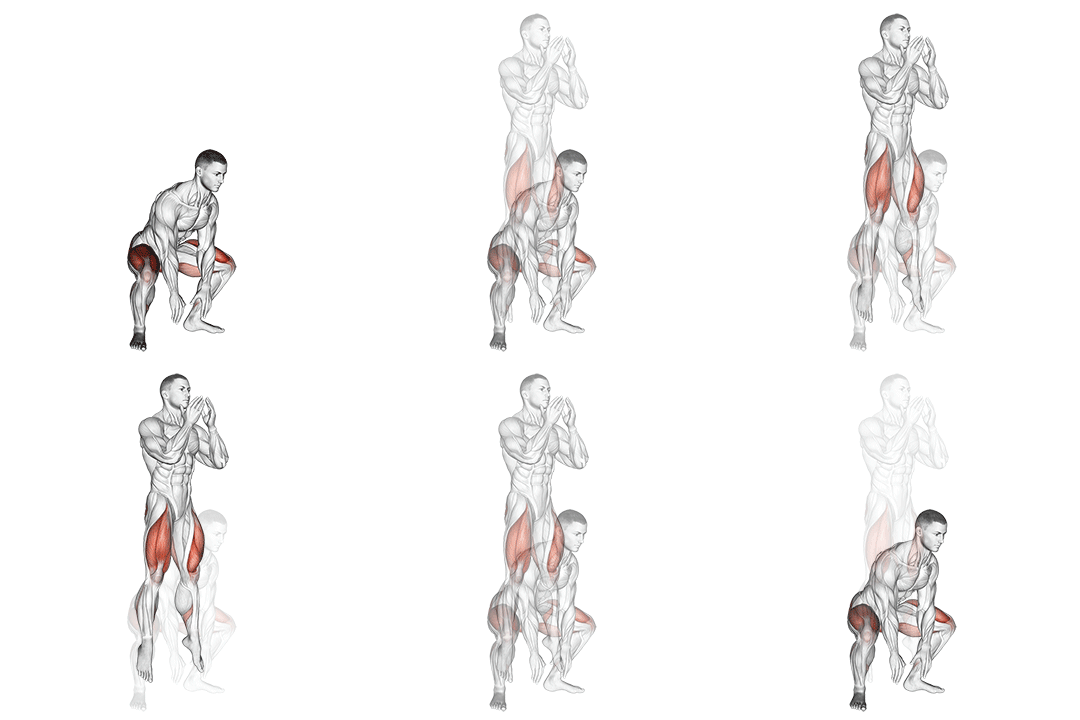
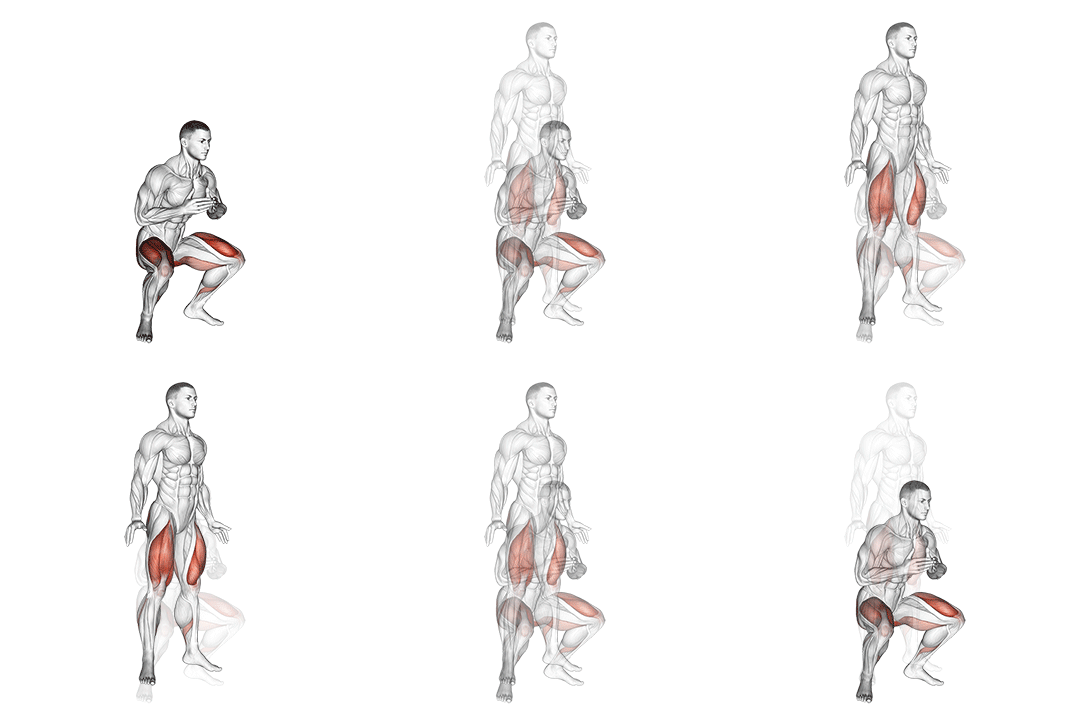
Iron Cross Stretch
beginner mobility exercise · body weight · targets glutes
- Body part
- upper legs
- Primary target
- glutes
- Equipment
- body weight
- Difficulty
- beginner
The iron cross stretch is a glute and hip mobility drill performed lying on the back, then crossing one leg over the other and pulling it across the body to create a spinal twist alongside glute stretching. The combined motion addresses both glute tightness and limited rotational spinal mobility — two patterns that contribute to lower-back issues in modern adults. The glutes and the rotational range of the spine both deteriorate with sedentary patterns. The iron cross combines mobility work for both, providing efficient compound stretching. For trainees with chronic lower-back tightness, hip stiffness, or restricted rotation during athletic movements, daily iron cross practice produces noticeable improvement over 4-6 weeks. Where this earns its place is as a daily mobility habit. The accessible position (lying on back) makes it suitable for all fitness levels including older adults. Combined with hug knees to chest and other supine mobility drills, it forms part of a complete back-care routine that takes 3-5 minutes per day. For trainees serious about long-term spinal health, iron cross stretching is one of the highest-leverage mobility drills available.
Why train the Iron Cross Stretch?
- Combines glute stretching with spinal rotation mobility in one drill.
- Releases chronic glute tightness from sitting and sedentary patterns.
- Improves rotational range of the spine, often restricted in modern adults.
- Reduces lower-back tightness through the gentle rotation.
- Accessible to all fitness levels including older adults.
- Pairs naturally with other supine mobility drills for compound back care.
How to do the Iron Cross Stretch: step by step
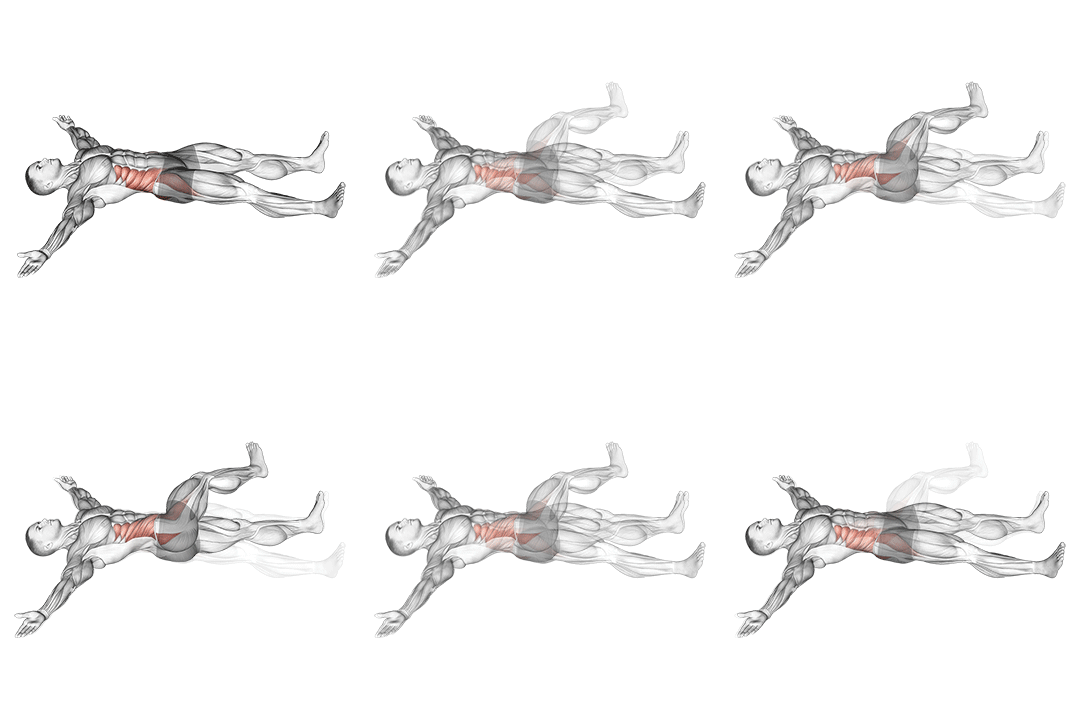
- 1Lie flat on your back with your arms extended out to the sides.
- 2Raise your legs up towards the ceiling, keeping them straight.
- 3Slowly lower your legs to one side, aiming to touch the floor with your feet.
- 4Hold the stretch for a few seconds, then return your legs to the starting position.
- 5Repeat the stretch on the other side.
- 6Continue alternating sides for the desired number of repetitions.
Muscles worked
Primary
glutes
Secondary
hamstrings, quadriceps
Common mistakes to avoid
Pulling too aggressively
Force can strain the lower back or knee. Gentle persistent pressure produces the release.
Letting the shoulders lift off the floor
The shoulders should stay on the floor while the legs cross. Letting them lift reduces the spinal twist component.
Holding the breath
Breathe slowly throughout. The breath supports tissue release.
Holding too short
30-45 seconds per side produces meaningful tissue change.
Skipping the second side
Always do both sides equally to balance the stretch.
Easier and harder variations
Easier
Reduce the cross-over distance. Or use a strap to assist if grasping the leg directly is too demanding.
Harder
Add a deeper rotation by extending the cross-over leg straighter. Or progress to seated spinal twist for deeper rotation.
Alternative exercises
Seated piriformis stretch
Different position targeting similar tissue. Useful complement.
Pigeon pose (yoga)
Deeper glute stretch. Use as progression once iron cross feels easy.
Hug knees to chest
Supine mobility without rotation. Pair with iron cross for compound back work.
How to program the Iron Cross Stretch into your training
Daily routine: 1-2 sets of 30-45 seconds per side, once or twice per day. Morning routine or pre-bed wind-down: Excellent timing for back care. Post-workout cooldown: After lower-body or core work. For those with chronic back tightness: 3-4 sessions per day, paired with hip flexor mobility.
Recovery and frequency
Zero recovery cost. Daily practice is safe.
Frequently asked questions
How long should I hold?
30-45 seconds per side, 1-2 sets per side.
How often?
Daily, multiple times per day for those with chronic tightness.
Will this help my back pain?
Often yes for chronic mild tightness. Consult a physiotherapist for acute injury.
Why does my hip pop?
Painless popping is common and harmless — joint structures shifting. Painful popping warrants assessment.
Can I do this with sciatica?
Sometimes — gentle versions can help. Consult a physiotherapist before regular practice.
Iron cross vs pigeon pose?
Iron cross is gentler and more accessible. Pigeon pose is deeper but requires more flexibility. Use iron cross as foundation.
Useful tools for this exercise
Build a workout with the Iron Cross Stretch
Puna gives you guided bodyweight workouts you can do anywhere — no equipment, no gym, just structured progressions that build real strength.