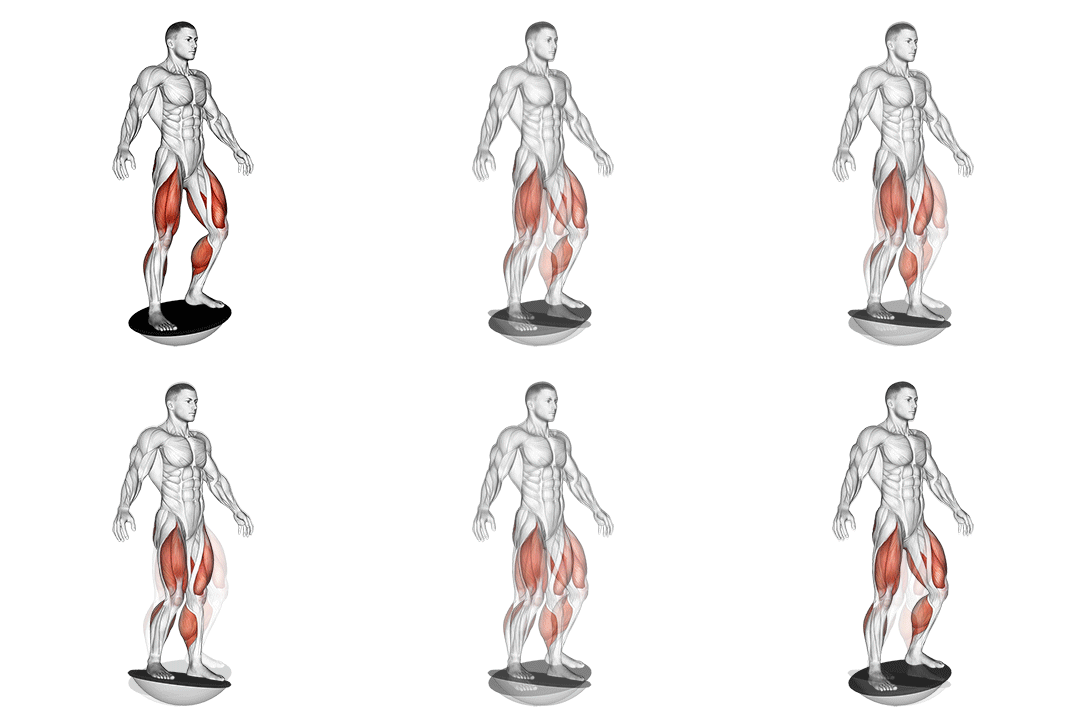
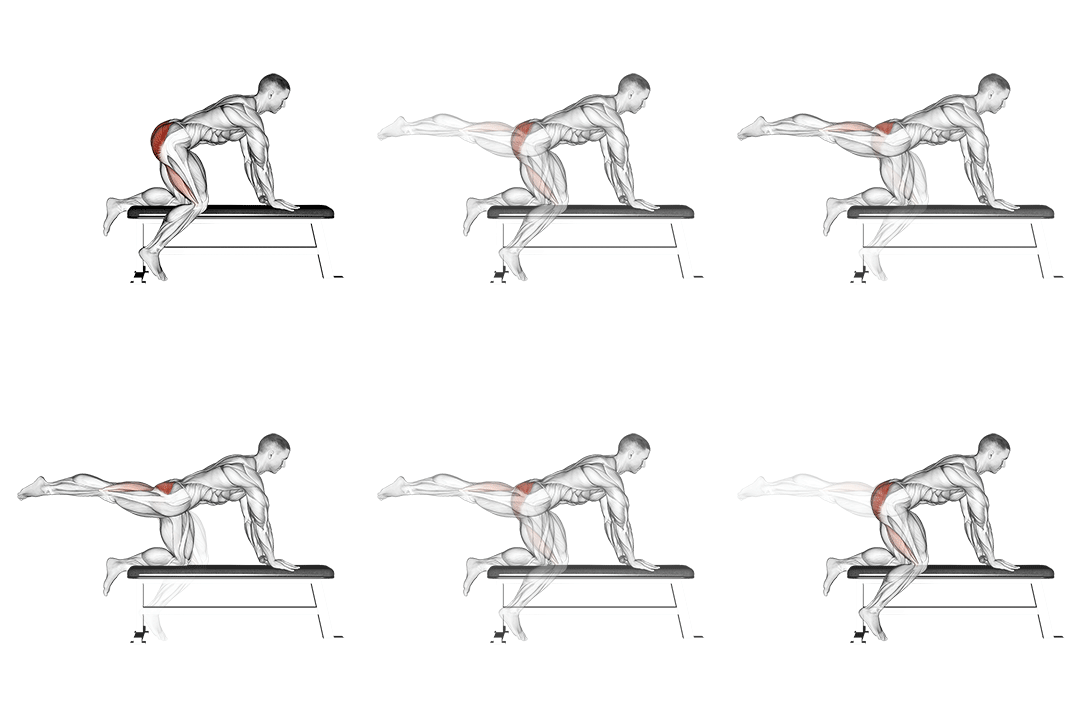
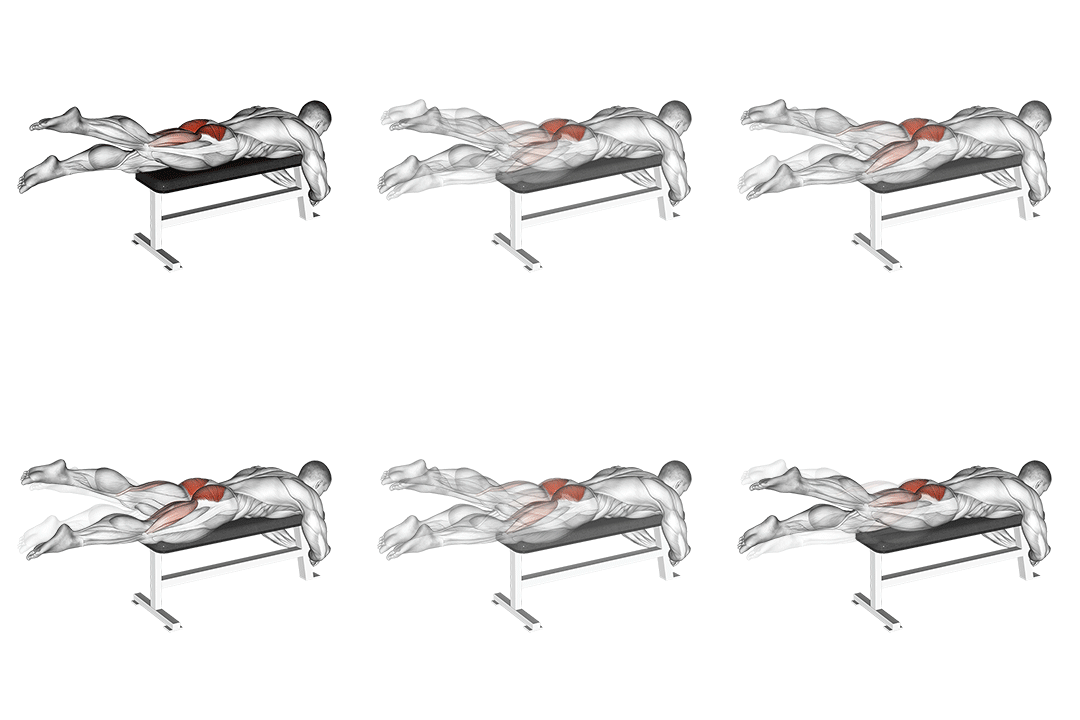
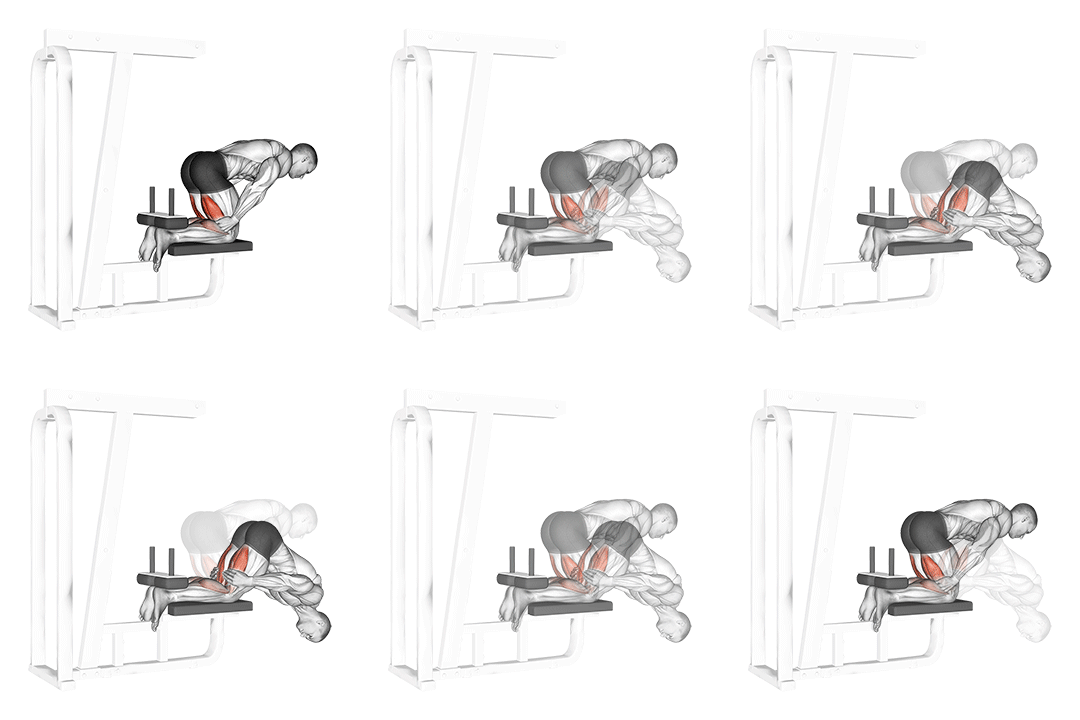
Inverse Leg Curl (on Pull-up Cable Machine)
advanced strength exercise · body weight · targets hamstrings
- Body part
- upper legs
- Primary target
- hamstrings
- Equipment
- body weight
- Difficulty
- advanced
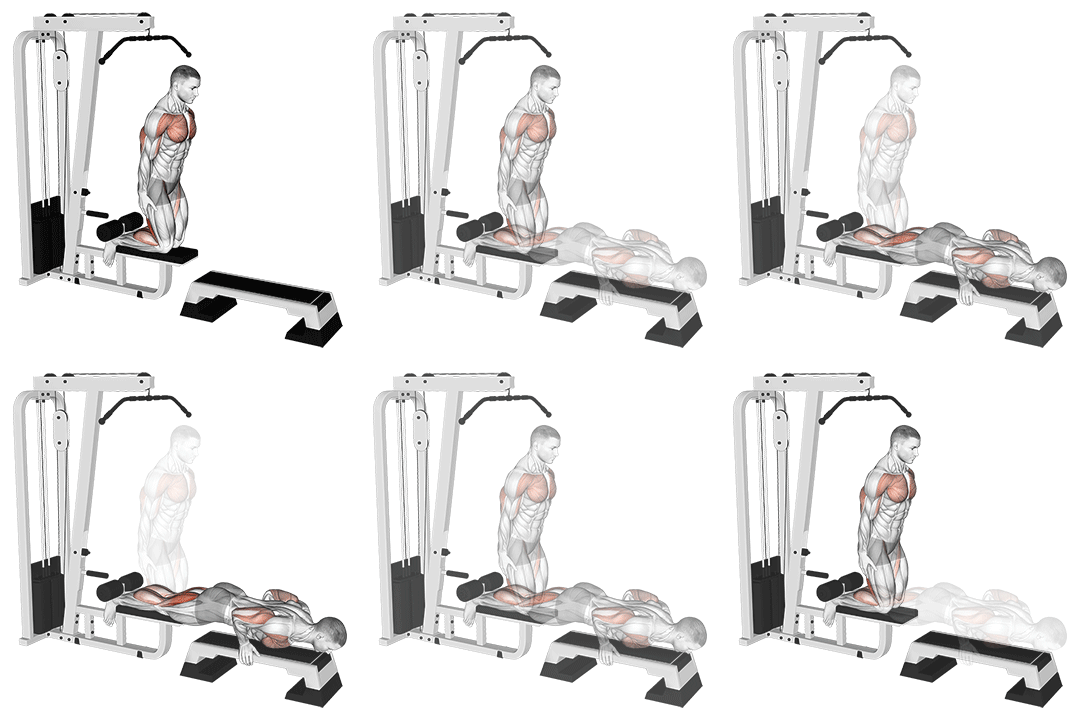
The inverse leg curl on pull-up cable machine is a hamstring exercise where you lie face-down with the legs hooked under a fixed bar or cable attachment, then curl the legs up by contracting the hamstrings. The inverted position changes the gravity loading compared to standard machine leg curls, putting the hamstrings in a different position throughout the curl pattern. This is a specialized exercise that uses unconventional equipment setups. Most gyms have prone leg curl machines designed for this pattern; the cable-machine variation creates a similar stimulus when those machines aren't available. The result is direct hamstring loading that bodyweight exercises rarely provide as effectively. It's particularly useful for athletes who need hamstring strength for sprinting, jumping, or kicking. The hamstrings are responsible for hip extension and knee flexion in dynamic athletic movements; isolated hamstring training (like this exercise) supports the strength expression that compound movements alone don't always develop fully.
Why train the Inverse Leg Curl (on Pull-up Cable Machine)?
- Isolates the hamstrings directly with controlled loading.
- Carries over to sprinting, jumping, and athletic kicking movements.
- Reduces lower-back demand compared to deadlift-style hamstring work.
- Allows progressive loading via cable weight selection.
- Useful for trainees who need targeted hamstring development.
- Works as accessory after compound posterior chain exercises.
How to do the Inverse Leg Curl (on Pull-up Cable Machine): step by step
- 1Adjust the cable machine so that the ankle straps are at the lowest setting.
- 2Lie face down on the bench with your legs extended and the ankle straps attached to your feet.
- 3Hold onto the handles of the bench for stability.
- 4Bend your knees and curl your legs towards your glutes, squeezing your hamstrings.
- 5Pause for a moment at the top of the movement, then slowly lower your legs back to the starting position.
- 6Repeat for the desired number of repetitions.
Muscles worked
Primary
hamstrings
Secondary
glutes, calves
Common mistakes to avoid
Using too much weight too soon
The hamstrings are smaller than the glutes or quads and fatigue faster. Start with light weight and build slowly — adding too much load too fast leads to hamstring strains.
Bouncing through reps
Using momentum to bring the legs up uses the lower back and hip flexors instead of the hamstrings. Move slowly: 1-2 seconds up, brief pause at the top, 2-3 seconds down.
Letting the hips lift off the surface
If the hips rise during the curl, the lower back is doing some of the work. Keep the hips pressed firmly into the surface throughout the rep.
Hyperextending the lower back at the bottom
When the legs lower fully, the lower back wants to arch. Engage the abs to keep the spine neutral throughout.
Choosing this before establishing baseline strength
Without basic posterior chain strength (deadlifts, glute bridges), isolated hamstring work risks strain. Build the foundation first.
Easier and harder variations
Easier
Standard prone leg curl on a leg curl machine. Or seated leg curl. Or reduce the weight on the cable significantly.
Harder
Slow the tempo (3-5 seconds per phase). Add a brief hold at the top of each rep. Or progress to single-leg variations (one leg at a time).
Alternative exercises
Prone leg curl (machine)
Standard machine version. Similar movement with cleaner setup. Use this if available.
Glute bridge with hamstring focus
Bodyweight alternative. Hamstring activation through hip extension.
Romanian deadlift
Compound posterior chain exercise that loads hamstrings through hip hinge. Better for general hamstring development.
How to program the Inverse Leg Curl (on Pull-up Cable Machine) into your training
Inverse leg curls work as accessory hamstring work after compound exercises. Pair with deadlifts, squats, or glute bridges for complete posterior chain development. Sets and reps: 3 sets of 10-15 reps with 60-90 seconds rest. Total weekly volume of 50-80 reps drives most adaptations. In a posterior chain session: 4 sets of 6-8 deadlifts (main strength), 3 sets of 12 glute bridges (glute focus), 3 sets of 10 inverse leg curls (hamstring isolation), 3 sets of 30-second front planks (core). For athletes who specifically train hamstring strength for sport performance: 2 sessions per week with isolated hamstring work like this. Do not pair with heavy deadlifts in the same session — the hamstrings need recovery between heavy posterior chain work.
Recovery and frequency
Inverse leg curls in moderate volume have moderate recovery cost. Hamstring soreness in the first 1-2 weeks is normal. 48 hours between dedicated sessions is plenty. Hamstring tightness is common; daily stretches between sessions help.
Frequently asked questions
How many sets and reps of inverse leg curls should I do?
3 sets of 10-15 reps with 60-90 seconds rest.
How often should I train this exercise?
2 times per week with 48 hours between sessions.
Inverse leg curl vs standard leg curl: what's the difference?
Functionally similar — both isolate the hamstrings through knee flexion. The inverse cable version uses different equipment. Use whichever is available at your training location.
Will inverse leg curls prevent hamstring strains?
Direct hamstring training reduces injury risk in athletes whose sport involves sprinting and explosive movements. It's not a complete prevention strategy but supports tendon and muscle resilience.
Can I do this exercise without a cable machine?
Without a cable machine, use a standard prone leg curl machine, or substitute with bodyweight exercises like glute bridge with sliders or Nordic ham curls.
Are isolated hamstring exercises necessary?
For general fitness, no — squats and deadlifts cover most hamstring training needs. For athletes seeking maximum hamstring strength or rehabilitating past injuries, yes — direct hamstring work adds value.
Useful tools for this exercise
Build a workout with the Inverse Leg Curl (on Pull-up Cable Machine)
Puna gives you guided bodyweight workouts you can do anywhere — no equipment, no gym, just structured progressions that build real strength.