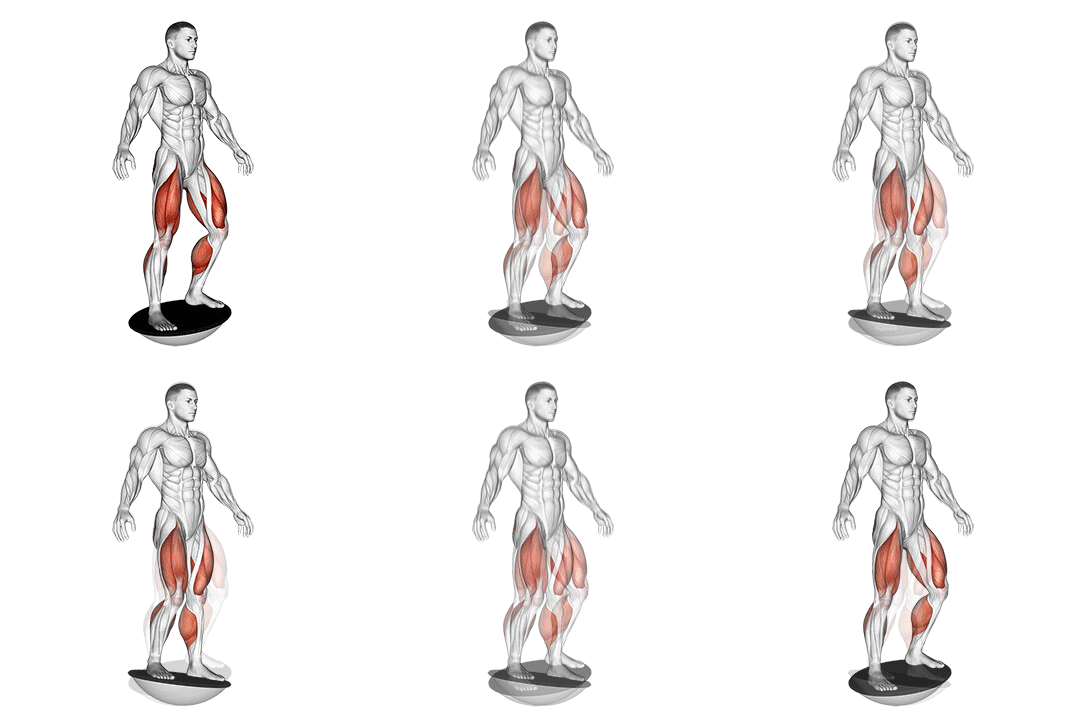
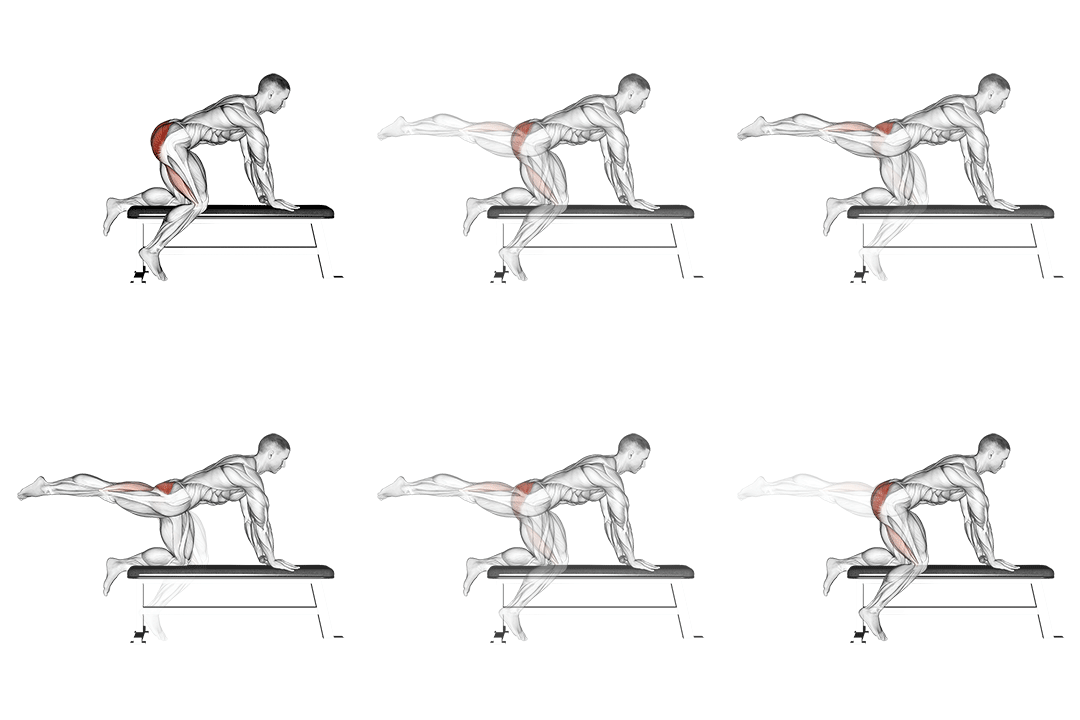
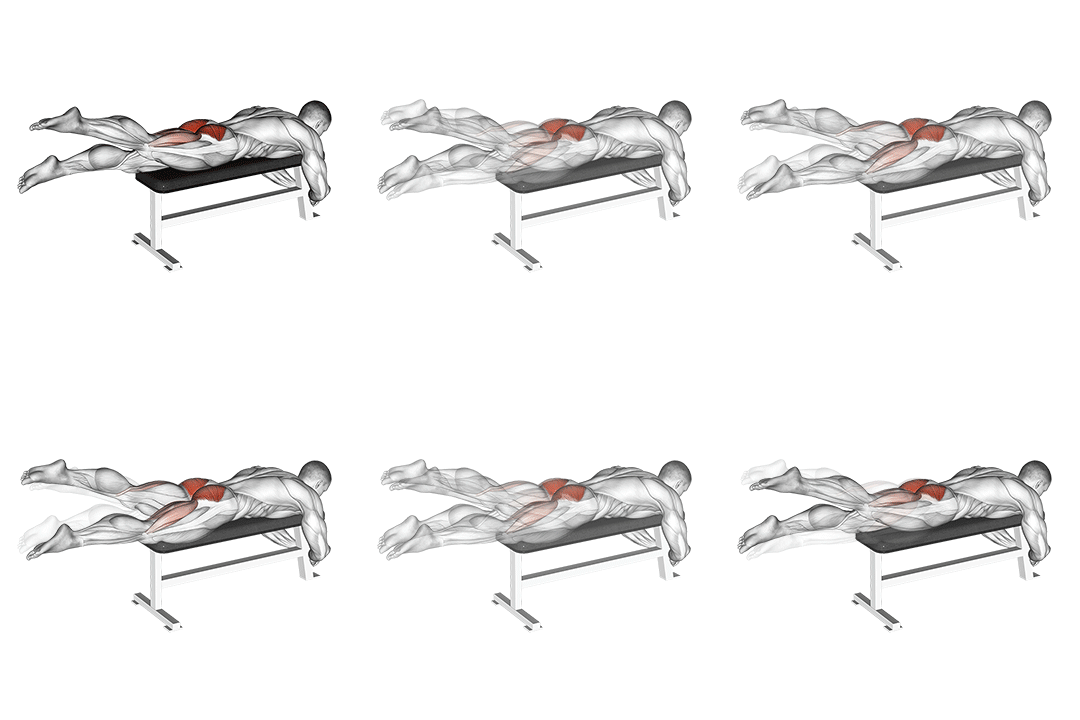
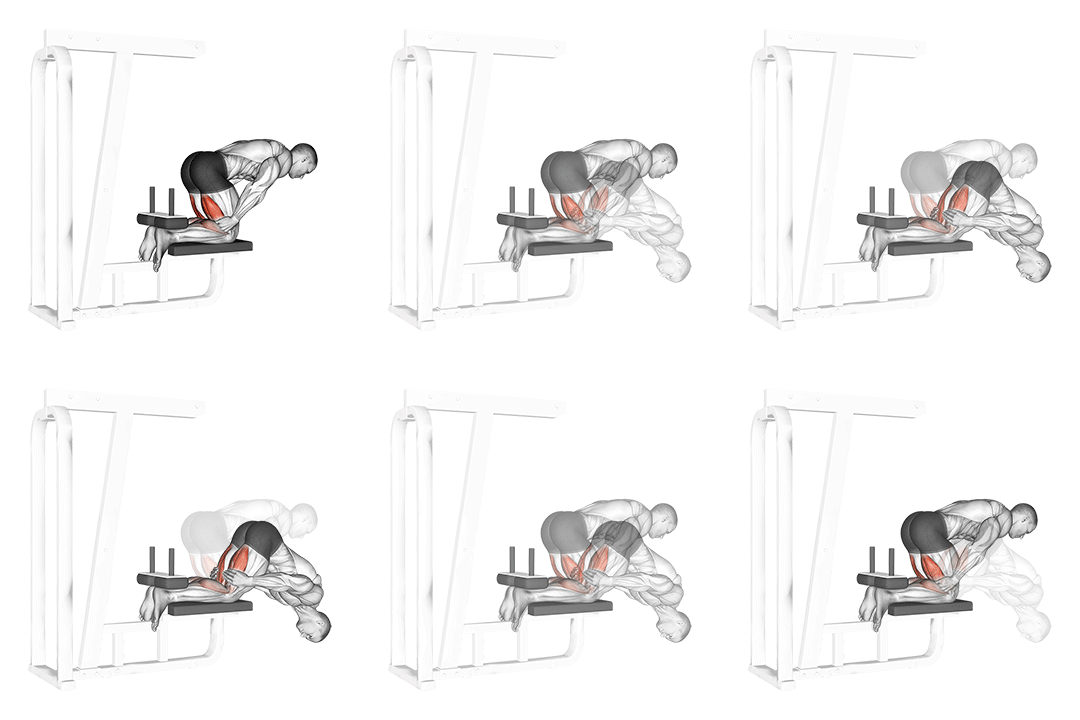
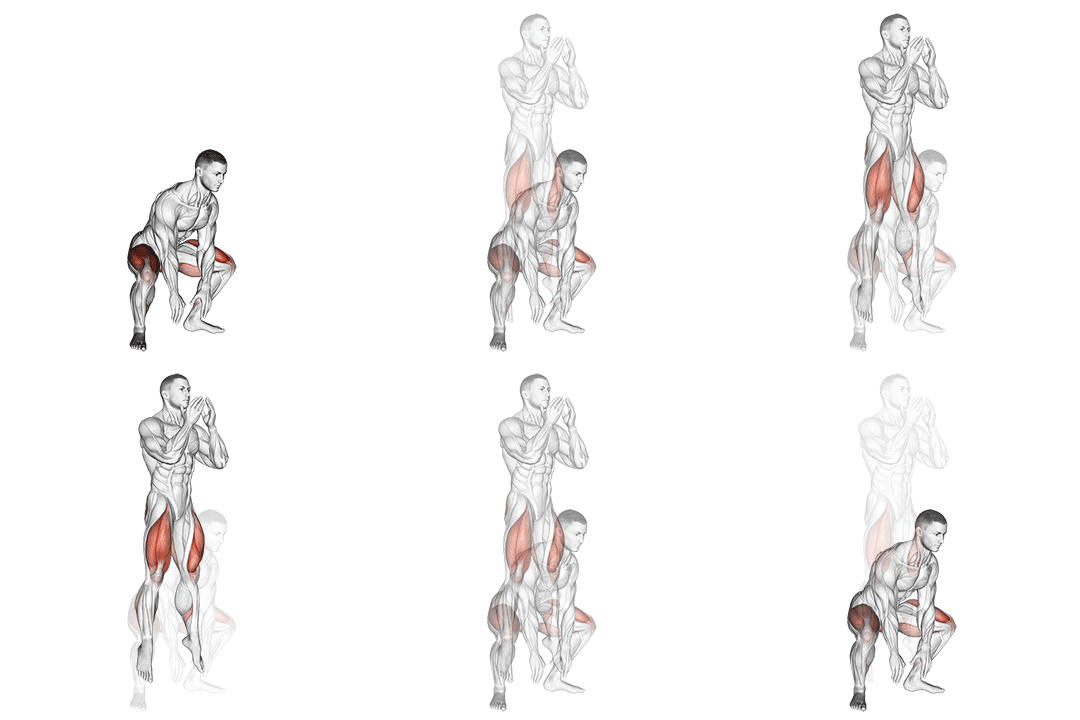
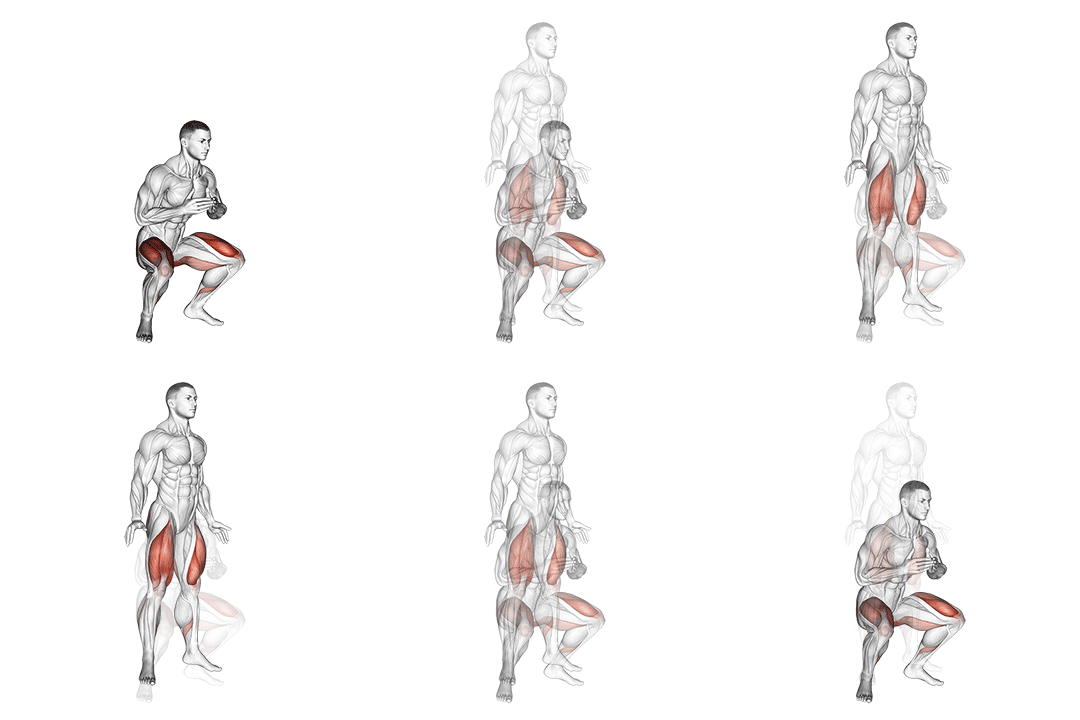
Hug Knees To Chest
beginner mobility exercise · body weight · targets glutes
- Body part
- upper legs
- Primary target
- glutes
- Equipment
- body weight
- Difficulty
- beginner
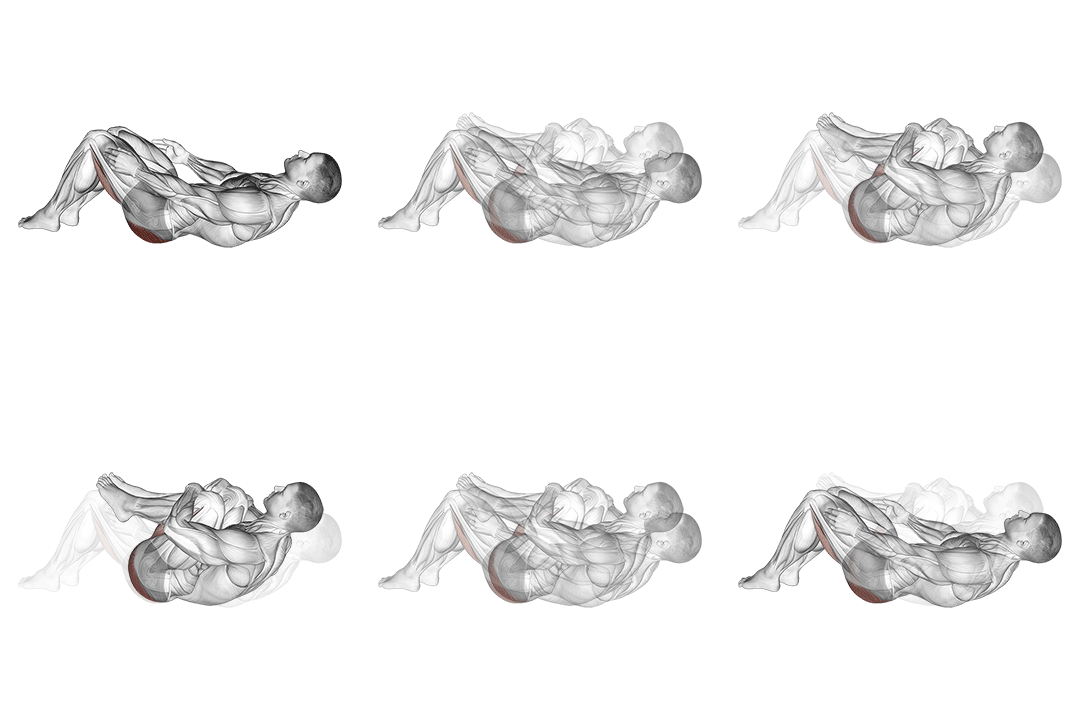
Hug knees to chest is a foundational mobility drill performed lying on the back, then pulling both knees up toward the chest and holding the position briefly. The motion stretches the lower back, glutes, and hip flexors simultaneously while providing accessible spinal mobility work. It's one of the most universally accessible mobility exercises in any training program — gentle enough for older adults, useful as warm-up activation, and effective as a daily back-care drill. Most adults accumulate chronic lower-back tightness from sedentary patterns. Hours of sitting compress the spinal discs and shorten the hip flexors; without dedicated mobility work, the cumulative effect produces the chronic tightness so common in modern adults. The hug knees position addresses several connected tightness patterns at once — gentle spinal flexion releases the lower back, the knee-to-chest position stretches the glutes, and the position itself opposes the hip-flexor-shortening of sedentary life. Where this earns its place is as a daily mobility habit rather than as a workout component. The 60-second time investment pays off in cumulative back comfort and movement quality over months and years. Combined with hip flexor stretches and gentle thoracic mobility work, daily hug knees forms part of a complete spinal mobility maintenance routine. For trainees with chronic lower-back tightness, this is one of the highest-leverage mobility drills available.
Why train the Hug Knees To Chest?
- Releases lower-back tightness through gentle spinal flexion.
- Stretches the glutes and surrounding hip tissue.
- Counters the hip flexor shortening from sedentary patterns.
- Accessible to all fitness levels including older adults.
- Pairs naturally with hip flexor stretches for compound mobility work.
- Useful as morning routine, post-workout cooldown, or pre-bed wind-down.
How to do the Hug Knees To Chest: step by step
- 1Start by standing with your feet shoulder-width apart.
- 2Bend your knees and lower your body down into a squat position.
- 3As you squat down, bring your knees up towards your chest and hug them with your arms.
- 4Hold this position for a moment, then slowly return to the starting position.
- 5Repeat for the desired number of repetitions.
Muscles worked
Primary
glutes
Secondary
hamstrings, quadriceps
Common mistakes to avoid
Pulling too aggressively
Force can stress the lower back. Apply gentle persistent pressure.
Lifting the head off the ground
Keep the head and shoulders relaxed on the floor. Lifting them strains the neck unnecessarily.
Holding too short
20-30 second holds produce meaningful tissue release.
Bouncing through the position
Static stretching means staying still. Bouncing reduces benefit.
Skipping when 'feeling fine'
Lower-back tightness develops gradually. Daily practice prevents accumulation.
Easier and harder variations
Easier
Pull one knee at a time rather than both. Or grasp behind the knee rather than the shin to reduce demand on knees and shoulders.
Harder
Add a slight rocking motion forward and back while holding the knees. Or progress to deeper variations like the seated forward fold or child's pose.
Alternative exercises
Single knee to chest
One leg at a time for those who can't manage both. Useful for older adults.
Child's pose
Yoga-based deeper version. More thorough lower-back stretch.
Cat-cow
Dynamic spinal mobility. Pair with hug knees for compound spinal work.
How to program the Hug Knees To Chest into your training
Daily routine: 1-2 sets of 20-30 seconds, once or twice per day. Morning routine: Excellent first-thing-in-morning practice to counter overnight stiffness. Pre-bed routine: Final stretch before sleep to release accumulated daily tension. Post-workout cooldown: After lower-body or core sessions. For those with chronic back tightness: 3-4 sessions per day combined with hip flexor mobility.
Recovery and frequency
Zero recovery cost. Daily practice is safe.
Frequently asked questions
How long should I hold?
20-30 seconds per hold, 1-2 sets per session.
How often?
Daily, ideally multiple times per day.
Will this help my back pain?
Often yes for chronic mild tightness. For acute injury, consult a physiotherapist before introducing new stretches.
Can I do this with disc issues?
Often yes, with reduced range. The flexion pattern is generally safer than extension for many disc issues, but consult a physiotherapist.
Is this enough mobility work?
Foundational. Pair with hip flexor stretches and thoracic mobility for comprehensive programming.
Should I do this before or after workouts?
Both work. Before: brief activation. After: longer holds for tissue change.
Useful tools for this exercise
Build a workout with the Hug Knees To Chest
Puna gives you guided bodyweight workouts you can do anywhere — no equipment, no gym, just structured progressions that build real strength.