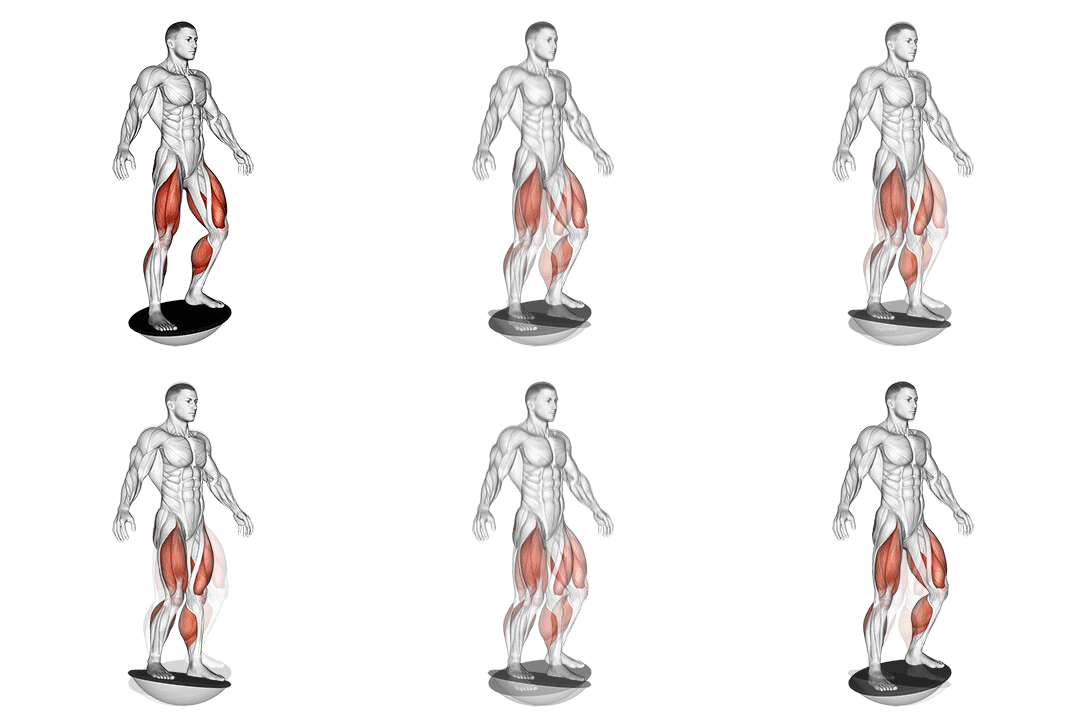
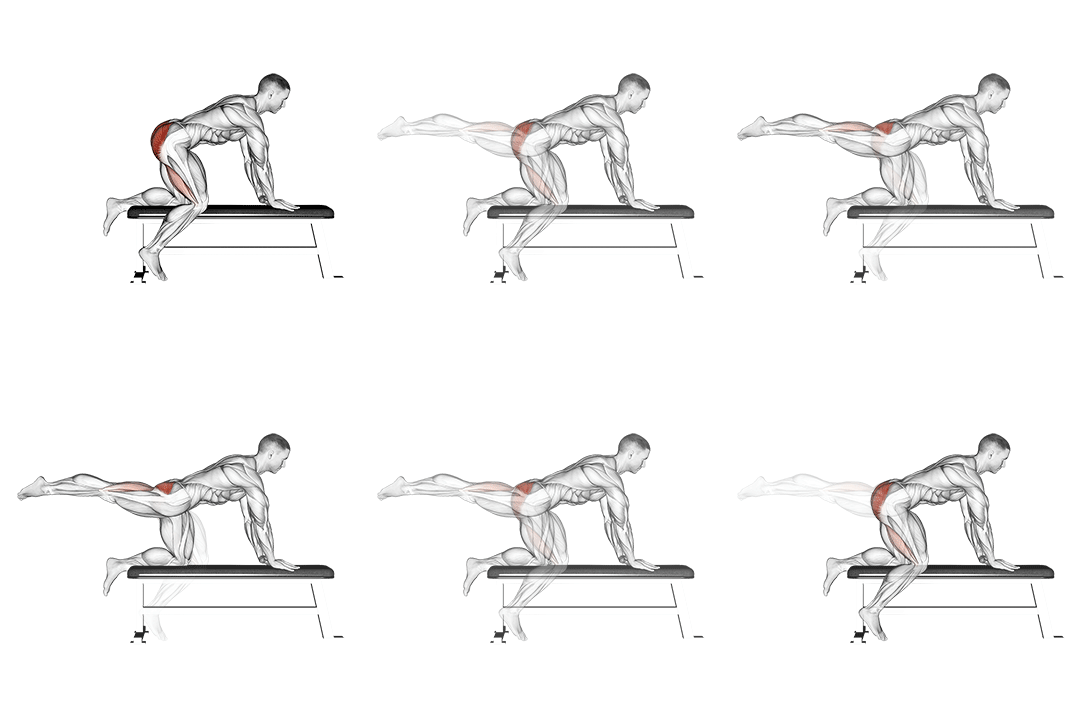
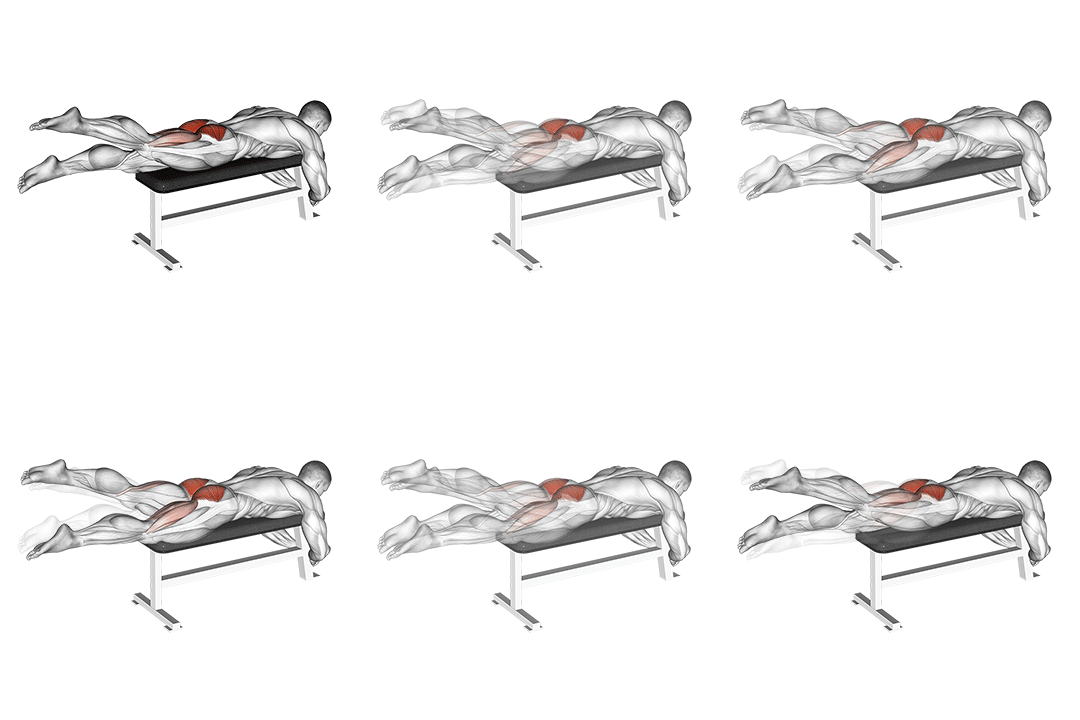
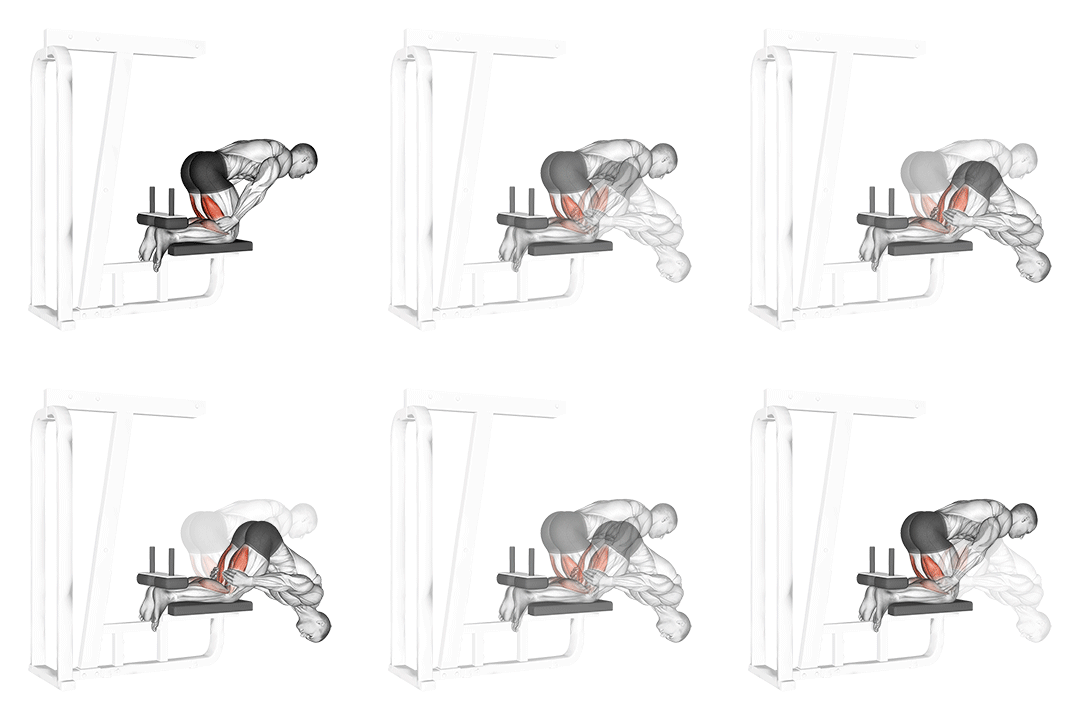
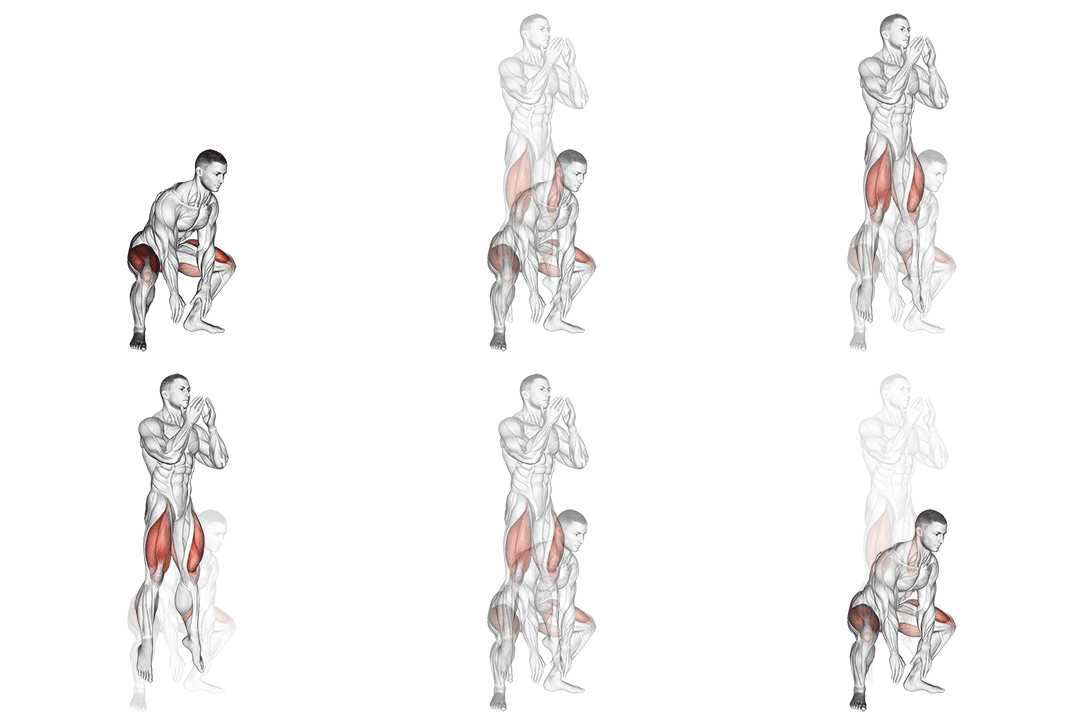
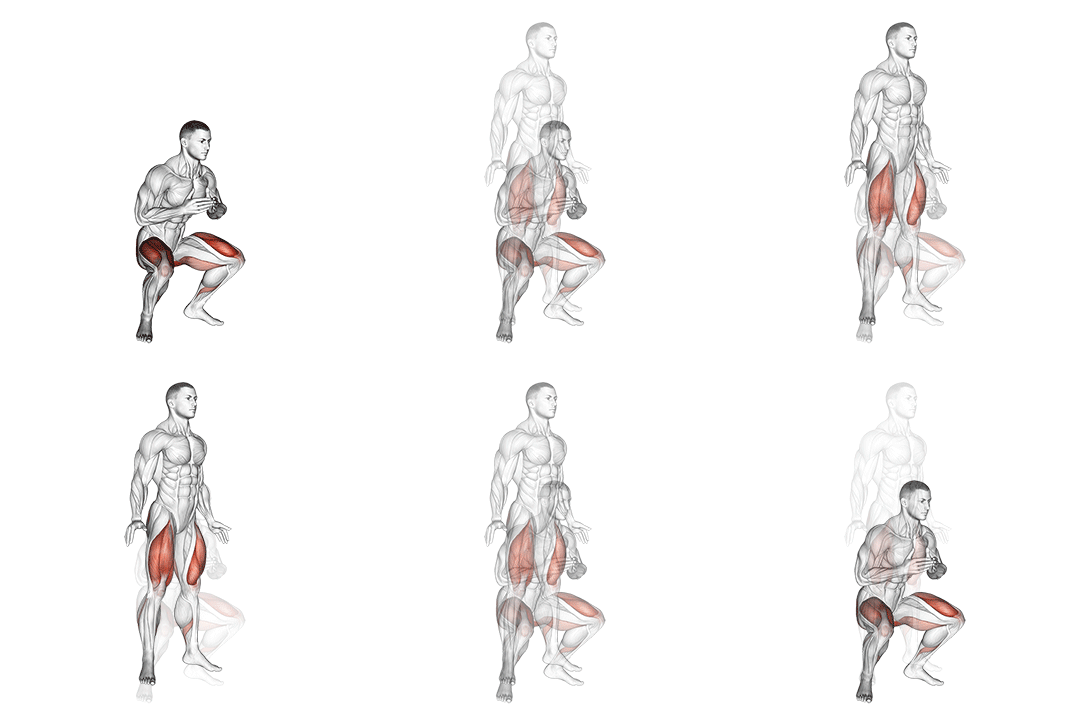
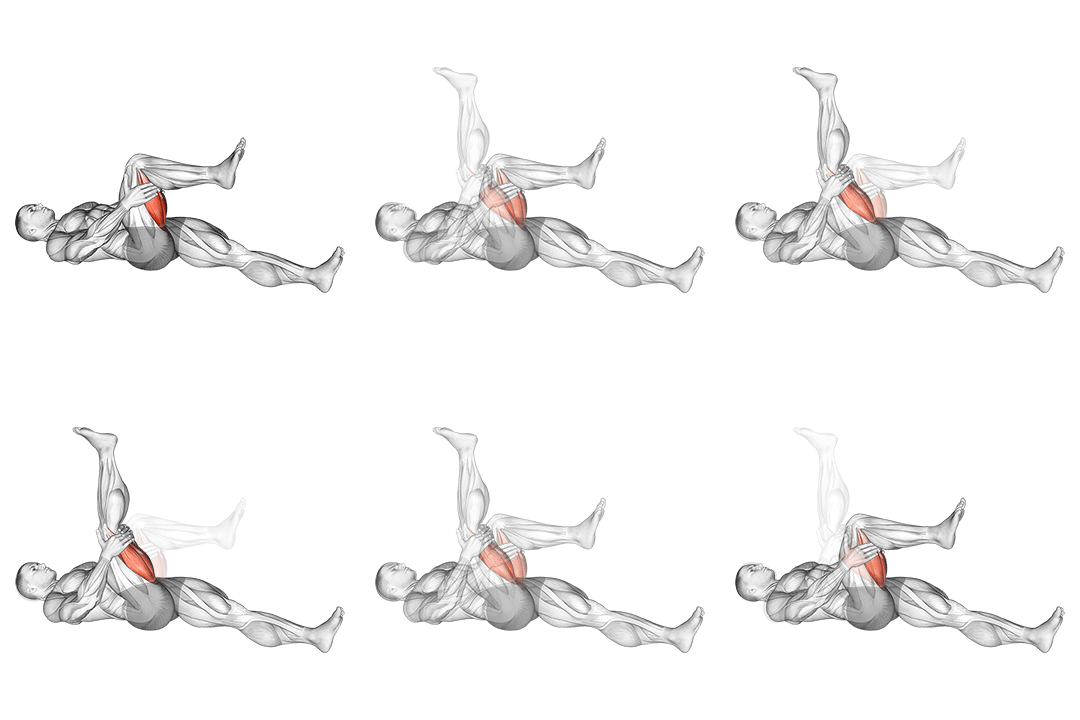
Hamstring Stretch
beginner stretching exercise · body weight · targets hamstrings
- Body part
- upper legs
- Primary target
- hamstrings
- Equipment
- body weight
- Difficulty
- beginner
The hamstring stretch is a foundational mobility drill performed by extending one leg straight and gently leaning forward to lengthen the hamstring tissue along the back of the thigh. There are many variations (standing, seated, lying), but the basic hamstring stretch addresses one of the most universally tight tissues in modern adults — the hamstrings, chronically shortened by hours of daily sitting. Most adults have meaningful hamstring tightness without realizing it. Sitting keeps the hamstrings in a partially shortened position; without dedicated stretching, they adapt to that resting length over years. Tight hamstrings show up as restricted forward folds, low-back compensation patterns during squats and deadlifts, and the kind of chronic tightness most people accept as inevitable. Daily hamstring stretching directly addresses this. Where this earns its place is as essential daily mobility work for trainees and sedentary adults alike. Combined with hip flexor stretches and lower-back mobility, daily hamstring stretching over 4-6 weeks usually produces noticeable improvement in flexibility, posture, and lower-body comfort. The 60-90 second time investment pays meaningful dividends across years of consistent practice.
Why train the Hamstring Stretch?
- Lengthens chronically tight hamstrings from sedentary patterns.
- Improves forward fold range, often dramatically restricted in adults.
- Reduces lower-back compensation patterns during squats and deadlifts.
- Helps prevent hamstring strains in athletic contexts.
- Supports better squat depth by addressing posterior chain restrictions.
- Pairs naturally with hip flexor stretches for comprehensive lower-body mobility.
How to do the Hamstring Stretch: step by step
- 1Stand with your feet shoulder-width apart.
- 2Step forward with your right foot and shift your weight onto your right leg.
- 3Keeping your back straight, slowly bend forward at the hips, reaching towards your right foot with both hands.
- 4Hold the stretch for 20-30 seconds, then return to the starting position.
- 5Repeat on the other side.
Muscles worked
Primary
hamstrings
Secondary
glutes
Common mistakes to avoid
Bouncing through the stretch
Static stretching means staying still. Bouncing triggers the protective reflex and shortens tissue.
Rounding the back excessively
Hinge from the hips with the spine relatively neutral. Rounding shifts the stretch into the lower back.
Holding too short
30-45 seconds per leg minimum for meaningful tissue change.
Forcing the stretch
Aggressive force can produce hamstring strains. Apply gentle persistent pressure.
Skipping daily practice
Hamstring tightness rebuilds with sitting. Daily practice prevents accumulation.
Easier and harder variations
Easier
Slight knee bend reduces hamstring tension. Or use a strap or towel looped around the foot to assist.
Harder
Slow tempo with longer holds (60-90 seconds). Or progress to deeper variations like the lying leg-up hamstring stretch with strap.
Alternative exercises
Lying hamstring stretch
Supine version with different leverage. Use in evening routines.
Standing forward fold
Yoga variation with different position.
Runner's stretch
Lunge-position version. Useful as warm-up before running.
How to program the Hamstring Stretch into your training
Daily routine: 1-2 sets of 30-45 seconds per leg, once or twice per day. Post-workout cooldown: After lower-body sessions for tissue length adaptation. For athletes: pre-run brief stretches; post-run longer holds. For those with chronic hamstring tightness: 3-4 sessions per day combined with hip flexor work.
Recovery and frequency
Zero recovery cost. Daily practice is safe.
Frequently asked questions
How long should I hold?
30-45 seconds per leg, 1-2 sets per side.
How often?
Daily for trainees and sedentary adults.
Why can't I touch my toes?
Tight hamstrings. Daily practice over 4-6 weeks usually produces noticeable improvement.
Will this help my squat?
Often yes — tight hamstrings limit squat depth and produce lower-back compensation.
Should I bend my knee?
Slight knee bend is fine, especially if hamstrings are very tight. Reduces strain while still training the range.
Can I do this with sciatica?
Sometimes — gentle hamstring stretching can help. Consult a physiotherapist; some sciatica variants worsen with hamstring stretching.
Useful tools for this exercise
Build a workout with the Hamstring Stretch
Puna gives you guided bodyweight workouts you can do anywhere — no equipment, no gym, just structured progressions that build real strength.