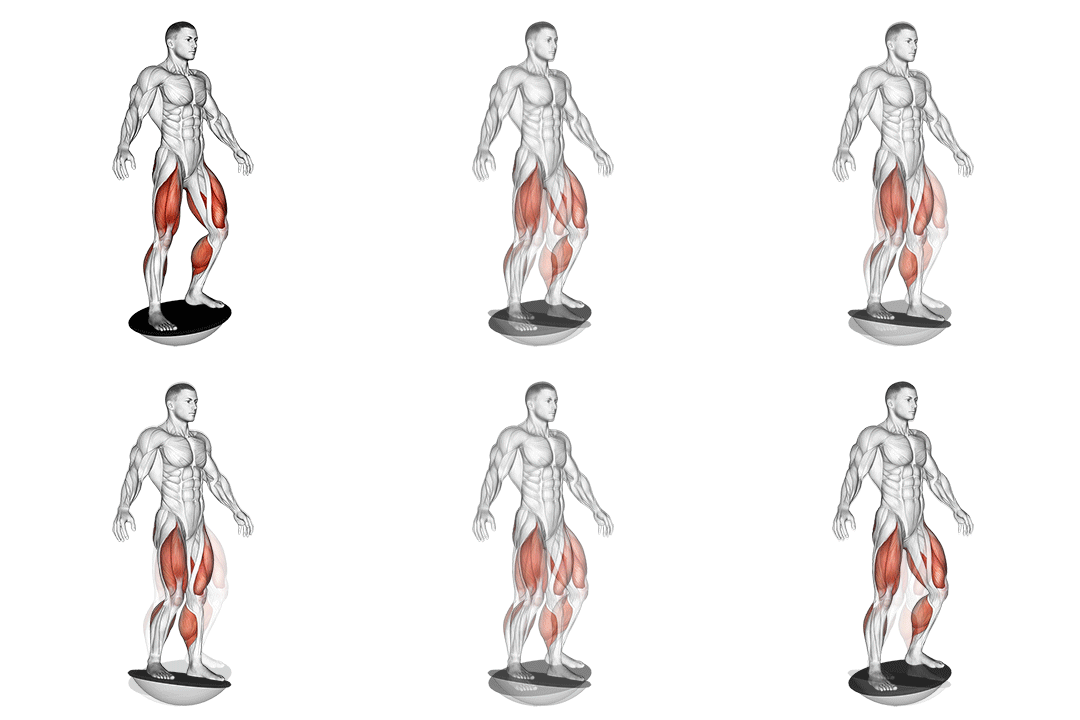
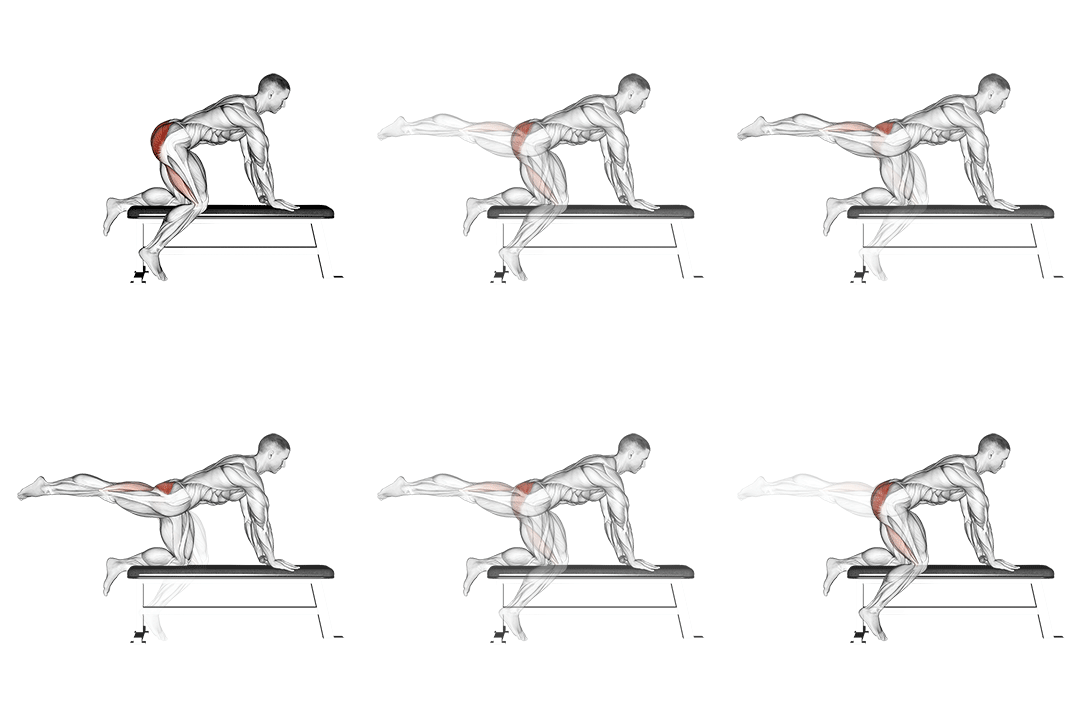
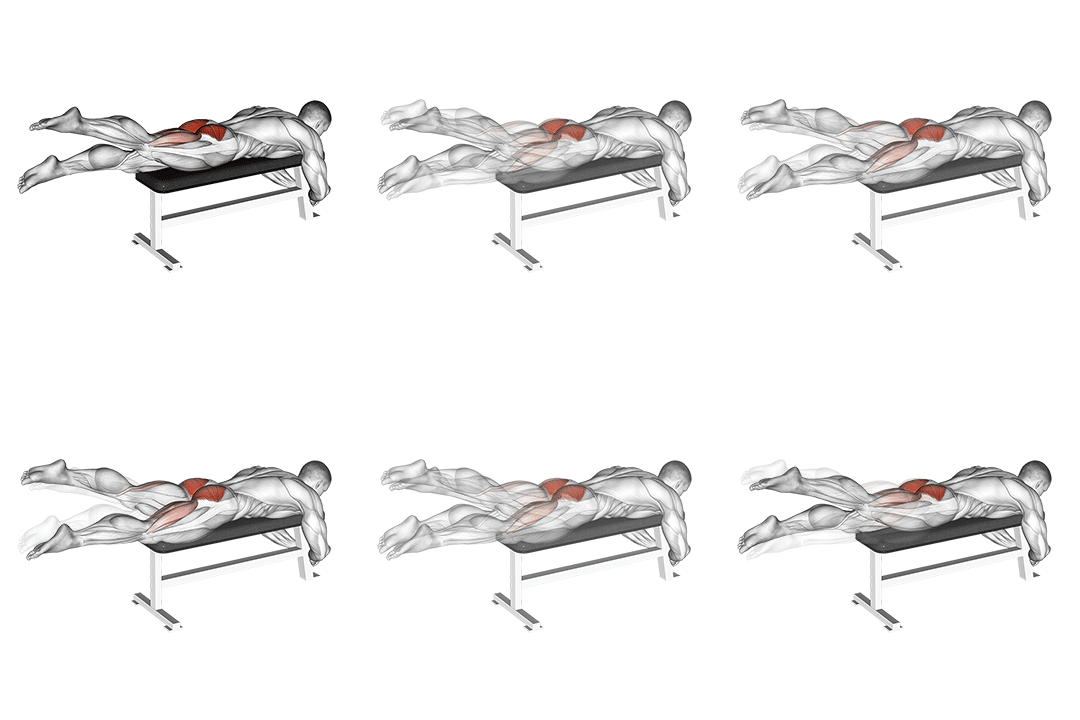
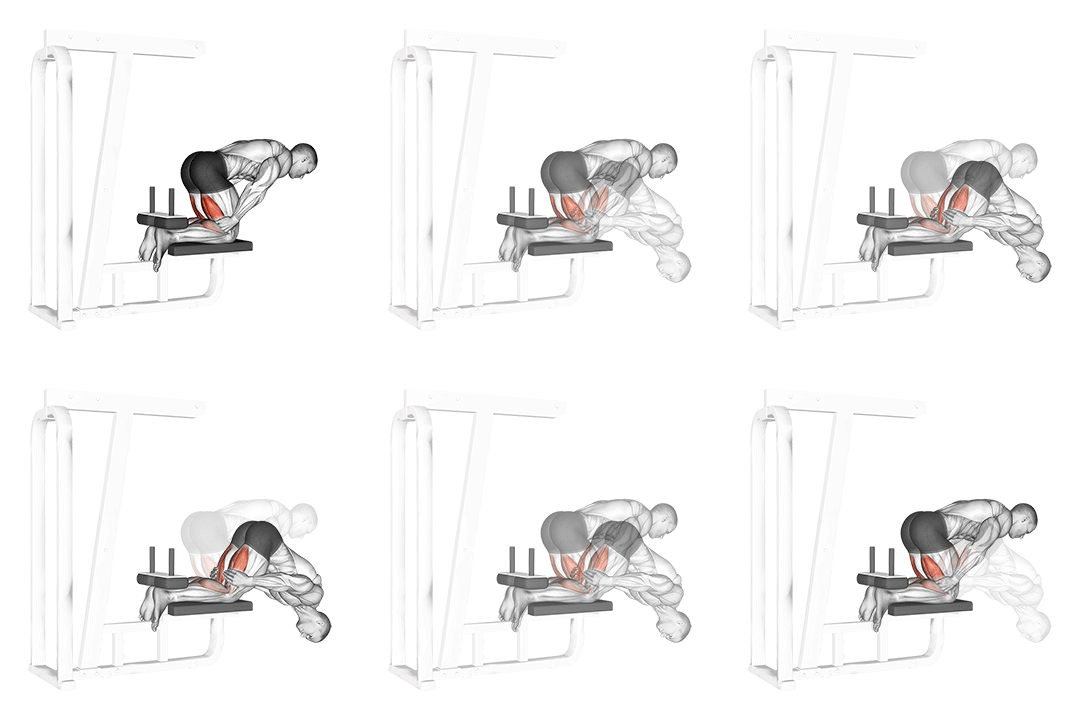
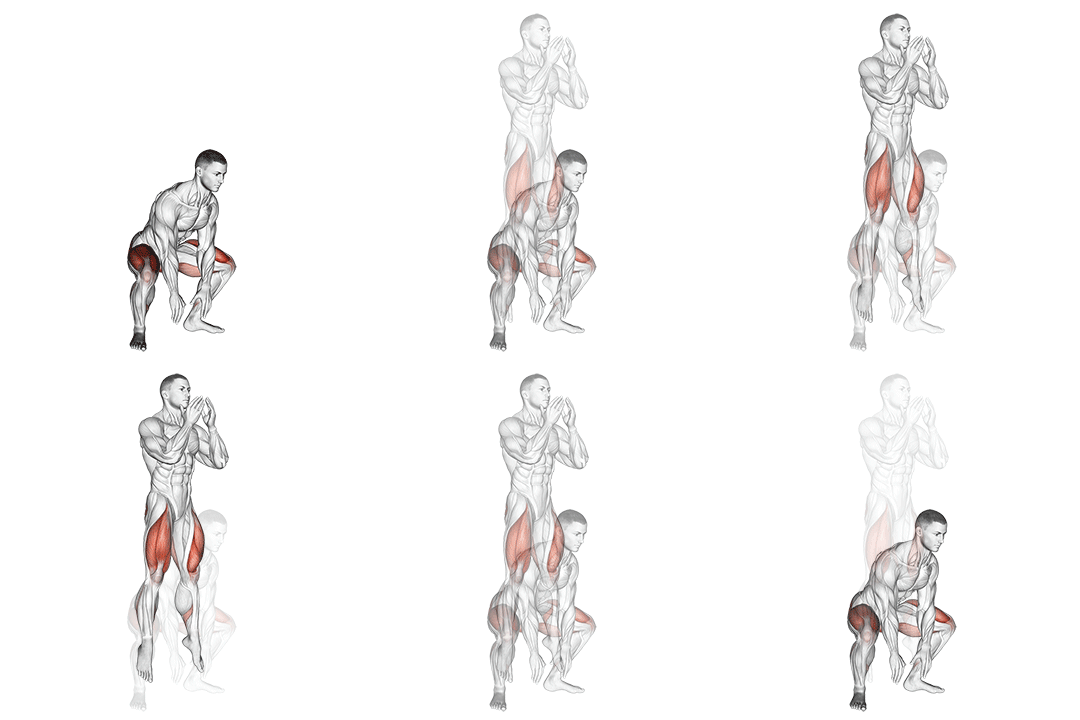
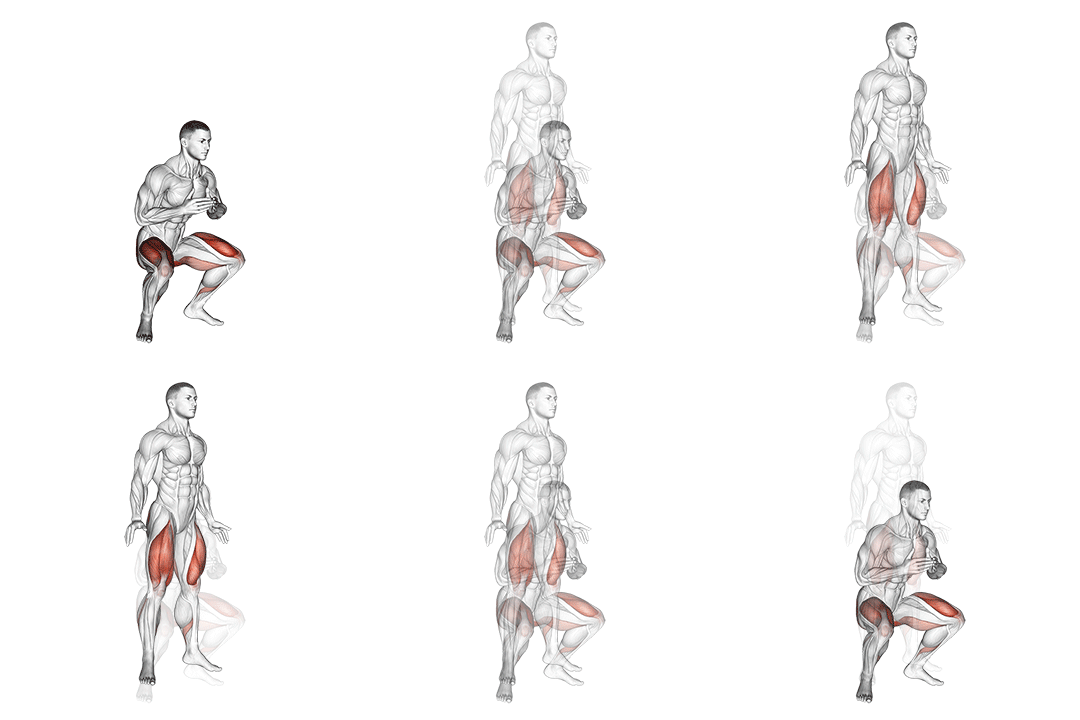
Forward Jump
intermediate plyometrics exercise · body weight · targets quads
- Body part
- upper legs
- Primary target
- quads
- Equipment
- body weight
- Difficulty
- intermediate
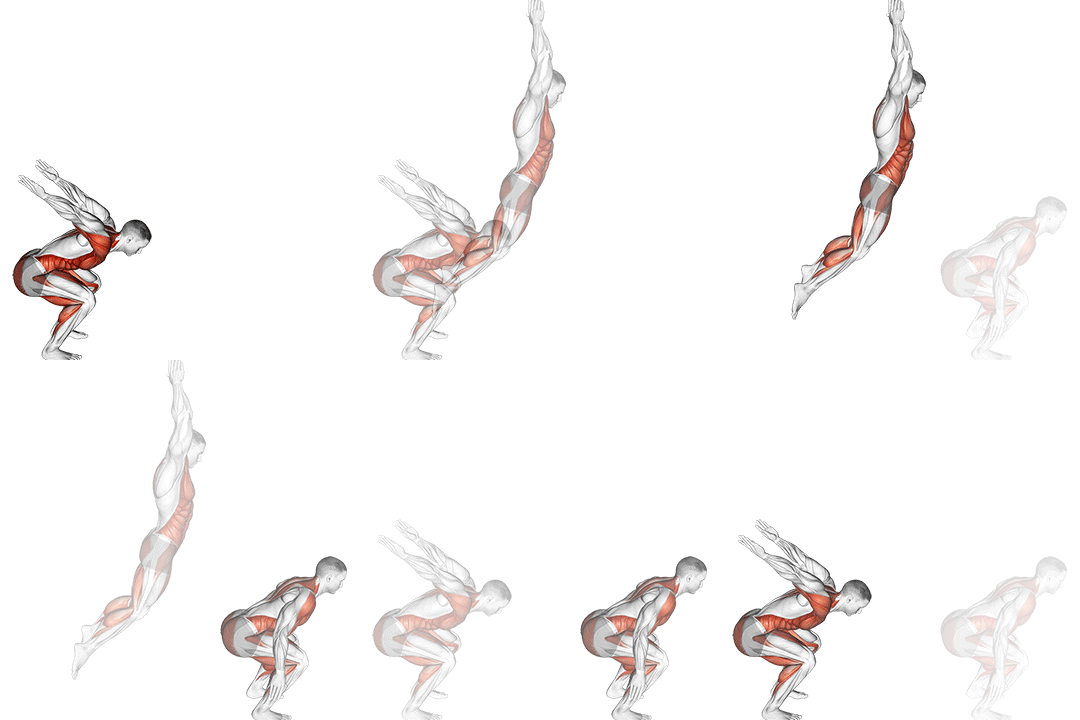
The forward jump is a foundational plyometric exercise where you stand with feet shoulder-width apart, then jump explosively forward as far as possible while keeping the body controlled and landing softly. The exercise builds explosive lower-body power through the stretch-shortening cycle of the quadriceps, glutes, and calves, producing horizontal force production relevant to sprinting, jumping sports, and athletic movement. This is one of the most accessible plyometric exercises in any program. No equipment required, no setup, scalable through jump distance. For athletes building horizontal power, runners working on sprint speed, or general fitness trainees adding explosive work, forward jumps earn a place. The trade-off is the joint demand — like all plyometric exercises, knees and ankles absorb significant impact and require recovery time. Where forward jumps shine is as part of athletic conditioning programs or as warm-up activation before strength training. The plyometric stimulus primes the nervous system for explosive work and produces direct carryover to sprinting and jumping athletics. Programmed thoughtfully (1-2 times per week, low volume) with adequate recovery, forward jumps build power without joint accumulation issues.
Why train the Forward Jump?
- Builds horizontal explosive power relevant to sprinting and athletic performance.
- Trains the stretch-shortening cycle of quads, glutes, and calves.
- Develops the proprioceptive control needed for soft landings.
- Provides plyometric stimulus that primes the nervous system for strength work.
- Carries over to jumping, sprinting, and cutting sports.
- Requires no equipment beyond floor space.
How to do the Forward Jump: step by step
- 1Stand with your feet shoulder-width apart.
- 2Bend your knees and lower your body into a squat position.
- 3Swing your arms back for momentum.
- 4Jump forward explosively, extending your hips, knees, and ankles.
- 5Land softly on the balls of your feet and immediately go into the next jump.
- 6Repeat for the desired number of repetitions.
Muscles worked
Primary
quads
Secondary
calves, hamstrings, glutes
Common mistakes to avoid
Crashing into landings
Each landing should be soft, with knees bending immediately to absorb impact. Hard landings spike the joints.
Letting knees cave inward on landing
Drive knees out in line with toes throughout each landing.
Doing too many reps
Sets of 3-5 reps are appropriate. Long sets with degraded form train poor patterns.
Insufficient warm-up
Cold plyometrics are a fast path to injury. Warm up thoroughly before sets.
Programming too frequently
1-2 times per week maximum. Plyometric demand needs recovery.
Easier and harder variations
Easier
Reduce jump distance to a moderate effort. Or perform standing long jumps without the landing-to-immediate-jump progression.
Harder
Progress to consecutive forward jumps (no rest between landings). Or to weighted forward jumps with a vest.
Alternative exercises
Vertical jump
Different plane of motion. Pair with forward jumps for complete jumping work.
Box jump
Adds height target. Different stimulus; useful complement.
Backward jump
Reverse direction. Works similar muscles with different demands.
How to program the Forward Jump into your training
Forward jumps work as athletic conditioning or warm-up activation. Sets and reps: 3-4 sets of 3-5 reps with 90-120 seconds rest. Frequency: 1-2 times per week. In an athletic session: 4 sets of 4 forward jumps as warm-up, followed by sprint work or strength training. For general fitness: optional accessory work for trainees who want explosive power. Don't program during deload weeks.
Recovery and frequency
Steep recovery cost. 72 hours between sessions typical. Watch for knee discomfort and persistent leg fatigue.
Frequently asked questions
How many sets and reps?
3-4 sets of 3-5 reps with 90-120 seconds rest.
How often?
1-2 times per week maximum.
Will this make me faster?
Yes for sprinting and jumping athletics. The horizontal power transfer is direct.
Is this safe for beginners?
Yes with progression — start with shorter jumps and build distance. Joint preparation matters.
Forward vs vertical jumps?
Different planes; both have value. Forward for horizontal power, vertical for ascending power.
Can I do this with knee issues?
Cautiously. Consult a physiotherapist for current issues. The repeated impact may aggravate problems.
Useful tools for this exercise
Build a workout with the Forward Jump
Puna gives you guided bodyweight workouts you can do anywhere — no equipment, no gym, just structured progressions that build real strength.