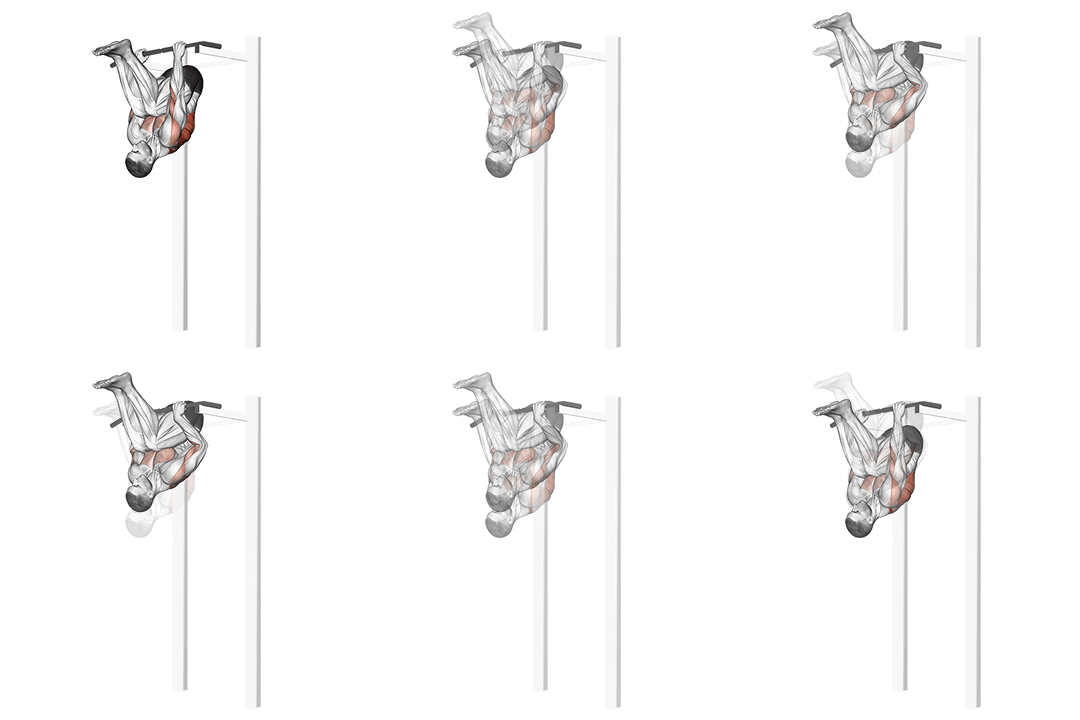
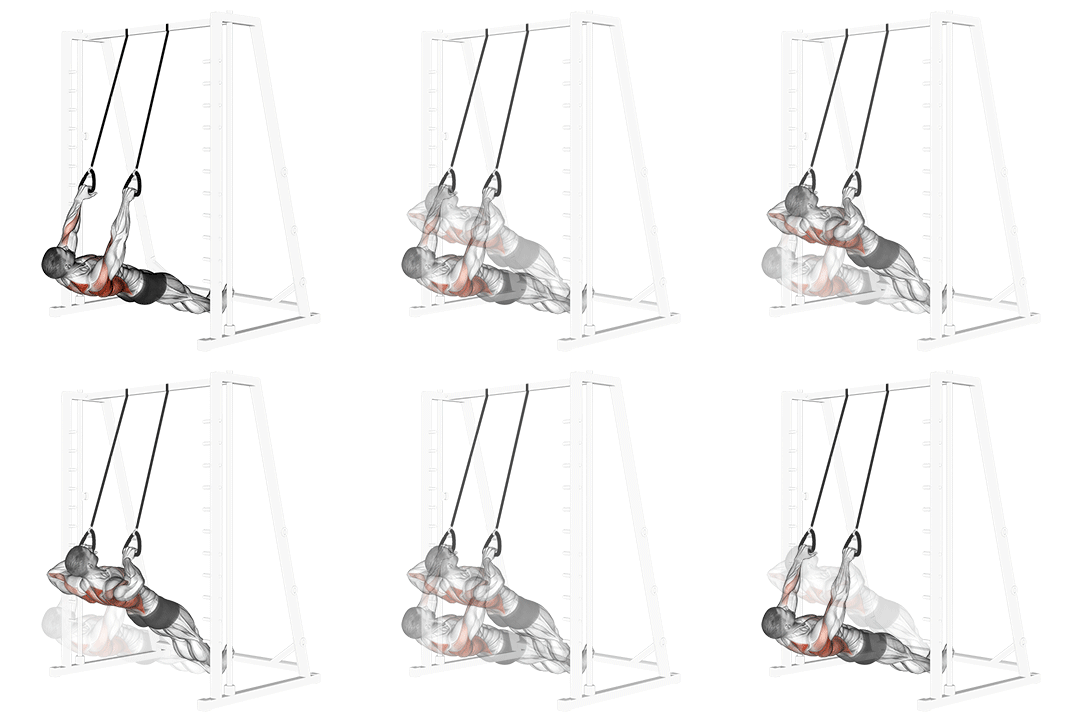
Back Lever
advanced strength exercise · body weight · targets upper back
- Body part
- back
- Primary target
- upper back
- Equipment
- body weight
- Difficulty
- advanced
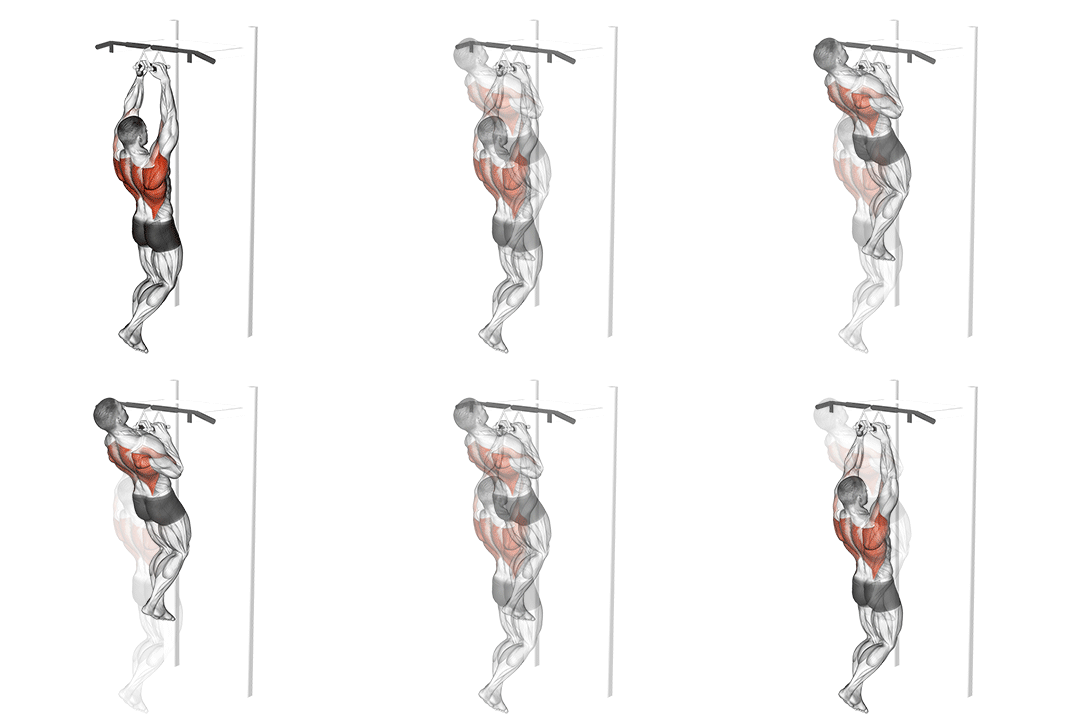
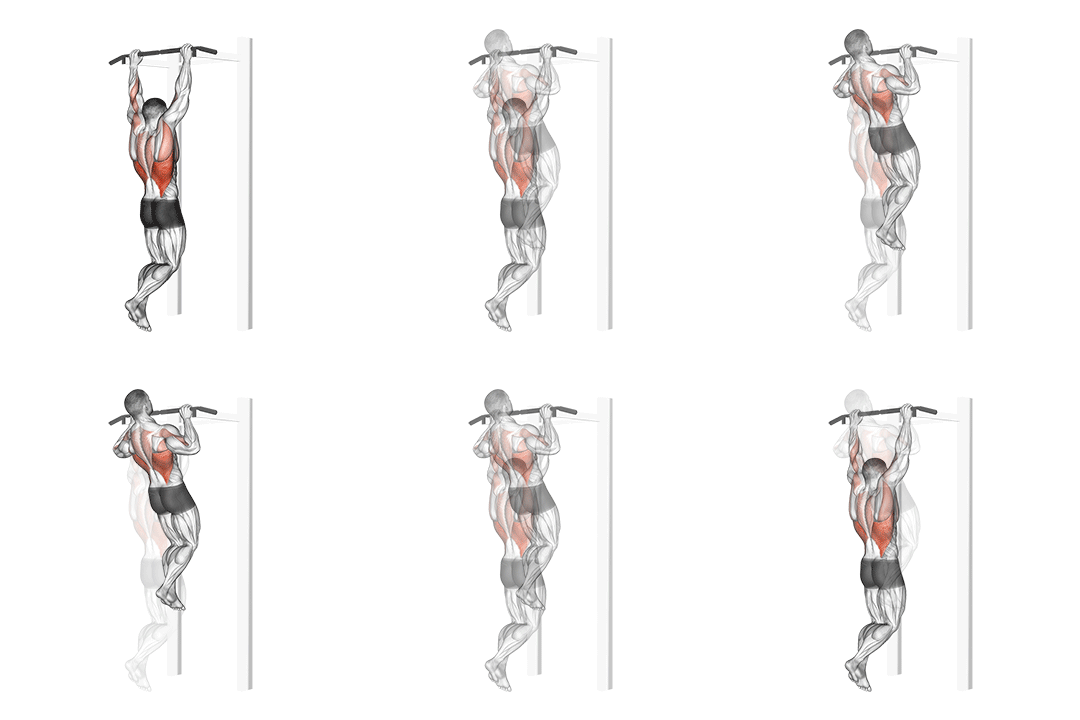
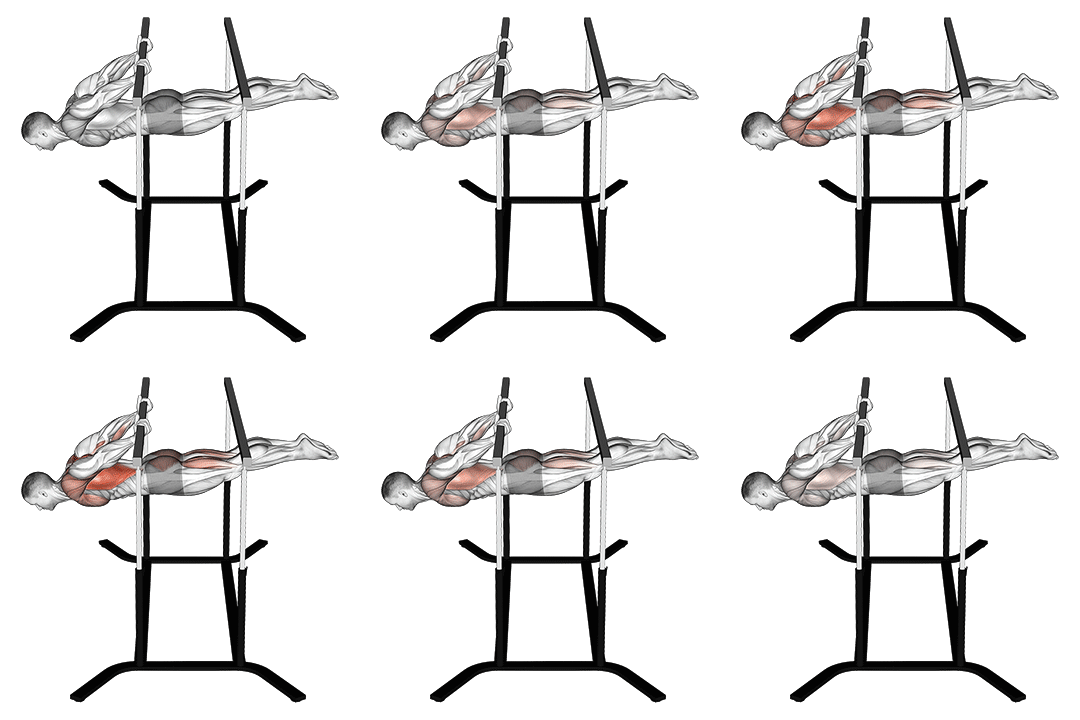
The back lever is an elite static gymnastic strength skill performed by hanging from a pull-up bar in an inverted position, then slowly lowering until the body is parallel to the floor with the back facing the ground and arms straight. The hold demands extreme bicep, lat, and core strength to support the body in this unnatural position. Like the front lever, the back lever is a multi-year strength achievement that few non-gymnasts ever reach. The back lever differs from the front lever in body orientation — back lever has the back facing down, front lever has the chest facing up. The muscle emphasis shifts accordingly: back lever loads the biceps, anterior delts, and chest more than front lever, while still demanding significant lat and core engagement. The shoulder stability requirements are extreme because the joint position is unusual and demanding. For trainees who reach this level, the back lever represents one of the pinnacle gymnastic strength achievements. Like all advanced static holds, the path runs through progressions: tuck back lever, advanced tuck, straddle, then full back lever. Most trainees who reach full back lever spend 1-3 years building through these stages, often longer. The strength prerequisites are similar to front lever — significant pulling strength, exceptional core integration, and shoulder stability under unusual loading.
Why train the Back Lever?
- Builds elite shoulder stability through the unusual inverted hold position.
- Develops severe biceps and lat strength under integrated loading.
- Trains core control through the body-straight horizontal position.
- Provides advanced gymnastic strength progression milestone.
- Improves shoulder mobility through the demanding extension range required.
- Carries over to other advanced static gymnastic skills.
How to do the Back Lever: step by step
- 1Start by hanging from a pull-up bar with an overhand grip, hands slightly wider than shoulder-width apart.
- 2Engage your core and pull your shoulder blades down and back.
- 3Bend your knees and tuck them towards your chest.
- 4Slowly lift your legs up, keeping them straight, until your body is parallel to the ground.
- 5Hold this position for a few seconds, then slowly lower your legs back down to the starting position.
- 6Repeat for the desired number of repetitions.
Muscles worked
Primary
upper back
Secondary
biceps, forearms, core
Common mistakes to avoid
Insufficient prerequisites
Build to 15+ strict pull-ups, solid hollow body holds, and tuck back lever holds before attempting full back levers.
Letting the body pike during the hold
The body must stay straight, not bend at the hips. Piking reduces the lever arm and changes which muscles are loaded.
Rushing the lowering phase
Each rep requires controlled descent into the hold position. Rushing stresses the shoulders and produces injury.
Hyperextending the elbows under load
The back lever places significant force on the elbows in extension. Some trainees hyperextend slightly, which stresses the joints. Keep arms locked out but not hyperextended.
Programming too aggressively
1-2 sessions per week is the cap. The shoulder load is extreme; more frequent training produces injury.
Easier and harder variations
Easier
Progress through the back lever ladder: tucked back lever → advanced tuck → straddle back lever → full back lever. Each stage takes months to develop. Don't skip stages.
Harder
Add weight (vest) to existing back lever holds for advanced strength work. Or progress to back lever pulls (combining the hold with pull-up movement). Or to one-arm back lever progressions.
Alternative exercises
Tucked back lever
Progression toward full back lever. The right starting point for the skill.
German hang
Inverted shoulder mobility drill. Useful preparation for back lever shoulder positioning.
Front lever
Different static hold with similar prerequisite strength. Many trainees develop both alongside each other.
How to program the Back Lever into your training
Back lever training belongs in elite advanced bodyweight programs. Prerequisites: 15+ strict pull-ups, hollow body holds, healthy shoulders, German hang shoulder mobility. Sets and reps: 3-4 sets of 5-15 second holds with 3-4 minutes rest. Frequency: 1-2 times per week. The shoulder load is extreme. For trainees building toward back lever: 12-36 months of progression through the lever ladder. Patience is the main predictor of success. Don't attempt back lever when fatigued or with shoulder issues.
Recovery and frequency
Back lever has extreme recovery cost. 72-96 hours between sessions is the minimum. The shoulders are the limiting factor. Long-term training requires monthly deload weeks and daily shoulder mobility work.
Frequently asked questions
How long to learn back lever?
1-3 years for the static hold from the right prerequisites. Many trainees take longer.
Is this realistic for general fitness?
No — back lever is an elite gymnastic skill. For general fitness, simpler exercises cover most needs.
Front lever vs back lever?
Different muscle emphasis and body orientation. Both are equally challenging at full skill level. Back lever loads biceps and chest more; front lever loads lats more.
What are the prerequisites?
15+ pull-ups, hollow body strength, shoulder mobility (German hang), and progression through tuck back lever variations.
Should I pursue this?
Only with specific gymnastic strength goals. The multi-year commitment is significant. Most trainees benefit more from broader fitness pursuits.
Why do my shoulders hurt?
Insufficient mobility or strength prerequisites. Address shoulder mobility (especially extension) and build through tuck variations more thoroughly.
Useful tools for this exercise
Build a workout with the Back Lever
Puna gives you guided bodyweight workouts you can do anywhere — no equipment, no gym, just structured progressions that build real strength.