Back And Forth Step
beginner cardio exercise · body weight · targets cardiovascular system
- Body part
- cardio
- Primary target
- cardiovascular system
- Equipment
- body weight
- Difficulty
- beginner
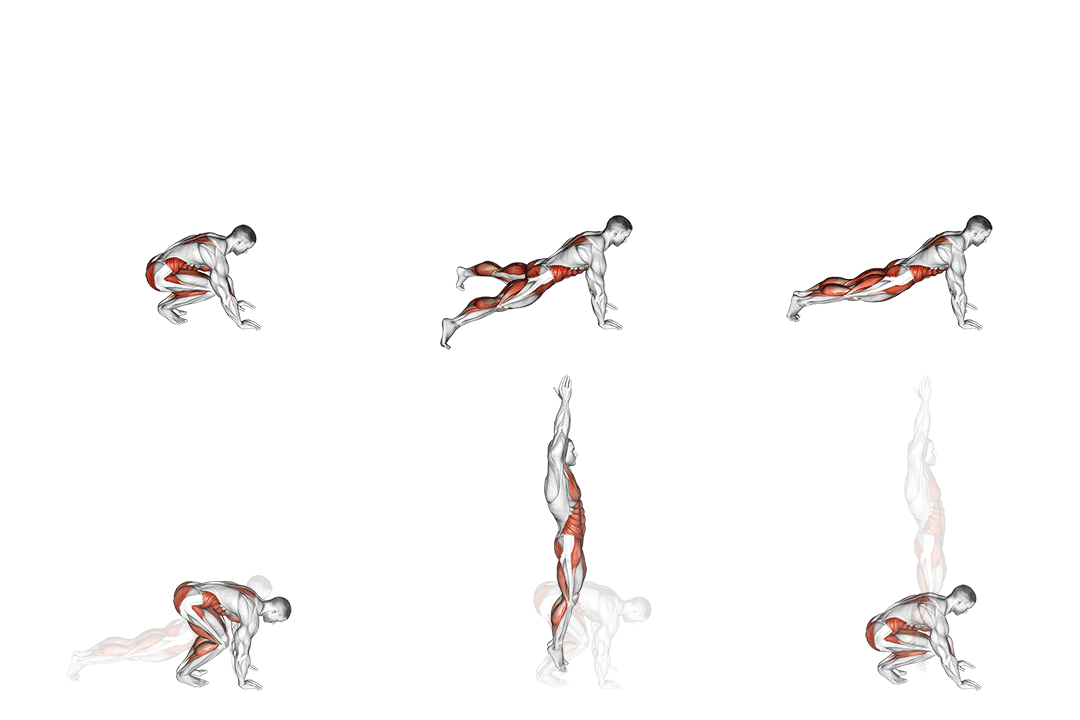
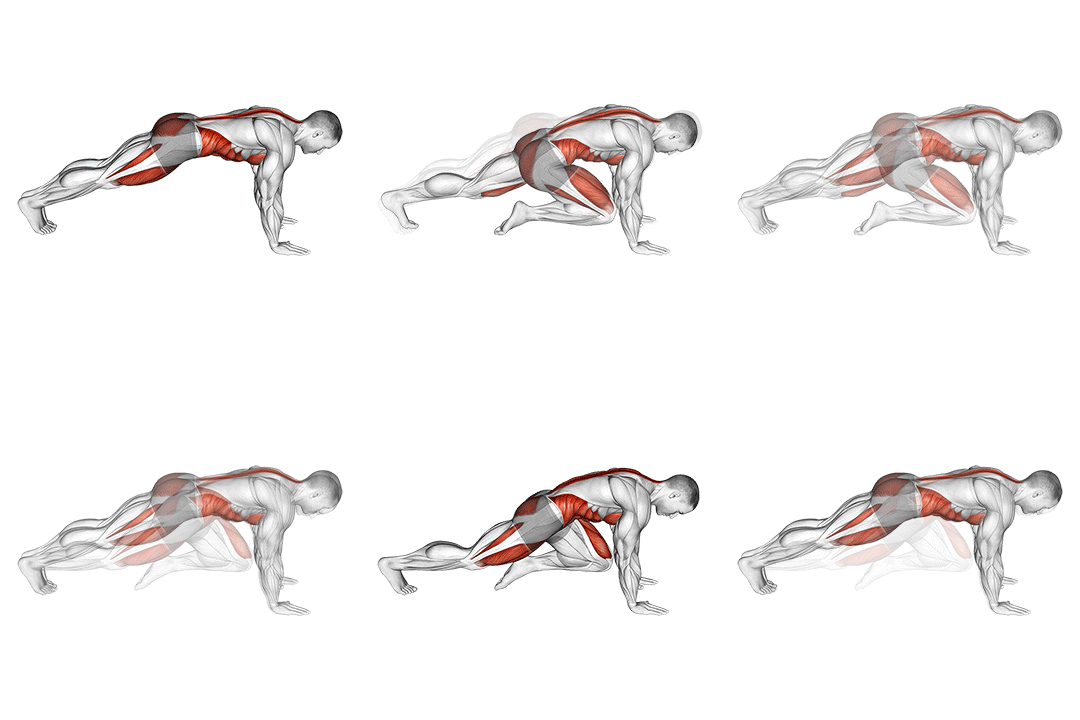
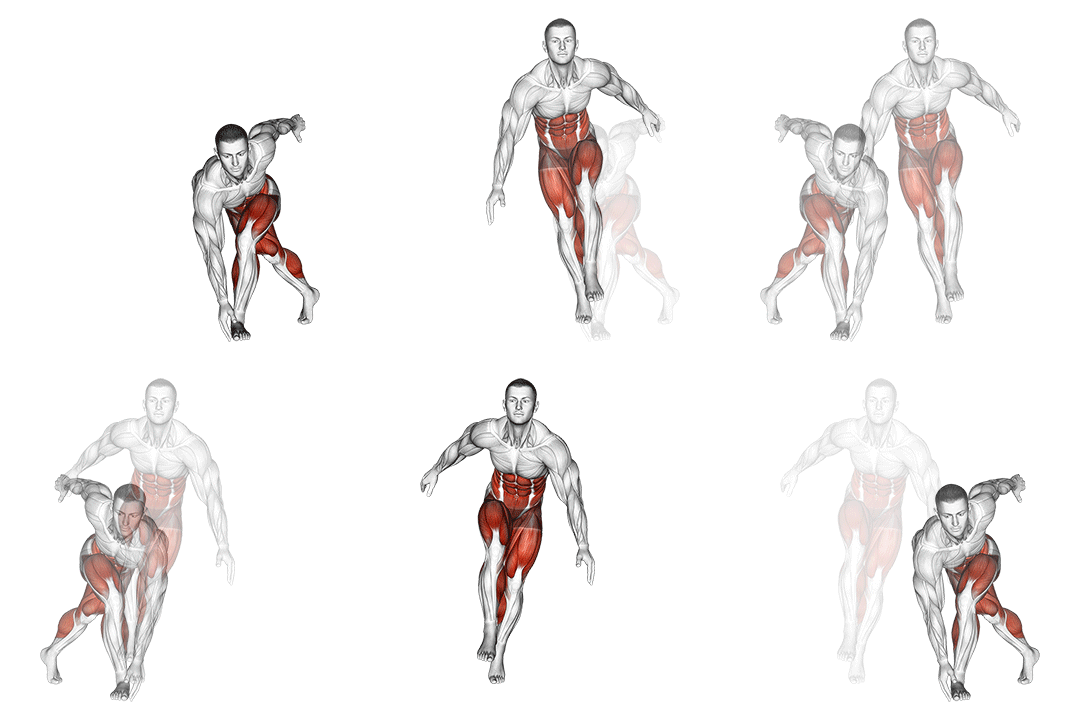
The back and forth step is a low-intensity cardio drill where you alternate stepping forward into a lunge with one foot, then stepping back to the starting position before alternating to the other leg. The continuous lunging pattern at moderate pace produces meaningful cardiovascular elevation alongside lower-body conditioning, all without the joint impact of jumping or running. It's positioned as cardio because the high-rep continuous nature elevates heart rate substantially, but it also delivers real lower-body strength stimulus through the lunge pattern. This exercise sits in the useful niche of low-impact cardio with strength benefit. Pure cardio drills (running, jumping jacks, treadmill) produce excellent cardiovascular work but limited strength stimulus for the legs. Pure strength work (squats, lunges) produces strength gain but less cardio benefit per minute. The back and forth step bridges both, producing moderate cardio elevation alongside meaningful quad and glute work in the same drill. For trainees with limited time who want both cardio and strength benefit, this drill is hard to beat. Where it earns its place is as accessible lower-body conditioning for trainees who can't or don't want to handle high-impact cardio. Older adults, beginners, those returning from injury, or anyone whose joints can't tolerate jumping work all benefit. The strength stimulus from the lunges builds basic quad and glute endurance, supporting daily function from climbing stairs to standing up from chairs. The trade-off is the modest cardio intensity — this won't replace serious cardio for trainees who can handle running or HIIT. But for the right contexts, it provides a useful tool that combines benefits in a way few alternatives match.
Why train the Back And Forth Step?
- Combines cardio and strength training in one drill, useful for time-efficient training.
- Lower-impact than running or jumping cardio, suitable for older adults or joint-sensitive trainees.
- Builds quadriceps and glute endurance through the continuous lunging pattern.
- Improves balance and single-leg stabilization through the step-and-return motion.
- Trains the squat-to-stand pattern that has direct carryover to daily function.
- Requires no equipment and minimal space — usable anywhere with a few feet of forward room.
How to do the Back And Forth Step: step by step
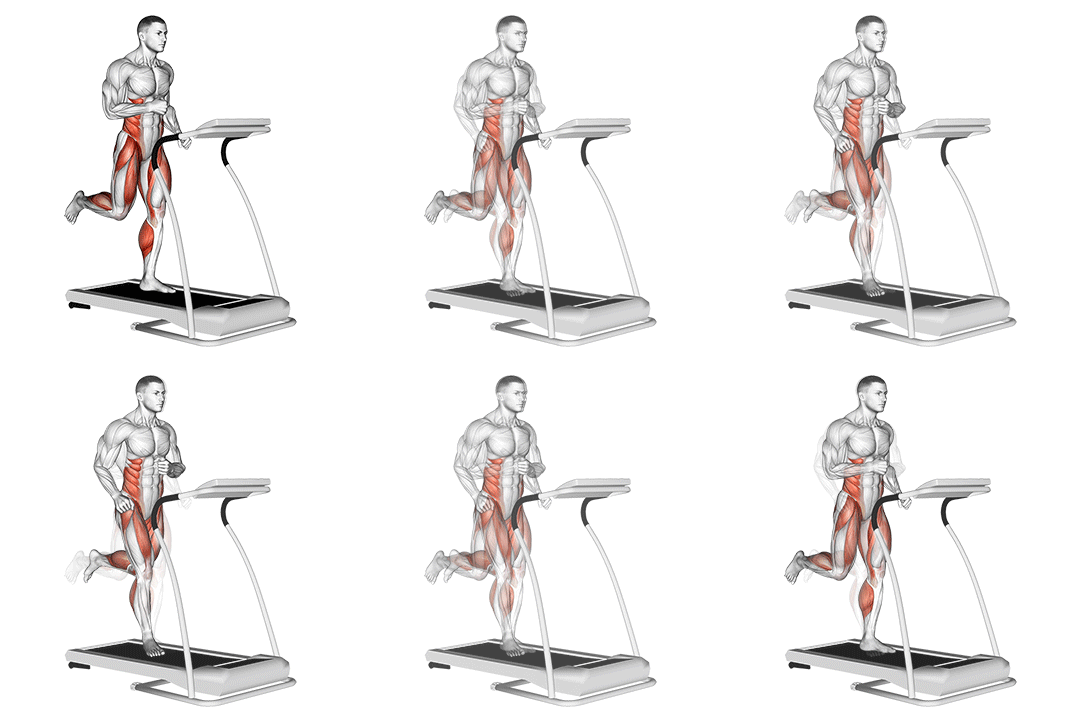
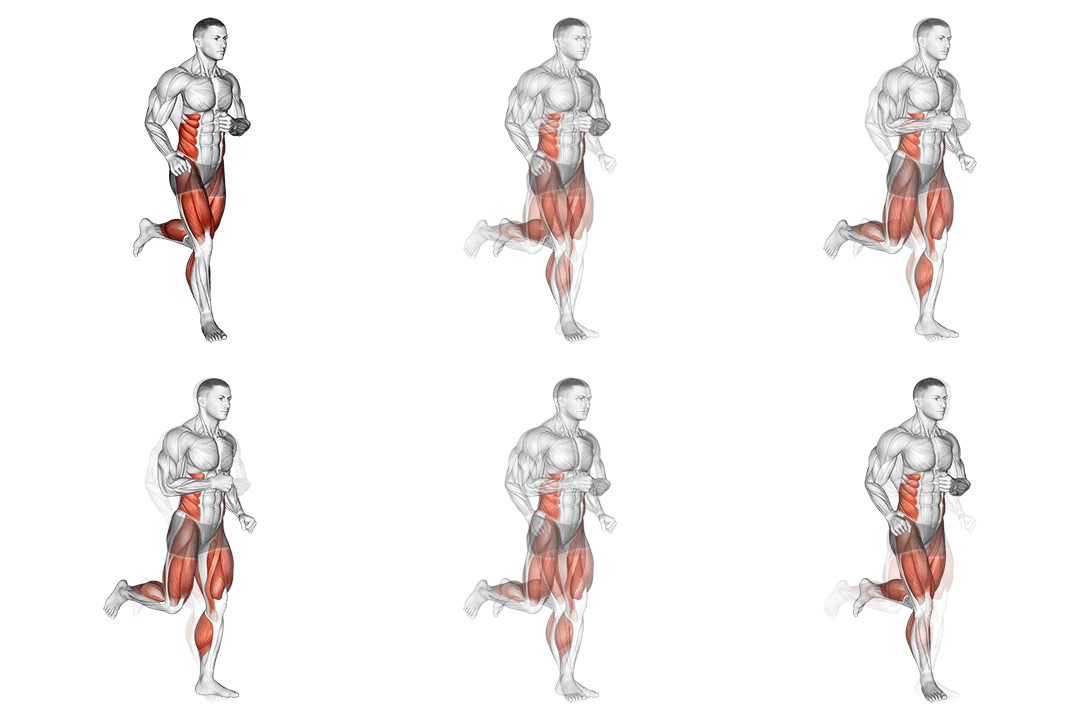
- 1Stand with your feet shoulder-width apart.
- 2Step forward with your right foot, bending your knee and lowering your body into a lunge position.
- 3Push off with your right foot and step back to the starting position.
- 4Repeat the movement with your left foot, alternating legs with each step.
- 5Continue stepping back and forth, maintaining a steady pace.
- 6Repeat for the desired duration or number of repetitions.
Muscles worked
Primary
cardiovascular system
Secondary
quadriceps, hamstrings, glutes, calves
Common mistakes to avoid
Letting the front knee track past the toes
When stepping forward into the lunge, the front knee can drive past the toes, placing stress on the kneecap and patellar tendon. Step deeply enough that the knee tracks roughly over the ankle (or just slightly past) — not far past the toes. If the knee always tracks past the toes, you're stepping too short.
Letting the back knee crash into the floor
On the descent into the lunge, the back knee should hover just above the floor — not crash into it. Crashing produces knee bruising and noisy reps. Lower deliberately and pause briefly before pushing back up.
Bouncing through reps
Speed turns the back and forth step into messy footwork that trains nothing well. Aim for 1-2 seconds in each direction with a clear pause at the bottom of each lunge. The smooth rhythm makes the cardio sustainable; bouncing breaks down within minutes.
Letting the upper body lean forward
As fatigue builds, the upper body wants to hinge forward to reduce quad demand. Keep the chest up and the back vertical throughout. The upright posture is what makes the exercise quad-focused; leaning forward shifts work to the hips.
Skipping side alternation
The exercise should alternate between left and right legs, not always step with the same leg. Asymmetric stepping reinforces strength imbalances. Always alternate — left forward, return, right forward, return.
Easier and harder variations
Easier
Reduce the step distance and lunge depth — quarter lunges rather than full lunges. The shorter range reduces the demand on quads and glutes and is appropriate for beginners or those returning from injury. Or hold a chair or wall for balance support during the motion.
Harder
Increase pace to maximum sustainable speed for cardio HIIT format (30-second intervals). Or add a knee drive after the return step (bringing the knee high toward the chest before the next lunge). For maximum challenge, hold dumbbells or wear a weighted vest for added resistance.
Alternative exercises
Walking lunge
Continuous forward lunging without the return step. More space-demanding but trains similar lower-body strength.
Reverse lunge
Step backward instead of forward. Easier on the knees for many trainees; useful alternative when forward lunges aggravate knee issues.
Bodyweight squat
Bilateral version of similar lower-body work without the cardio component. Use when cardio is being addressed separately.
How to program the Back And Forth Step into your training
The back and forth step works as moderate-intensity cardio with strength benefit, or as accessible lower-body conditioning for various populations. As sustained cardio: 3-5 minutes of continuous moderate-pace stepping, repeated 2-3 times with 60-90 seconds rest. Total session: 12-20 minutes. In a low-impact circuit: 60 seconds back and forth steps, 30 seconds standing arm circles, 60 seconds marching in place, 30 seconds rest. Repeat 4-6 times for a 15-20 minute full-body low-impact session. As a warm-up: 60-90 seconds of moderate-pace stepping before strength training. The dynamic lunging warms the hips, knees, and ankles while elevating heart rate. For older adults: 3 sets of 10-15 reps per leg, 3-4 times per week, with chair support if needed. The combined cardio and strength benefit improves function for daily tasks. For beginners building lower-body conditioning: 3 sets of 12-15 reps per leg, 3 times per week, alongside other basic strength work. For general fitness: 3-4 times per week of 8-12 minute sessions as part of a varied cardio rotation. For weight loss: back and forth steps fit as moderate-intensity cardio. Combine with strength training and dietary management for compound benefit. Frequency: 3-4 times per week is appropriate. The lower impact supports higher frequency than running or HIIT. Don't program back and forth steps as primary cardio for trainees who can handle running or HIIT — those produce more cardiovascular benefit per minute. Use this drill when low-impact is needed or as variety.
Recovery and frequency
Back and forth steps have minimal recovery cost. The moderate intensity and low impact mean the exercise produces little muscle damage or joint stress. Daily training is tolerable for most people without issue. The main warning signs are knee discomfort (especially on the front knee during lunges) and persistent quad soreness. Knee discomfort warrants reviewing knee alignment. Quad soreness is normal in early sessions and improves with practice; daily quad mobility work supports the adaptation. No special recovery protocols apply beyond reasonable nutrition and sleep. The exercise is gentle enough to fit into daily routines without recovery concerns.
Frequently asked questions
How long should I do back and forth steps for?
3-5 minutes per round, 2-3 rounds per session. Total session of 12-20 minutes provides good combined cardio and strength stimulus.
How often should I do this exercise?
3-4 times per week. The lower impact and moderate intensity support higher frequency than running or HIIT cardio.
Is this real cardio?
Yes, but at moderate intensity. The exercise produces meaningful heart rate elevation and is sustainable for longer durations. It won't replace high-intensity cardio for trainees who can handle running or HIIT, but it provides genuine cardiovascular benefit.
Will this build leg muscle?
Some, especially for beginners or those returning from inactivity. The lunge pattern trains the quads and glutes meaningfully. For serious leg muscle building, deeper lunges and progressive variations work better. For general lower-body conditioning, this drill is sufficient.
Can I do this with knee issues?
Often yes, but reduce range and pace. The lunge pattern can aggravate some knee issues; reducing depth helps significantly. Consult a physiotherapist for current issues. Reverse lunges (stepping backward) are often more knee-friendly than forward lunges.
Back and forth step vs walking lunge: which is better?
Different stimuli. Walking lunges produce more leg strength stimulus through the continuous loading. Back and forth steps allow more space efficiency and reset between reps. Choose based on space and goal — walking lunges for strength, back and forth steps for cardio with strength benefit.
Useful tools for this exercise
Build a workout with the Back And Forth Step
Puna gives you guided bodyweight workouts you can do anywhere — no equipment, no gym, just structured progressions that build real strength.