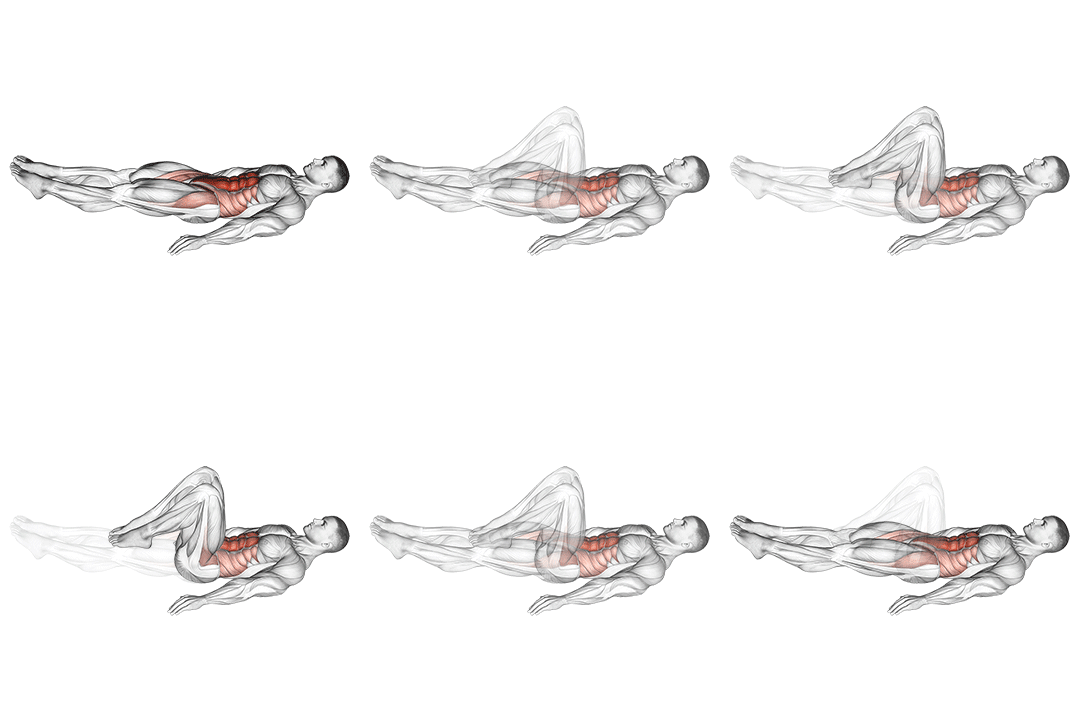
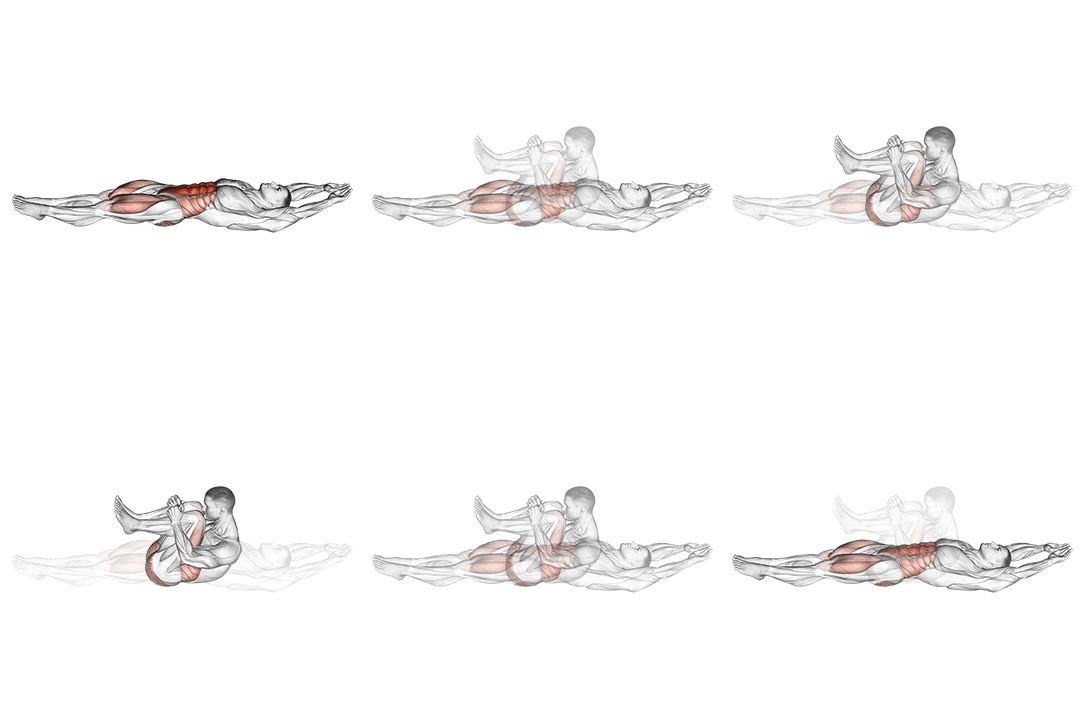
Spine Twist
beginner mobility exercise · body weight · targets abs
- Body part
- waist
- Primary target
- abs
- Equipment
- body weight
- Difficulty
- beginner
The spine twist is a foundational rotational mobility drill performed sitting or lying, then gently rotating the spine to one side, holding briefly, and returning. The exercise improves rotational range of the spine — a movement pattern most adults lose with sedentary life. Despite the simple appearance, daily spine twist practice over 4-6 weeks produces noticeable improvement in rotational mobility and reduced lower-back tightness. Most adults have meaningful spinal rotation restriction. Sitting compresses the discs and limits rotation; daily activities are mostly forward-facing without rotation. The result is the chronic lower-back tightness many adults experience — partly from glute and hip flexor tightness, partly from limited spinal rotation. Spine twist practice addresses the rotation component directly. Where this earns its place is as daily mobility maintenance for trainees and sedentary adults. Combined with hip flexor and lower-back mobility work, spine twists round out comprehensive spinal care. The 60-second time investment per side produces meaningful long-term benefit.
Why train the Spine Twist?
- Improves spinal rotation, often dramatically restricted in modern adults.
- Reduces chronic lower-back tightness.
- Stretches obliques and surrounding tissue.
- Accessible to all fitness levels.
- Suitable for older adults and those with mobility limitations.
- Pairs naturally with hug knees to chest and other supine mobility drills.
How to do the Spine Twist: step by step
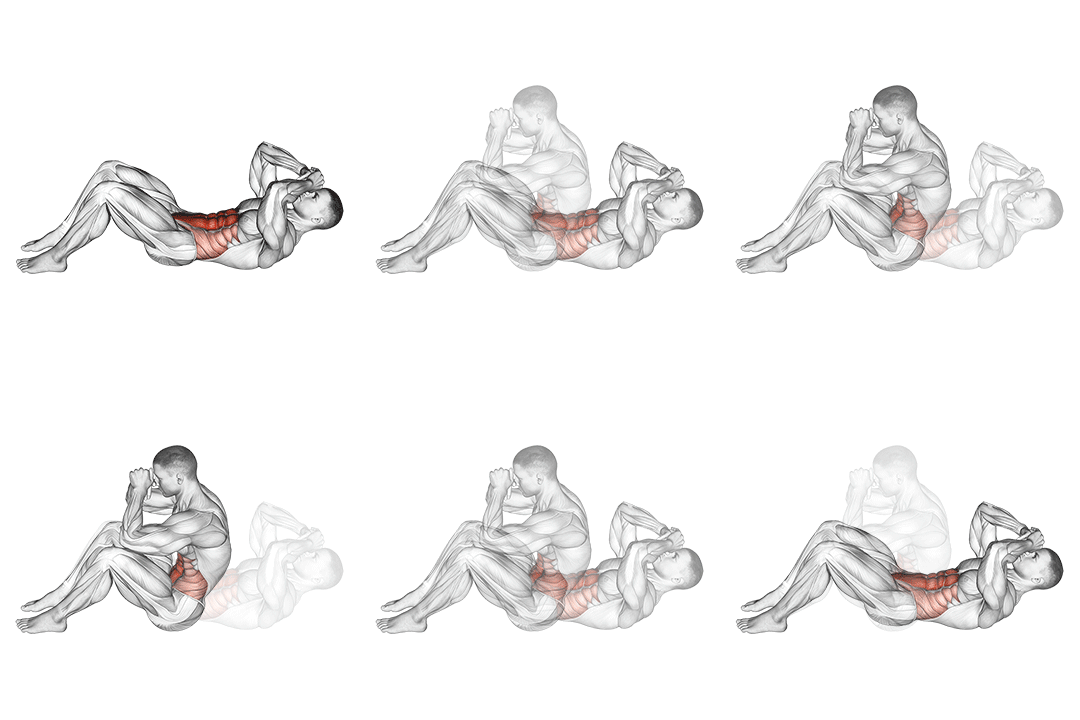
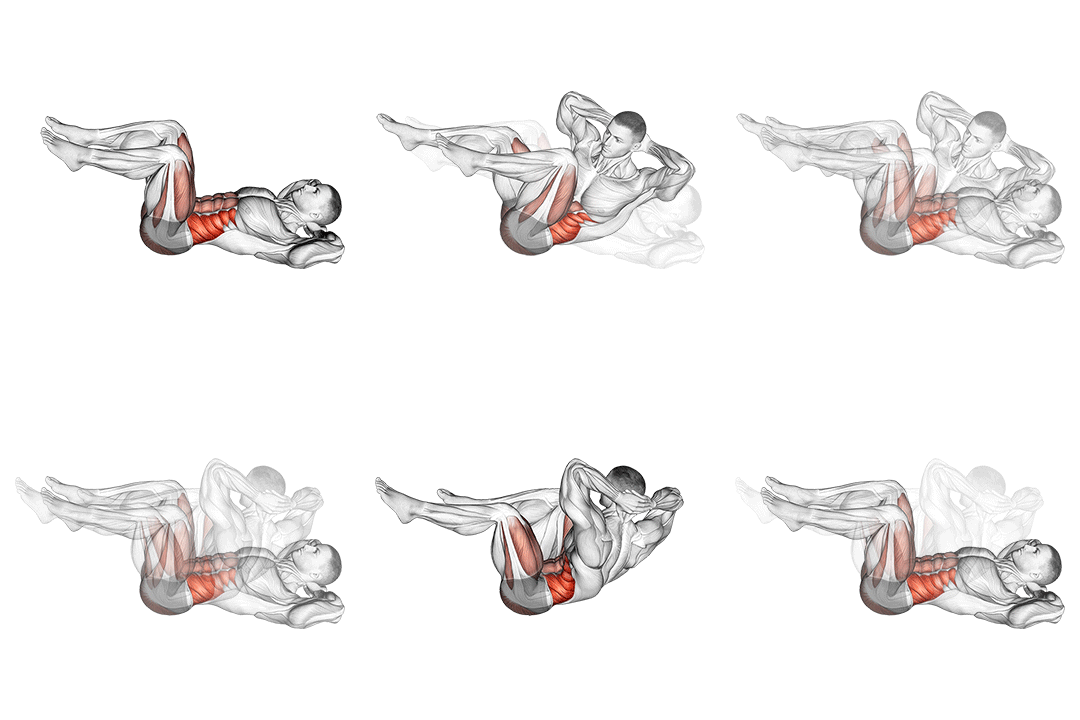
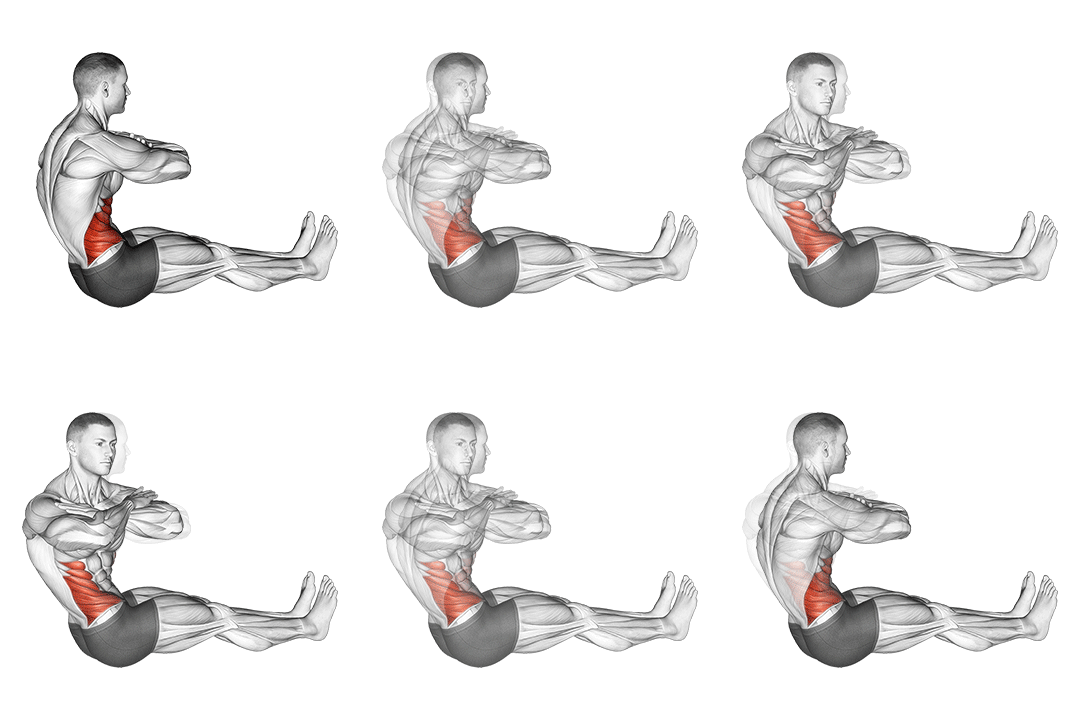
- 1Sit on the ground with your legs extended in front of you.
- 2Bend your knees and place your feet flat on the ground, hip-width apart.
- 3Place your hands behind your head with your elbows pointing outwards.
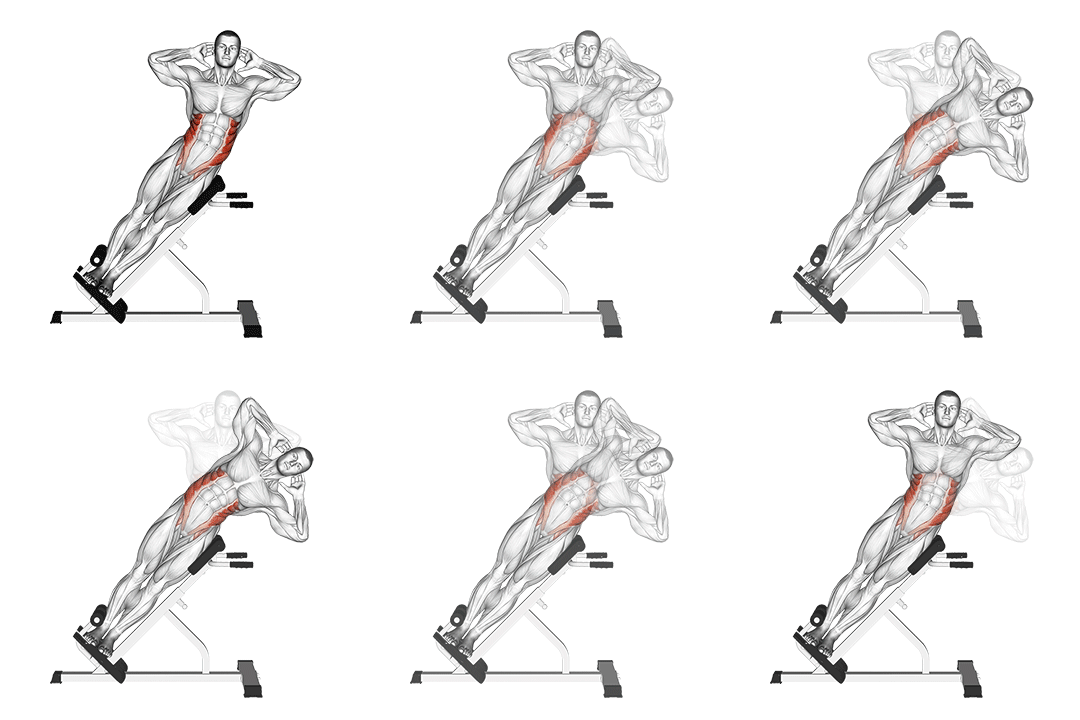
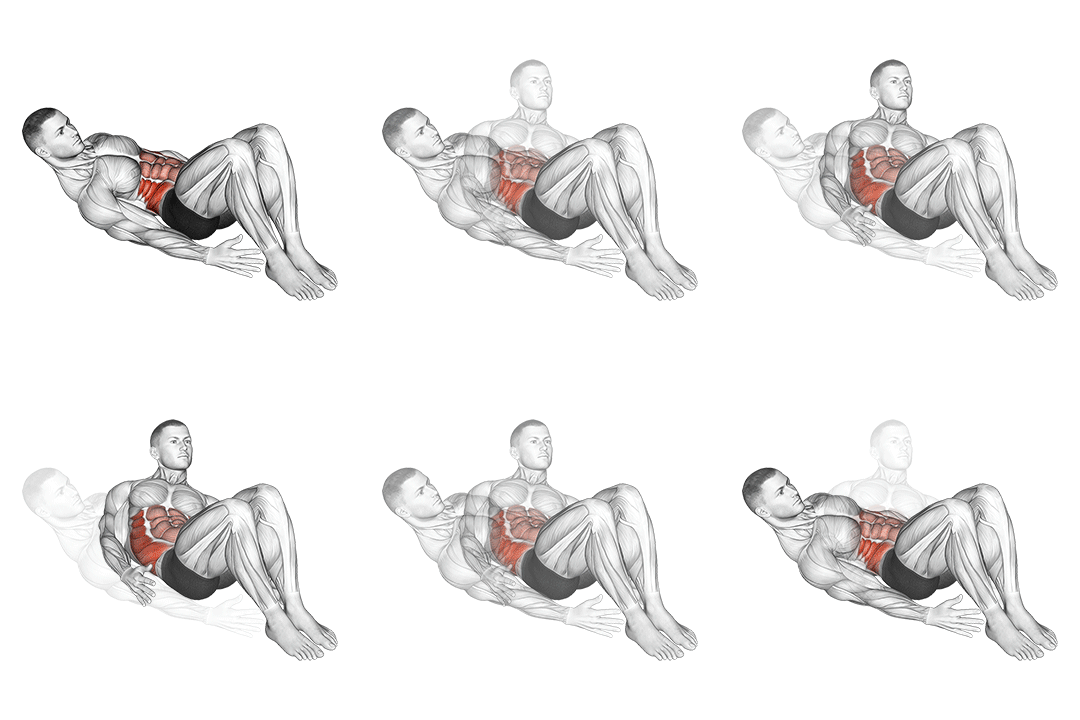
- 4Engage your abs and slowly twist your torso to the right, bringing your right elbow towards your left knee.
- 5Pause for a moment at the end of the twist, then slowly return to the starting position.
- 6Repeat the twist to the left side, bringing your left elbow towards your right knee.
- 7Continue alternating sides for the desired number of repetitions.
Muscles worked
Primary
abs
Secondary
obliques, lower back
Common mistakes to avoid
Forcing the rotation
Aggressive force can stress the spine. Apply gentle persistent pressure.
Rounding the back during rotation
Maintain spinal length even during rotation.
Holding the breath
Each exhale supports gradual release.
Holding too short
30+ seconds per side produces tissue change.
Skipping the second side
Always do both sides equally.
Easier and harder variations
Easier
Reduce range or use lying spinal twist (knees to side) for less demand.
Harder
Add deeper rotation or progress to seated spinal twist (Marichi's pose in yoga).
Alternative exercises
Bent knee lying twist
Supine version with similar benefit.
Iron cross stretch
Combined glute and rotation stretch.
Cat-cow
Dynamic spinal mobility.
How to program the Spine Twist into your training
Daily routine: 1-2 sets of 30-45 seconds per side. Morning routine: Excellent for releasing overnight stiffness. Desk-break protocol: 30 seconds per side every 90-120 minutes during long sitting.
Recovery and frequency
Zero recovery cost. Daily practice safe.
Frequently asked questions
How long?
30-45 seconds per side.
How often?
Daily, multiple times per day during desk work.
Will this help my back?
Often yes for chronic mild tightness.
Why is rotation important?
Most adults lose rotational range with sedentary life. Maintaining rotation supports overall back health.
Can I do this with disc issues?
Cautiously, with reduced range. Consult physiotherapist for current issues.
Spine twist vs cat-cow?
Different planes. Twist trains rotation; cat-cow trains flexion-extension. Use both.
Useful tools for this exercise
Build a workout with the Spine Twist
Puna gives you guided bodyweight workouts you can do anywhere — no equipment, no gym, just structured progressions that build real strength.