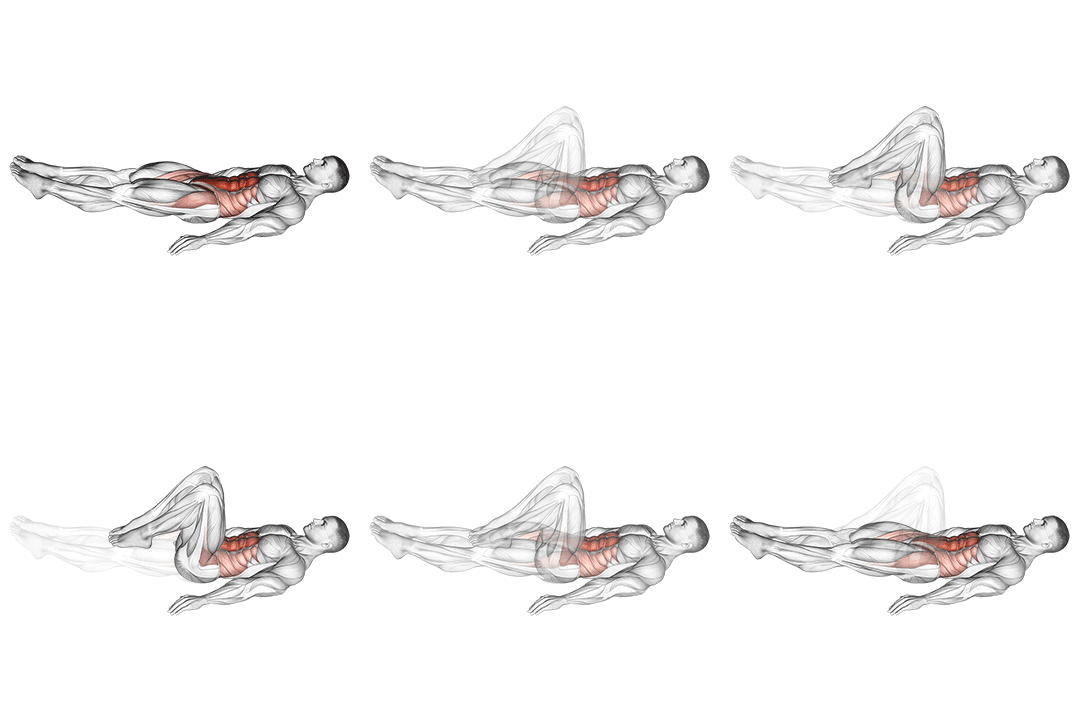
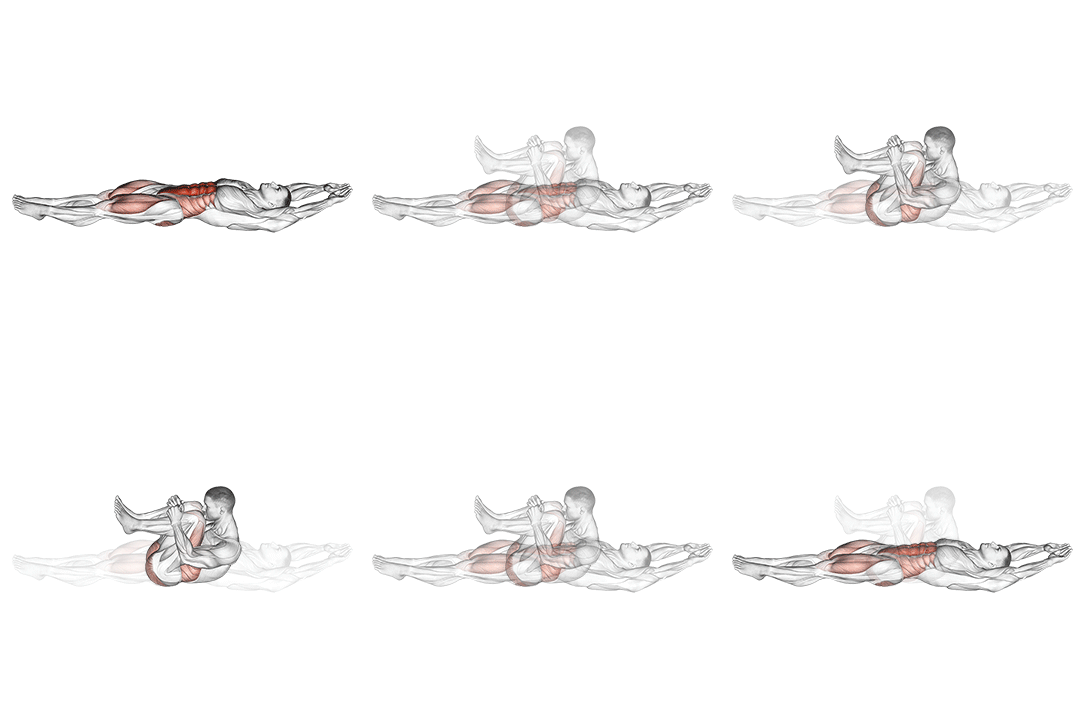
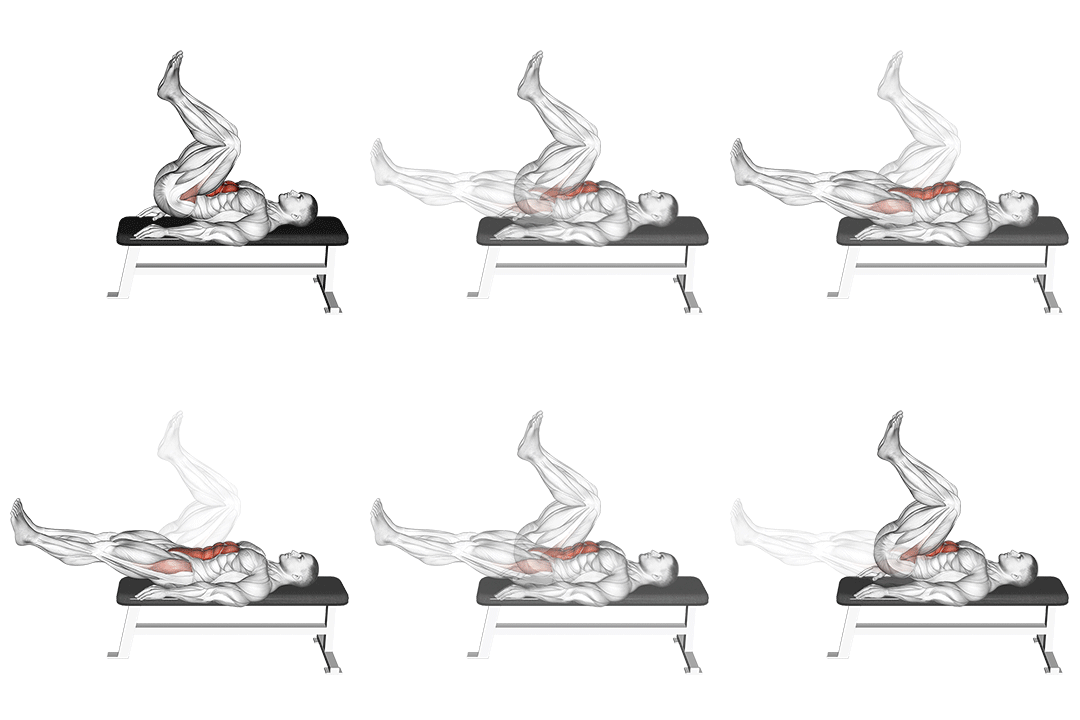
Leg Pull In Flat Bench
beginner strength exercise · body weight · targets abs
- Body part
- waist
- Primary target
- abs
- Equipment
- body weight
- Difficulty
- beginner
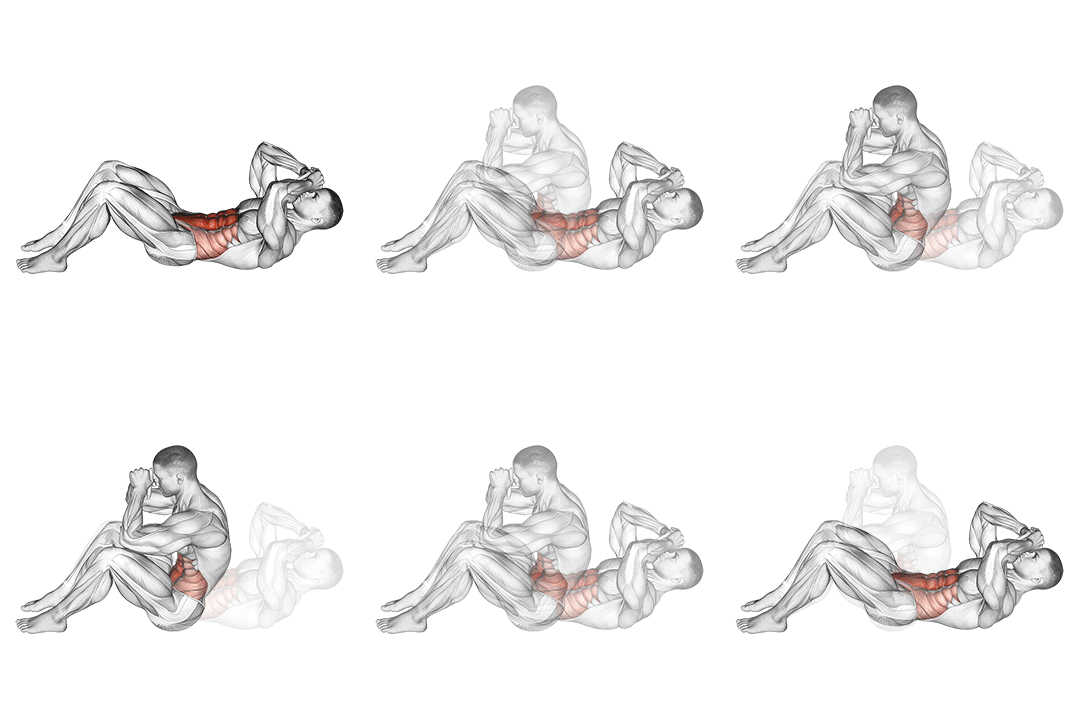
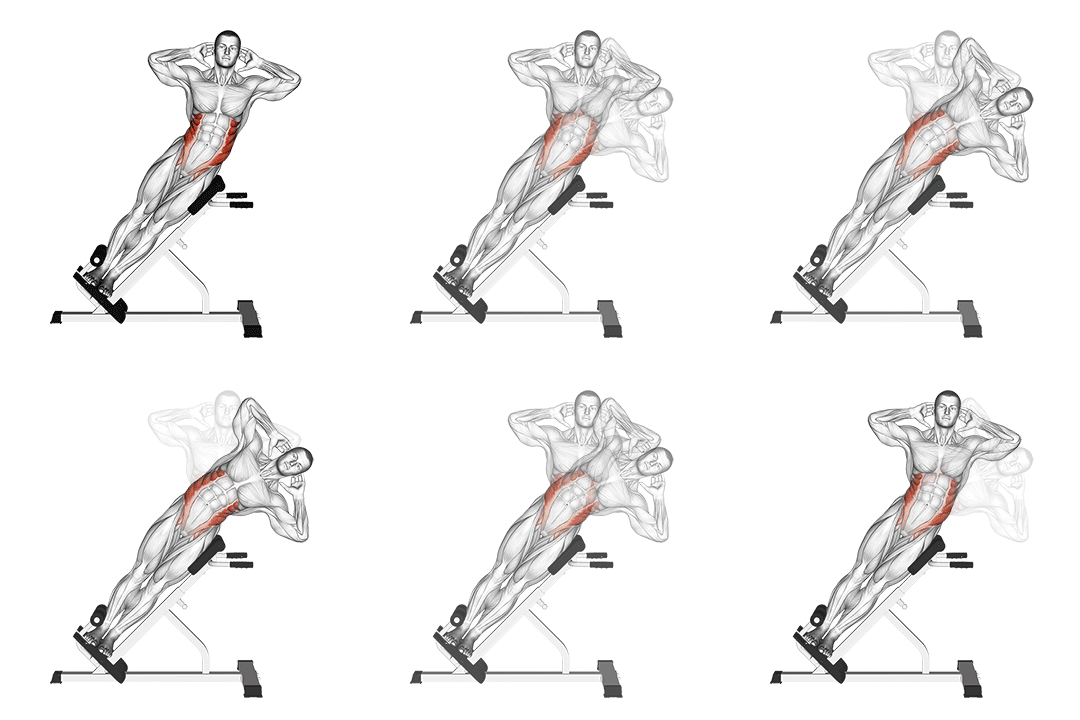
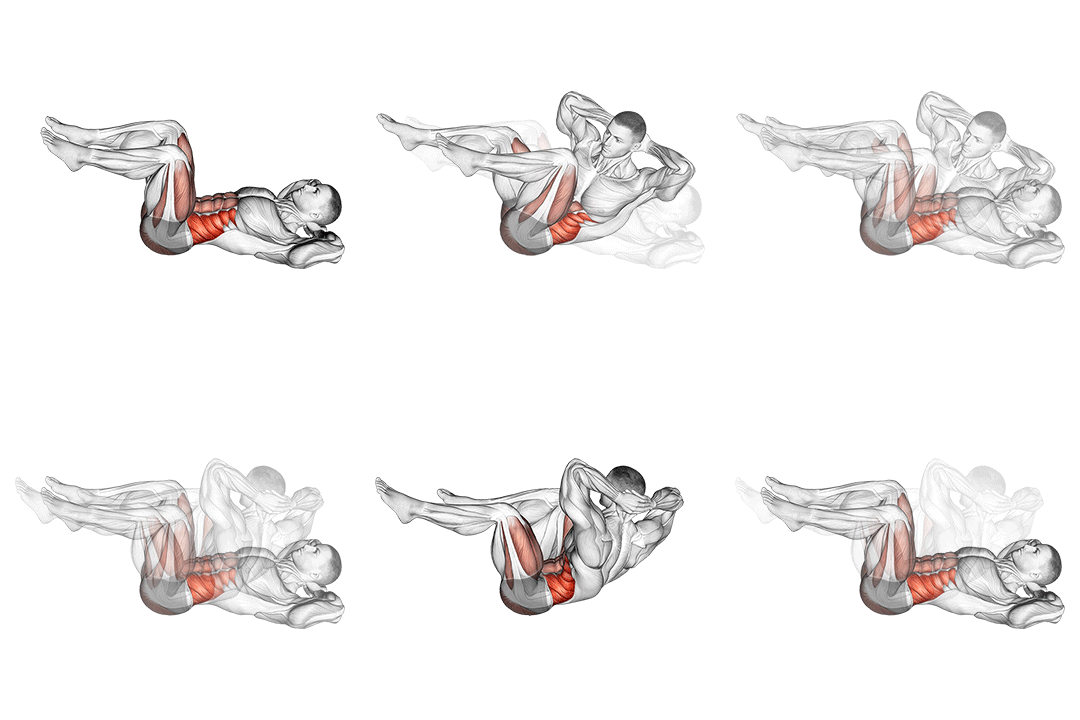
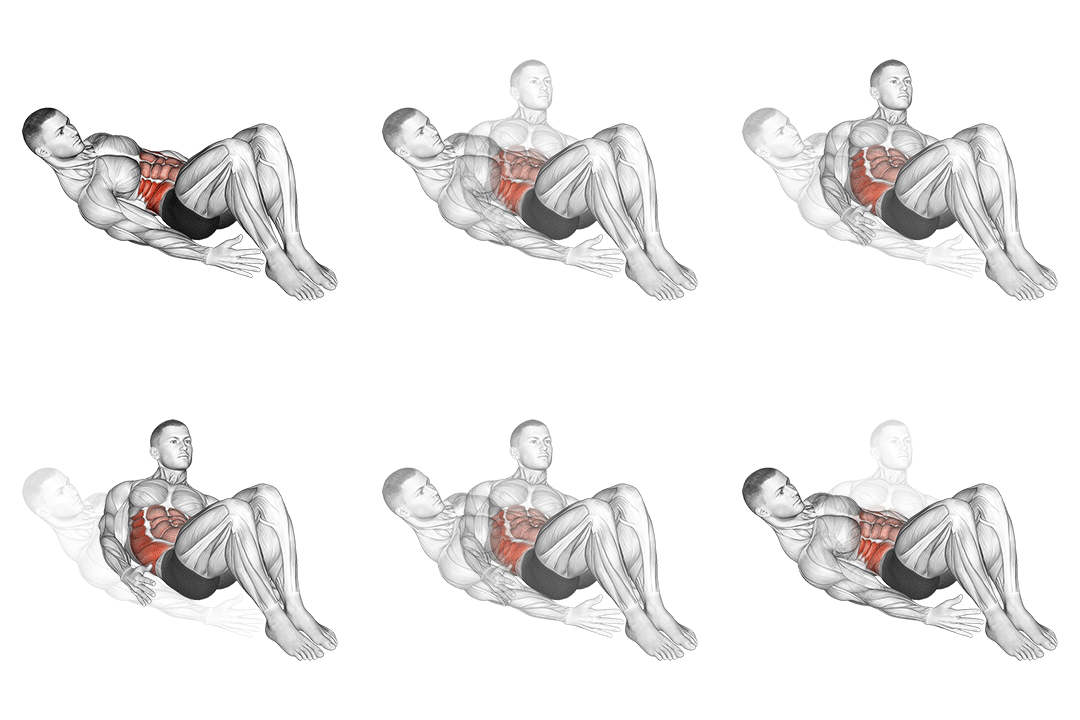
The leg pull in flat bench is a lower-ab exercise performed sitting on the edge of a bench with hands gripping the sides for support, legs extended forward, then pulling the knees toward the chest while leaning back slightly to engage the abs. The bench supports the upper body while the lower body performs the work, producing focused lower-ab and hip flexor training. This exercise sits between flat-floor reverse crunches and hanging leg raises in the lower-ab progression hierarchy. The seated position with bench support makes it more accessible than hanging work while providing more meaningful stimulus than flat-floor variations. For trainees with bench access who want progressive lower-ab work, the leg pull-in earns a niche. Where this earns its place is as intermediate lower-ab work in any program. Combined with planks and side abdominal work, leg pull-ins contribute to comprehensive core training.
Why train the Leg Pull In Flat Bench?
- Provides intermediate lower-ab work between floor and hanging variations.
- Useful as progression from reverse crunches.
- Bench support makes the exercise accessible to most fitness levels.
- Builds the foundation supporting hanging leg raise work.
- Pairs naturally with planks for compound core training.
- Engages hip flexors alongside the lower abs.
How to do the Leg Pull In Flat Bench: step by step
- 1Sit on a flat bench with your legs extended straight out in front of you.
- 2Place your hands on the bench beside your hips for support.
- 3Engage your abs and lift your legs off the ground, bringing your knees towards your chest.
- 4Pause for a moment at the top, then slowly lower your legs back down to the starting position.
- 5Repeat for the desired number of repetitions.
Muscles worked
Primary
abs
Secondary
hip flexors, lower back
Common mistakes to avoid
Using momentum
Slow controlled motion produces ab engagement.
Cutting range
Bring knees fully toward chest. Partial reps reduce stimulus.
Excessive lean back
Modest lean only. Excessive lean shifts work to hip flexors.
Letting feet touch the floor between reps
Keep feet hovering for sustained ab tension.
Holding the breath
Breathe rhythmically through the motion.
Easier and harder variations
Easier
Bend the knees more during extension. Or perform with feet flat on floor between reps.
Harder
Slow tempo. Or extend legs straight rather than bending knees. Or progress to hanging leg raises.
Alternative exercises
Hanging leg raise
Hanging version with much greater demand.
Reverse crunch
Floor-based easier version.
Hip raise (bent knee)
Simpler floor-based lower-ab work.
How to program the Leg Pull In Flat Bench into your training
Sets and reps: 3 sets of 12-20 reps with 60 seconds rest. Frequency: 2-3 times per week. In core sessions: as primary lower-ab work.
Recovery and frequency
Recovery within 24-48 hours. Watch for hip flexor tightness.
Frequently asked questions
How many reps?
12-20 per set.
How often?
2-3 times per week.
Will this build lower abs?
Meaningfully — combined with consistent training and adequate volume.
Leg pull-in vs hanging leg raise?
Pull-in is intermediate; hanging is advanced. Use pull-in until hanging strength is built.
Why bench support?
Stabilizes upper body while lower body performs the work, isolating the abs.
Should I bend knees or straighten legs?
Bent is easier. Progress to straight legs once 20+ reps feel easy.
Useful tools for this exercise
Build a workout with the Leg Pull In Flat Bench
Puna gives you guided bodyweight workouts you can do anywhere — no equipment, no gym, just structured progressions that build real strength.