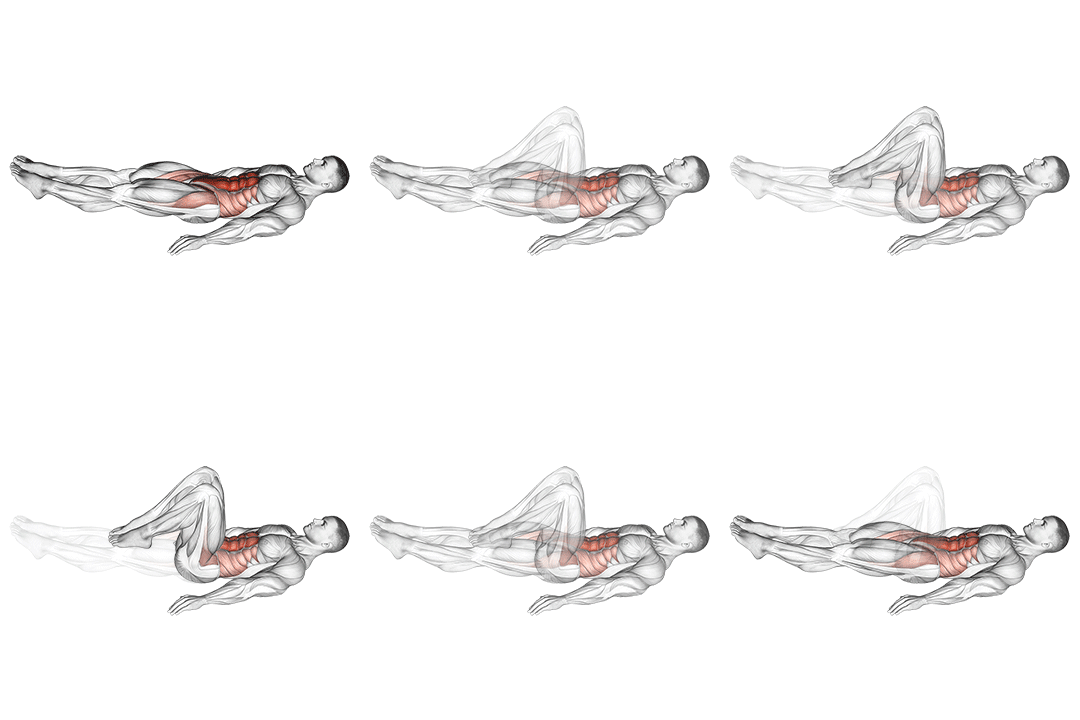
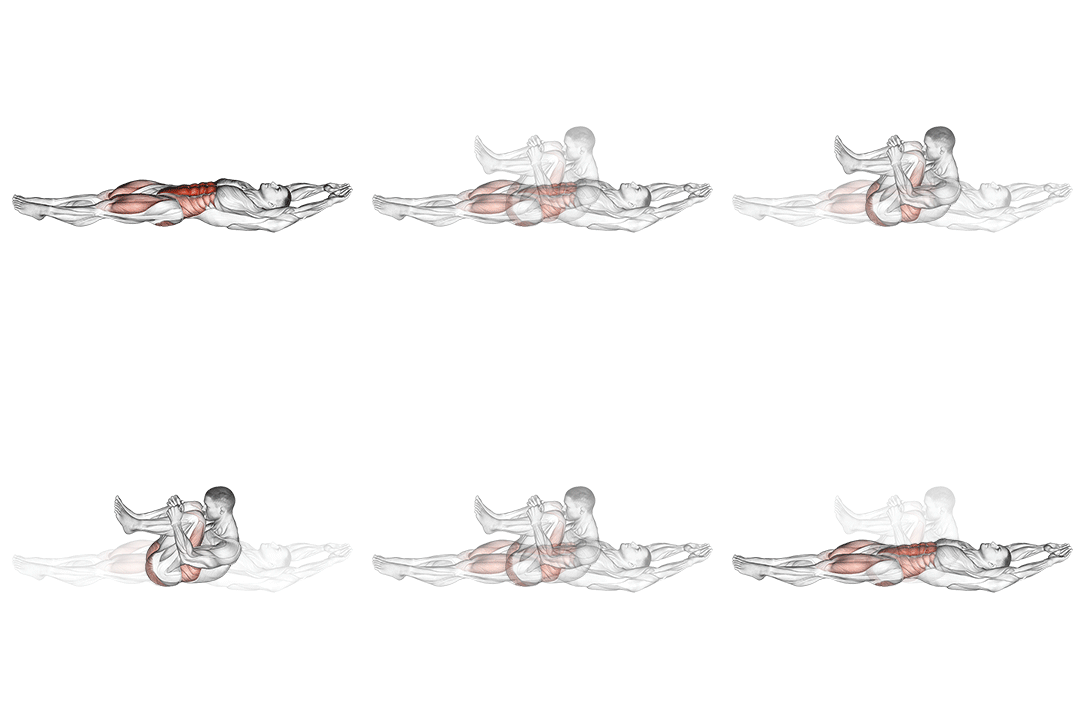
Incline Twisting Sit-up
intermediate strength exercise · body weight · targets abs
- Body part
- waist
- Primary target
- abs
- Equipment
- body weight
- Difficulty
- intermediate
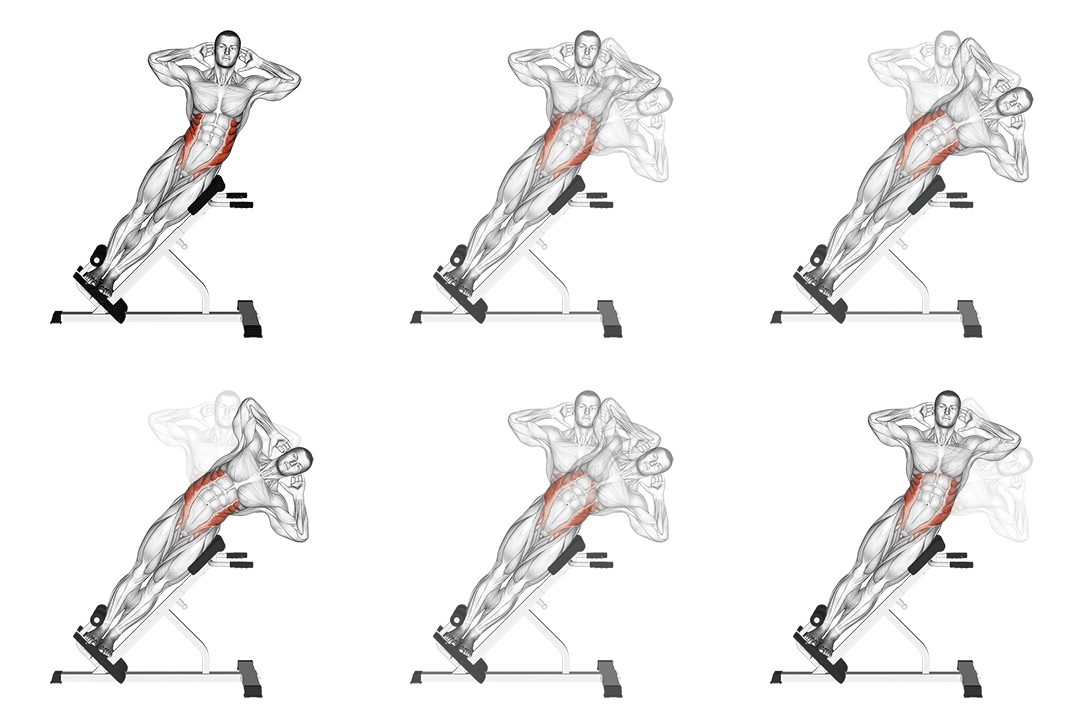
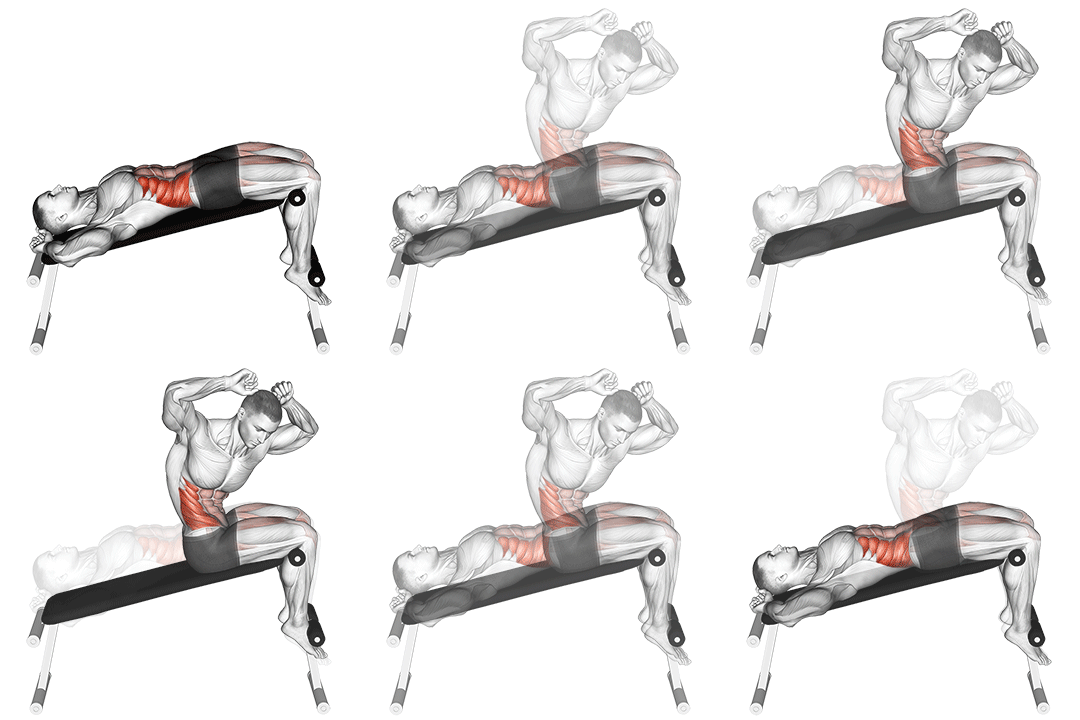
The incline twisting sit-up is performed on a sit-up bench with the feet anchored higher than the head, combining the increased difficulty of a decline angle with a rotational element at the top of each rep. As you sit up, you twist the upper body to one side (typically alternating sides each rep). The combination loads the upper abs through the decline-angled sit-up while the rotation engages the obliques. It's an intermediate-to-advanced exercise that fits well in periodized ab programming. Most trainees who can do 15+ standard decline sit-ups can manage 8-12 incline twisting sit-ups in their first attempts. The added rotation cuts the rep count significantly compared to straight decline sit-ups, but builds oblique strength that straight versions don't. Like all anchored-foot sit-up variations, the form discipline matters. The decline angle plus the foot anchor make hip flexor dominance easy if the abs are weak. Combine this exercise with anti-extension work (planks, dead bugs) in the same week to balance the flexion-heavy nature.
Why train the Incline Twisting Sit-up?
- Combines upper-ab and oblique training in one efficient movement.
- Increased difficulty over standard decline sit-ups.
- Trains the abs and obliques through long range of motion.
- Reveals oblique asymmetries between sides.
- Useful for athletes whose sport requires combined trunk flexion and rotation.
- Scales with added weight (a plate held at the chest).
How to do the Incline Twisting Sit-up: step by step
- 1Set up an incline bench at a 45-degree angle.
- 2Lie down on the bench with your feet secured under the foot pads.
- 3Place your hands behind your head or across your chest.
- 4Engage your abs and lift your upper body off the bench, curling forward.
- 5As you curl up, twist your torso to one side, bringing your elbow towards the opposite knee.
- 6Pause for a moment at the top, then slowly lower your upper body back down to the starting position.
- 7Repeat the movement, this time twisting your torso to the other side.
- 8Continue alternating sides for the desired number of repetitions.
Muscles worked
Primary
abs
Secondary
obliques
Common mistakes to avoid
Pulling on the neck with the hands
Hands behind the head are a guide, not a tool. Pulling the head forward strains the cervical spine.
Letting the hip flexors do most of the work
Initiate every rep by squeezing the abs first — the upper torso curls toward the legs, not the legs swinging up.
Twisting from the lower back instead of the upper back
The rotation should come from the thoracic spine, not the lumbar spine. Engage the abs and rotate from the chest.
Going too fast for control
Take 2 seconds up with the twist, brief pause at the top, 2-3 seconds down.
Always favoring one direction
Train both directions equally — twist left, then right, alternating. Asymmetric training widens existing asymmetries.
Easier and harder variations
Easier
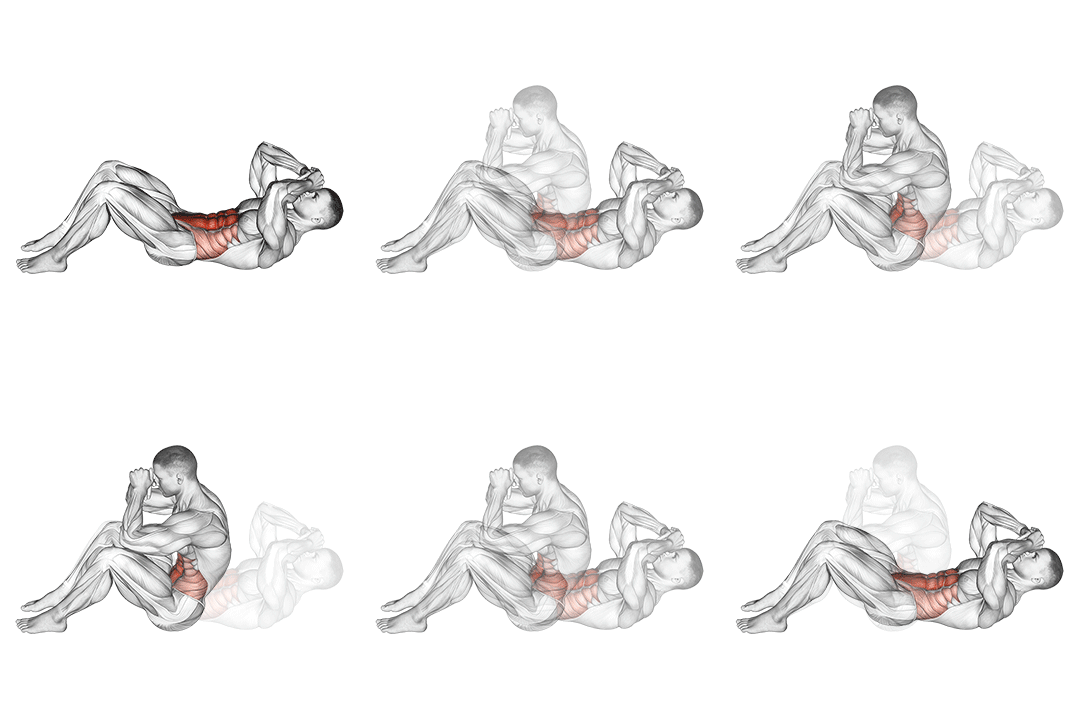
Standard decline sit-up without the twist. Or floor twisting sit-ups (no decline angle). Or reduce the decline angle.
Harder
Hold a weight at the chest. Add a hold at the rotated top position. Or progress to weighted incline twisting sit-ups.
Alternative exercises
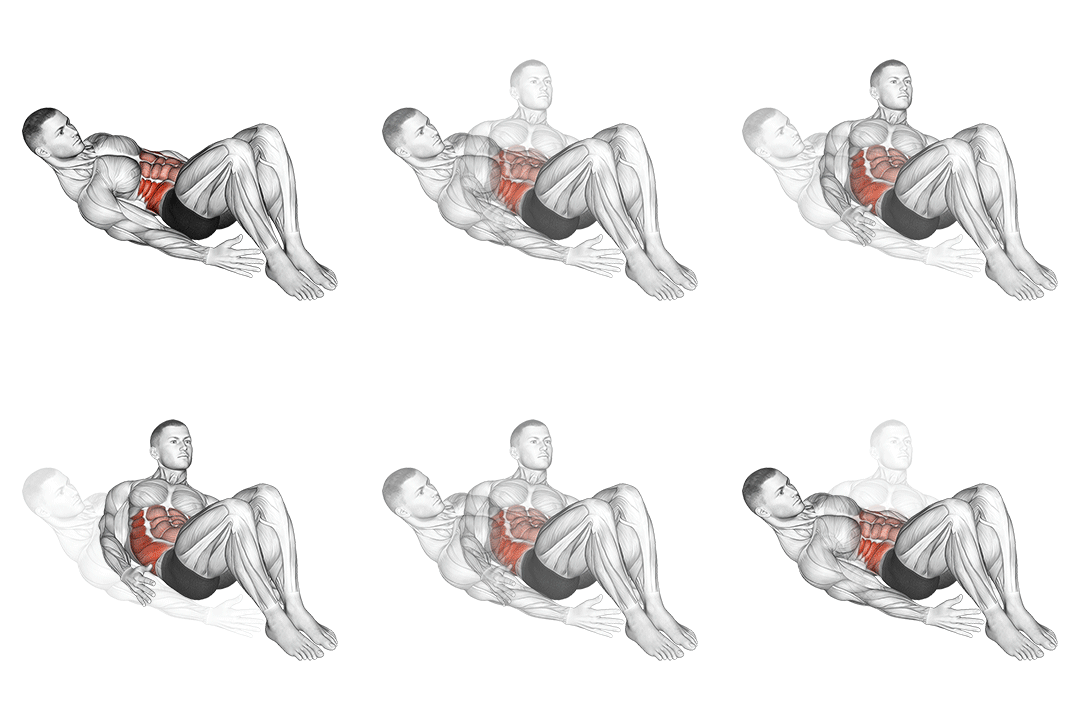
Decline sit-up
Same decline-angle exercise without the twist. Easier baseline.
Russian twist
Pure rotational ab work. Different position with similar oblique focus.
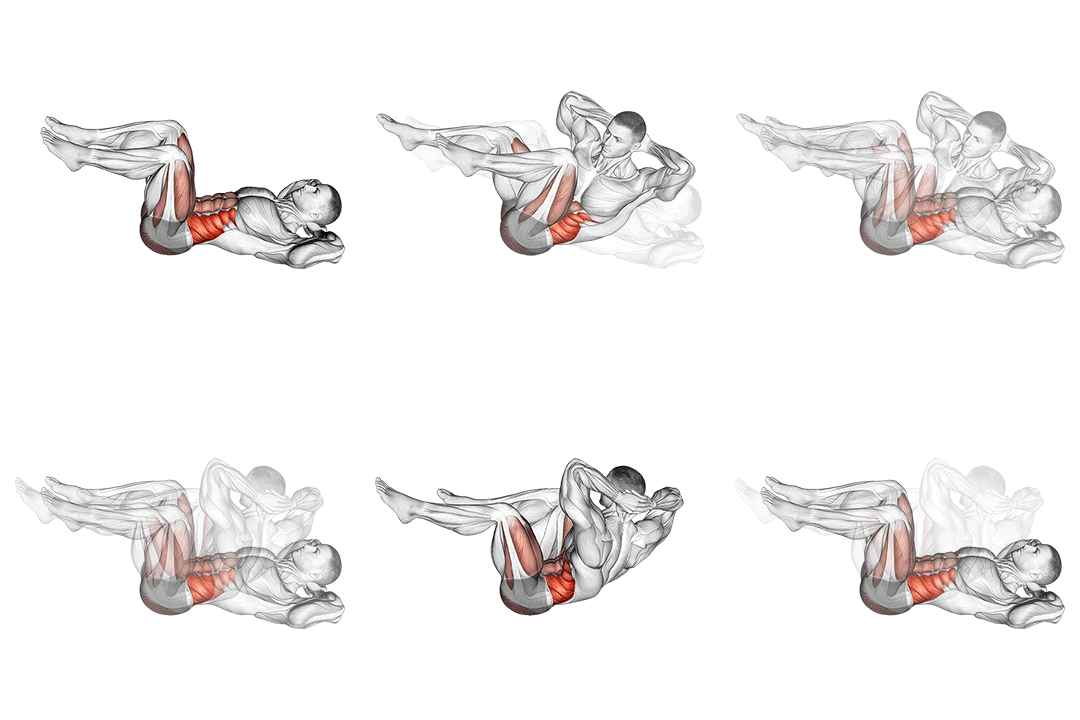
Cross body crunch
Floor-based combined ab and oblique exercise. Easier alternative without the bench.
How to program the Incline Twisting Sit-up into your training
Incline twisting sit-ups work as either the primary ab exercise in a focused core session or as accessory in a full-body program. Sets and reps: 3 sets of 10-15 reps with 60-90 seconds rest. In a complete core circuit: 3 sets of 12 incline twisting sit-ups, 3 sets of 30-second front planks, 3 sets of 12 reverse crunches. Done twice per week. Do not pair with high-volume regular sit-ups in the same session.
Recovery and frequency
Incline twisting sit-ups load the abs, obliques, and hip flexors heavily. 48-72 hours between sessions is the right cadence. Hip flexor tightness is common; daily stretches help.
Frequently asked questions
How many sets and reps should I do?
3 sets of 10-15 reps with 60-90 seconds rest.
How often should I train this exercise?
2 times per week with 48-72 hours between sessions.
Are incline twisting sit-ups bad for the back?
Done with proper form, no. Done with rounded back or excessive twist from the lower back, they can stress the lumbar spine.
Should I count one rep as both sides or each side separately?
Each side separately.
Why is one side stronger?
Oblique asymmetry — almost everyone has it. Narrows within 6-12 weeks of equal-rep practice.
Will incline twisting sit-ups give me visible obliques?
They build the obliques, but visible muscle requires low body fat.
Useful tools for this exercise
Build a workout with the Incline Twisting Sit-up
Puna gives you guided bodyweight workouts you can do anywhere — no equipment, no gym, just structured progressions that build real strength.