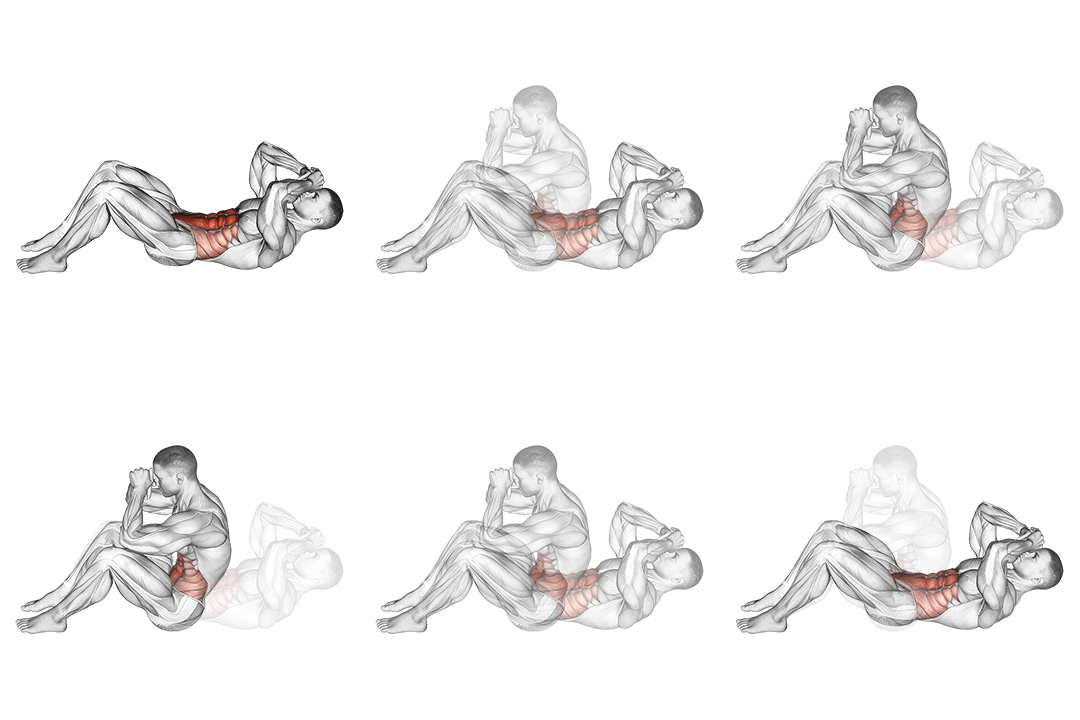
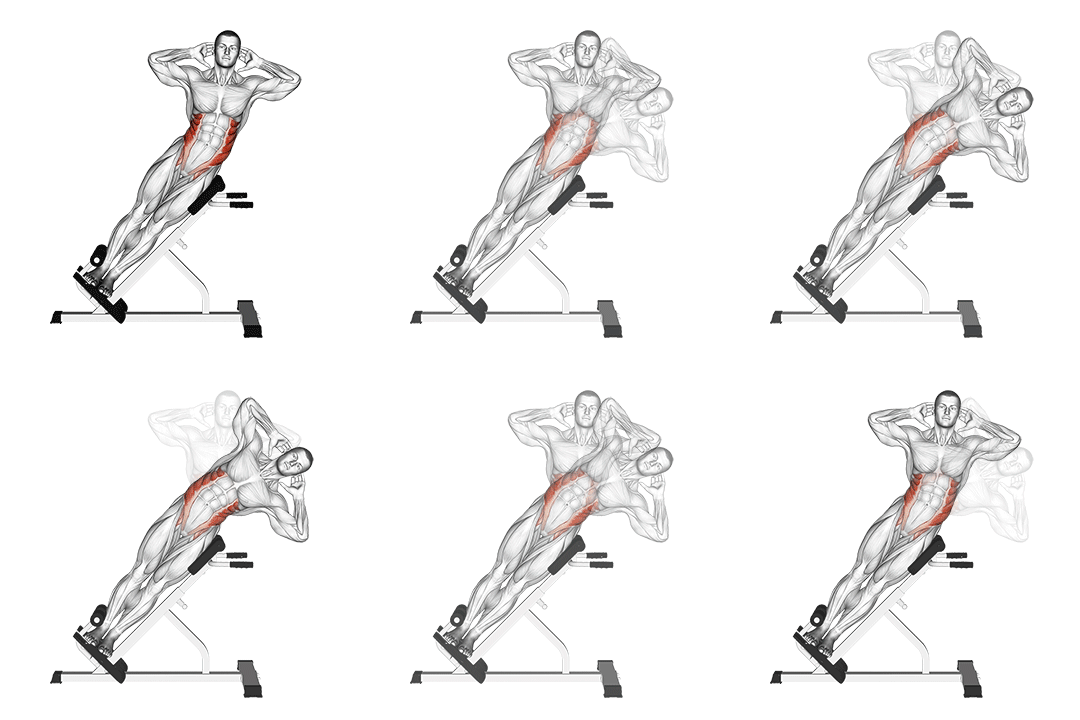
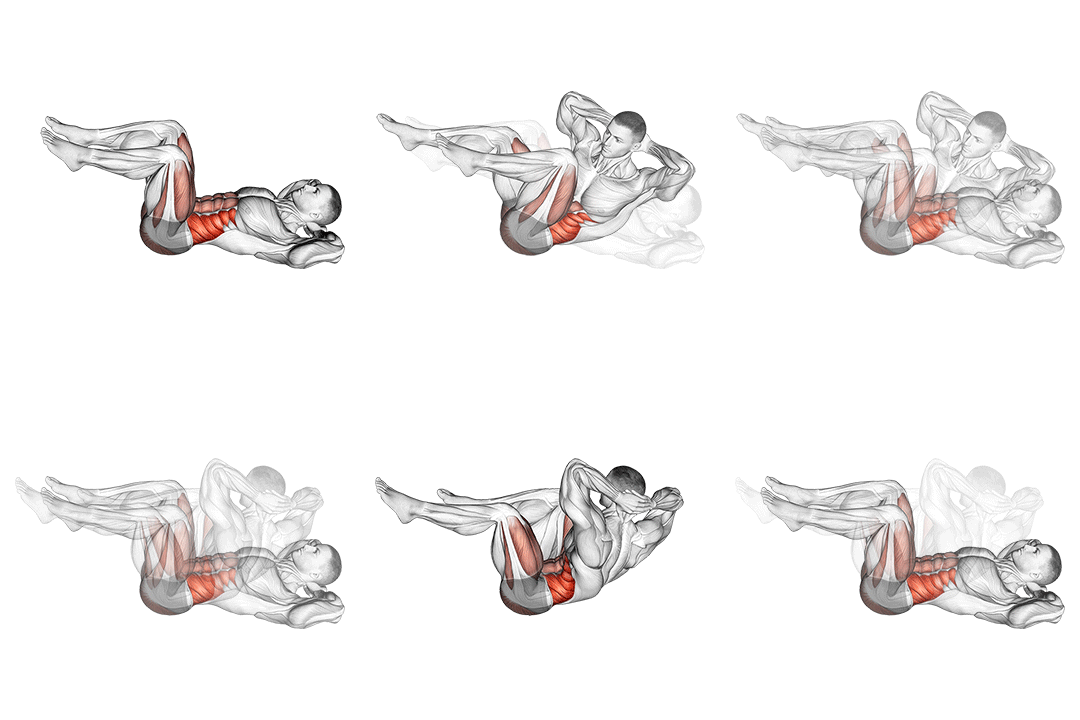
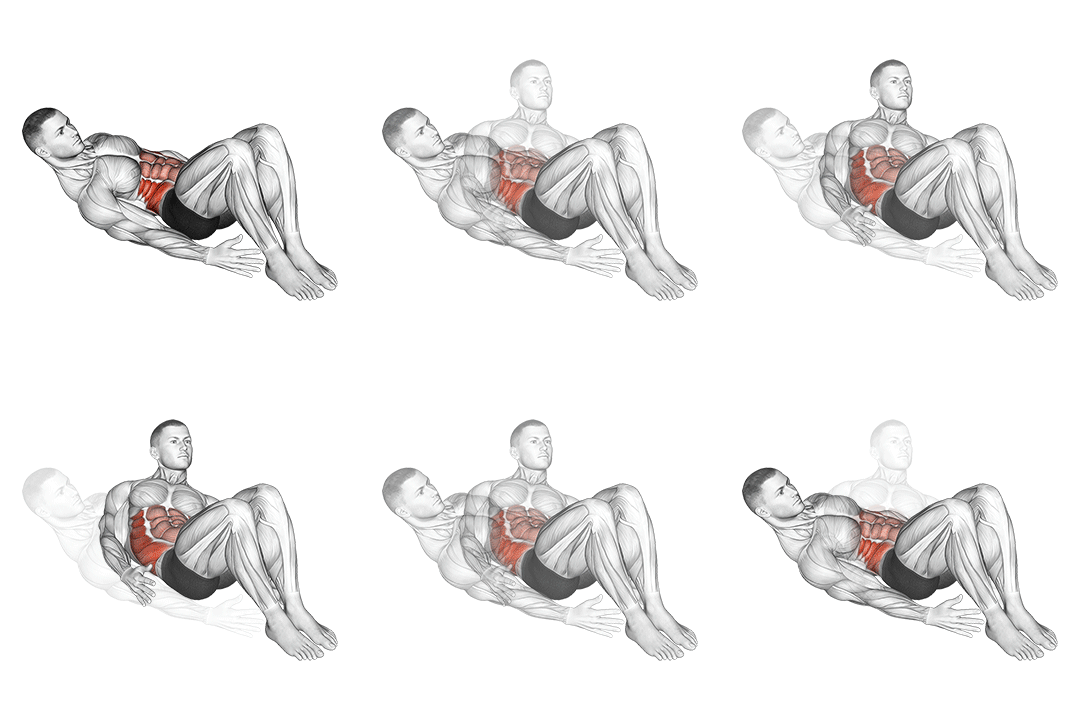
Inchworm
beginner mobility exercise · body weight · targets abs
- Body part
- waist
- Primary target
- abs
- Equipment
- body weight
- Difficulty
- beginner
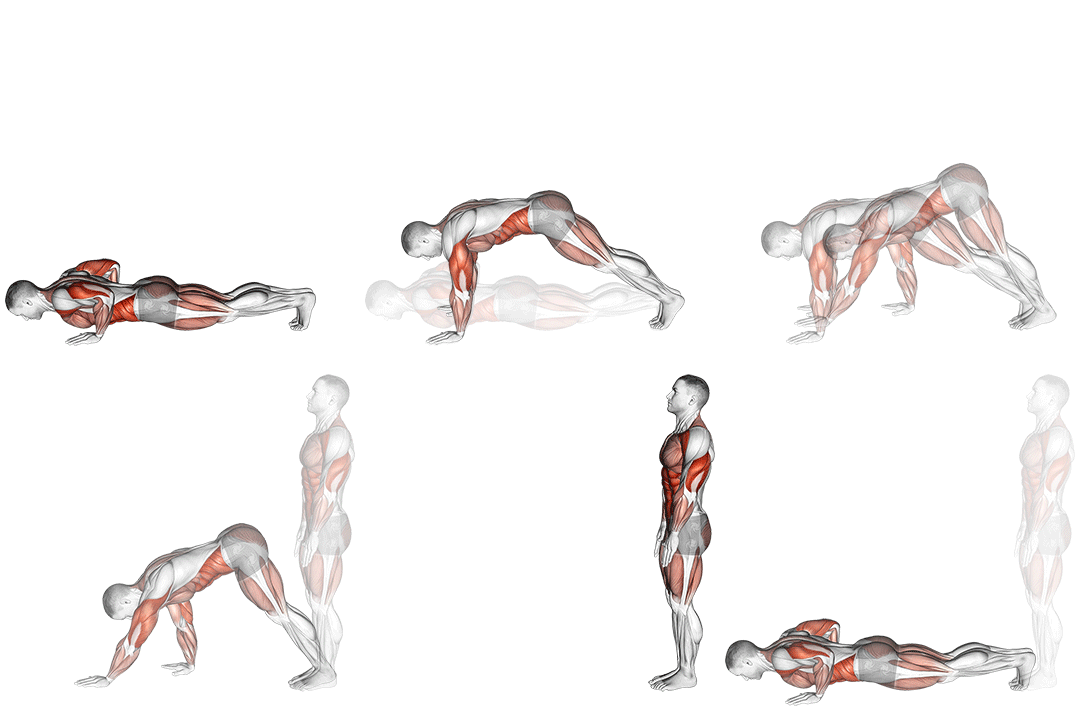
The inchworm is a dynamic full-body mobility and conditioning exercise performed by standing tall, then bending forward to walk the hands out into a plank position, holding briefly, then walking the feet up toward the hands to return to standing. The combination produces hamstring stretching, shoulder activation, core engagement, and cardiovascular elevation in one efficient movement. This is one of the most underrated warm-up exercises in any program. The walking-out motion stretches the hamstrings dynamically; the plank position activates the core and shoulders; the walking-back motion adds hip flexor activation. For warm-up before lower-body or full-body sessions, the inchworm provides comprehensive preparation in 60-90 seconds. Where this earns its place is as warm-up activation or cardio circuit work. Combined with squats and other dynamic mobility drills, inchworms build full-body coordination while elevating heart rate. For HIIT programming or general fitness warm-ups, this exercise offers excellent value.
Why train the Inchworm?
- Combines hamstring stretching with plank activation and core engagement.
- Elevates heart rate dynamically through full-body motion.
- Useful as warm-up before lower-body or full-body sessions.
- Improves hamstring flexibility while building core strength.
- Time-efficient combined exercise.
- Pairs naturally with squats and bodyweight exercises in circuits.
How to do the Inchworm: step by step
- 1Start in a standing position with your feet hip-width apart.
- 2Bend forward at the waist and place your hands on the ground in front of you.
- 3Walk your hands forward until you are in a high plank position, with your body in a straight line from head to toe.
- 4Pause for a moment, then walk your hands back towards your feet, keeping your legs as straight as possible.
- 5Once your hands reach your feet, stand back up to the starting position.
- 6Repeat for the desired number of repetitions.
Muscles worked
Primary
abs
Secondary
shoulders, hamstrings
Common mistakes to avoid
Bending the knees during the walk-out
Keep legs straight to maintain hamstring stretch. Bending defeats the mobility component.
Sagging hips in plank
Maintain plank line briefly before walking feet back.
Rushing through reps
Controlled motion at moderate pace produces full benefit.
Wrist strain from sustained plank
Brief plank only. Build wrist tolerance with mobility work for longer holds.
Holding the breath
Breathe rhythmically through the motion.
Easier and harder variations
Easier
Bend knees during walk-out if hamstring tightness limits straight-leg motion. Or reduce hand walk distance.
Harder
Add a push-up at the plank position. Or hold plank longer (3-5 seconds). Or progress to inchworm variations with rotation.
Alternative exercises
Walking lunge
Different dynamic mobility for lower body.
World's greatest stretch
More comprehensive mobility flow.
Sun salutation
Yoga flow with similar full-body benefit.
How to program the Inchworm into your training
Sets and reps: 1-2 sets of 5-8 reps as warm-up. Frequency: Daily as warm-up. In HIIT circuits: as one component alongside squats and push-ups. For general fitness: pre-workout warm-up for lower-body sessions.
Recovery and frequency
Minimal recovery cost. Daily practice safe.
Frequently asked questions
How many reps?
5-8 per set as warm-up.
How often?
Daily as warm-up.
Is this enough warm-up?
For most lower-body sessions, yes. For specific sport prep, add sport-specific drills.
Will this build muscle?
Limited muscle building. Primarily warm-up and conditioning.
Inchworm vs sun salutation?
Sun salutation is more comprehensive and yoga-based. Inchworm is simpler and more dynamic.
Can I do this with knee issues?
Often yes. Bend knees if needed. Stop if pain appears.
Useful tools for this exercise
Build a workout with the Inchworm
Puna gives you guided bodyweight workouts you can do anywhere — no equipment, no gym, just structured progressions that build real strength.