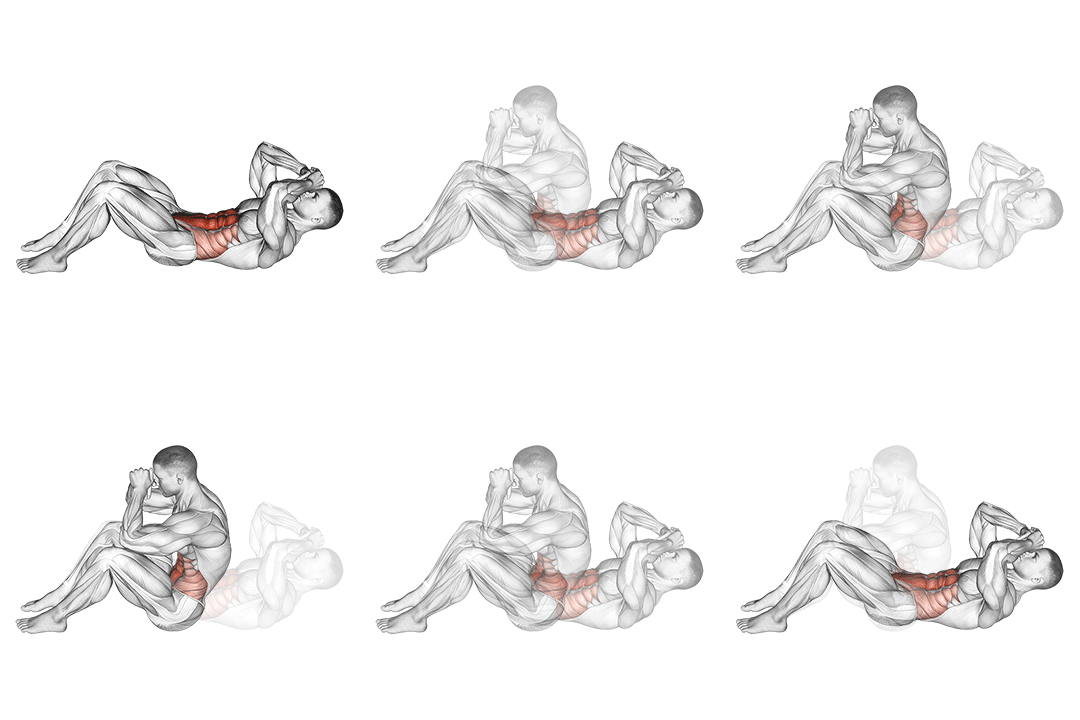
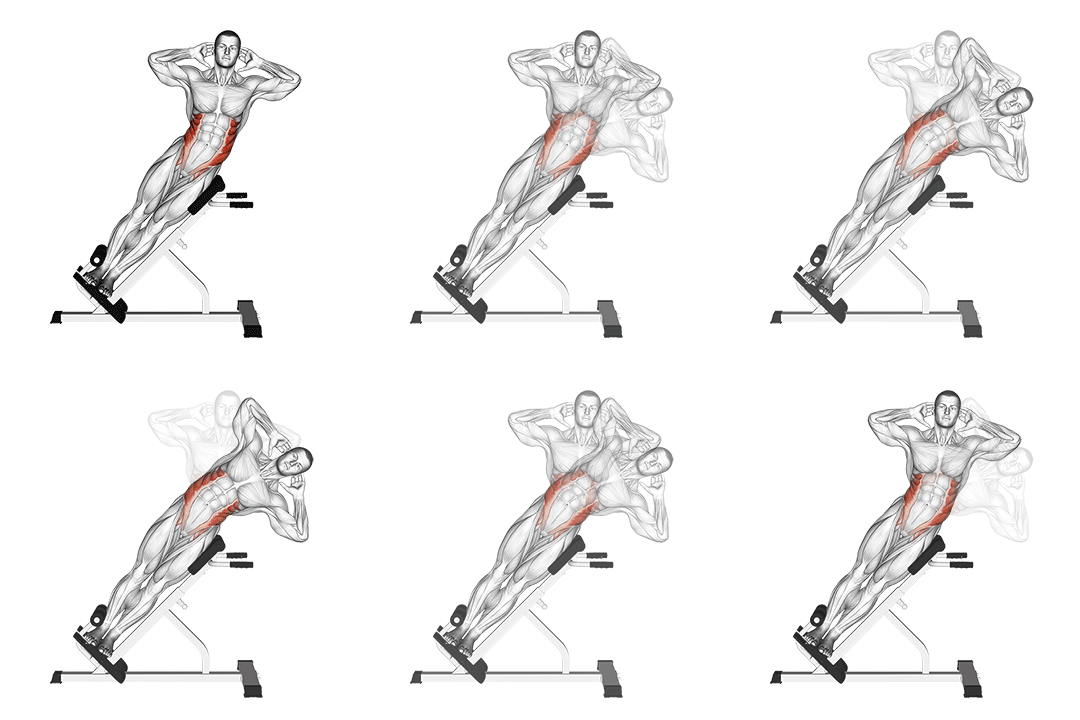
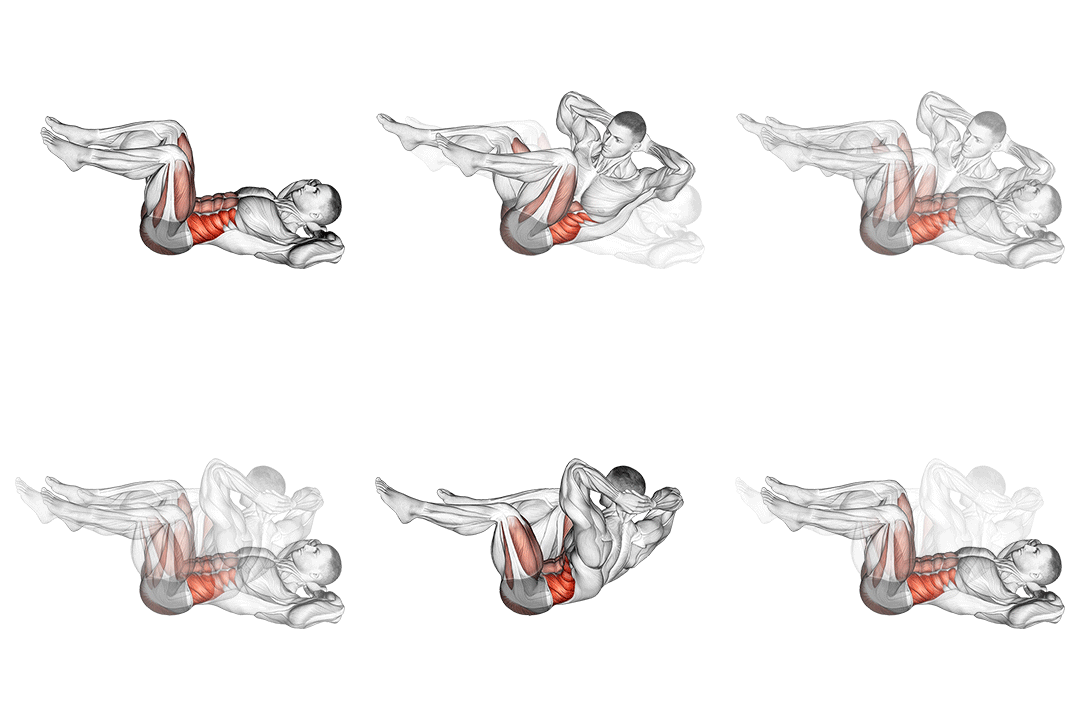
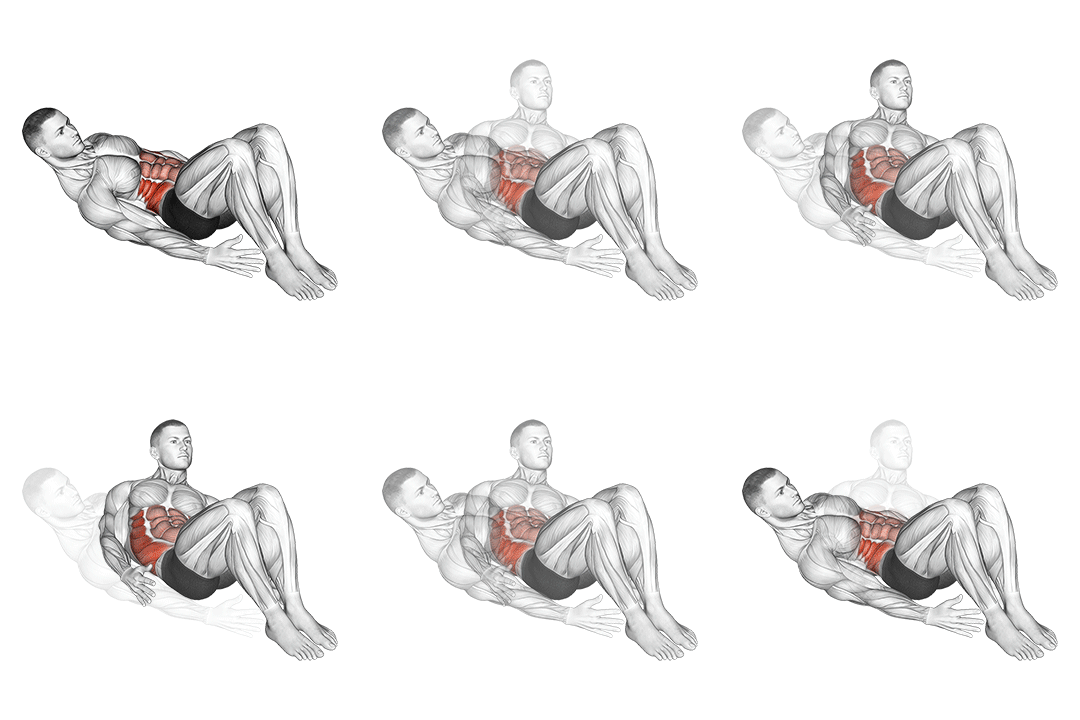
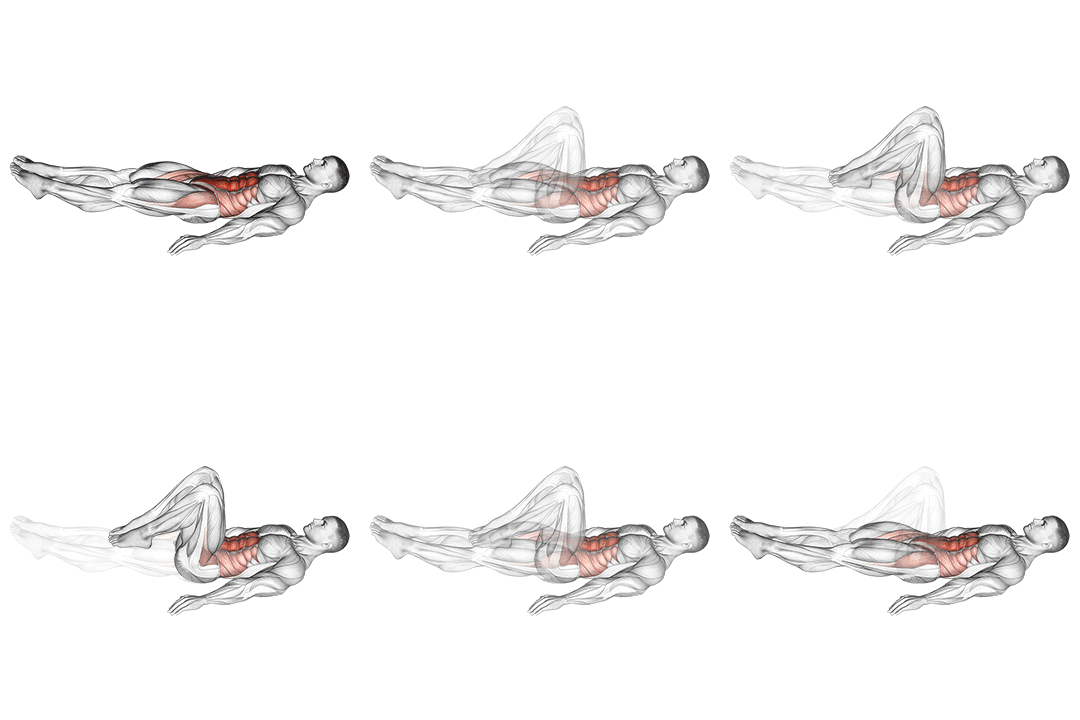
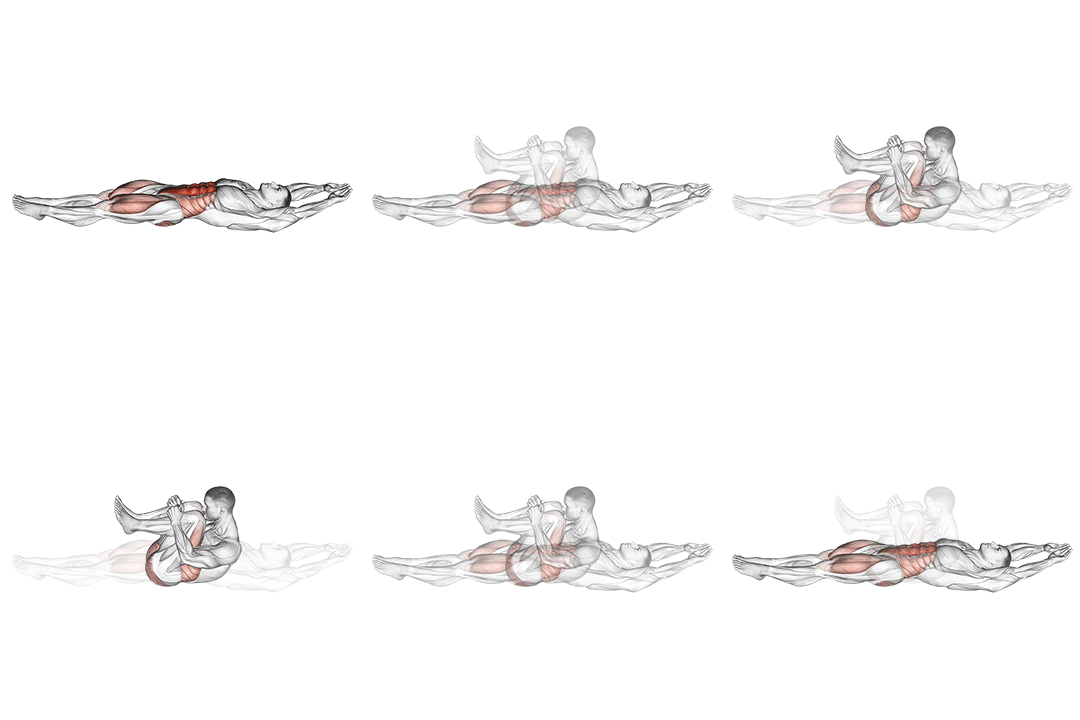
Hanging Oblique Knee Raise
advanced strength exercise · body weight · targets abs
- Body part
- waist
- Primary target
- abs
- Equipment
- body weight
- Difficulty
- advanced
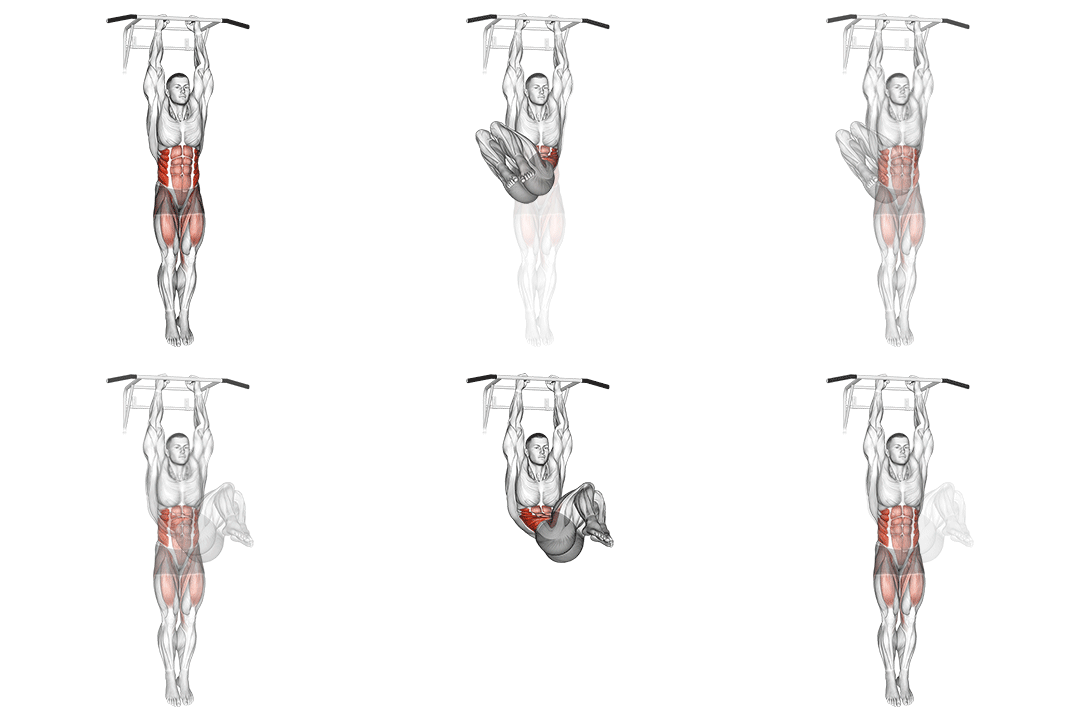
The hanging oblique knee raise is a hanging core exercise where you grip a pull-up bar, hang with arms straight, then lift the knees up while rotating them slightly to one side. The combination of hanging position, knee lift, and rotation engages the lower abs, hip flexors, and obliques simultaneously. It's one of the most effective hanging oblique exercises. This exercise produces severe oblique stimulus through the rotational hanging position. Compared to floor-based oblique work (Russian twists, side bends), the hanging variation eliminates lower-back support and demands complete core engagement to control the motion. For trainees pursuing visible obliques and elite core strength, hanging oblique work is the gold standard. Where this earns its place is in advanced ab training. Combined with hanging straight leg raises (front-ab focus), hanging oblique knee raises complete hanging core training. The trade-off is the prerequisite demand — trainees should be able to do basic hanging knee raises before attempting the rotational version.
Why train the Hanging Oblique Knee Raise?
- Targets the obliques through hanging rotational core work.
- Builds elite core stability and strength.
- Develops grip and shoulder endurance through hanging.
- Provides clear progression for advanced ab training.
- Engages the lower abs alongside the obliques.
- Pairs naturally with hanging leg raise variations.
How to do the Hanging Oblique Knee Raise: step by step
- 1Hang from a pull-up bar with your arms fully extended and your palms facing away from you.
- 2Engage your core and lift your knees towards your chest, twisting your torso to the side as you do so.
- 3Pause for a moment at the top, then slowly lower your legs back down to the starting position.
- 4Repeat on the other side, twisting your torso in the opposite direction.
- 5Continue alternating sides for the desired number of repetitions.
Muscles worked
Primary
abs
Secondary
obliques
Common mistakes to avoid
Insufficient prerequisites
Build to 10+ standard hanging knee raises before attempting oblique version.
Excessive twist
Subtle rotation is sufficient. Aggressive twisting under load stresses the spine.
Swinging or kipping
Strict form only.
Cutting range
Bring knees fully up and across. Partial reps reduce stimulus.
Skipping side alternation
Always alternate or balance volume between sides.
Easier and harder variations
Easier
Standard hanging knee raise without twist. Or use thicker handles or lower pull-up bar for reduced demand.
Harder
Progress to straight-leg hanging oblique raises. Or to dragon flag rotation work.
Alternative exercises
Hanging knee raise
Basic hanging version without twist.
Hanging leg raise
Front-ab focused version. Pair with oblique version for complete hanging ab work.
Russian twist
Floor-based rotational core work.
How to program the Hanging Oblique Knee Raise into your training
Sets and reps: 3 sets of 6-12 reps per side with 90 seconds rest. Frequency: 1-2 times per week. In advanced sessions: as oblique focus after main core work.
Recovery and frequency
Recovery within 48-72 hours. Watch for grip fatigue.
Frequently asked questions
How many reps?
6-12 per side.
How often?
1-2 times per week.
Will this build obliques?
Yes — significant oblique development with consistent training.
Hanging vs floor oblique work?
Hanging is significantly more demanding. Floor work is more accessible.
Why subtle twist?
Aggressive rotation under hanging load stresses the spine. Subtle twist produces benefit safely.
Is this safe?
Yes when prerequisites are met. Without basic hanging strength, form breaks down.
Useful tools for this exercise
Build a workout with the Hanging Oblique Knee Raise
Puna gives you guided bodyweight workouts you can do anywhere — no equipment, no gym, just structured progressions that build real strength.