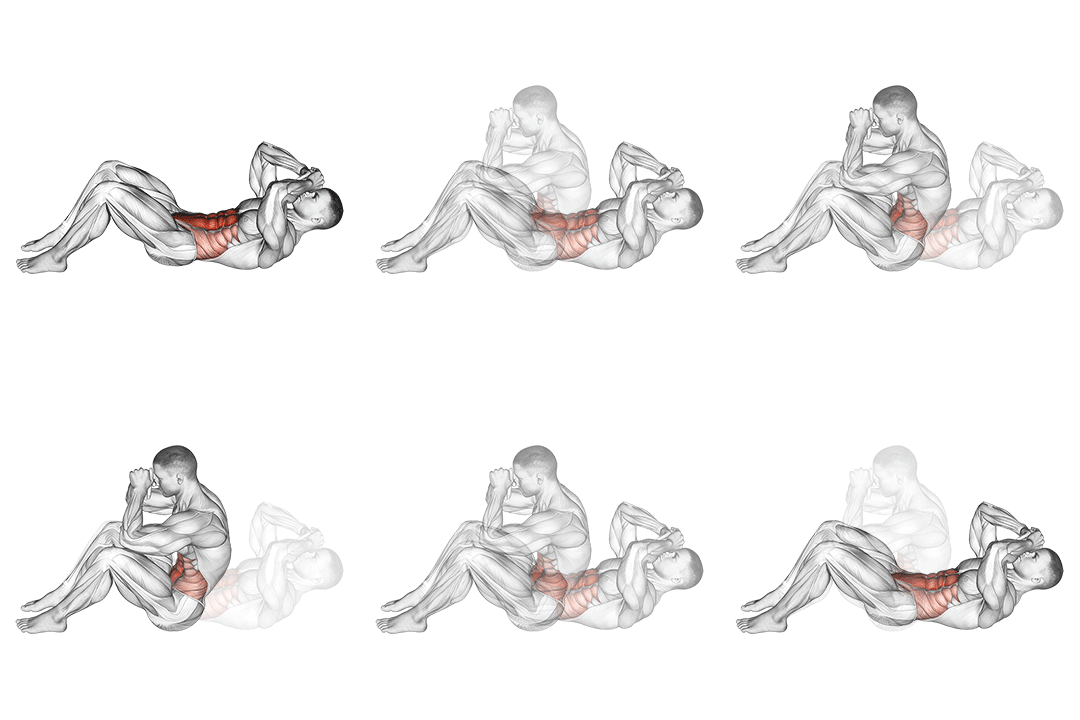
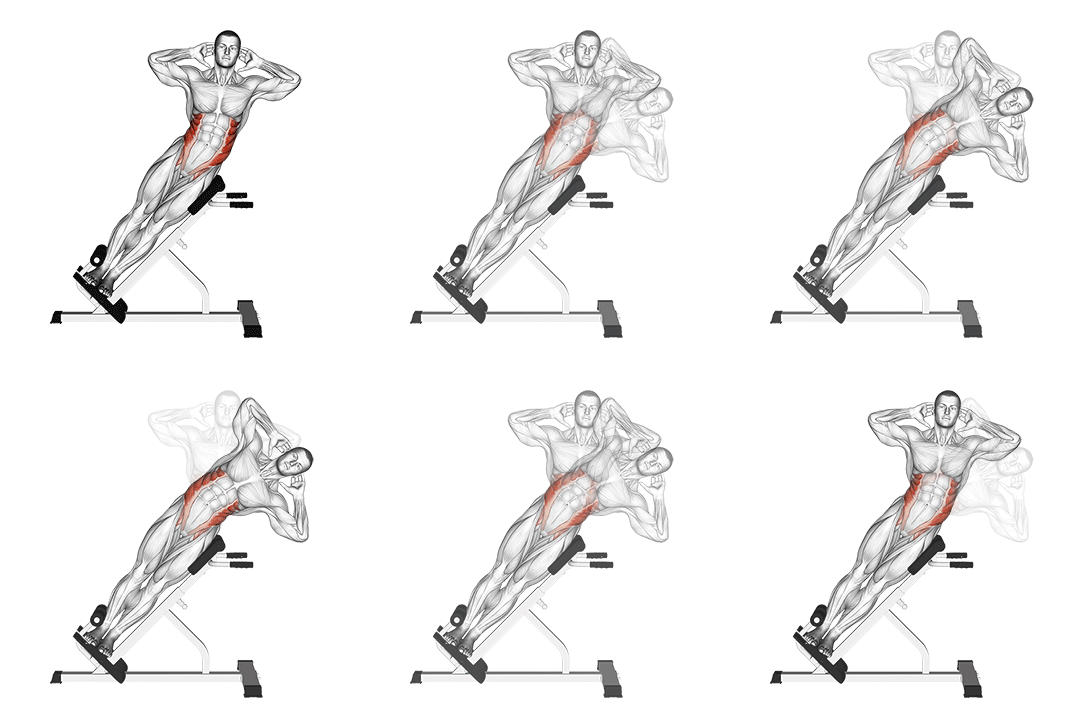
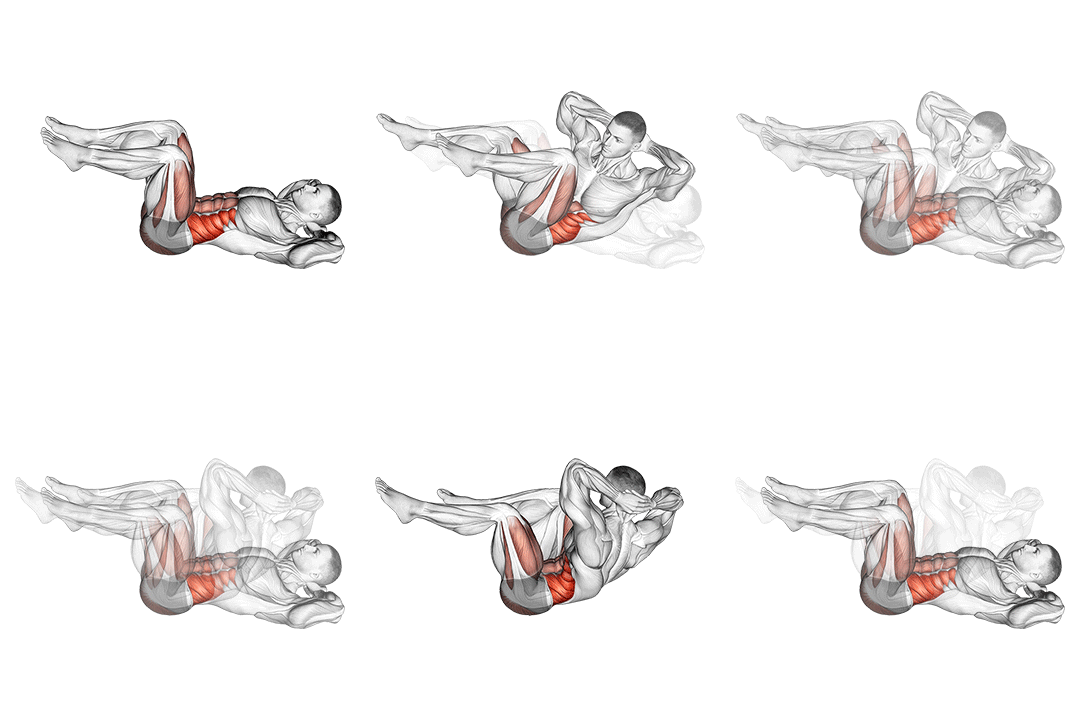
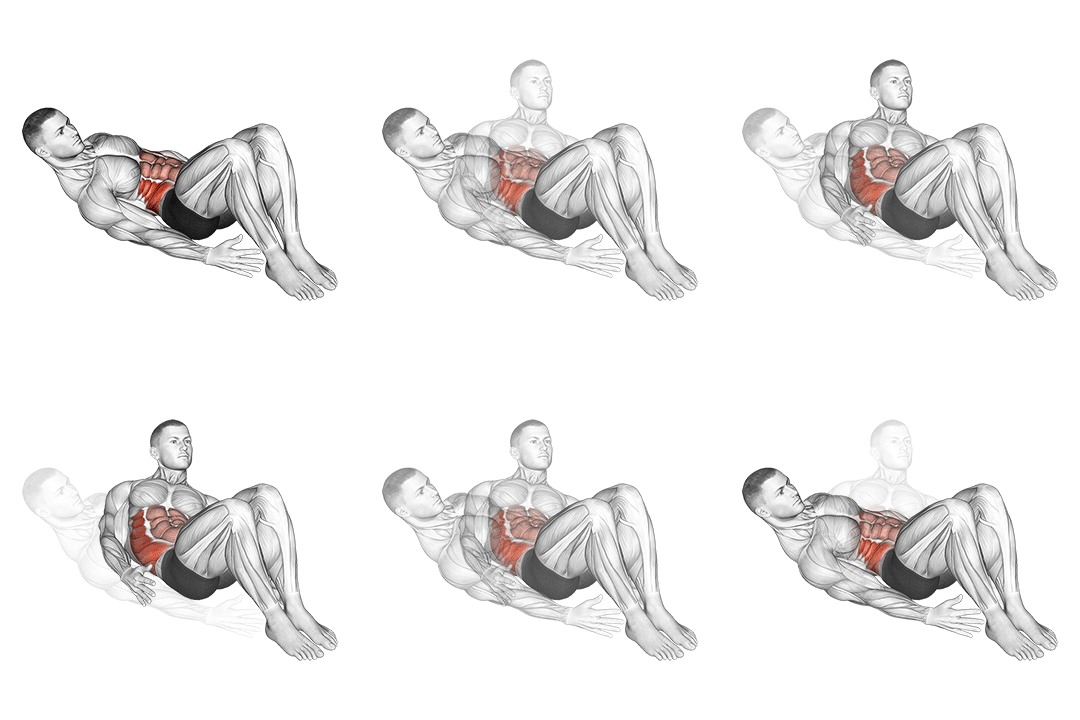
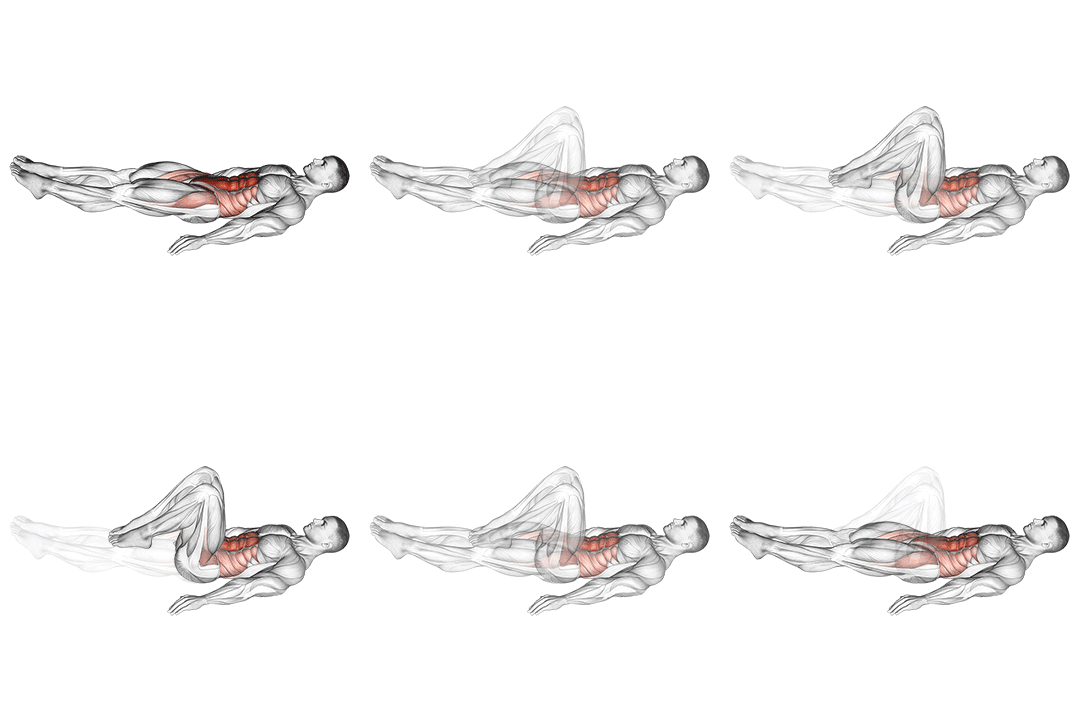
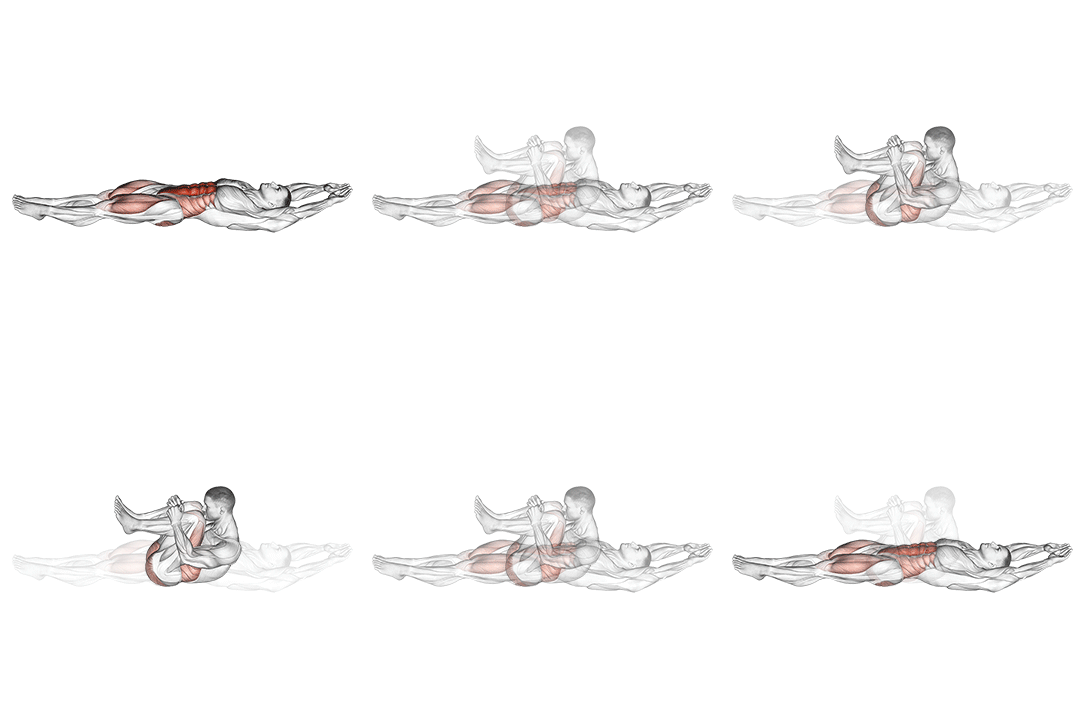
Hanging Leg Hip Raise
intermediate strength exercise · body weight · targets abs
- Body part
- waist
- Primary target
- abs
- Equipment
- body weight
- Difficulty
- intermediate
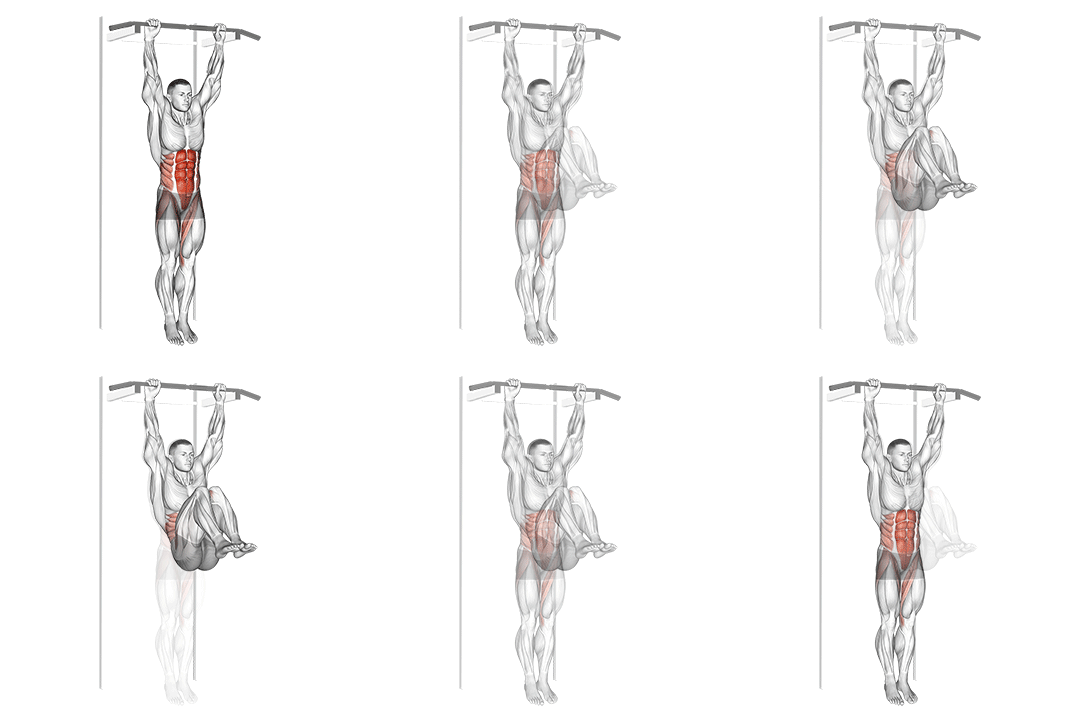
The hanging leg hip raise is a hanging ab exercise that combines a leg raise with a deliberate hip raise (posterior pelvic tilt) at the top of each rep. From a hanging position, you lift the legs and tilt the pelvis backward to engage the lower abs through full range. The hip-raise component is what differentiates this from a standard hanging leg raise, producing more direct lower-ab stimulus. Most hanging leg raises engage the hip flexors more than the abs because the motion stops at hip flexion without conscious pelvic tilt. Adding the deliberate hip raise at the top of each rep shifts loading toward the rectus abdominis, producing more meaningful lower-ab development. Where this earns its place is as the lower-ab progression for trainees who've mastered standard hanging leg raises. Combined with planks and oblique work, this exercise produces elite-level core development.
Why train the Hanging Leg Hip Raise?
- Targets lower abs more directly than standard hanging leg raises.
- Builds the ab strength supporting front lever progression.
- Develops grip and shoulder endurance through hanging.
- Provides clear progression for trainees who've outgrown basic hanging work.
- Pairs naturally with hanging oblique exercises.
- Useful in advanced core training programs.
How to do the Hanging Leg Hip Raise: step by step
- 1Hang from a pull-up bar with your arms fully extended and your palms facing away from you.
- 2Engage your core and lift your legs up by flexing your hips and knees until your thighs are parallel to the ground.
- 3Pause for a moment at the top, then slowly lower your legs back down to the starting position.
- 4Repeat for the desired number of repetitions.
Muscles worked
Primary
abs
Secondary
hip flexors, lower back
Common mistakes to avoid
Skipping the pelvic tilt
Without the tilt, this becomes a basic leg raise. The hip raise is the differentiator.
Insufficient prerequisites
Master standard hanging leg raises before adding hip raise component.
Swinging or kipping
Strict form only.
Bouncing through reps
Slow controlled motion drives ab development.
Programming too aggressively
1-2 times per week. Hanging core work has steep recovery demands.
Easier and harder variations
Easier
Bend knees during the lift. Or perform without the pelvic tilt component (standard leg raise).
Harder
Add ankle weights. Or progress to hanging pike with full hip raise.
Alternative exercises
Hanging leg raise
Without the hip raise component. Less lower-ab specific.
Hanging pike
Maximum-range version with toes to bar.
Reverse crunch
Floor-based easier version.
How to program the Hanging Leg Hip Raise into your training
Sets and reps: 3 sets of 8-12 reps with 90 seconds rest. Frequency: 1-2 times per week. In an advanced core session: as primary lower-ab work.
Recovery and frequency
Recovery within 48-72 hours. Watch for grip fatigue.
Frequently asked questions
How many reps?
8-12 per set.
How often?
1-2 times per week.
Why add the hip raise?
Shifts loading from hip flexors to lower abs.
Hanging hip raise vs leg raise?
Hip raise version engages lower abs more directly through pelvic tilt.
Will this build a six-pack?
Builds the muscle. Visibility comes from low body fat.
Should I progress to pike?
Yes once 12+ hip raises feel comfortable, work toward pike (toes to bar).
Useful tools for this exercise
Build a workout with the Hanging Leg Hip Raise
Puna gives you guided bodyweight workouts you can do anywhere — no equipment, no gym, just structured progressions that build real strength.