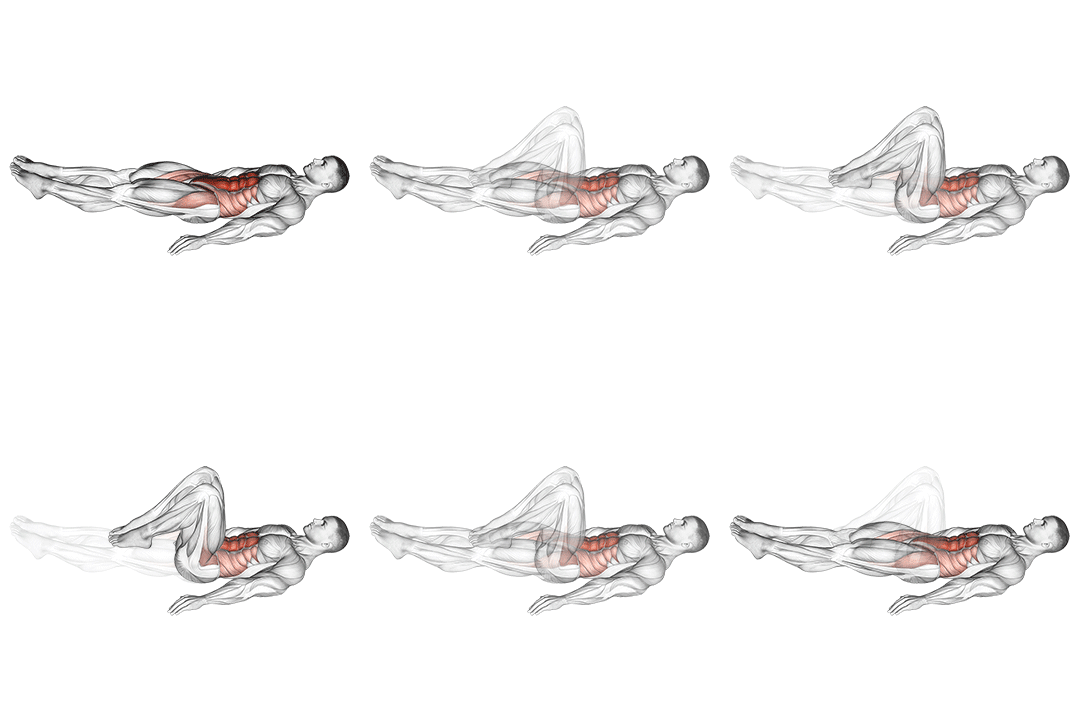
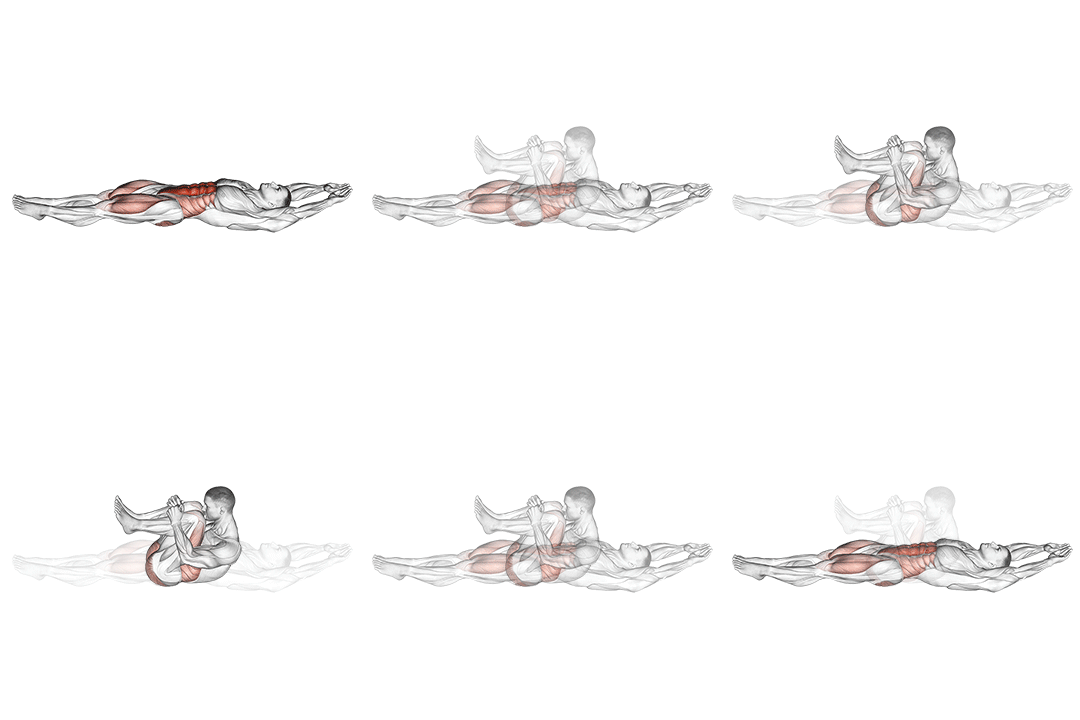
Gorilla Chin
advanced strength exercise · body weight · targets abs
- Body part
- waist
- Primary target
- abs
- Equipment
- body weight
- Difficulty
- advanced
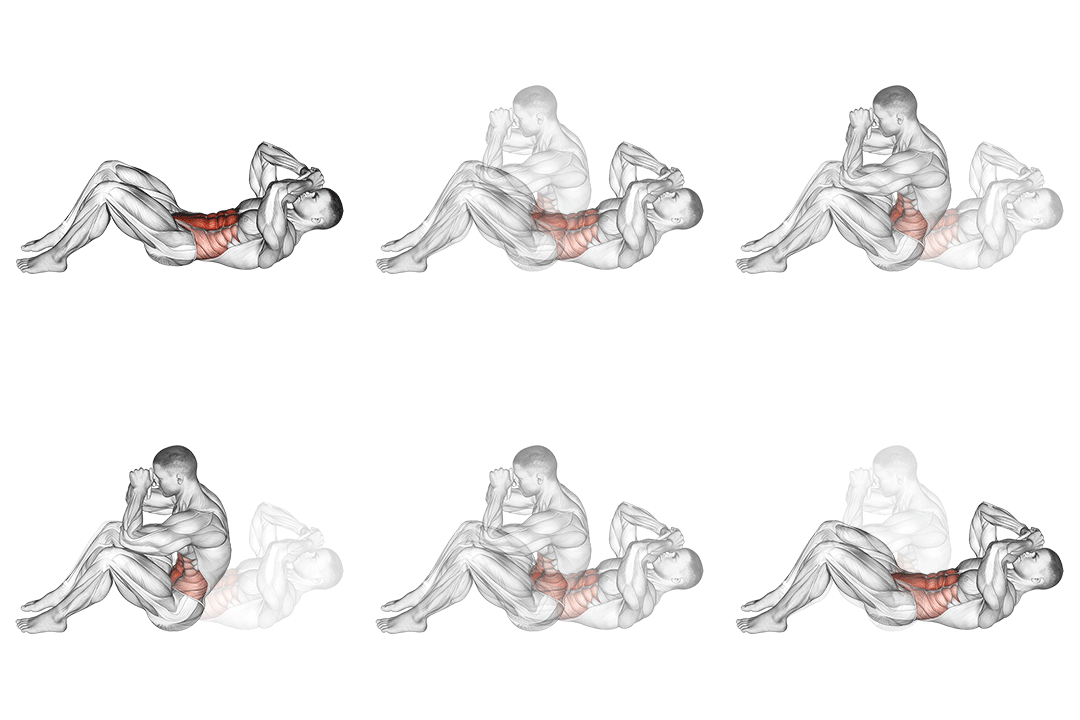
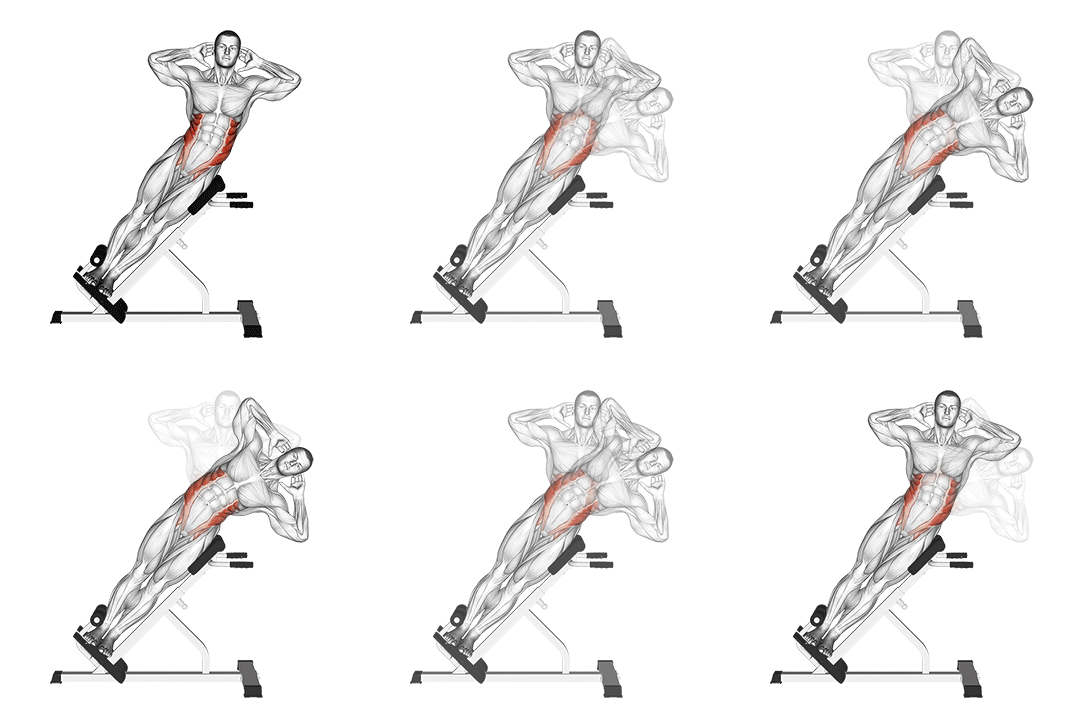
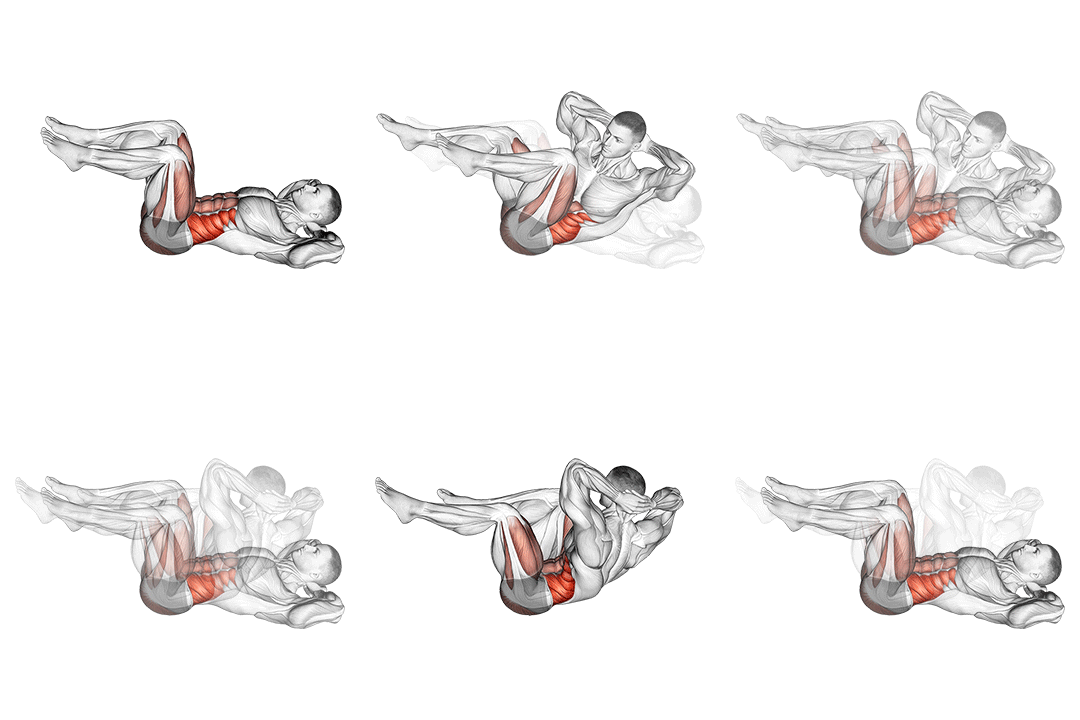
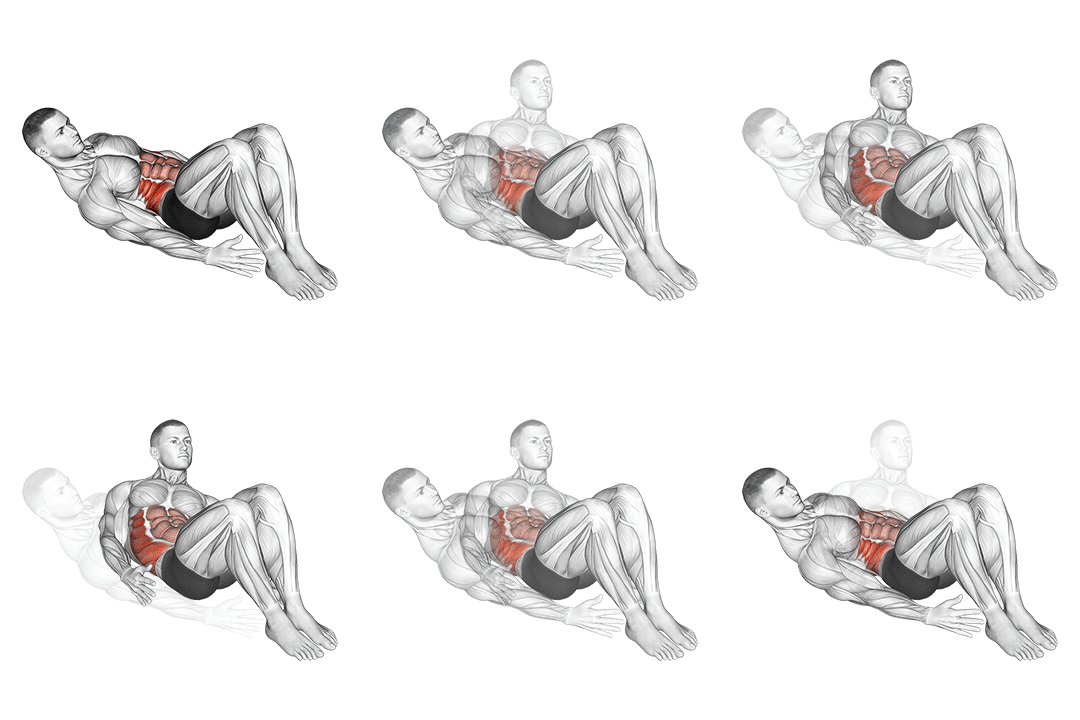
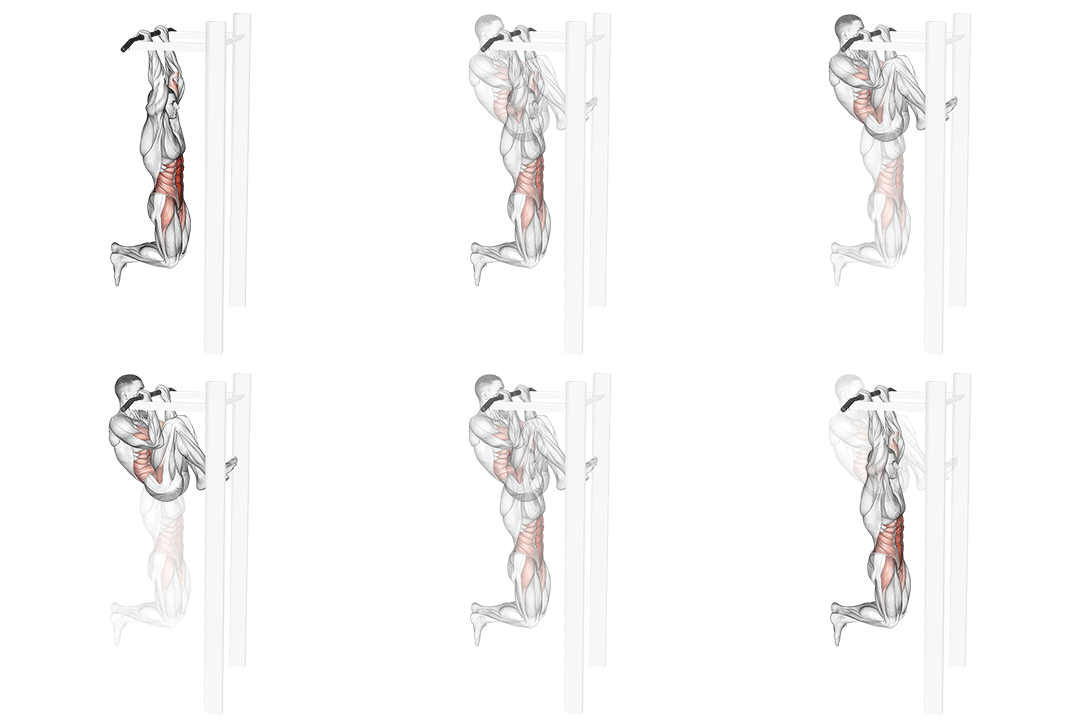
The gorilla chin is an advanced ab and pulling exercise where you hang from a pull-up bar in a chin-up position, then bring the knees up toward the chest in a controlled motion. The combination of hanging support and dynamic knee drive trains both the lats (from hanging) and the lower abs (from the knee drive) simultaneously, producing efficient combined upper-body and core work. This is one of the more demanding bodyweight ab exercises. The hanging position eliminates the floor-supported lower-back protection that typical ab exercises provide, requiring complete core engagement to control the body. The grip strength demand is also significant — sustained hanging fatigues the forearms quickly. Where this earns its place is in advanced ab training programs. Combined with hanging leg raises and other hanging variations, gorilla chins build elite-level core strength. The trade-off is the prerequisite demand — trainees should be able to do at least 10 strict chin-ups and 60-second dead hangs before attempting this variation.
Why train the Gorilla Chin?
- Combines hanging pulling work with dynamic ab training.
- Builds severe lower-ab and hip flexor strength.
- Engages the lats and biceps simultaneously.
- Develops grip strength through sustained hanging.
- Provides clear progression for advanced ab training.
- Time-efficient combined exercise.
How to do the Gorilla Chin: step by step
- 1Stand with your feet shoulder-width apart and your knees slightly bent.
- 2Grasp a pull-up bar with an overhand grip, slightly wider than shoulder-width apart.
- 3Hang from the bar with your arms fully extended and your palms facing away from you.
- 4Engage your core and pull your body up towards the bar, bringing your chin above the bar.
- 5Pause for a moment at the top, then slowly lower your body back down to the starting position.
- 6Repeat for the desired number of repetitions.
Muscles worked
Primary
abs
Secondary
forearms, biceps
Common mistakes to avoid
Insufficient prerequisites
Need 10+ chin-ups and 60-second hangs before attempting.
Swinging or kipping
Strict form means no swing. Use abs and hip flexors to drive the knee lift, not momentum.
Bouncing through reps
Slow controlled motion produces engagement.
Cutting range
Bring knees up to chest level. Partial reps reduce stimulus.
Programming too aggressively
1-2 times per week is appropriate. Combined demand benefits from recovery.
Easier and harder variations
Easier
Perform from a partial chin-up position (chin level rather than full pull-up). Or use a band for chin-up assistance.
Harder
Add weighted vest. Or progress to straight-leg raises while in chin-up position.
Alternative exercises
Hanging leg raise
Same lower-ab work without chin-up requirement.
Hanging knee raise
Easier hanging version. Use as foundation.
L-sit on floor
Floor-based ab strength work.
How to program the Gorilla Chin into your training
Sets and reps: 3 sets of 4-8 reps with 90-120 seconds rest. Frequency: 1-2 times per week. In an advanced session: as combined finisher after main pulling and ab work.
Recovery and frequency
Steep recovery cost from combined demands. 48-72 hours between sessions.
Frequently asked questions
How many sets and reps?
3 sets of 4-8 reps with 90-120 seconds rest.
How often?
1-2 times per week.
Is this safe?
Yes when prerequisites are met. Without them, grip and shoulders can fail mid-rep.
Why combine chin-up and ab work?
Time-efficient combined demand on multiple muscle groups.
What if my grip fails?
Build dead hang capacity to 60+ seconds before attempting.
Gorilla chin vs hanging leg raise?
Gorilla chin maintains pull-up position throughout; hanging leg raise hangs from arms straight. Different demands.
Useful tools for this exercise
Build a workout with the Gorilla Chin
Puna gives you guided bodyweight workouts you can do anywhere — no equipment, no gym, just structured progressions that build real strength.