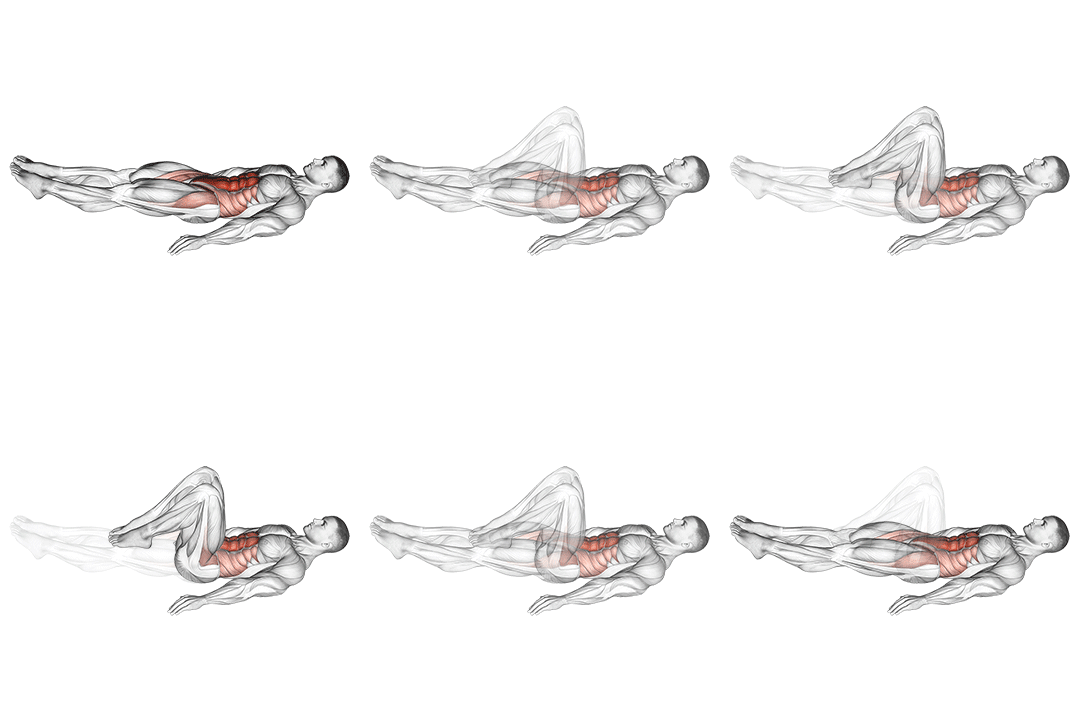
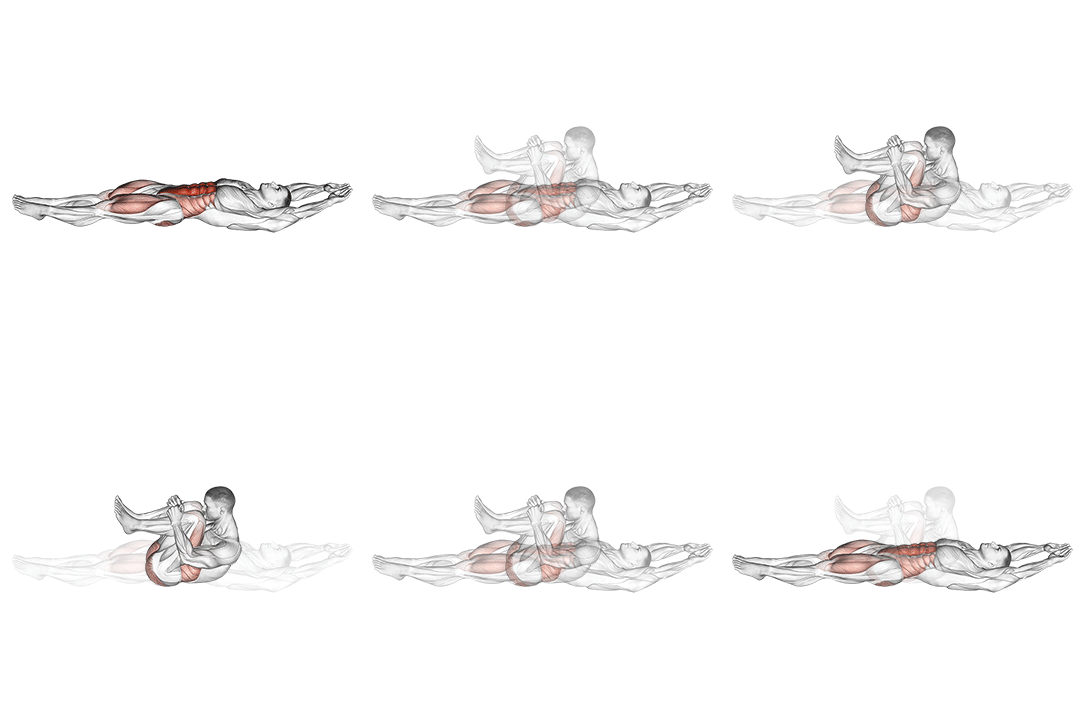
Butt-ups
beginner strength exercise · body weight · targets abs
- Body part
- waist
- Primary target
- abs
- Equipment
- body weight
- Difficulty
- beginner
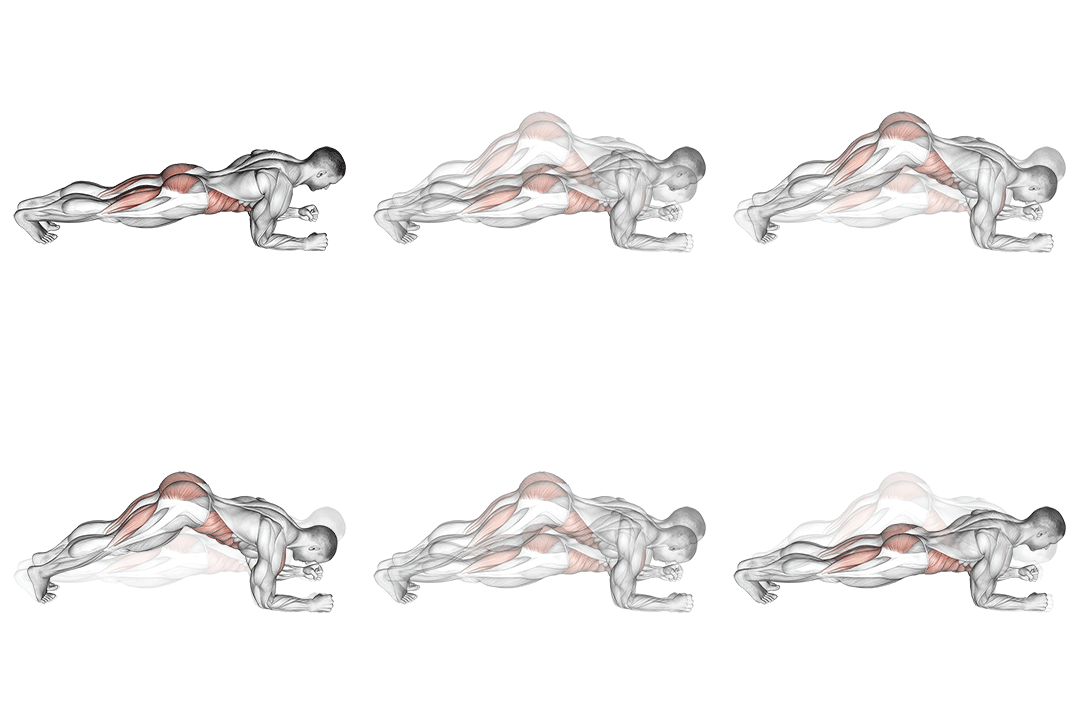
Butt-ups are an unusual core exercise performed in a plank-like position with feet wider than shoulders, then lifting the hips up toward the ceiling while maintaining body line, creating an inverted V shape briefly before returning. The motion combines core engagement with shoulder mobility through the pike-like position. It's similar to the downward dog yoga pose performed dynamically. This is one of the more dynamic ab exercises in any program. The pike motion engages the lower abs through hip flexion while the shoulders work to support the body in the elevated position. For trainees seeking variety in ab training, butt-ups provide unique stimulus that compound exercises don't replicate. Where this earns its place is as accessory or warm-up work in core programming. Combined with planks and rotational exercises, butt-ups contribute to comprehensive ab training. The trade-off is the modest training stimulus — pure butt-ups won't drive serious ab development; treat as accessory work.
Why train the Butt-ups?
- Provides unique core stimulus through dynamic pike motion.
- Engages lower abs and hip flexors.
- Builds shoulder mobility through the elevated position.
- Useful as accessory or warm-up work.
- Costs nothing and requires no equipment.
- Pairs naturally with planks for compound core work.
How to do the Butt-ups: step by step
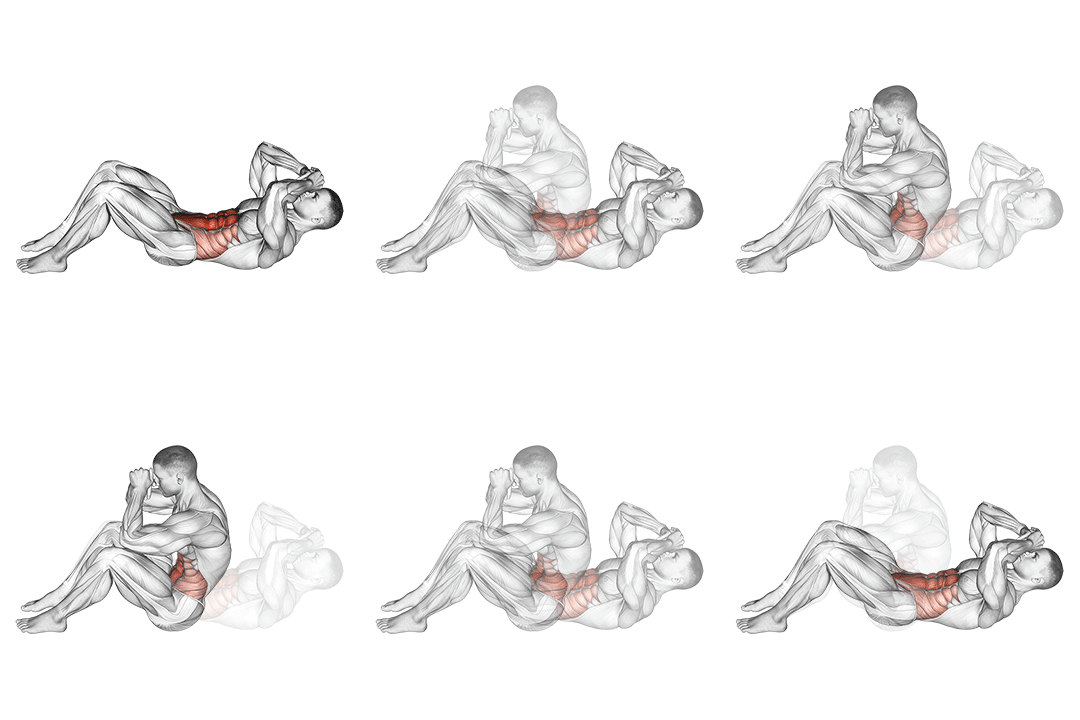
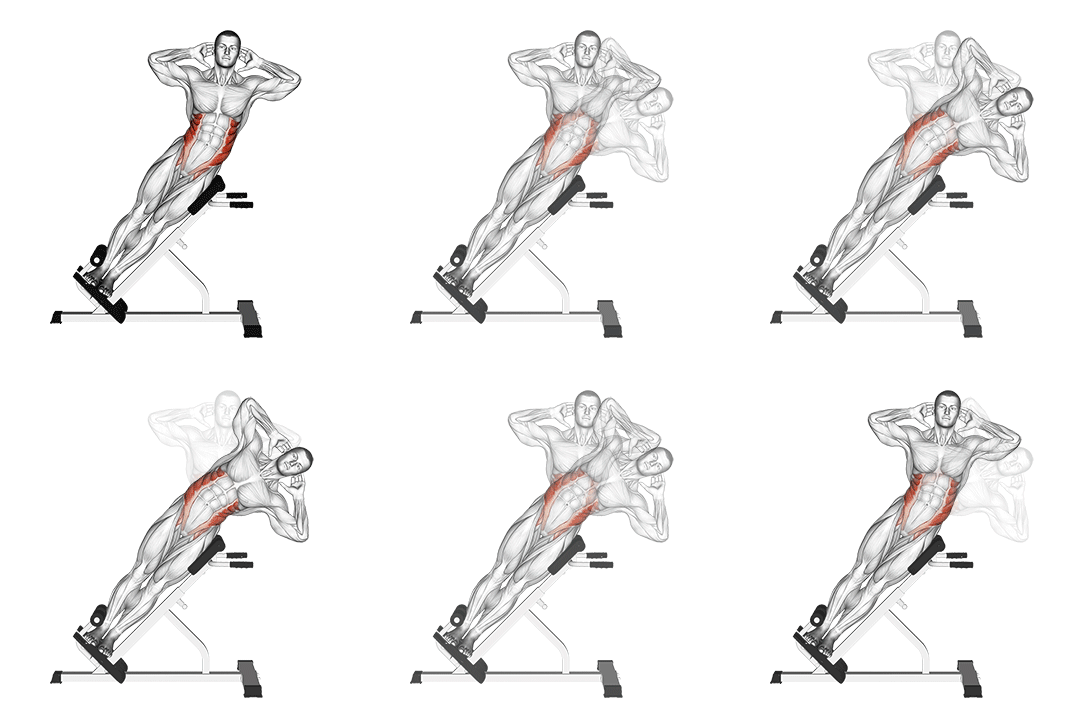
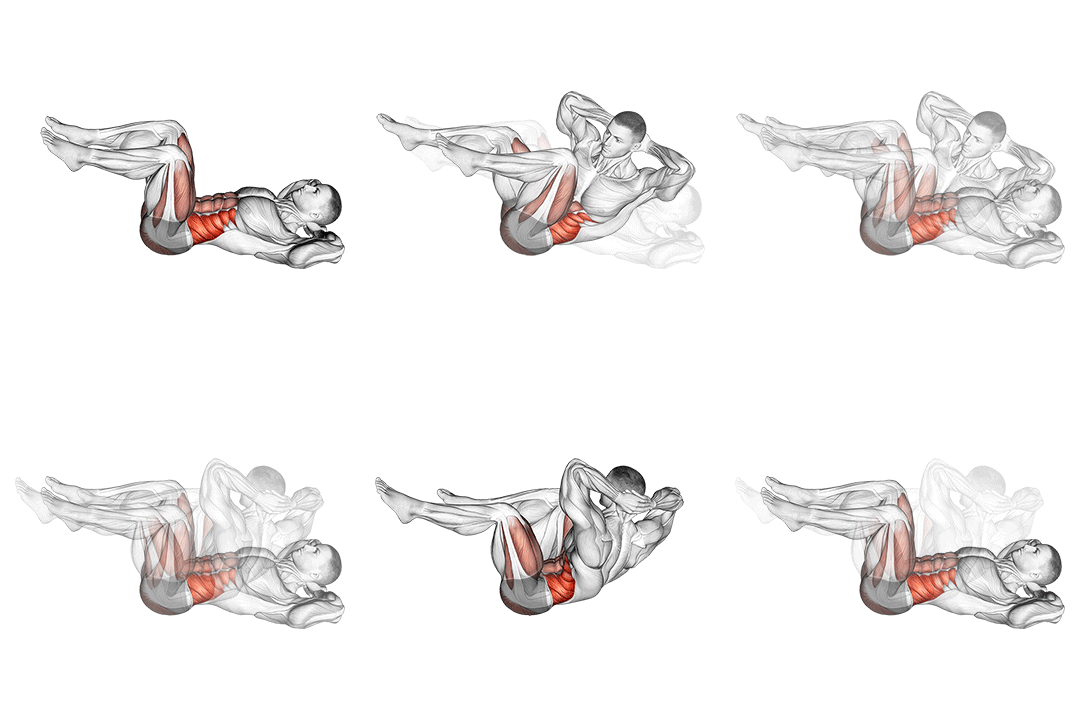
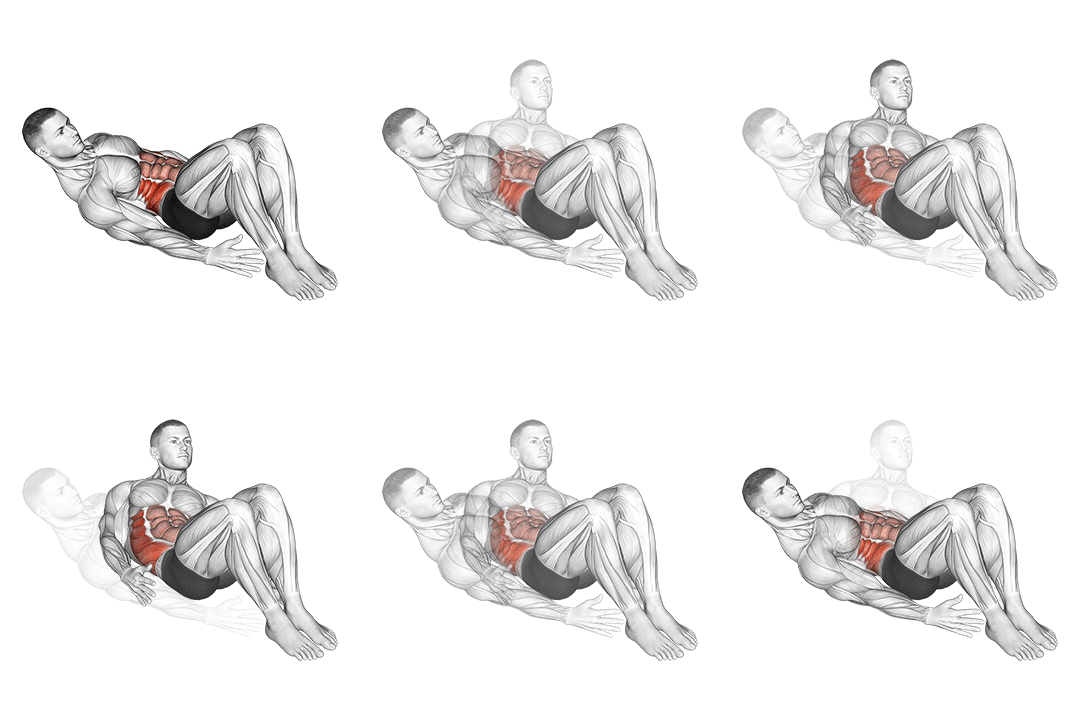
- 1Lie flat on your back with your knees bent and feet flat on the ground.
- 2Place your hands by your sides, palms facing down.
- 3Engaging your abs, lift your legs off the ground, bringing your knees towards your chest.
- 4At the top of the movement, squeeze your abs and pause for a moment.
- 5Slowly lower your legs back down to the starting position.
- 6Repeat for the desired number of repetitions.
Muscles worked
Primary
abs
Secondary
hip flexors, lower back
Common mistakes to avoid
Bouncing through reps
Slow controlled motion drives engagement.
Letting back round excessively
Maintain spinal alignment. Pike from hips, not from spinal flexion.
Insufficient pike height
Lift hips high enough to feel the abs engage. Too low produces minimal stimulus.
Wrist or shoulder strain
Build wrist tolerance with mobility work before extended sets.
Treating as primary ab work
Use as accessory. Squat-pattern ab exercises produce more stimulus.
Easier and harder variations
Easier
Reduce pike height. Or perform from kneeling position.
Harder
Add weight or longer holds at top. Or progress to handstand prep work.
Alternative exercises
Plank to pike
Similar motion with stricter form.
Mountain climbers
Different dynamic core work.
Downward dog
Static yoga version.
How to program the Butt-ups into your training
Sets and reps: 3 sets of 10-15 reps with 30-60 seconds rest. Frequency: 2-3 times per week. In warm-up routines: 1-2 sets as activation. In core sessions: as accessory.
Recovery and frequency
Minimal recovery cost. Daily training tolerable.
Frequently asked questions
How many reps?
10-15 per set.
How often?
2-3 times per week.
Will this build abs?
Foundationally. Combine with stronger ab exercises for serious development.
Why butt-ups?
Combined dynamic core and shoulder work in one exercise.
Is this safe for shoulders?
Generally yes when warmed up. Wrist position can be uncomfortable for some.
Butt-ups vs plank?
Butt-ups are dynamic; plank is isometric. Different stimuli; both useful.
Useful tools for this exercise
Build a workout with the Butt-ups
Puna gives you guided bodyweight workouts you can do anywhere — no equipment, no gym, just structured progressions that build real strength.